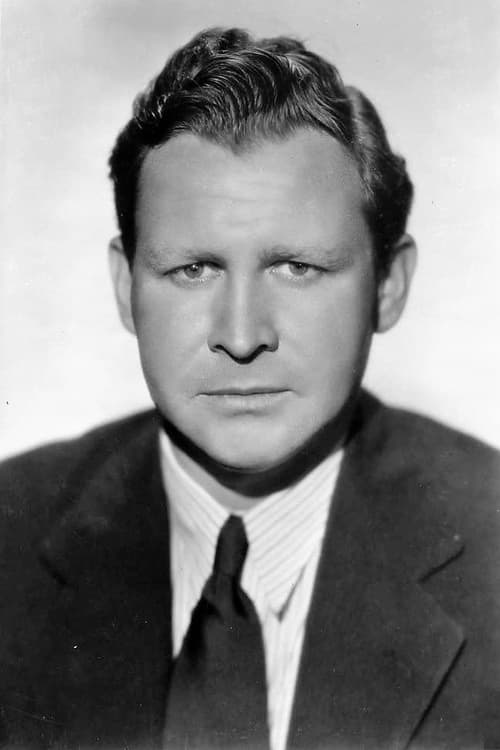
Barton MacLane
Acting
Biography
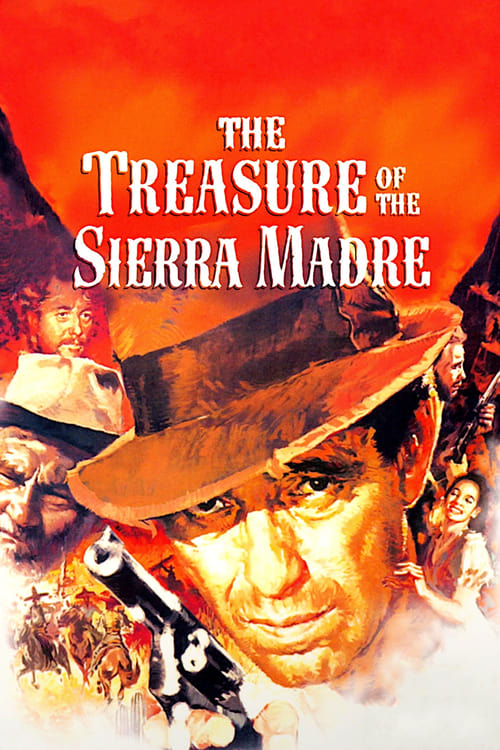
Barton MacLane graduated from Wesleyan University, where he displayed a notable aptitude for sports, in particular football and basketball. Not surprisingly, his physical prowess led to an early role in The Quarterback (1926) with Richard Dix. MacLane once commented that, as an actor, he needed to have the physical strength to tear the bad guys "from limb to limb", if necessary. Ironically, it was usually Barton himself who was destined to be at the end of a hiding (when not getting shot, instead), typically as snarling henchmen, outlaws and other assorted dubious or abrasive types throughout most of his 40-year acting career. In fact, Barton became so typecast that his name was for a time used proverbially, to generally describe a shouting, hard-nosed ruffian. After training at the American Academy of Dramatic Arts, MacLane joined a stock company in Brooklyn. In 1927 he had his first part on Broadway, a brief moment as an assistant district attorney, in the melodrama "The Trial of Mary Dugan". He then played a small featured role as a police officer in "Subway Express" (1929-30), a drama enacted in the interior of a subway car. In mid-1932 MacLane tried his hand at writing his own starring vehicle for the stage, entitled "Rendezvous". While the play closed after just 21 performances, it led to a contract with Warner Brothers. Barton had already appeared in bit roles for Paramount at their Astoria Studios, including The Marx Brothers' debut film The Cocoanuts (1929). He portrayed mobster Brad Collins in 'G' Men (1935) (with James Cagney), which set the tone for most of his future assignments. Brawny, with squinty eyes and a rasping voice, MacLane was the ideal surly tough guy, particularly suitable for westerns and the type of films noir Warner Brothers excelled at. He was often cast as cops, be they bent or honest. Some of his most representative performances include gangster Al Kruger in Bullets or Ballots (1936), which won him some of the best critical notices of his career; outlaw Jack Slade in Western Union (1941); crooked construction boss Pat McCormick, who gets beaten up by Humphrey Bogart and Tim Holt over past-due wages in The Treasure of the Sierra Madre (1948); hard-nosed cops Detective Dundy in The Maltese Falcon (1941) and Lt. Reece in Kiss Tomorrow Goodbye (1950). MacLane, on loan to Universal, also had a starring role in Prison Break (1938) as an innocent tuna fisherman who is framed for murder. He was prominent as a tough but sympathetic cop, foil to sleuthing girl reporter Glenda Farrell in the "Torchy Blaine" series of the mid- to late 1930s. In the 1960s Barton began to cultivate a good-guy image as Marshal Frank Caine in the NBC western series Outlaws (1960) as well as showing up in a small recurring role as Air Force Gen. Martin Peterson in I Dream of Jeannie (1965). Barton was married to the actress Charlotte Wynters, who appeared with him in six of his films. When not on the set, the couple spent time on their 2000-acre cattle ranch in Madera County, California. For his work in television, Barton has a star on the Hollywood Walk of Fame.
Known For

The cases of master criminal defense attorney Perry Mason and his staff who handled the most difficult of cases in the aid of the innocent.
Perry Mason

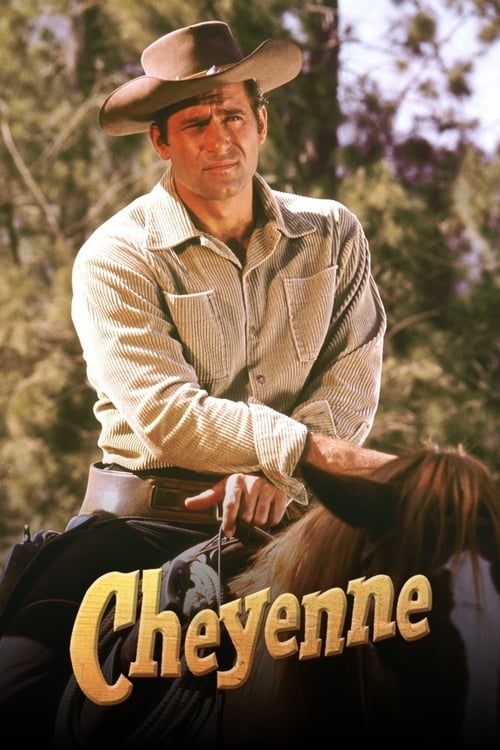
Cheyenne Bodie was a big man, a former army scout who went west after the American Civil War and drifted from job to job, here a cowboy, there a lawman, and always a larger-than-life hero. CHEYENNE is an American western television series of 108 black-and-white episodes broadcast on ABC from 1955 to 1963. The show was the first hour-long western, and in fact the first hour-long dramatic series of any kind, with continuing characters, to last more than one season. It was also the first series to be made by a major Hollywood film studio which did not derive from its established film properties, and the first of a long chain of Warner Brothers original series produced by William T. Orr.
Cheyenne

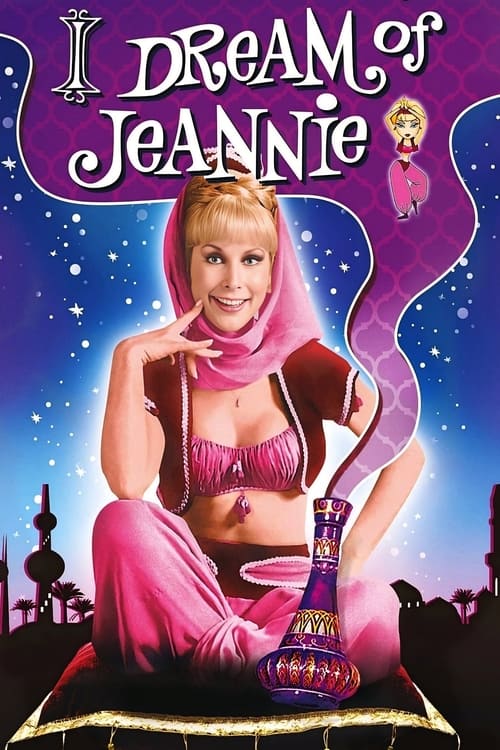
While on a mission, American astronaut Captain Tony Nelson is forced to make an emergency landing that will forever change his life. On a deserted South Pacific island, Captain Nelson happens upon a bottle containing a beautiful two-thousand-year-old female genie named Jeannie. Rescuing her from the bottle nets Tony the requisite three wishes, and then some, when Jeannie pledges total devotion to her new "master".
I Dream of Jeannie
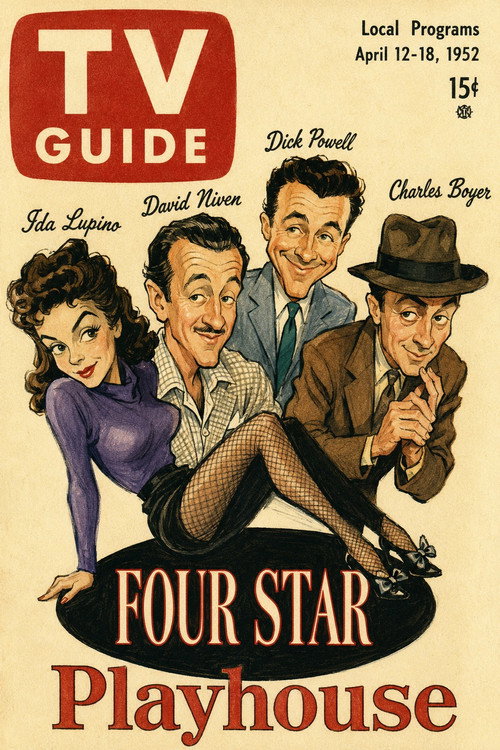
Four Star Playhouse is an American television anthology series that ran from 1952 to 1956, sponsored in its first bi-weekly season by The Singer Company; Bristol-Myers became an alternate sponsor when it became a weekly series in the fall of 1953. The original premise was that Charles Boyer, Ida Lupino, David Niven, and Dick Powell would take turns starring in episodes. However, several other performers took the lead from time to time, including Ronald Colman and Joan Fontaine. Blake Edwards was among the writers and directors who contributed to the series. Edwards created the recurring character of illegal gambling house operator Willie Dante for Dick Powell to play on this series. The character was later revamped and spun off in his own series starring Howard Duff, then-husband of Lupino. The pilot for Meet McGraw, starring Frank Lovejoy, aired here, as did another episode in which Lovejoy recreated his role of Chicago newspaper reporter Randy Stone, from the radio drama Nightbeat.
Four Star Playhouse

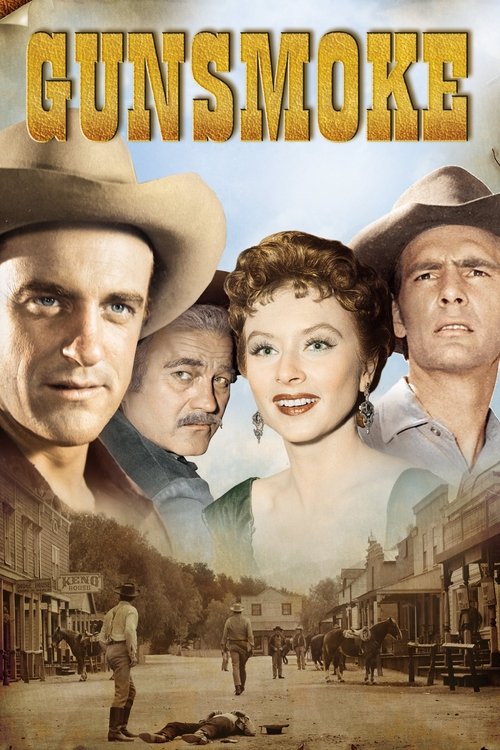
Gunsmoke is an American radio and television Western drama series created by director Norman MacDonnell and writer John Meston. The stories take place in and around Dodge City, Kansas, during the settlement of the American West. The central character is lawman Marshal Matt Dillon, played by William Conrad on radio and James Arness on television.
Gunsmoke

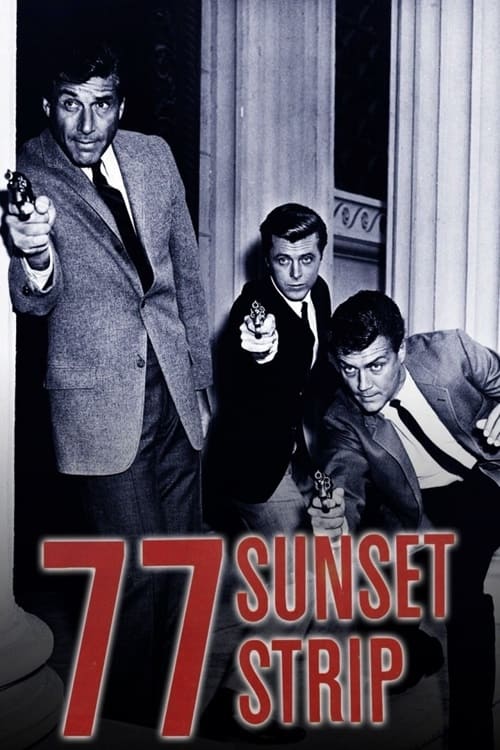
Stu Bailey and Jeff Spencer are the wisecracking, womanizing private-detective heroes of this Warner Brothers drama. They work out of an office located at 77 Sunset Strip in Los Angeles, California, right next door to a snazzy restaurant where Kookie works as a valet. The finger-snapping, slang-talking Kookie occasionally helps Stu and Jeff with their cases, and eventually becomes a full-fledged member of the detective agency. Rex Randolph and J.R. Hale also join the firm, and Suzanne is their leggy secretary.
77 Sunset Strip

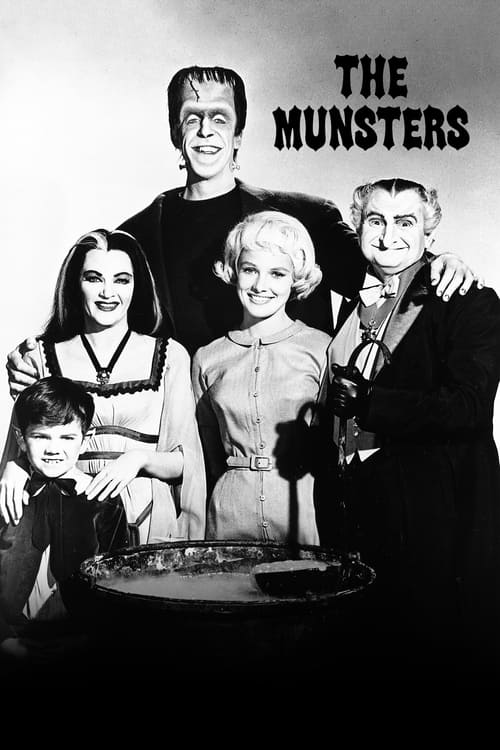
A family of friendly monsters that have misadventures all while never quite understanding why people react to them so strangely.
The Munsters

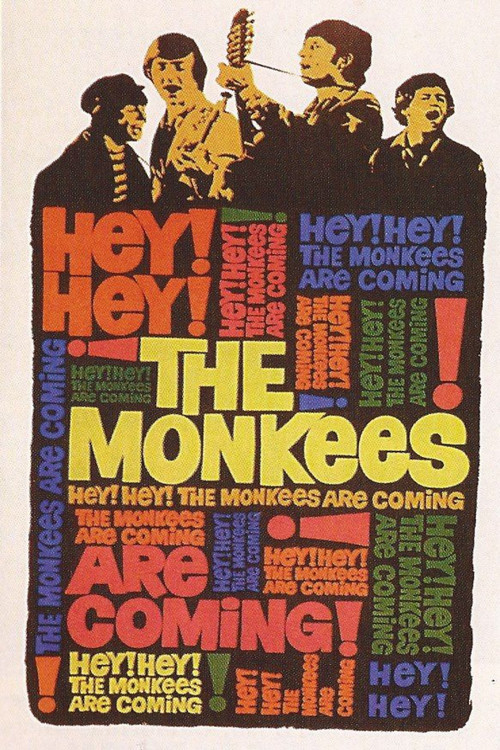
Micky, Mike, Peter, and Davy are four young men in mid-1960s LA, members of a struggling country-folk-rock band looking for their big break amid madcap encounters with a variety of people straight out of TV and movie central casting, with full knowledge that their existence is part of a weekly television series.
The Monkees

Studio 57 is an American anthology series that was broadcast on the now-defunct DuMont Television Network from September 1954 to September 1955, and in syndication from 1955 to 1956.
Studio 57

Westinghouse Desilu Playhouse is an American television anthology series produced by Desilu Productions. The show ran on CBS television between 1958 and 1960. Two of its 48 episodes served as pilots for the 1950s television series The Twilight Zone and The Untouchables.
Westinghouse Desilu Playhouse

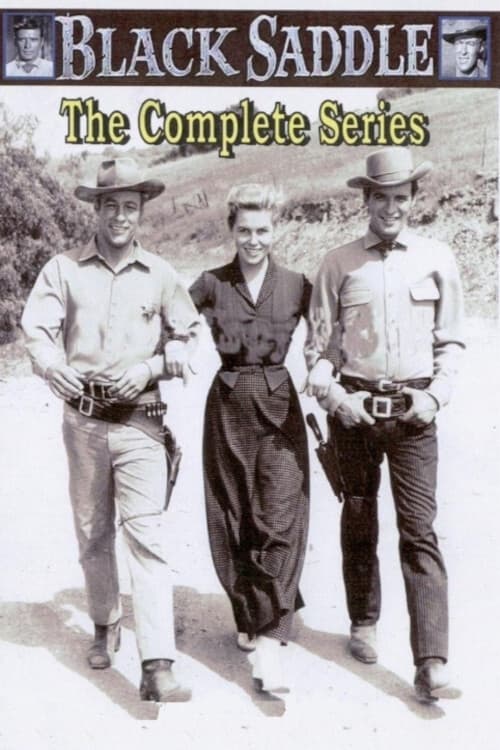
Black Saddle is an American Western television series starring Peter Breck that aired 44 episodes on ABC from January 10, 1959 to May 6, 1960. The half-hour program was produced by Dick Powell's Four Star Television, and the original pilot was an episode of CBS's Dick Powell's Zane Grey Theater, with Chris Alcaide portraying the principal character, Clay Culhane. For syndicated reruns, Black Saddle was combined with three other Western series from the same company, Law of the Plainsman starring Michael Ansara, Johnny Ringo starring Don Durant and Mark Goddard, and the critically acclaimed creation of Sam Peckinpah, The Westerner with Brian Keith, under the umbrella title, The Westerners, with new hosting sequences by Keenan Wynn.
Black Saddle

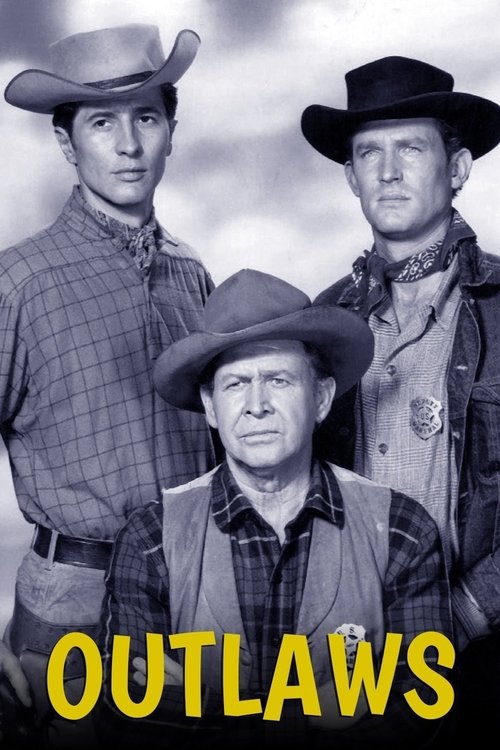
Outlaws is an NBC Western television series, starring Barton MacLane as U.S. marshal Frank Caine, who operated in a lawless section of Oklahoma Territory about Stillwater. The program aired 50 one-hour episodes from September 29, 1960, to May 10, 1962. The first season was shot in black-and-white, the second in color. Co-starring with MacLane in the 1960–1961 season was Don Collier as deputy marshal Will Foreman. In the second season, MacLane left the program, and Collier was promoted to full marshal, with Bruce Yarnell joining the cast as deputy marshal Chalk Breeson. Jock Gaynor appeared in the first season as deputy Heck Martin, the on-screen nephew of Will Foreman. Slim Pickens appeared as "Slim" in the second season. Judy Lewis also appeared the second season as Connie Masters, an employee of the Wells Fargo office in Stillwater. The dog who appeared in Walt Disney's Old Yeller was also cast in The Outlaws. Others who appeared on the program on at least three occasions were Vic Morrow, Cliff Robertson, Pippa Scott, and Harry Townes. In addition, John Anderson, Edgar Buchanan, Jackie Coogan, Bruce Gordon, Robert Harland, Robert Lansing Cloris Leachman, Robert Karnes, Brian Keith, Larry Pennell, Chris Robinson, William Shatner, Ray Walston, Jack Warden, and David Wayne each appeared twice in the series.
Outlaws

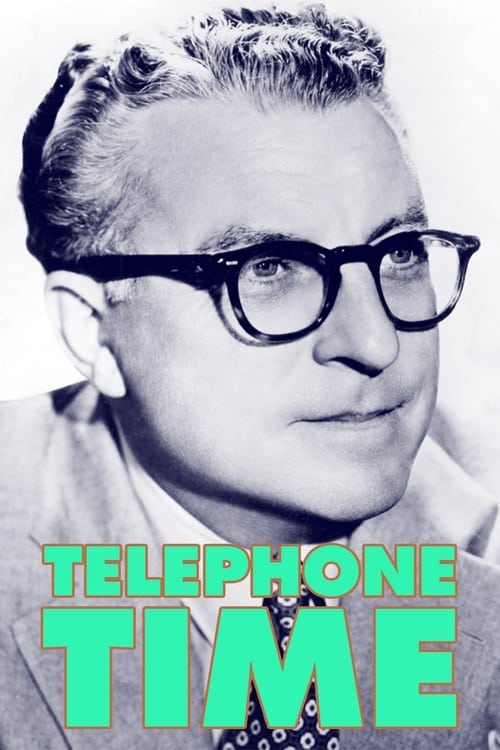
Telephone Time is an American anthology drama series that aired on CBS in 1956, and on ABC from 1957 to 1958. The series features plays by John Nesbitt who hosted the first season. Frank C. Baxter hosted the 1957 and 1958 seasons. The program was directed by Arthur Hiller.
Telephone Time
Lux Video Theatre is an American anthology series that was produced from 1950 until 1959. The series presented both comedy and drama in original teleplays, as well as abridged adaptations of films and plays.
Lux Video Theatre

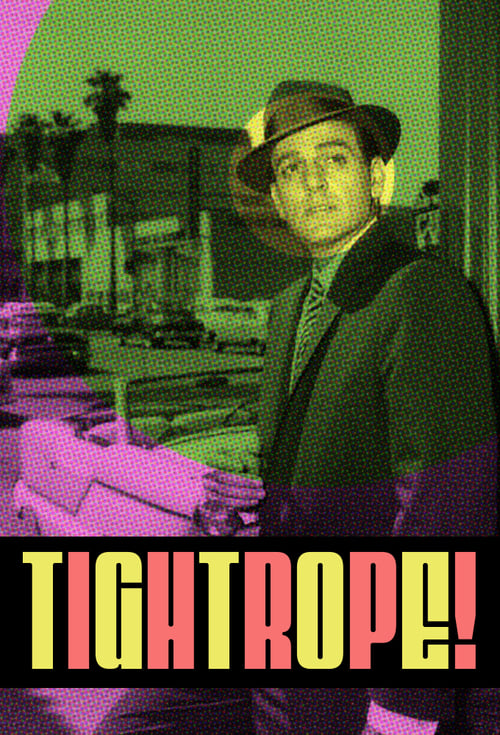
Tightrope is an American crime drama series that aired on CBS from September 1959 to September 1960, under the alternate sponsorship of the J.B. Williams Company, and American Tobacco. Produced by Russell Rouse and Clarence Greene in association with Screen Gems, the series stars Mike Connors as an undercover agent named "Nick" who was assigned to infiltrate criminal gangs. The show was to have originally been titled Undercover Man but it was changed before going to air.
Tightrope

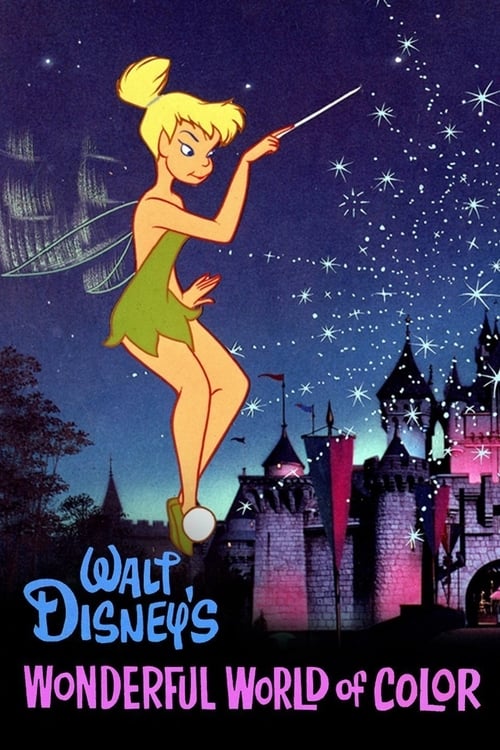
Walt Disney Productions has produced an anthology television series under several different titles since 1954. The original version of the series premiered on ABC, Wednesday night, October 27, 1954. The show, which was hosted by Walt Disney until his death and then from 1996 to 2002 by then-CEO Michael Eisner (with one-off hosts or no hosts during other periods) has since aired continually as either a weekly program or an irregular series of specials on several networks and streaming services, most recently on ABC and Disney+. The show is the second longest showing prime-time program on American television, behind its rival, Hallmark Hall of Fame. However, Hallmark Hall of Fame was a weekly program only during its first five seasons, while Disney remained a weekly program for more than forty years.
The Wonderful World of Disney

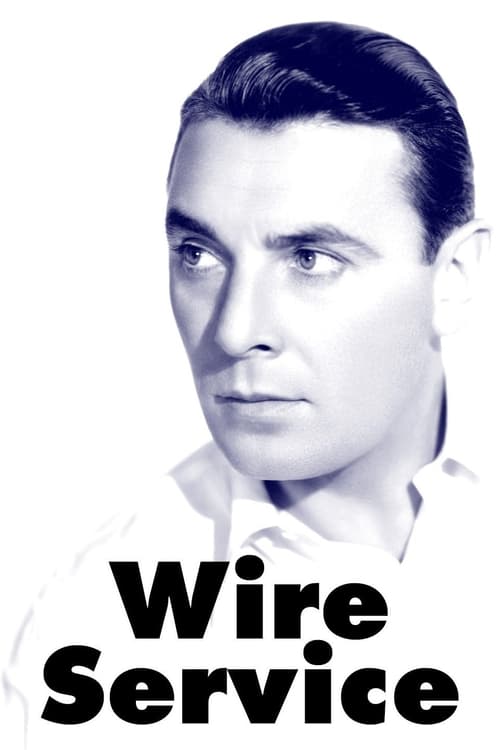
Wire Service is an American drama series that aired on ABC as part of its 1956-57 season lineup.
Wire Service
No description available.
The Whistler

Hondo is a 17-episode Western television series starring Ralph Taeger that aired in the United States on ABC during the 1967 fall season. The series was produced by Batjac Productions, Inc., Fenady Associates, Inc., and Metro-Goldwyn-Mayer Television.
Hondo

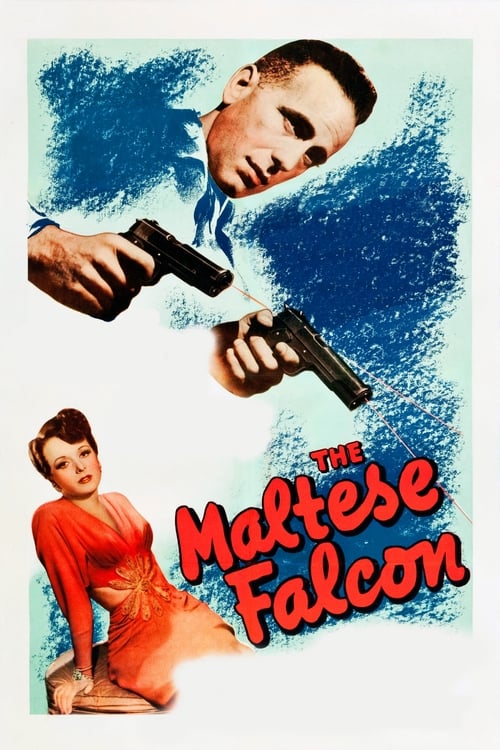
A private detective takes on a case that involves him with three eccentric criminals, a beautiful liar, and their quest for a priceless statuette.