Camera
The film Announcements paints the portraits of seven women reflecting on the same theme. Their starting point is the announcement to Hagar, Sarah and Mary as in the Old Testament, the New Testament and the Koran. Their thoughts spread out and weave a new web, drawing strands from their associations and interpretations of these texts. And by talking about their own history, their personal myths, they work up to subjects such as the birth of image in the Christian world or that of poetry in ancient Greece. Announcements is a film about the movement of thought, the power of words, the secret of the voice, and the seduction of the image.
Marc Aurel-Straße in Vienna: The last surviving Jewish textile merchant in the former textile district, the Iranian hotel proprietor and the Café Salzgries and its regulars. Between the summer of 1999 and spring 2000, Ruth Beckermann undertook a series of small journeys on and around her own doorstep and investigated her local area with the help of a film crew. This documentary film also gives an insight into the political changes when a far right Party joined the Government coalition in Austria.
In this documentary road movie, Austrian filmmaker Ruth Beckermann records the diverse views and activities of Israelis and Arabs as she travels along the route from Tel Aviv to Jerusalem.
After separating from the father of her son, a young French woman tries to find lodging and a fresh start in L.A. for herself and her son.
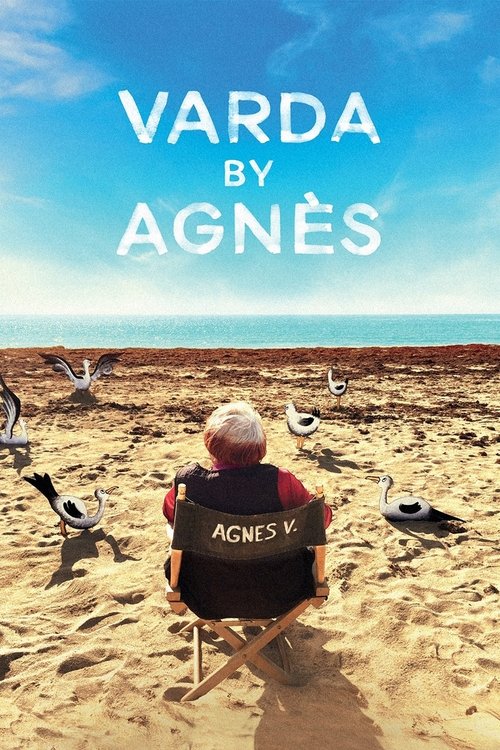
An unpredictable documentary from a fascinating storyteller, Agnès Varda’s last film sheds light on her experience as a director, bringing a personal insight to what she calls "cine-writing," traveling from Rue Daguerre in Paris to Los Angeles and Beijing.
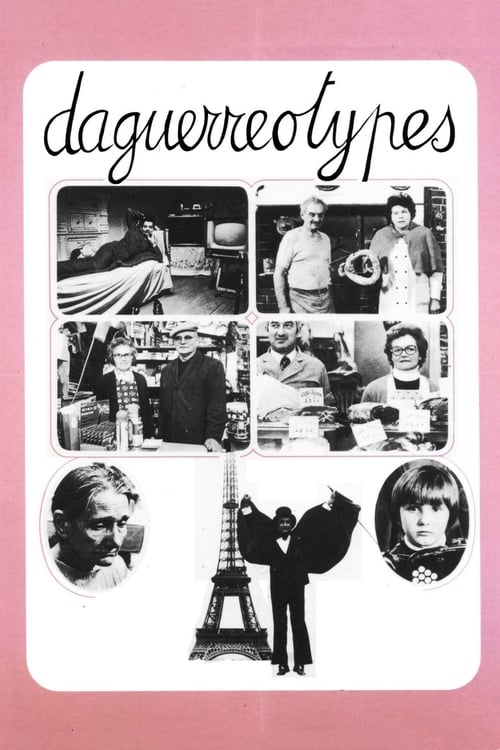
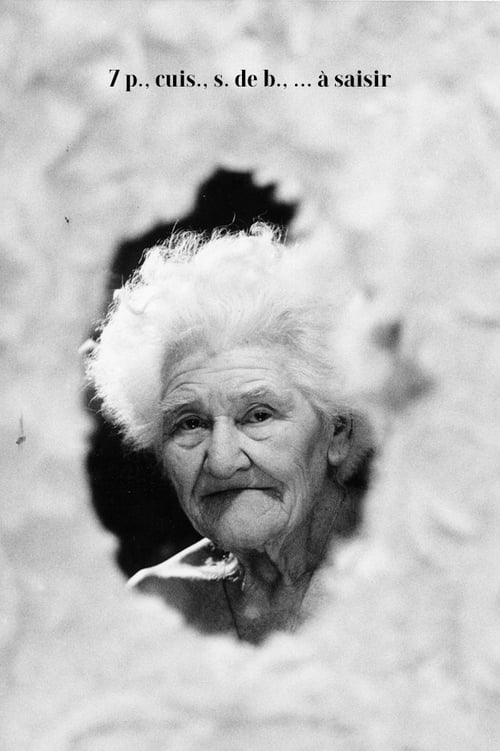
An intimate portrait of the small shops and shopkeepers of the Rue Daguerre in Paris, a picturesque street that has been the filmmaker’s home for more than 50 years.
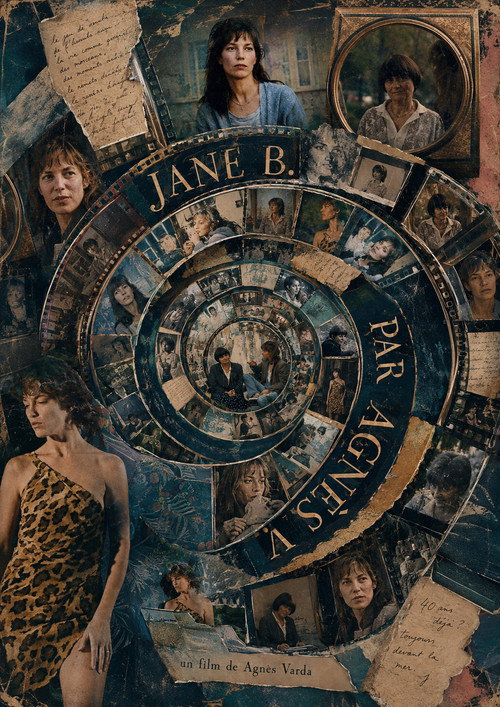
The interests, obsessions, and fantasies of two singular artists converge in this inspired collaboration between Agnès Varda and her longtime friend Jane Birkin. Made over the course of a year and motivated by Birkin’s fourtieth birthday—a milestone she admits to have some anxiety over—Jane B. by Agnès V. contrasts the private, reflective Birkin with Birkin the icon.
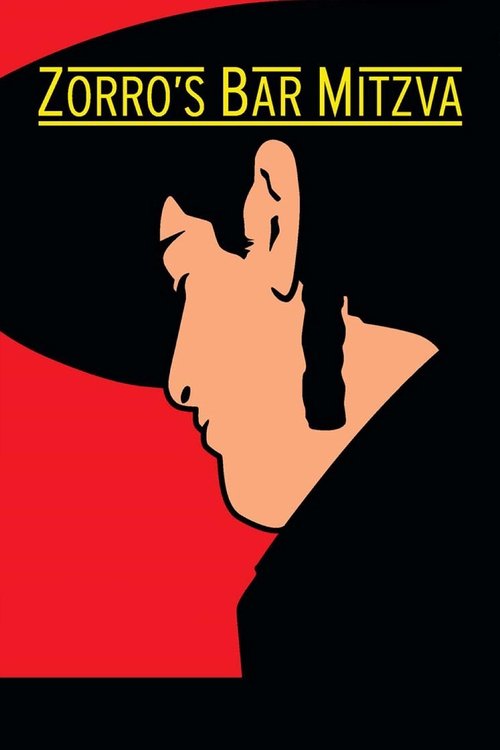
Four 12-year-olds—Sharon, Tom, Moishy, and Sophie—prepare for their bar or bat mitzvot.
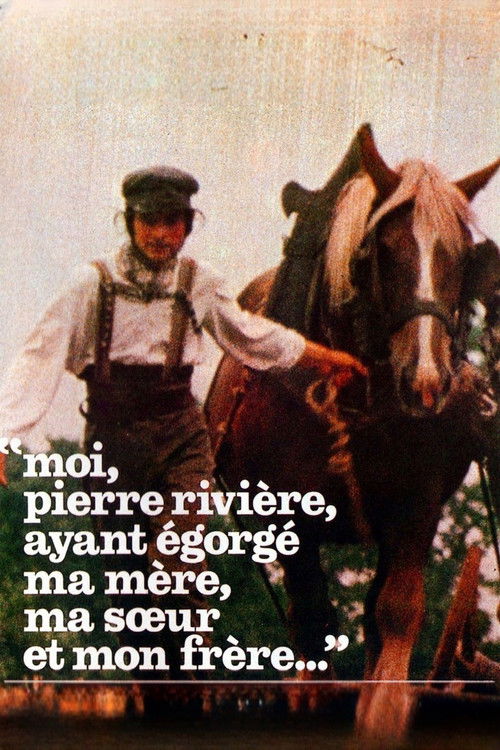
Based on documents compiled by leading French philosopher Michel Foucault, this unique and original film charts the gruesome events which took place in a Normandy village in 1835, when a young man, Pierre Rivière, murdered his mother, sister and brother before fleeing to the countryside. With a cast made up of real-life villagers from the area where the events took place, the detailed re-enactments and careful attention to the gestures of their ancestors serve to create an intense and sometimes disturbing atmosphere of hyper-realism. Details of the crime and of the trial that followed are told from varied perspectives, including the written confession of Pierre himself, and form a rich and complex narrative that interrogates the concepts of “truth” and “history”.
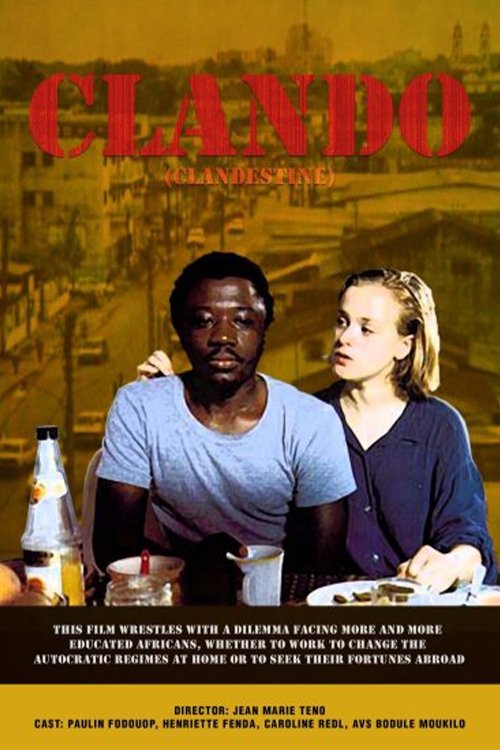
Proud and determined, the hunter set out, leaving behind his village ravaged by a terrible drought. All the villagers came out to wish him well, and everyone gave what he could: an egg, a handful of peanuts or a few kola nuts... As in the folktale, Sobgui, a former computer programmer who now drives a "clando" cab in Douala, flees to Europe to escape a life in Cameroon which has become unbearable. In Cologne (Germany), Sobgui joins a community of African emigrants. Most are hard-working and ambitious people. Sobgui begins a love affair with Madeleine, a German political activist who encourages Sobgui and his friends to return home and fight for change.
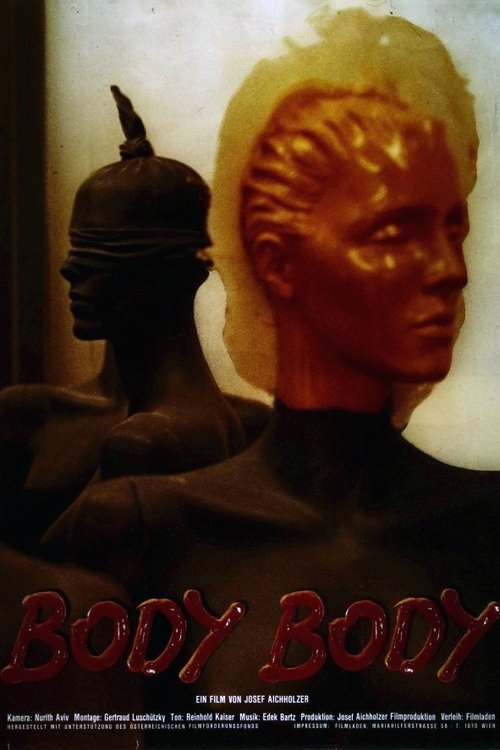
In his film, Josef Aichholzer observes the search for the perfect body, the golden calf of the leisure society: Meditation, sport, medicine or gene technology may be used but the goal remains the same: the individual gets a sense of life, efficiency and recognition from the fitness studio and the operating table. Experiments on genetic methods of selection are carried out under the microscope. The struggle against wrinkled skin, thin legs and flabby bellies is becoming more intensive and successful. The more time a person devotes to his body, the more possibilities he has to perfect it. The human hand seems to have a tight grip on evolution.
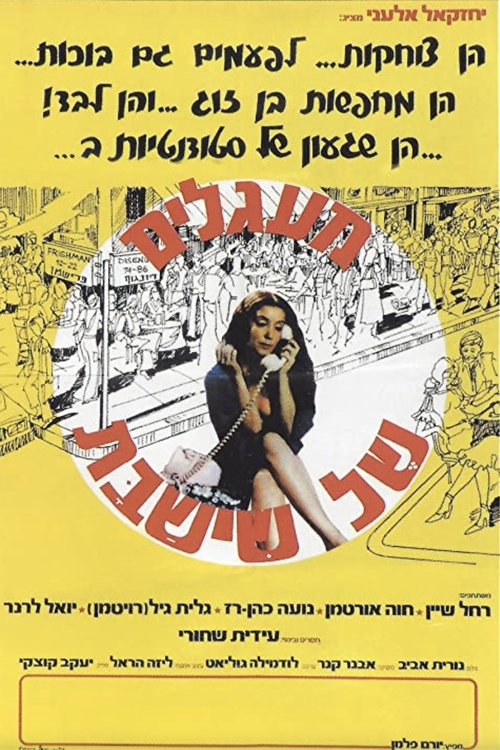
Four young women spend a long weekend in Tel Aviv. Dorit is an outgoing swinger; Tamara is a depressed divorcée; Lior is the experimenting type; and Gili, just released from the army, is the innocent one. They move from a party to a pub and end up swimming naked in the Mediterranean.
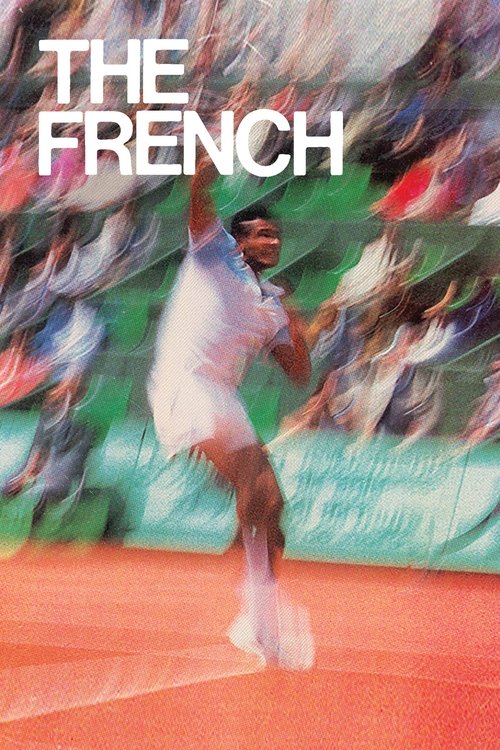
Roland-Garros, 1981: For the very first time, a documentary team is allowed to shoot sequences in the backstage of the French Open of tennis of Roland-Garros. William Klein's camera takes us on the heels of the greatest players of the time: Björn Borg, Jimmy Connors, Ivan Lendl, Chris Evert-Lloyd, John McEnroe, Martina Navratilova, Yannick Noah, Guillermo Vilas... Miles of film. Historical pictures, a thousand and one details, a thousand and one unusual scenes. A declaration of love from a tennis lover.
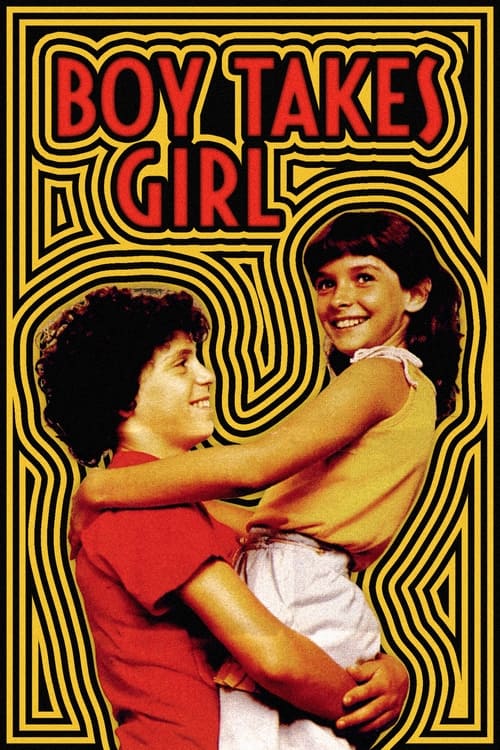
When ten-year-old Aya is left at a kibbutz where children are housed by age instead of gender, not only does she have to get used to dealing with a lot of children, making friends and enemies, she also has to get used to sharing her room with boys... and sharing the showers with them too.
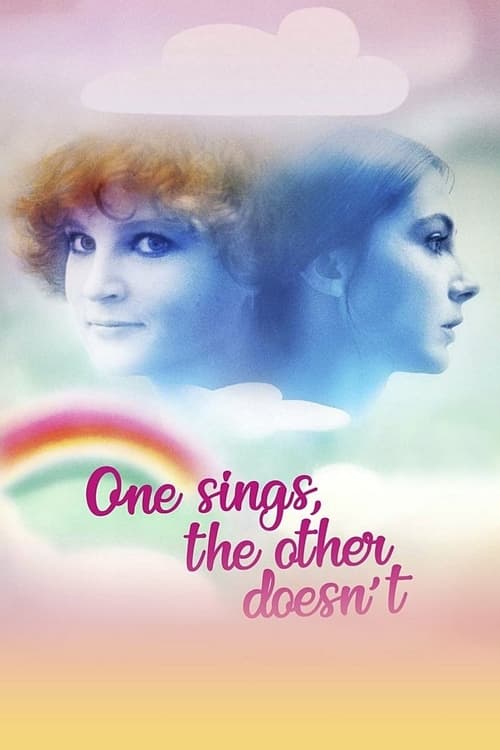
The intertwined lives of two women in 1970s France, set against the progress of the women's movement in which Agnes Varda was involved. Pomme and Suzanne meet when Pomme helps Suzanne obtain an abortion after a third pregnancy which she cannot afford. They lose contact but meet again ten years later. Pomme has become an unconventional singer, Suzanne a serious community worker - despite the contrast they remain friends and share in the various dramas of each others' lives, in the process affirming their different female identities.
Psychiatric patients refer to themselves as survivors, victims, former inmates, consumers, or users. "Nerve" potraits four persons from Vienna and New York expressing different positions and experiences of former psychiatric patients.
An unusual visit to a large, empty apartment. But is it empty or not? Maybe a family has lived there or is going to live there. Maybe a young girl is going to escape from there. Maybe some of the old-timers who lived there never left. The walls themselves tell the stories of the time passing by.
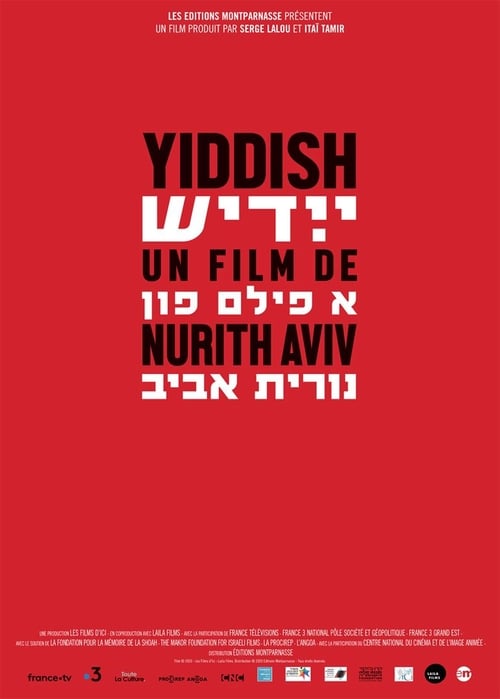
Seven young people tell their personal stories with the Yiddish language while discussing the life and work of avant-garde Yiddish poets.
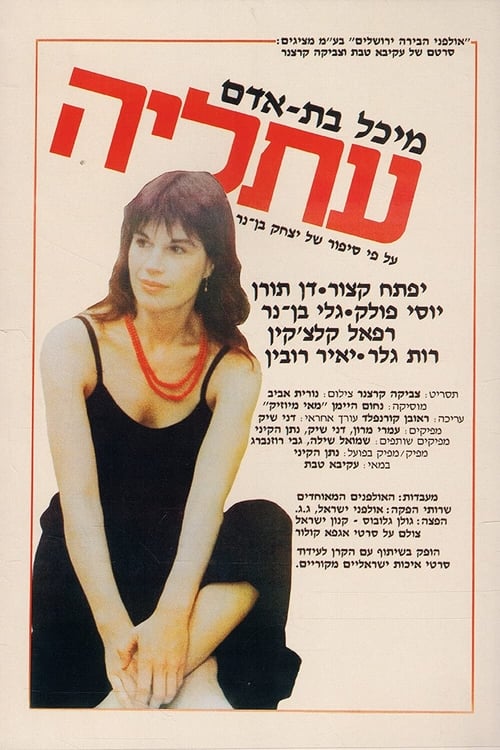
Atalia is a 40-year-old widow who lost her husband in the Six-Day War and lives on a kibbutz with her adolescent daughter. Lonely and feeling outcast, she enters into a forbidden affair with her daughter's classmate, Matti, an idealistic 19-year-old rejected by the army.
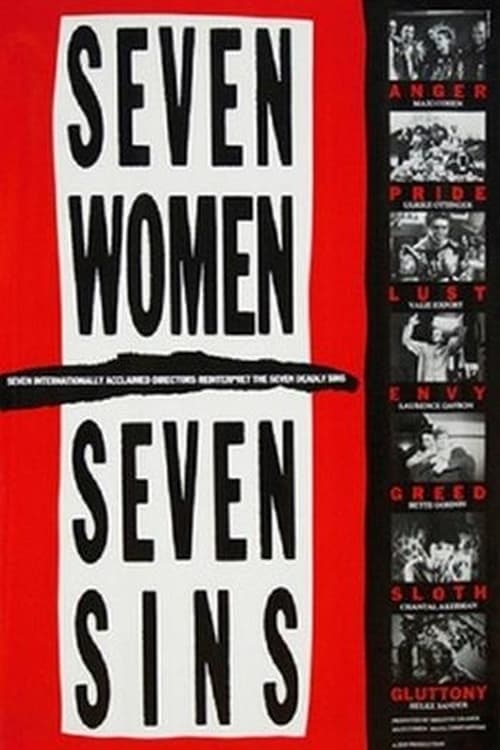
Seven Women, Seven Sins (1986) represents a quintessential moment in film history. The women filmmakers invited to direct for the seven sins were amongst the world's most renown: Helke Sander (Gluttony), Bette Gordon (Greed), Maxi Cohen (Anger), Chantal Akerman (Sloth), Valie Export (Lust), Laurence Gavron (Envy), and Ulrike Ottinger (Pride). Each filmmaker had the liberty of choosing a sin to interpret as they wished. The final film reflected this diversity, including traditional narrative fiction, experimental video, a musical, a radical documentary, and was delivered in multiple formats from 16, super 16, video and 35mm.