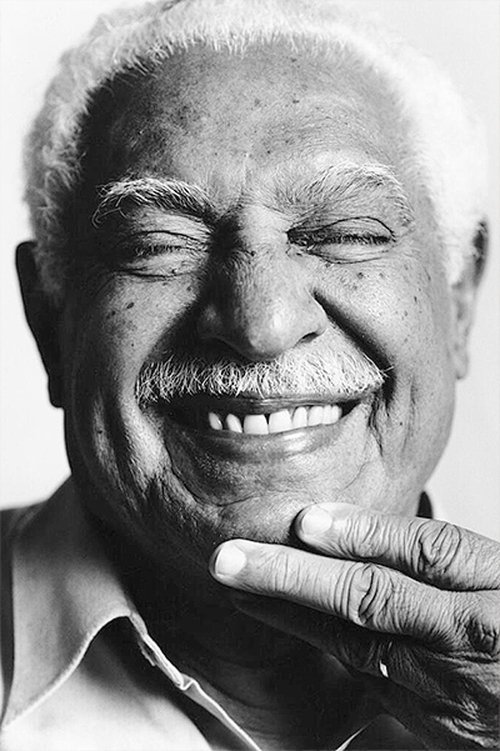
Dorival Caymmi
Acting
Biography
Dorival Caymmi (Salvador, April 30, 1914 – Rio de Janeiro, August 16, 2008) was a Brazilian singer, composer, instrumentalist, poet, painter and actor, active for more than 70 years, beginning in 1933. He contributed to the birth of Brazil's bossa nova movement, and several of his samba pieces, such as "Samba da Minha Terra", "Doralice" and "Saudade da Bahia", have become staples of música popular brasileira. Equally notable are his ballads celebrating the fishermen and women of Bahia, including "Promessa de Pescador", "O Que É Que a Baiana Tem?", and "Milagre". Caymmi composed about 100 songs in his lifetime, and many of his works are now considered to be Brazilian classics. Both Brazilian and non-Brazilian musicians have covered his songs. Ben Ratliff of The New York Times wrote that Caymmi was "perhaps second only to Antônio Carlos Jobim in 'establishing a songbook of [the 20th] century's Brazilian identity." Throughout his career, his music about the people and culture of Bahia influenced Brazil's image in the eyes of both Brazilians and foreigners. Caymmi was married to Brazilian singer Stella Maris for 68 years, and the couple's children, Dori, Danilo, and Nana, are also prominent musicians. Each debuted professionally by accompanying Caymmi onstage and in recordings. In 2014, Caymmi's granddaughter Alice also began a musical career. Caymmi was born in Salvador, Bahia, to Durval Henrique Caymmi, the great-grandson of an Italian immigrant, and Aurelina Soares Caymmi, a native Bahian. He had two younger sisters, Dinahir and Dinah, and a younger brother, Deraldo. His father, a civil servant, often played the piano, guitar, and mandolin at home, and his mother, a housewife, sang regularly. He participated in his church's choir for much of his childhood. At age 13, he left school to work as a journalist at Bahian newspaper O Imparcial. When O Imparcial went out of business two years later, he took up work as a street vendor. Although he never formally studied music, Caymmi taught himself to play guitar in the late 1920s and began to compose, sing, and play his own songs on Bahian radio programs around 1930. He first achieved widespread recognition in 1933, when he composed the song "O Que É Que a Baiana Tem?" ("What Is It About Bahian Women?") for singer Carmen Miranda. In 1936, at age 22, he won a songwriting contest at Salvador's annual Carnaval celebration. His prize was a pink satin lampshade. Despite his early musical success, he moved to Rio de Janeiro in 1938 with intentions to pursue a law degree and to return to working as a journalist. While employed there by the newspaper Diários Associados, he spent his spare time composing and singing songs on the radio show Dragão da Rua Larga. His popularity began to grow with the show's audience. ... Source: Article "Dorival Caymmi" from Wikipedia in English, licensed under CC-BY-SA 3.0.
Known For
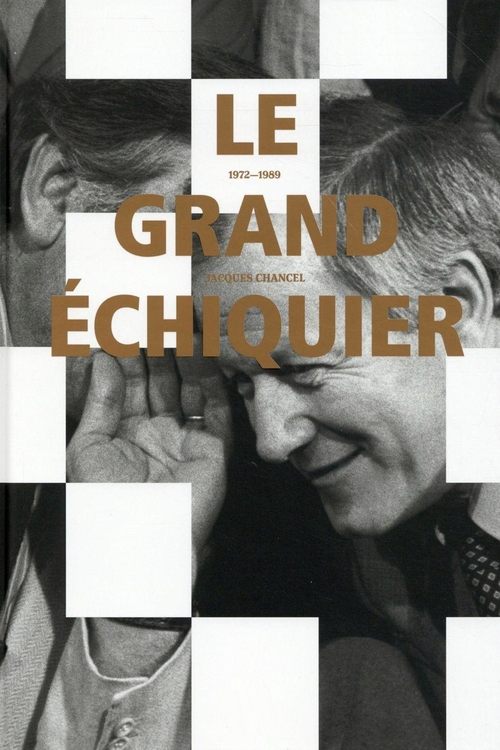
Le Grand Échiquier is a French variety television program created and presented by Jacques Chancel. It aired at 8:30 pm on the first channel of the ORTF from January 12, 1972 to July 12, 1972, then on the second color channel of the ORTF from September 1972 to December 1974, and finally on Antenne 2 from January 1975 to December 21, 1989. The program returned to France 2 on December 20, 2018 and is hosted by Anne-Sophie Lapix.
Le Grand Échiquier
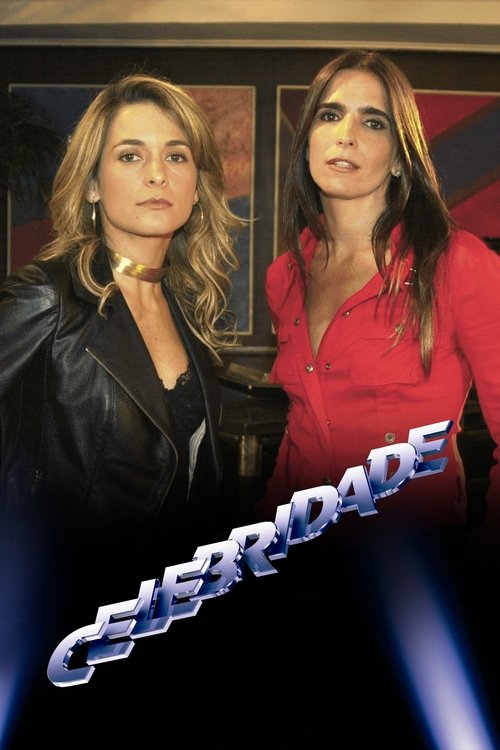
A successful businesswoman in the music industry sees her life fall apart after a young and mysterious woman starts work as her secretary. The scheming girl is totally obsessed by the famous businesswoman and she tries to steal everything from her, including her career.
Celebrity

No description available.
Tenda dos Milagres
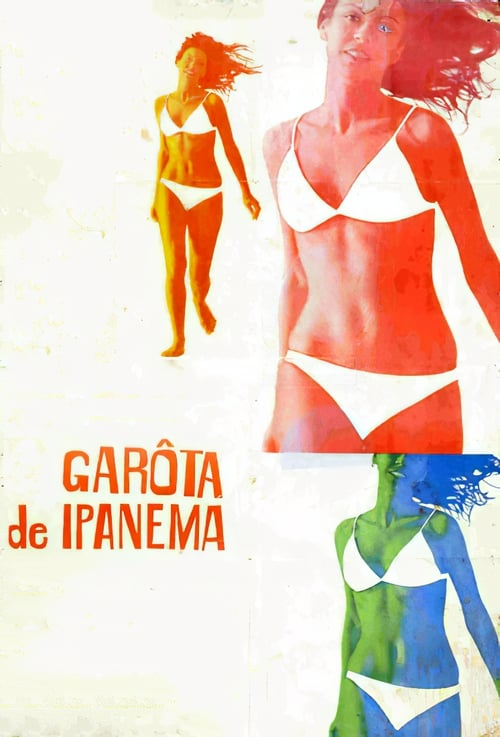
Chronicles the life of a 17 year-old girl living in the upper-class Rio de Janeiro neighbourhood of Ipanema. Márcia lives a life of parties and spend her days among bohemians, musicians and intellectuals. While seeming happy in the outside, she's extremely anguished inside. Based on the famous song by Antonio Carlos Jobim and Vinicius de Moraes.
The Girl from Ipanema

Two dark-comedy stories involving blackmail, murder and love triangles in Rio de Janeiro
Dangerous Game

"Portraits and excerpts from Brazilian films from all times. Actors, directors and images that affirm cinema."
Celebração - 100 Anos do Cinema Nacional
Even the most loyal admirer of Tom Jobim, the most documented Brazilian artist throughout the world, cannot imagine the surprises he will encounter in this film. It contains previously unreleased pictures and images captured for 15 years by Ana Jobim, his wife, that show details of the life and work of Tom Jobim. Shot in New York, Rio de Janeiro and the family ranch in Poço Fundo, the film shows his intimacy with his children, the birth of important songs, parties at home with other musicians, and even a unusual Jobim in pajamas, in an “expedition” in the woods. “When someone visits the intimacy of a great artists, possibly the distance between him and the myth is felt to be smaller. For me it is the opposite; the distance becomes greater and I have more conscience of the myth”, says Ana.
A Casa do Tom: Mundo, Monde, Mondo
The life of Brazilian actress Odete Lara, muse of the movement called Cinema Novo in Brazil, who exchanged stardom for a quiet and religious life.
Lara
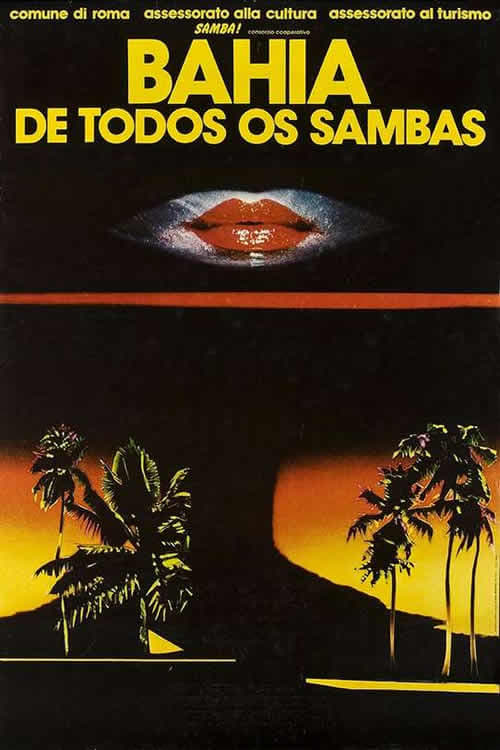
Between August 23 and 31, 1983, at the "Circo Massimo", in Rome, there was a musical event that brought together artists from Bahia. This film brings a recording of the event, also featuring backstage, rehearsals, testimonies and some relaxing moments of these great names in Bahia's music.
Bahia de Todos os Sambas
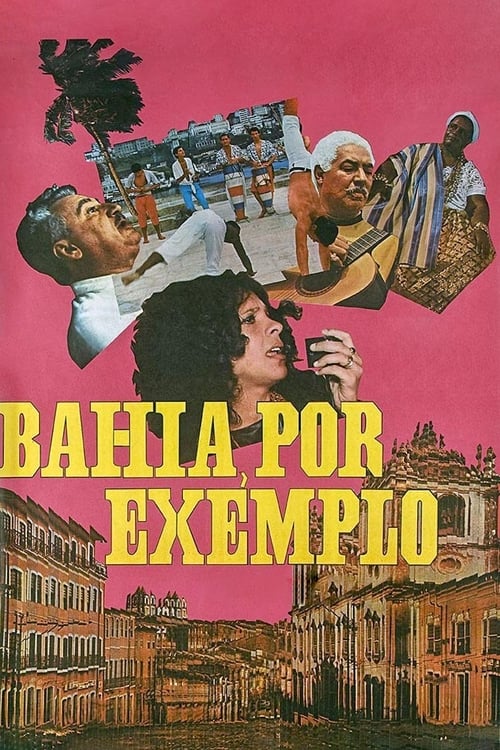
Through folklore manifestations and diverse artistic expressions, the film is a document that exalts and honors the Bahian culture.
Bahia, For Example
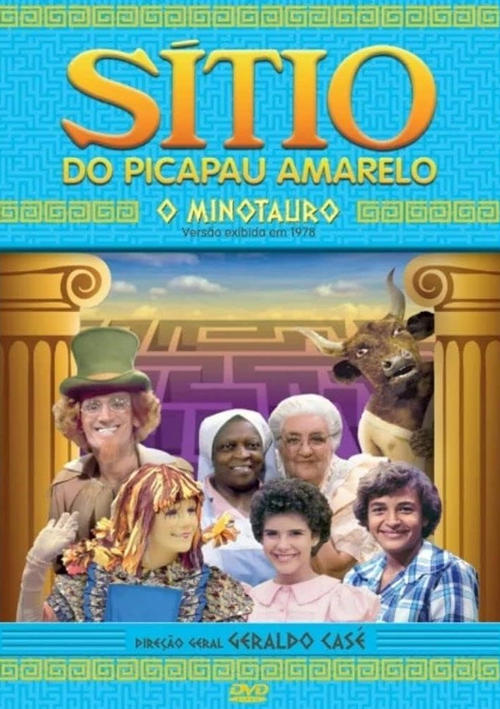
At Pedrinho's request, Dona Benta begins to tell the legend of the Minotaur. In the middle of the story, a strange visitor appears on the farm and takes Aunt Natácia to some unknown place. Upon discovering that she was kidnapped by the Minotaur, the whole gang goes on an adventure to try to save Aunt Nastácia. And that's when the fun begins.
Sítio do Picapau Amarelo: O Minotauro

The film reveals the creation of poet Dorival Caymmi's musical works with testimonies from researchers, journalists and friends who lived with him and were able to enjoy his wisdom and talent.
Nas Ondas de Dorival Caymmi

The friendship between Jorge Amado, Dorival Caymmi, and Carybé, artists who were largely responsible for creating an image of the culture of Bahia that persists to this day, and who believed that the strength of their work lay in documenting what they saw on the streets.
3 Obás de Xangô
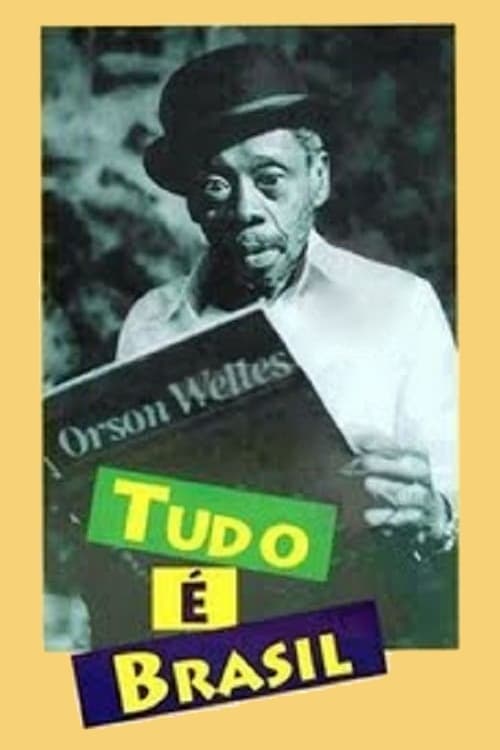
A film essay about Brazil discovered through Orson Welles' eyes during the shooting of It's All True.
It's All Brazil
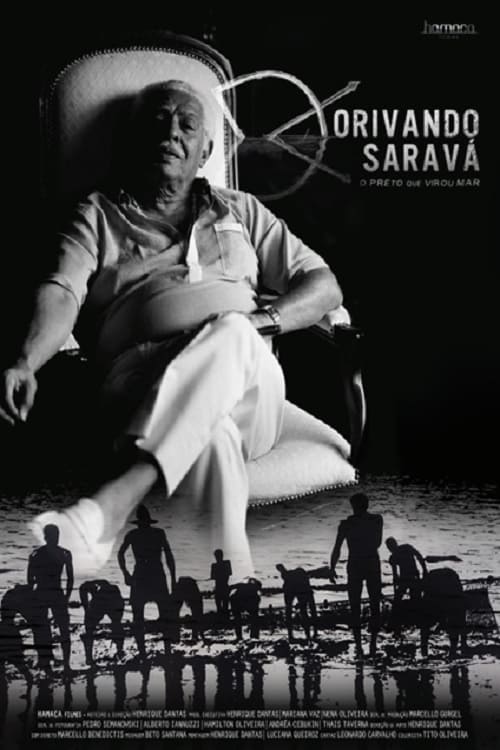
Singer, composer, actor and painter, Dorival Caymmi was a multiple artist, but what they may not know is his pioneering work in introducing candomblé into Brazilian popular music. Recreating in a poetic way concepts present in Caymmi's work and life, the documentary revelation of the artist from his own lines, mined in old magazines.
Dorivando Saravá, o Preto Que Virou Mar
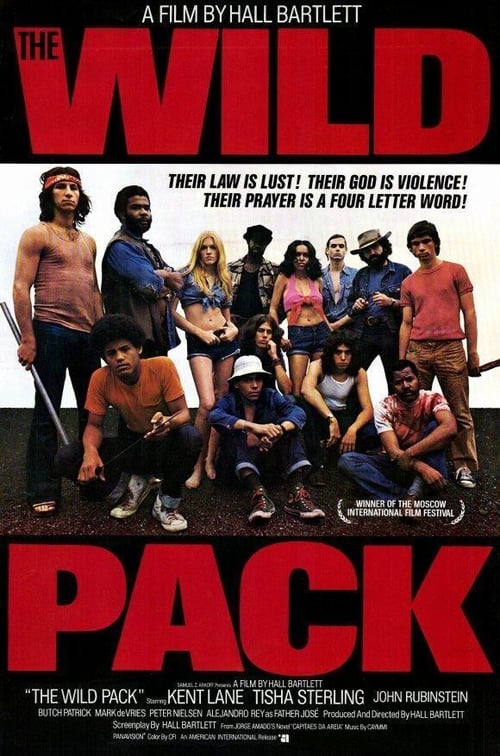
Inspired by the classic novel by Brazilian cultural icon Jorge Amado, this is the story of a gang of homeless children lead by Pedro Bala. Set in Bahia, the film follows the adventures of Bala's gang of under aged outlaws as they steal, rape, find love, "capoeira" (a Brazilian form of martial arts) and African-Brazilian religion.
The Sandpit Generals
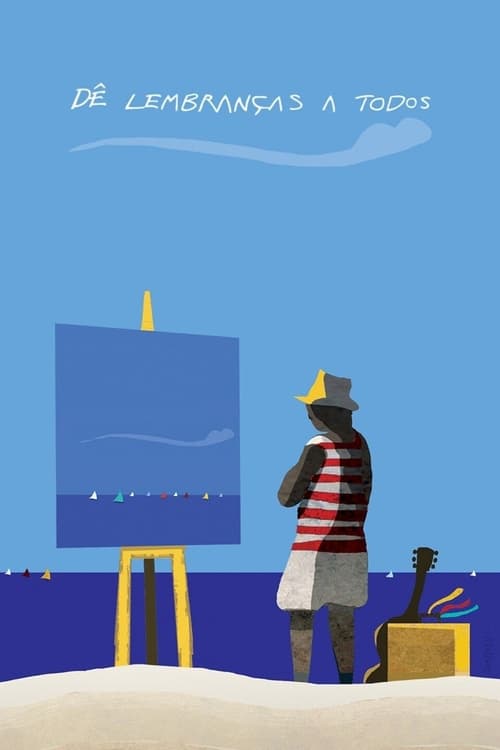
Dorival Caymmi was one of the inventors of the Bahian imagination. In his 94 years of life, Caymmi composed, sang, wrote, illustrated and thought about his Bahia, even far from it. His family, partners, friends and fans remember his history, which made him one of the pillars of Brazilian culture.
Dê Lembranças a Todos
Creative documentary on multi-faceted Brazilian musician Radames Gnattali
Nosso Amigo Radamés Gnattali
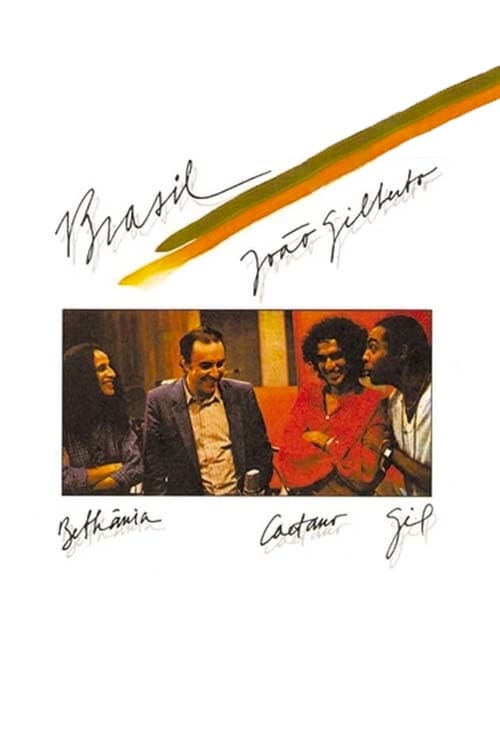
João Gilberto receives Caetano Veloso, Gilberto Gil and Maria Bethânia during the recording of his album Brasil.
Brasil

No description available.