Directing
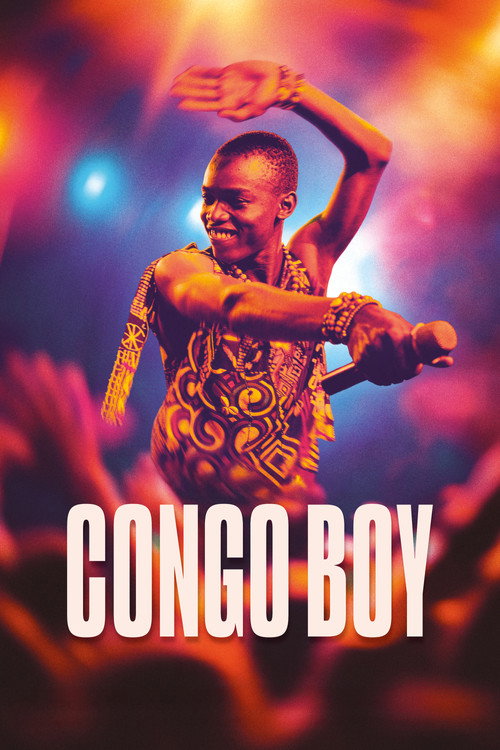
Bangui, Central African Republic. 17 year-old Robert dreams of a career in music, but civil war is tearing the country apart. When both his parents are thrown into prison, he is left to look after his four younger siblings on his own, juggling daily life, odd jobs, school exams and concert stages, determined to follow his dream.
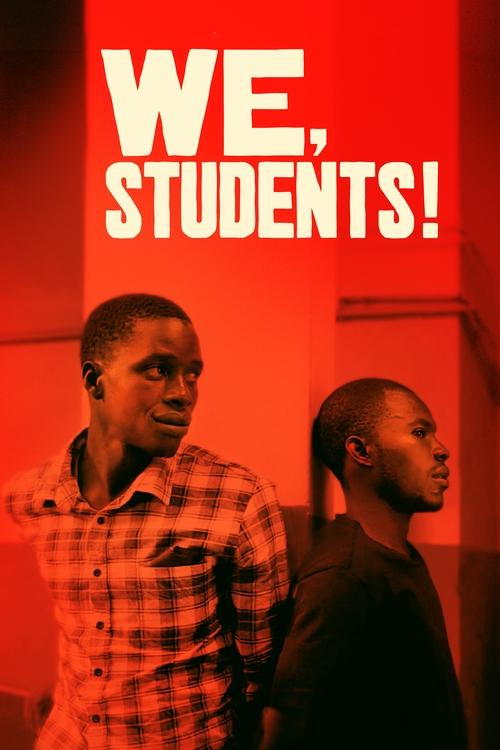
Nestor, Aaron, Benjamin and Rafiki are economics undergraduates at the University of Bangui. Navigating between the overcrowded classrooms, the petty trades that allow students to survive, bribery lurking everywhere, Rafiki shows us what students lives are like in the Central African Republic, a shattered society where the youth keeps dreaming for a brighter future for their country.
No description available.
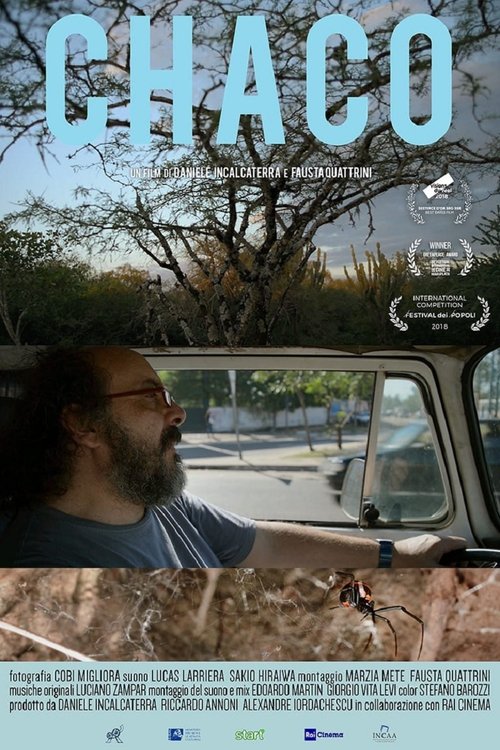
An Italian descendent inherited 5000 hectares of virgin forest in Chaco Paraguaio. He tries to stop deforestation to intensive farming and livestock, while advocating for native Guaraní Nandevas.
The situation in Bolivia is a microcosm of the dramatic tensions caused by drug production and consumption. On one side, the traffickers and politicians of course, but also the peasants, ex-miners, unemployed for whom the drug economy is the only rampart against starvation and absolute misery, on the other, the technicians, aid workers and foreign experts who are attempting to persuade the peasants to drop drug production. North-South relations in a nutshell.
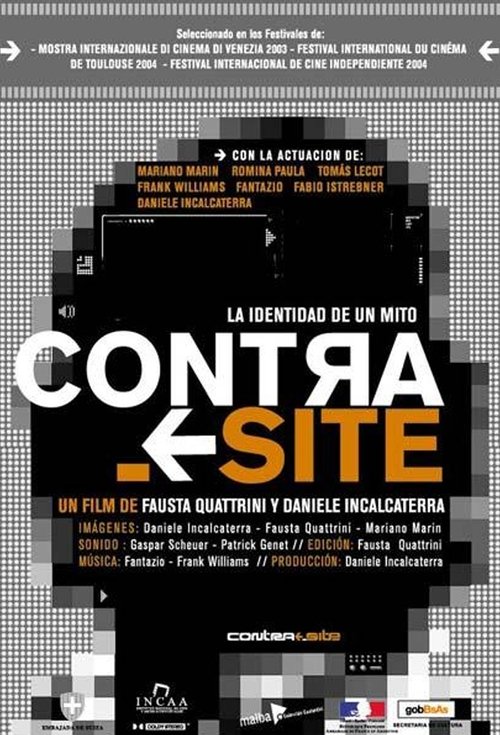
In a Bolivian village, a filmmaker, a videographer, and a cyberman film what is happening around the search for a mass grave. Images taken from three different and divergent perspectives converge on the web to tell the story of the end of the 1960s utopia.
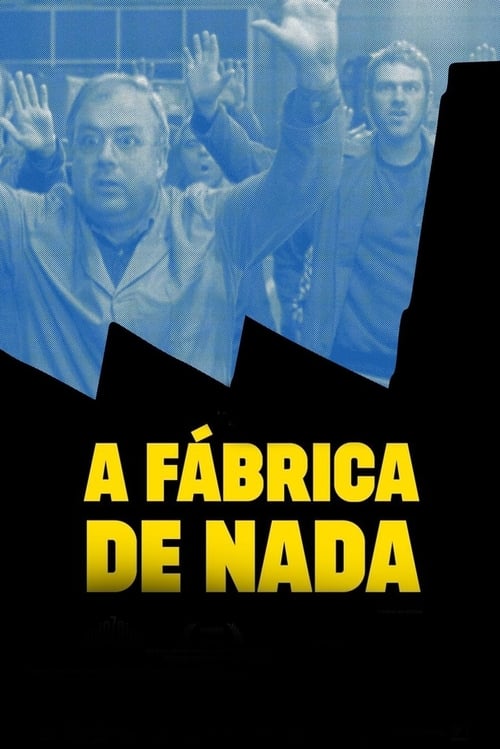
One night, a group of workers realises that the administration is stealing machines and raw materials from their own factory. As they organize to survey the equipment and block the relocation of production, they are forced to stand at their posts with no work to do, as a form of retaliation, while negotiations over general lay-offs take place. The pressure leads to a breakdown of the workers along with the world around them.
Filmmaker Daniele Incalcaterra was left 12,355 acres of land in the Chaco by his father, but when he decides, through a combination of altruism and frustration, to return his untouched land to the indigenous people, tensions begin to run high. Battling against GM soybean growers, as well as cattle ranchers and oil prospectors, Incalcaterra forms his own motley posse to help preserve this beautifully rugged piece of forest forever.
In the province of Neuquén, in Argentine Patagonia, workers at the Zanon ceramics factory opposed their employer's layoff plan, which included laying off more than half of their workforce to avoid permanent closure due to the crisis. In October 2001, the workers took over the factory and have since continued production without a boss. They thus demonstrated that it is possible, in times of crisis, to offer work to others and contribute to the continued solidarity of society when the State fails to provide solutions.
The Mapuce are a native people of Patagonia, repository of a very ancient oral culture, for whom the territory is not an "attribute", but a constitutive element of their identity. In this sense, they fight for the Argentine State to respect the National Constitution of 1994 that "guarantees the possession of the lands that [the native peoples of the country] traditionally occupy."
A team of forensic anthropologists trying to identify three bodies that may belong to members of the Manfil family is drawing on various testimonies from survivors of that family.