
Manfred Neuwirth
Directing
Known For

Film ist. 1-6 is an avant-garde collage from Gustav Deutsch, using found footage from various scientific films to explore the properties, impact and nature of film.
Film Is. 1-6
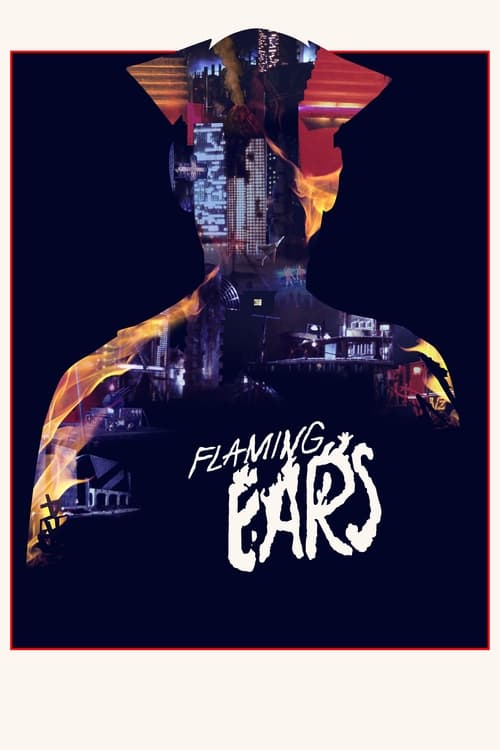
In the year 2700, a comic book artist encounters a mysterious alien while seeking revenge against the pyromaniac who burned down her printing presses.
Flaming Ears
Composed of 28 static-camera scenes from everyday (occupied)-Tibetan life, each picture (without narration) a "narrative" lasting several minutes, these 28 views explore the contradictions between the traditional way of life and modernism's obvious invasion of Tibet.
Tibet revisited
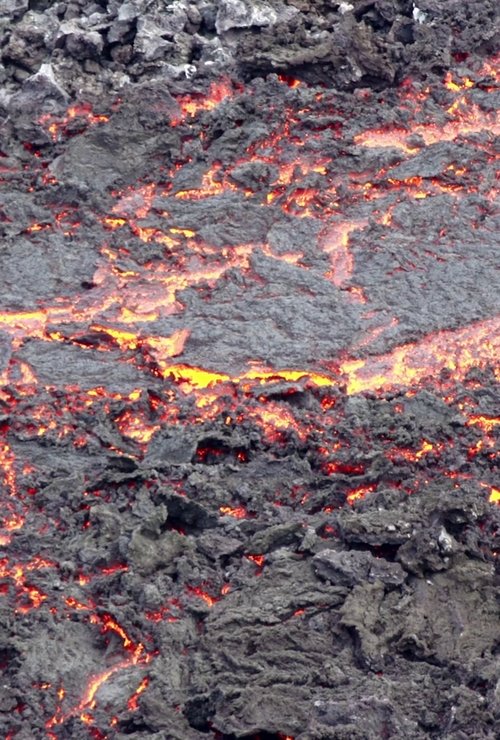
A volcano’s eruption in Iceland as both a familiar, and a dramatic event – a fascinosum of movements, colours, forms and sounds.
Lava Flow
No description available.
Asuma
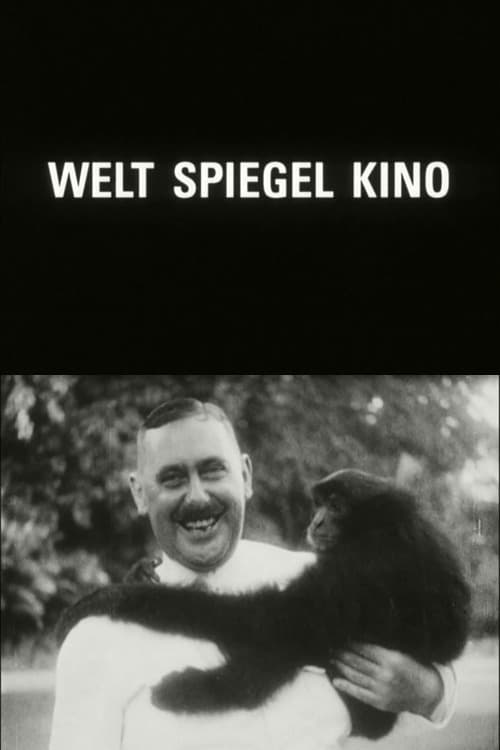
In Gustav Deutsch's most recent found footage work the masses "absorb" (Walter Benjamin), the artwork. Three historical camera pans across the streets and squares of Vienna, Surabaya, and Porto provide a starting point for reflection on the relationship of everyday stories and cinematic machinery.
World Mirror Cinema
No description available.
The End of the Gang of Four
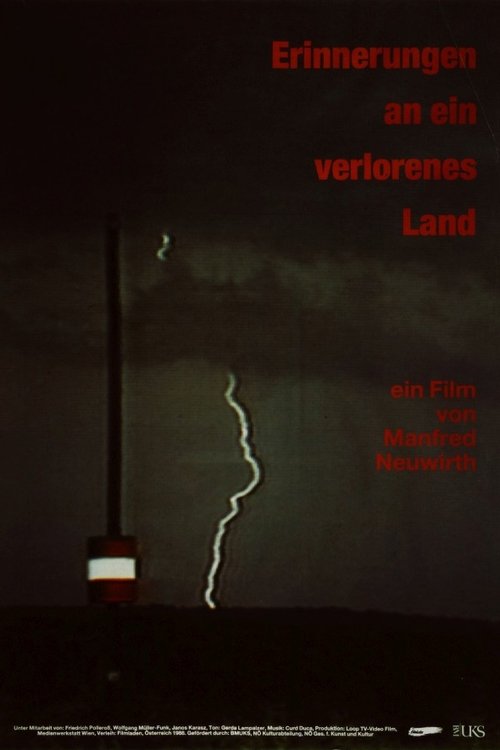
Restricted area in the middle of Lower Austria's Waldviertel region: Allensteig military training area: on the map, a patch mostly shaded in red. The little-known history of this landscape of ruins begins in 1938, when, in the wake of the annexation by Hitler's Germany, the area was declared a military training ground. As a result, more than 40 villages were resettled between 1938 and 1942.
Erinnerungen an ein verlorenes Land

Manfred Neuwirth’s Scapes and Elements presents the viewer with a series of five panoramas of nature – five prolonged glimpses of open landscapes. One sees, hears, thinks: Neuwirth’s standards are rigorous, paying close attention to the precision of composition and timing.
Scapes and Elements

The third part of Neuwirth's [ma] Trilogy.
Magic Hour

The filmmakers seek out experts and amateurs in the field of the supernatural and ask them to explain the methods by which they make contact with the "cosmic information web". In their search for "units of sense" in the chaos, the researchers use, interestingly enough, those techniques which are presently central to popular culture - de-construction, sampling and scratching.
Paranormal
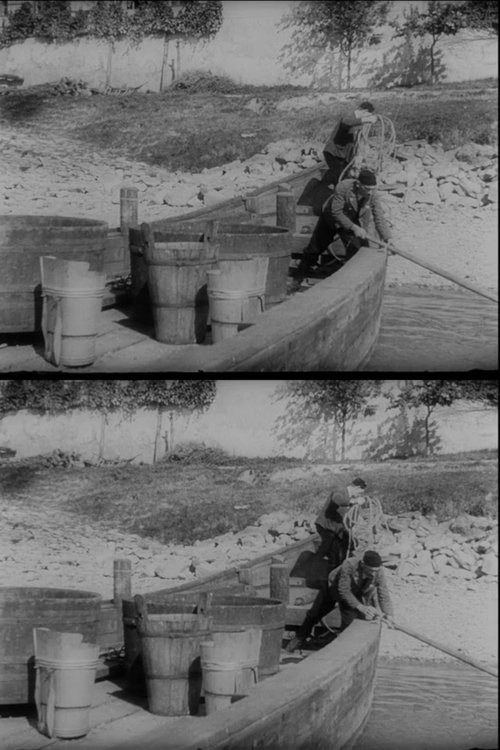
In "Wachau", Manfred Neuwirth reformulates a documentary film about the grape harvest by isolating 15 moments from the original, slowing them down extremely and arranging them strictly symmetrically on the screen in quadruplicate. One by one - bottom left, top left, top right, bottom right - the image gently fades in until it can briefly be seen in all four positions, then just as gently fades out again in the same order.
Wachau
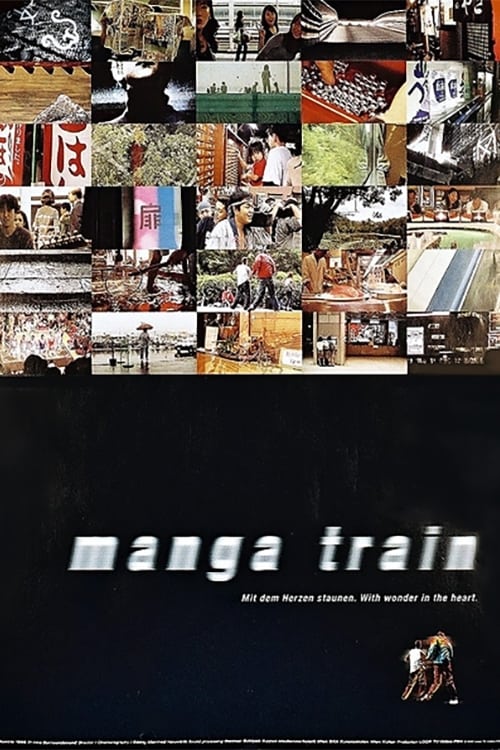
Slow-mo video art piece shot in Japan.
Manga Train
Snow is. It alights and blankets the landscape, transforming it into a mythological scenery. Everything sounds differently: steps, children's jolly laughter, bells chiming in a distance, the public announcer at a ski race, even silence. Snow scrunches under the feet, and, after all, one moves differently: on skis, on a snowboard, on snowshoes, or on a sleigh, in a cable car, or, slower than normally, in a car on a slippery road. Being indispensible for the tourist industry, snow produces a linguistic paradoxon: snow guns to secure snow. Snow/Schnee explores the Semmering region in Lower Austria in 23 deep winter motifs: a film to listen to, a soundscape to see.
SNOW | SCHNEE

A personal audio-visual notebook from Tibet (1988-95). The everyday things, the breathtaking light, the enjoyment of the common, the second look, the love for the detail, memories.
Tibetan Recollections
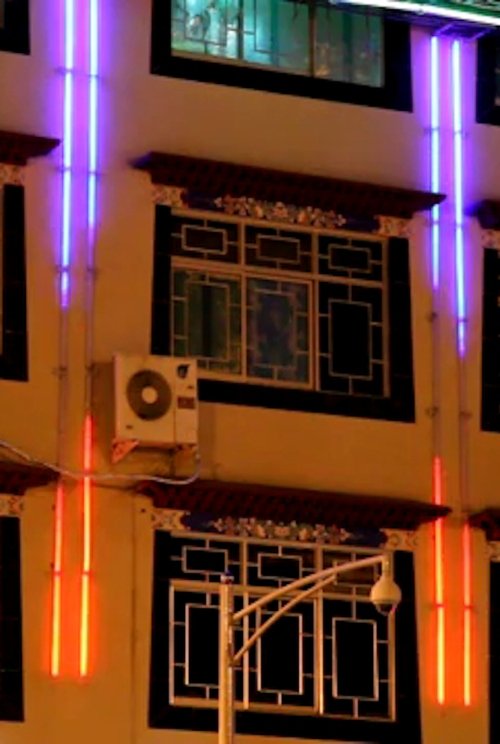
Manfred Neuwirth’s “Lunar Society“ is a little city symphony of only four minutes of length: a music video accompanying the song of the same name by Viennese band Modell Doo. The Lunar Society of Birmingham, founded in 1765, was a circle of scholars who only met at full moon to be able to get home afterwards with a little light in the streets. Quite in spirit with the intellectual lunarticks of the 18th century, “Lunar Society“ celebrates the various dances of light, water, and colour.
Lunar Society

Pictorial and acoustic notes from an extraordinary place on the coast of Northern Peru. Lobitos – an outpost with its particular share of history. It was controlled by British oil producers for most of the twentieth century, before being taken over by the Peruvian state in the late 1960s to set up a military base. After waves of dilapitation and revitalization it is today a surf spot, a fishing hamlet, a Potemkin village of sorts. All quite absurd, yet with a wealth of ambiences and pictorial sceneries. Incidentally, it was here that the first cinema in South America was opened, of which only a few remnants can be found on the ground next to the church.
By the Sea
A documentary film on the taboo subject of Aids. In the foreground stand five people whose lives have been taken many different directions because of Aids. They tell of the experiences which they or others have had with the disease. The "topic" is not the important thing, rather the situation in which the environment confronts one with resistance - often enough in the form of negative experiences - rather than mysteries. These experiences do not require definition or inclusion in a discussion which demands distance between the way of considering and the concept of the disease.
Vom Leben Lieben Sterben
Structural documentary about a village in Austria.