
Fernando Ustarroz
Acting
Known For

La que se avecina is a Spanish television comedy created by Alberto Caballero, Laura Caballero and Daniel Deorador. The TV-series focusing around the inhabitants of Mirador de Montepinar, a fictional building located on the outskirts of a big city. Both its storylines and cast are heavily based on Aquí no hay quien viva, which ended when Telecinco bought Miramón Mendi, the series production company. The episodes debuted on the Telecinco network, and were later rerun by the same network as well as cable/satellite channels FactoríaDeFicción and Paramount Comedy. The series debuted in 22 April 2007 and became popular thanks to its funny characters, witty script, use of catchphrases and capacity to integrate and poke fun at contemporary issues; the program presents a caustic satire of many of the 'types' found in Spanish society. The name of the show involves wordplay, as "vecina" is the Spanish word for neighbour.
La que se avecina

In 1920s Madrid, four women at the National Telephone Company ring in revolution as they deal with romance, envy and the modern workplace.
Cable Girls

Charting the life of Isabella I of Castile, one of the most important women in Spain’s history, Isabel follows her passionate story from childhood to being crowned Queen. From her political struggles within King Henry IV's court to her wedding to Ferdinand of Aragon, the drama encapsulates the passions, emotions and sacrifices of a woman who refused to just be a figurehead and whose outlook was ahead of her time.
Isabel

17-year-old Ainara is a student at a Catholic secondary school, and is about to take her final year exams and choose her future university course. To everyone’s surprise, this brilliant young girl announces to her family that she wants to take part in an induction period at a convent in order to embrace the religious life. Nobody was expecting this. While her father seems to be won over by his daughter’s aspirations, for Maite, Ainara’s aunt, this unexpected vocation is the manifestation of a deeper problem.
Sundays

Set in early 18th-century Madrid, the plot follows the love story between an agoraphobic cook and a widowed nobleman.
The Cook of Castamar

Zoe Walker leaves her quiet life behind to investigate her brother's disappearance in Ibiza, where she quickly heads down a decadent and dangerous path.
White Lines
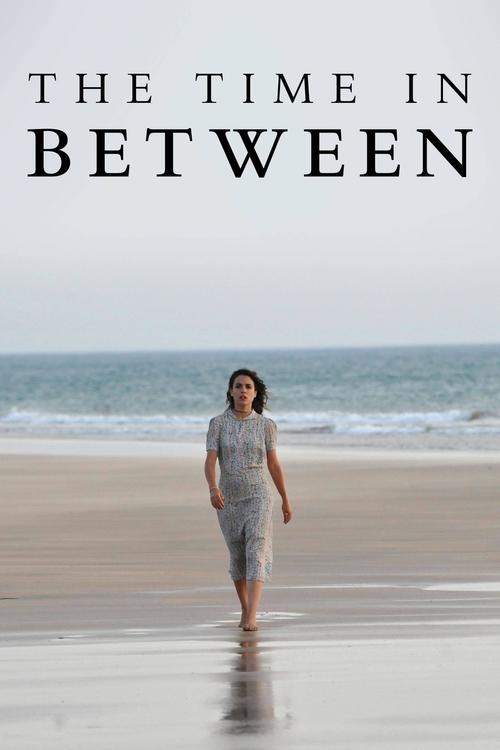
Sira Quiroga is a young Spanish dressmaker engaged to a solid suitor when a suave typewriter salesman upends her life. Spain is being upended by a civil war and the new regime's growing alliances with Nazi Germany. Sira, smart, gutsy and resourceful with a Scarlett O'Hara-like ability to whip up designer duds on a moment's notice, Sira has spunk. Sira gains and loses a small fortune, is dumped by her cad of a lover in Morocco, runs guns to get the cash to start her life anew and becomes couturier to the Nazi wives stationed in Madrid. Urged on by her friend, the real-life British spy Rosalinda Fox, Sira, too, aids the British cause.
The Time in Between

No description available.
Círculo rojo
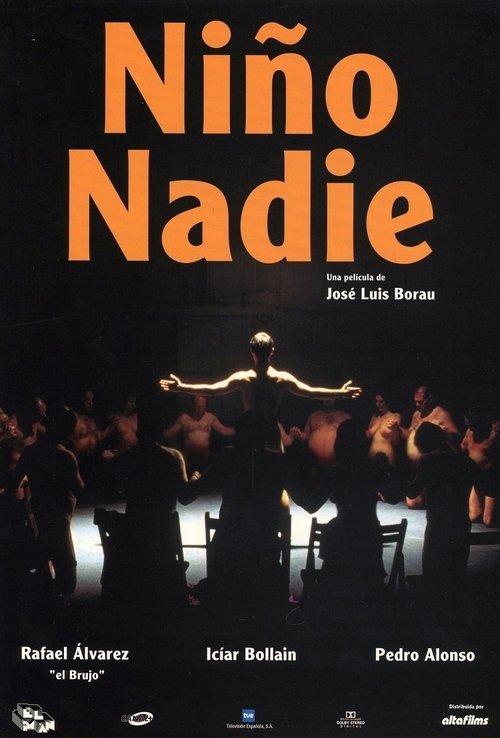
Unbenownst to a middle-aged teacher of handicapped children, his long-term suffering girlfriend is pregnant with his child. The film philosophically explores the ideas of free will and destiny as they relate to the characters and their life choices.
Niño nadie
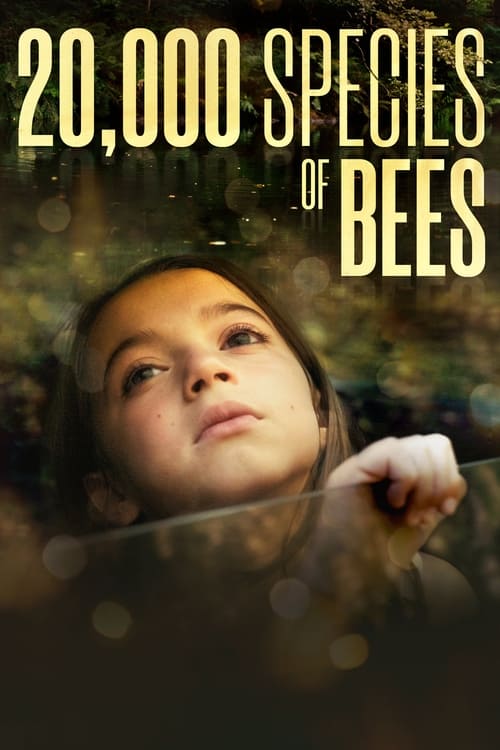
Lucía is an eight-year-old girl, who sometimes struggles as the world tries to catch up with the fact that she is trans. As the summer holidays pass, she explores her femininity alongside the women of her family who at the same time reflect on their own femininity.
20,000 Species of Bees

Two young Spanish men, with a university education, are tired of unemployment and decide to move to Germany. But soon they will find out that finding a better living is not as easy as they expected.
Off Course

Follows the Díaz-Aguirre family, whose perfect universe turns upside down after the death of the patriarch, who in his will asks his wife to recover the 'Sardinete', his first fishing boat which is rusting in a Moroccan port.
A Moroccan Affair

Four thirty-somethings with dreams to achieve, after their respective personal failures, find refuge in the home of a social misfit. They soon realize that this apartment and these relationships are an opportunity to rebuild their world.
After The Defeat

The residents of an isolated town look to revive their home's identity when a group of foreigners unexpectedly arrive, bringing culture shock with them.
A Remarkable Tale

A trigger-happy Nationalist fears retribution from the son of a man he executed. To mollify the boy's anger, he takes a drastic step: he keeps constant watch over the fig tree the boy has planted at his father's gravesite. As the years pass, the man's lonely vigil makes him a tourist attraction, much to the chagrin of his former colleagues.
The Bastards' Fig Tree

What begins as an ordinary board in a traditional apartment building to vote the renewal of the elevator, turns into an unexpected debate about the limits of pacific coexistence.
All in Favor

The flash of socialism that once lit Spain.
The world that was (and that is)
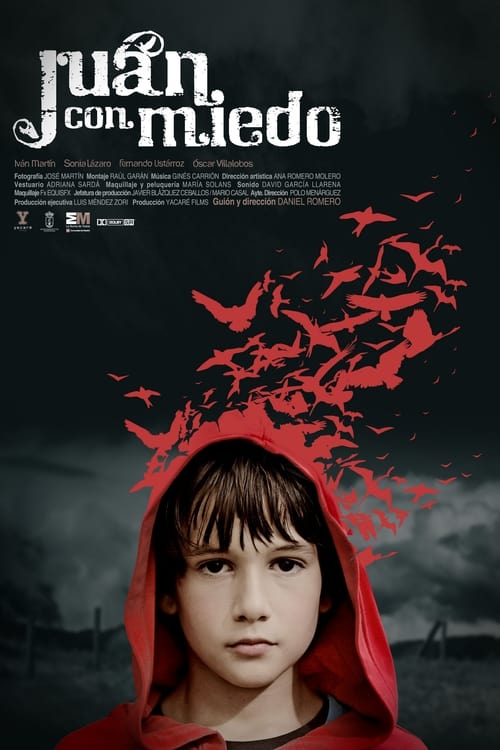
During the holidays at his grandparent's village, John meets Mary, a mysterious girl who tells the terrifying legend surrounding the peasant's old house. John, unlike the character in the tale, is fearful. Mary is not.
Fearful John
David comes from the future to relive, together with Nina, the day they met.
Not the End
No description available.