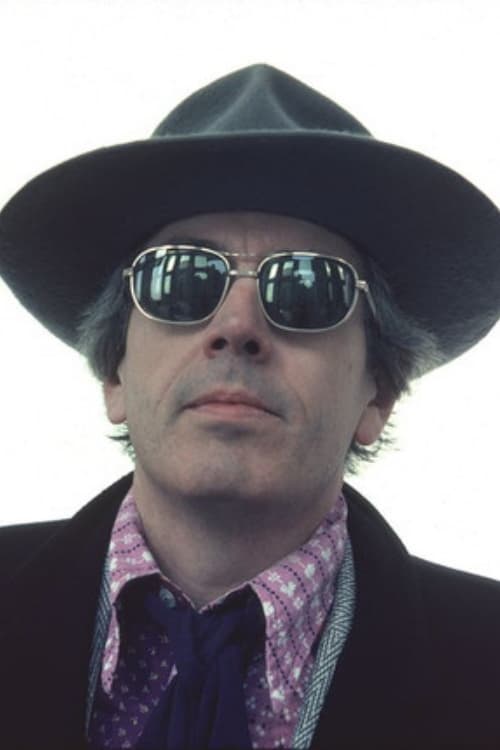
Robert Ashley
Acting
Biography
A distinguished figure in American contemporary music, Robert Ashley holds an international reputation for his work in new forms of opera and multi-disciplinary projects. His recorded works are acknowledged classics of language in a musical setting. He pioneered opera-for-television. Born in Ann Arbor, Michigan on March 28, 1930, Robert Ashley was educated at the University of Michigan (Mus.B., 1952, Music Theory) and at the Manhattan School of Music (Mus.M., 1954, Piano and Composition.) From 1957 to 1960 he continued to study Composition and Acoustics at the University of Michigan’s Speech Research Laboratories (psycho-acoustics and cultural speech patterns), and was employed as a Research Assistant in Acoustics at the Architectural Research Laboratory. During the 1960s, Ashley organized the ONCE Festival, the annual festival of contemporary performing arts in Ann Arbor which, from 1961 to 1969, presented most of the decade’s pioneers of the performing arts. In 1980, the Kitchen (New York) commissioned Perfect Lives, an opera for television in seven half-hour episodes. After developing the opera in live tour performances throughout the US, Canada and Europe, Perfect Lives was co-produced with Great Britain’s arts network, Channel Four. First broadcast in Great Britain in April 1984, Perfect Lives has since been seen on television in Austria, Germany, Spain and the United States and has been shown at film and video festivals around the world. It is widely considered to be the pre-cursor of “music-television.” Robert Ashley is the subject of a film by Peter Greenaway, one of a series entitled Four American Composers, Transatlantic Films (London) and Mystic Fire Video (New York). Burning Books (Santa Fe) with Archer Fields (New York) published Perfect Lives, October 1991. Music with Roots in the Aether was published by MusikTexte (Cologne). Ashley’s book Outside of Time: Ideas about Music, was published by MusikTexte in 2009. Kyle Gann’s biography of Robert Ashley was published by the University of Illinois Press in November 2012. Ashley died on March 3, 2014. (Source: http://www.robertashley.org/)
Known For
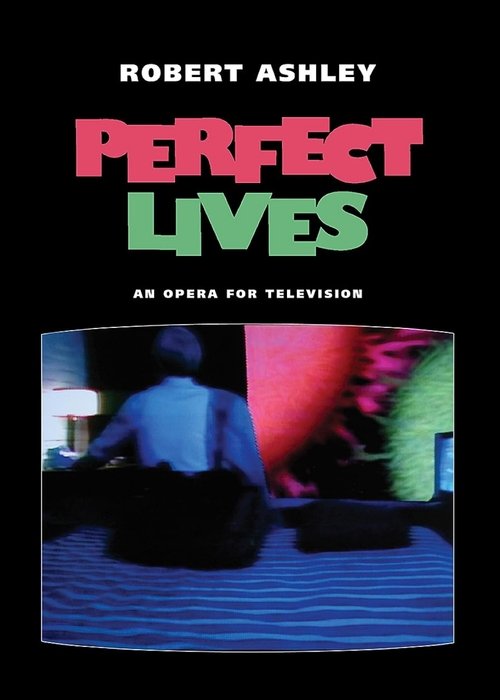
Set in the American Midwest, Perfect Lives is “about” bank robbery, cocktail lounges, geriatric love, adolescent elopement, the changing of the light at sundown, et al. One of the definitive text-sound compositions of the late 20th century, it has been called "the most influential music/theater/literary work of the 1980s".
Perfect Lives
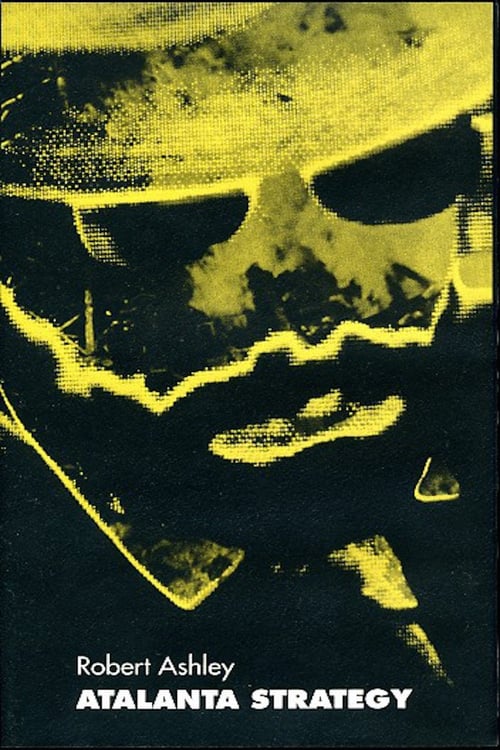
The story of Willard from Ashley's opera Atalanta, recounted in 3 parts.
Atalanta Strategy
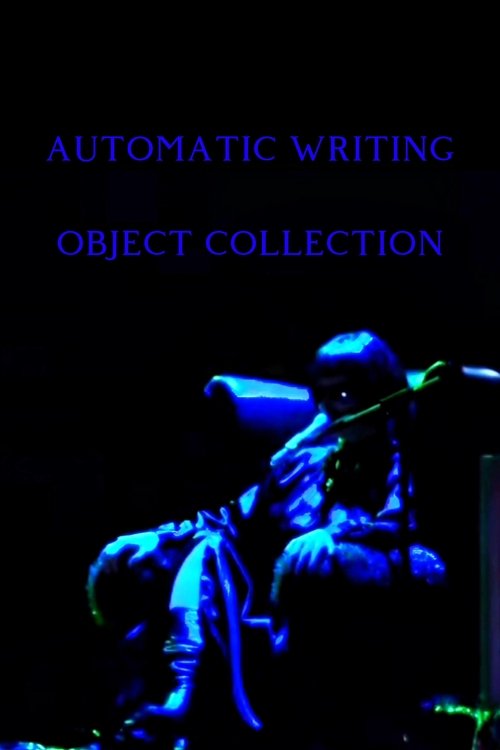
Automatic Writing transforms involuntary speech into an ambient soundscape, conjuring four spectral musical "characters." Object Collection reimagines this on a stage of flickering monitors and shifting light, weaving a dense, ephemeral sound world—less a recreation, more an elusive, living mirage.
Automatic Writing
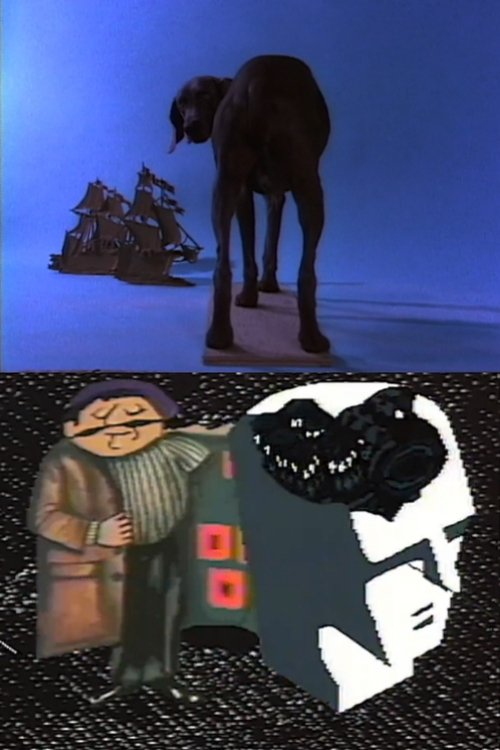
Video art show presented at the 1991 Broadcast Designers Association convention. Includes work from: Robert Ashley, Robert Breer, Peter Callas, Christen Clark, Sumit Das, Ed Emshwiller, John Hart, Jon Klein, Lyonel Kouro, Maureen Nappi, Paul Garin, Amy Greenfield, Nam June Paik, Mark Pellington, M. Rawlings, John Sanborn, Dan Sandin, William Wegman, Dean Winkler. Major contributions include "MAJORCA-fantasia", "Sunstone", "Welcome to My Living Room" and "Neo-Geo: An American Purchase", as well as excerpts from "Perfect Lives".
Frames for Seconds
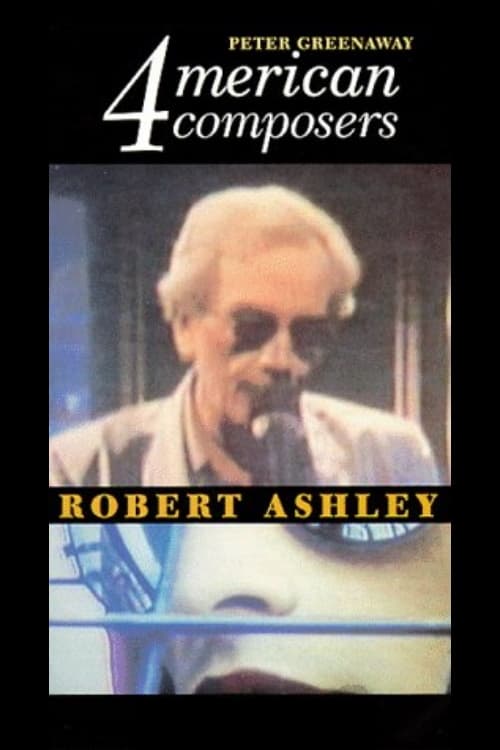
A television documentary produced for British Television directed by Peter Greenaway.
Four American Composers: Robert Ashley
In 1975 the composer Robert Ashley embarked on an ambitious work titled Music With Roots in the Aether. He called it an Opera (or piece of theater depending on the case) for television. The work is comprised of seven, two hours sections. Each “episode” is dedicated to investigations, interviews, and performances of his one of his peers – David Behrman, Philip Glass, Alvin Lucier, Gordon Mumma, Pauline Oliveros, and Terry Riley respectively, with the final reserved for himself.
Music with Roots in the Aether: Opera for Television by Robert Ashley
In 1975, the composer Robert Ashley embarked on an ambitious work titled Music With Roots in the Aether. He called it an opera (or piece of theater, depending on the case) for television. The work is comprised of seven two-hour sections. Each episode is dedicated to investigations, interviews, and performances of one of his peers – David Behrman, Philip Glass, Alvin Lucier, Gordon Mumma, Pauline Oliveros, and Terry Riley, respectively, with the final reserved for himself.
Music with Roots in the Aether: Opera for Television
So getting up gets to be a problem for a sensitive person like him. The problem is to run that gauntlet again. Remove problem, remove gauntlet, remove run. Remove is to, remove the, remove that. Leave this, make this whatever.
525
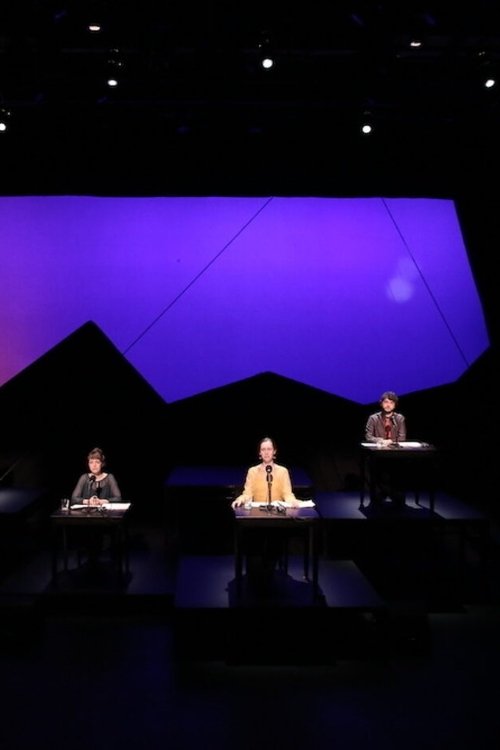
A new production of Robert Ashley's 1991 opera, "Improvement (Don Leaves Linda," featuring Gelsey Bell, Amirtha Kidambi, Brian McCorkle, Paul Pinto, Dave Ruder and Aliza Simons. Music Director: Tom Hamilton Live Sound and Processing: Tom Hamilton Stage Design and Lighting: David Moodey Producer: Mimi Johnson Presented at the Kitchen (New York), February 7 through 16, 2019. This video was recorded live by Iki Nakagawa (with Joseph Bacon and Al Foote III) on February 14, 2019. Audio recorded by Eric Sherman; remixed by Tom Hamilton.
Improvement (Don Leaves Linda)
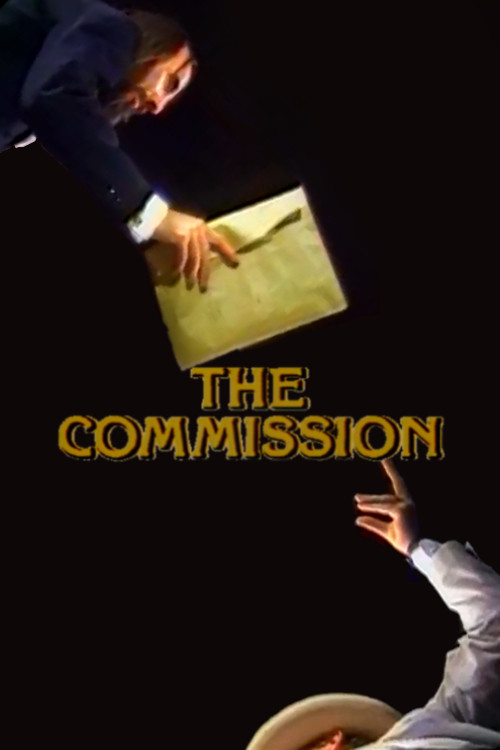
This work is Woody's first entry into the narrative sphere, whereby the "story" is continually undermined with the aid of various anti-narrative strategies: In each of the eleven segments of this "electronic opera", different effects are used. Fascinated with the remarkable personality of infamous violinist Niccola Paganini and his complicated relationship to Hector Berlioz (played by artists Ernie Gusella and Robert Ashley, respectively), the author meditates over the intricacies of artistic geniality as connected not only with fame but also with the necessity of painful survival under the pressures of the art market.
The Commission
A girl wanders through an abandoned farmhouse; doors open and close of themselves; when the girl finds a mark over a lipstick circle she had made on a mirror, the film ends.
The House
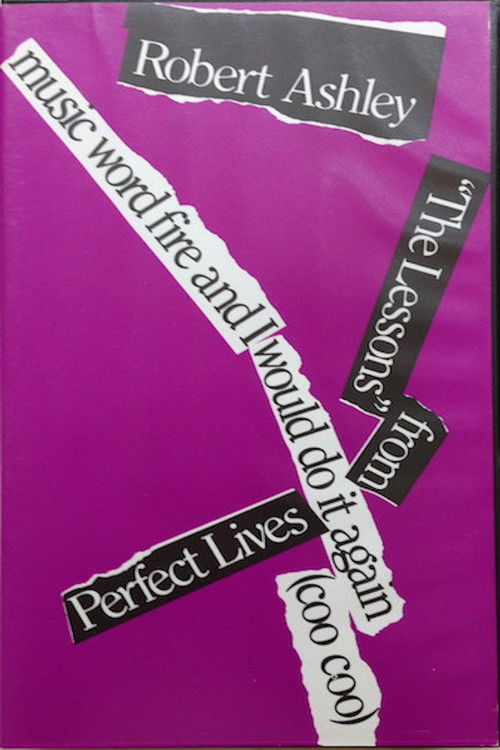
Buried inside the epic American opera for television, “Perfect Lives” are the boogie-woogie lessons being sold by Buddy to untalented people in the middle of America. This pilot for the series is an abstraction that plays on the meaning of life (which is unknowable) and how to make art (impossible to teach) featuring the sublime mysteries of the traveling musician.