Directing
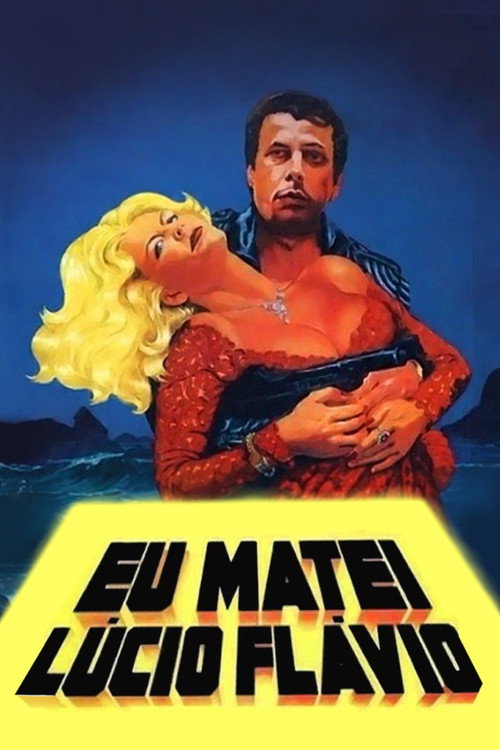
In the early seventies in Rio de Janeiro, detective Mariel Moryscötte de Mattos belonged to a special police force called "The Golden Men". This powerful group of the elite of the police was created with the intention of eliminate crime from Rio de Janeiro, and they had privileges above law to expedite their action against the outlaws. However, absolute power in wrong hands corrupts, and this group formed the "Death Squad", executing criminals without the conventional trial from the justice.
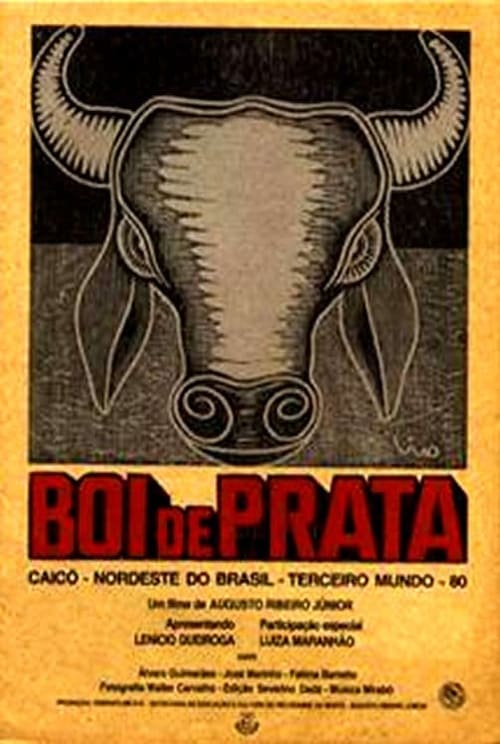
Somewhere in Rio Grande do Norte's countryside, Brazil, the wealthy farmer Elói Dantas (Álvaro Guimarães) decides to increase his patrimony even further by exploiting ores. To do this, he tries to appropriate the small site of Antônio Vaqueiro (José Marinho). Desperate, Antônio rushes to the aid of the gypsy healer Maria dos Remédios (Luiza Maranhão) and the poet and dreamer Tião Poeta (Lenicio Queirogo) to face the greed of Elói.
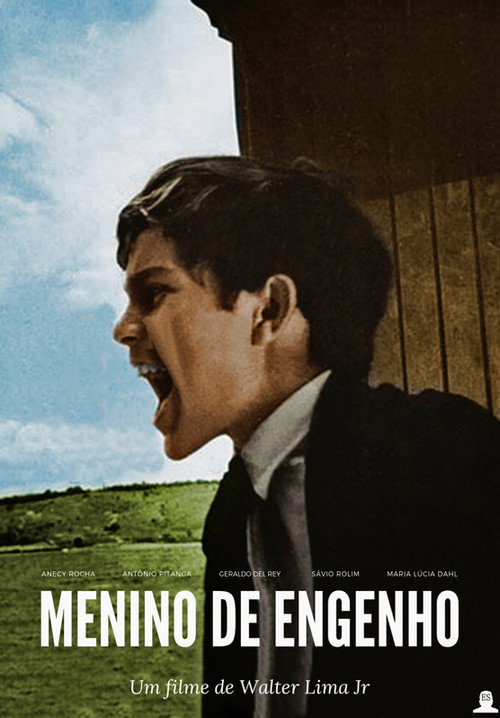
After being orphaned, a boy is raised by his grandfather and uncles, rich rural landowners, on a sugarcane plantation where he grows up, studies, learns about politics, love and disillusionment.
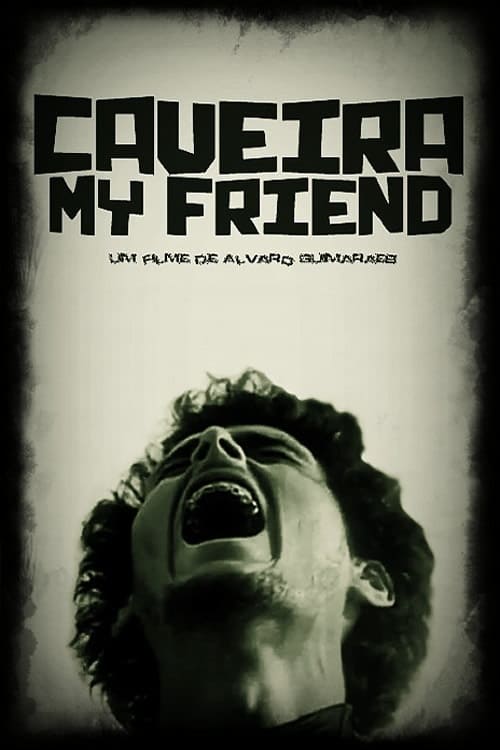
The adventures of a gang of thieves and murderers led by violent Caveirinha. A radical disruption proposal from the postulates of the Cinema Novo, a film with a loose narrative structure. Through the actions of a group of outlaws, the director sews in scenes that propose iconoclasm and elation as forms of opposition to the military dictatorship oppression.
When a prominent U.S. Nobel Laureate arrives in Salvador, Bahia, the city with the largest black population in Brazil, he stirs emotions by championing a long-forgotten local writer named Pedro Archanjo, who believed that humanity would be improved only through miscegenation.