Arnaldo Baptista
Acting
Biography
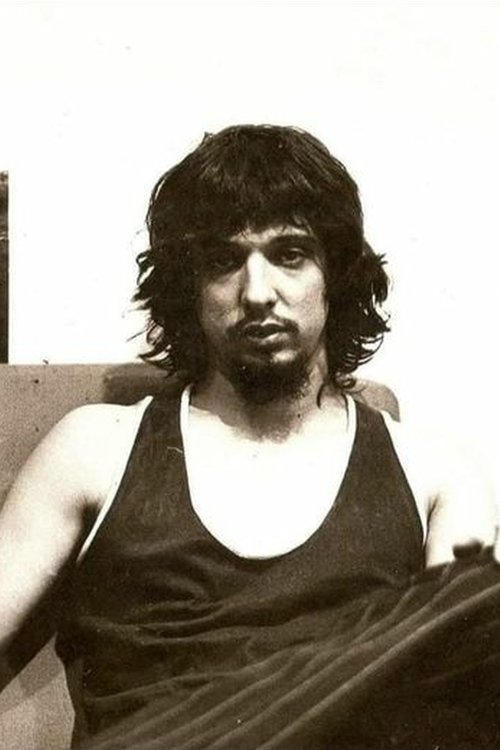
Born to pianist, Clarisse Leite, and poet, César Dias Baptista, Baptista studied classical piano from 1955 to 1959, double bass from 1962 to 1963, and acoustic guitar from 1963 to 1965. In 1966 he formed the influential Os Mutantes band with his brother Sérgio Dias and Rita Lee, where he played bass guitar, keyboards and sang. Baptista left the band in 1973 due to disagreements with the other members of the band and the excessive use of LSD, of which he had been hospitalized for. In 1974 he tried to work as a musical producer, with no success. This motivated him to try a solo career, and in the same year, he released the album Lóki?, which is considered his best work by some critics. Baptista recorded two albums with the band Patrulha do Espaço between 1977 and 1978, and later resumed his solo career. In 2006, Os Mutantes reunited without Rita Lee, and Baptista played with his brother Sérgio and drummer Dinho Leme 33 years after originally leaving the band. In 2007 Baptista left the band again to pursue personal projects. Baptista currently lives with his wife, Lucinha Barbosa, in the city of Juiz de Fora, where he spends most of his time painting, singing and writing songs. He is a vegetarian.[
Known For

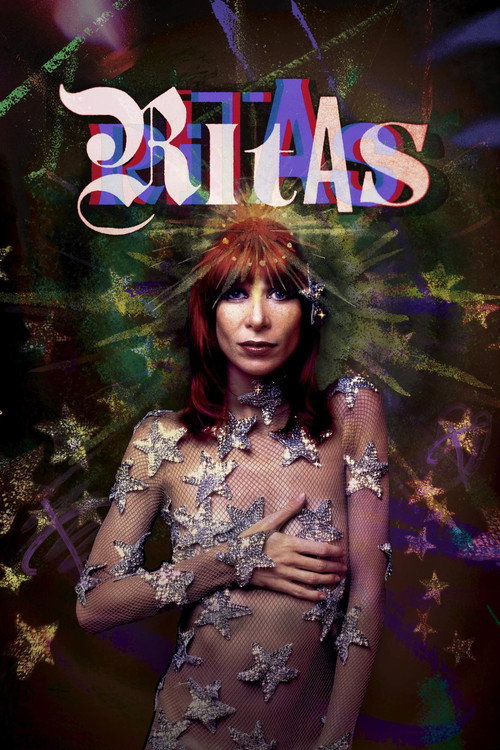
It explores Rita Lee's personal life and her creative process, revealing her musical talent and her ability to transform on stage. Rita herself guides the narrative through past interviews she gave throughout her career and current testimonies.
Ritas

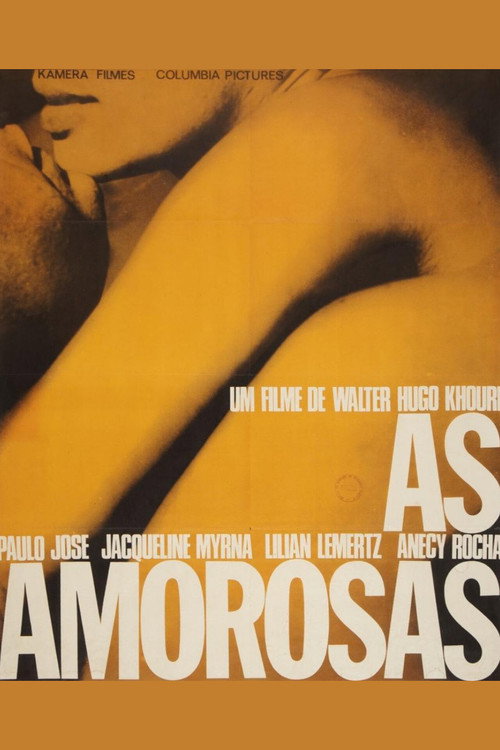
An anguished university student in his early 30's ponders the state of his life in light of his relationships with a politicized classmate, a TV actress selling the image of a femme fatale and his bourgeois sister.
The Amorous Ones

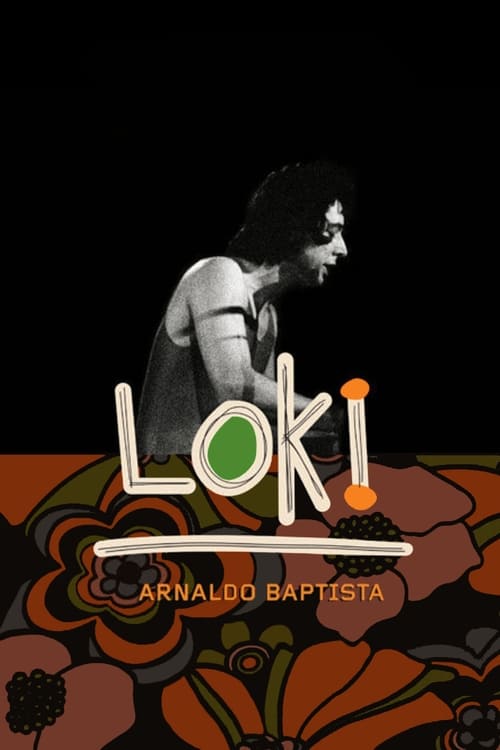
Loki brings the trajectory of Arnaldo Baptista from childhood, passing through the most successful phase as leader of the Mutantes, marriage to singer Rita Lee and then separation. He also goes through the depression that devastated his life after the group ended and that led him to attempt suicide, his solo career, rapprochement with his brother and member of the Mutantes, Sérgio Dias, culminating in the band's return in 2006.
Loki: Arnaldo Baptista

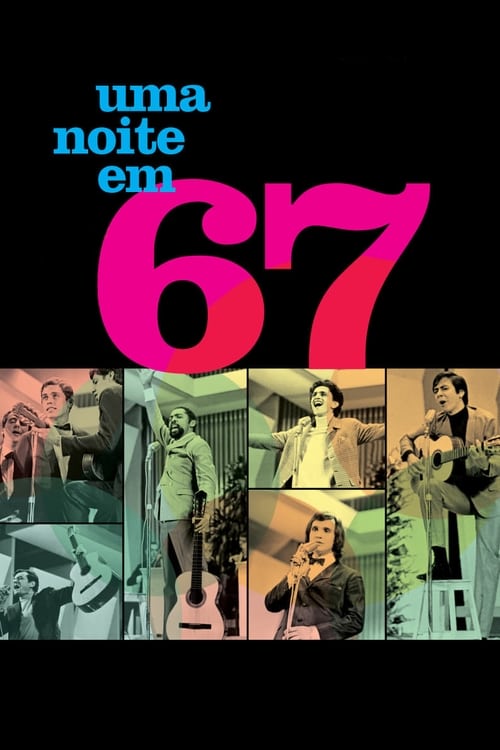
In the 1970s, "festivals" were incredibly popular in Brazil, as they were recorded before a live studio audience, and usually featured a number of elimination rounds. They also formed the springboard for the career of many a big-name stars, such as Chico Buarque, Caetano Veloso, Roberto Carlos and Gilberto Gil. Appearing on such a program was no cakewalk, however: audiences could be as wild in their condemnation as in their appreciation of an artist. Extensive archive footage (including performances and behind-the-scenes interviews) from the turbulent final evening of the Festival of Brazilian Popular Music 1967 paints a fascinating picture, not only of the transformation of Brazilian music into real "festival" music, but also of a society starting to buck against the yoke of military rule.
A Night in 67

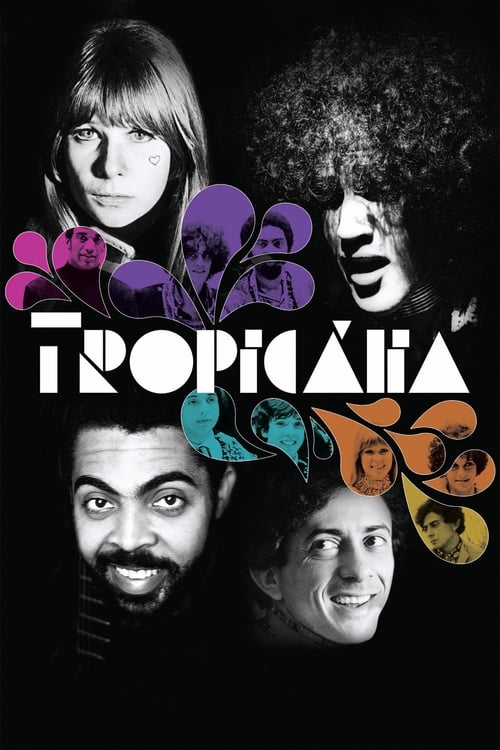
Set against the turbulent atmosphere of the 1960s, Tropicália is a feature length documentary exploring the Brazilian artistic movement known as Tropicália, and the struggle its artists endured to protect their right to freely express revolutionary thought against the traditional Brazilian music of that time.
Tropicália

No description available.
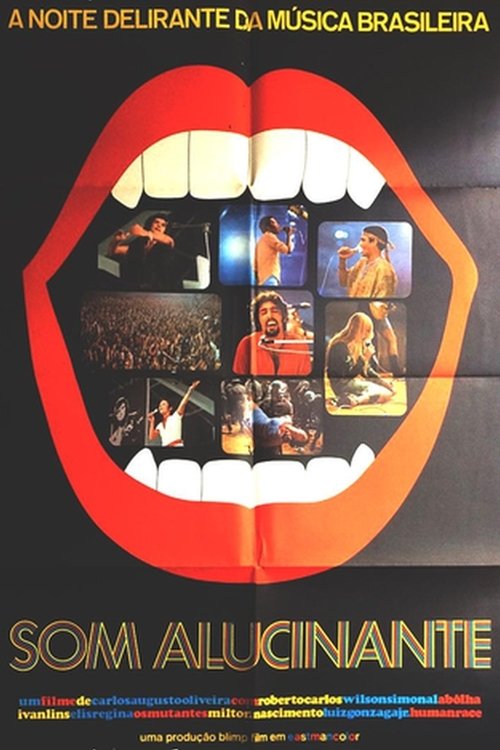
O Som Alucinante

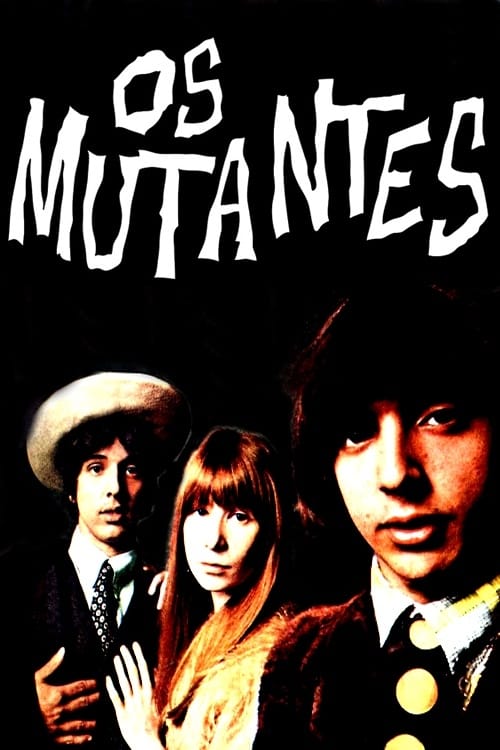
A mutant prank improvised by Arnaldo Baptista, Sérgio Dias, and Rita Lee. Os Mutantes on a unique day in the streets of São Paulo.
Os Mutantes

No description available.
Os Mutantes: Teatro Villaret, Lisboa, Portugal, 1969

No description available.
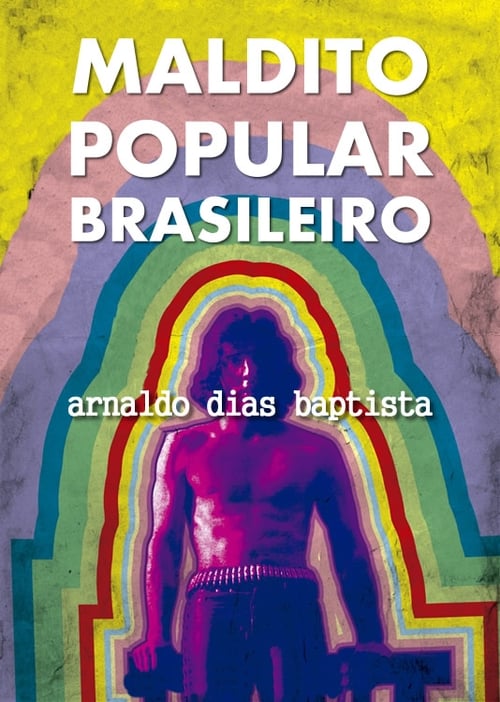
Maldito Popular Brasileiro: Arnaldo Dias Baptista
A series of insane, drug fueled events that unfolds in São Paulo, Brazil. Two friends go on a ride through the countryside and encounter a horny woman, a mother decides to feed her baby some crack and a transvestite becomes a vampire and approaches an intense couple.