Directing
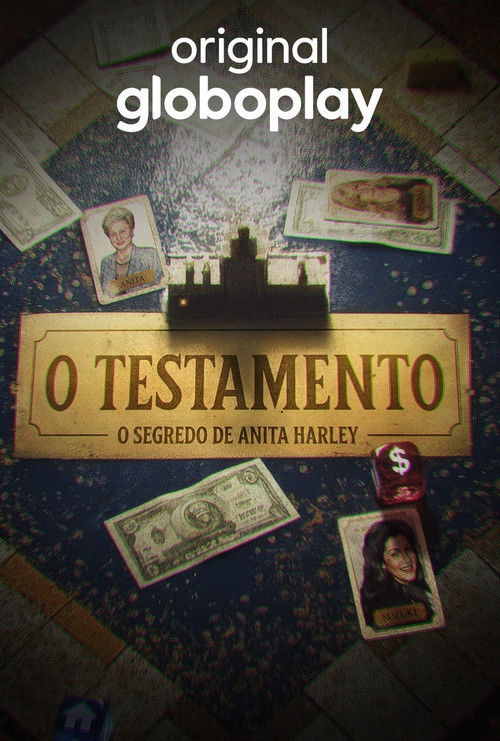
Anita Harley is the main shareholder of Casas Pernambucanas, one of the most traditional retail chains in Brazil. This miniseries reveals the behind-the-scenes disputes surrounding her inheritance in one of the most complex and intriguing cases in the Brazilian judiciary.
Anita Harley is the main shareholder of Casas Pernambucanas, one of the most traditional retail chains in the country. This series brings the behind-the-scenes disputes surrounding her inheritance in one of the most complex and intriguing cases in the Brazilian judiciary.
Poet, singer, writer, producer, Arnaldo Antunes turns sixty and re-records classics of a unique career.
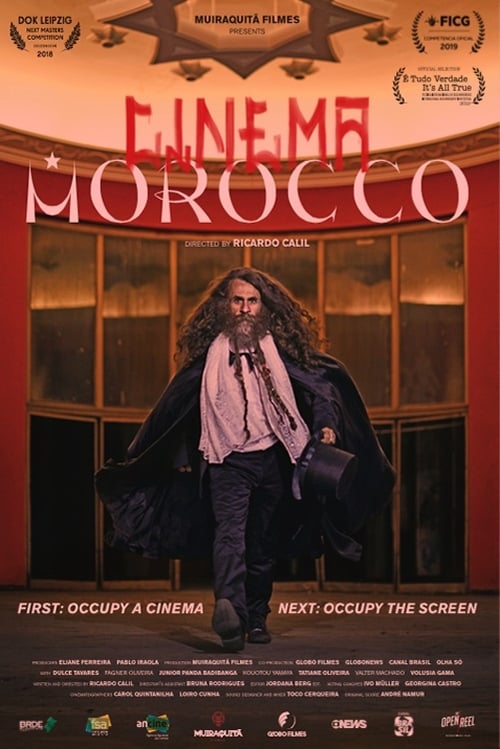
For two decades, Cine Marrocos, a movie theatre in the heart of São Paulo, was one of the most popular and opulent of the city. After it was closed, in 1972, it was occupied by a homeless workers' movement. The documentary tells the story of the people who lived there, alternating scenes from an acting class with those of the movies exhibited there in the past.
The 80th birthday of Erasmo Carlos, pioneer of Brazilian rock, in never-before-seen images: the Tijuca gang, Jovem Guarda, international success, Roberto Carlos and his influence on behavior.
Celebrating the 100th anniversary of the newspaper O Globo, the documentary was created by Pedro Bial and combines previously unpublished interviews, historical reconstructions and archives from the newspaper and TV Globo.
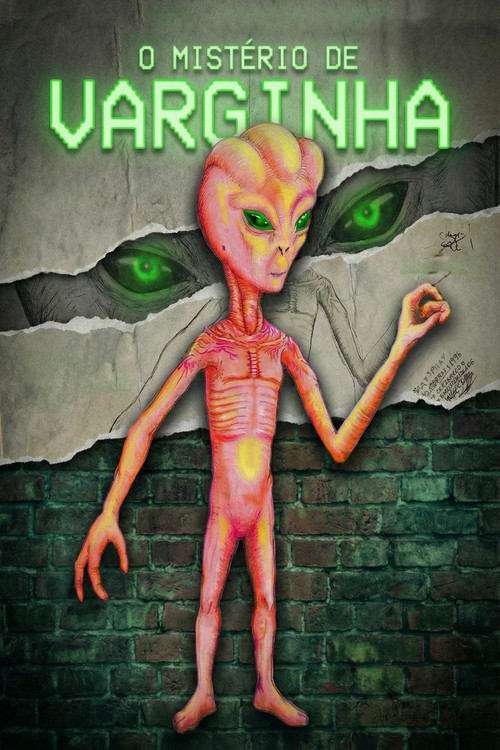
Thirty years after Brazil’s most famous UFO case, The Varginha Incident revisits the mysterious events that turned a small town in Minas Gerais into an international phenomenon. Through unseen documents, exclusive testimonies, and new investigations, the series explores conflicting versions of what really happened in January 1996, and why the mystery still lingers in the skies of Varginha
In 1970, at the height of repression by the military dictatorship, five imprisoned guerrillas came to the public to renounce the armed struggle and praise the regime. With the repercussion of the declarations, the government decided to transform the retractions into a State practice. He started to torture opponents to make mea-culpa. Until 1975, around forty prisoners participated in the “repentances”, as they became known. Os Arrependidos recounts the little-remembered story of former militants who, very young, dropped everything to risk their lives for a cause, were arrested and tortured, and became a propaganda weapon for their enemies.
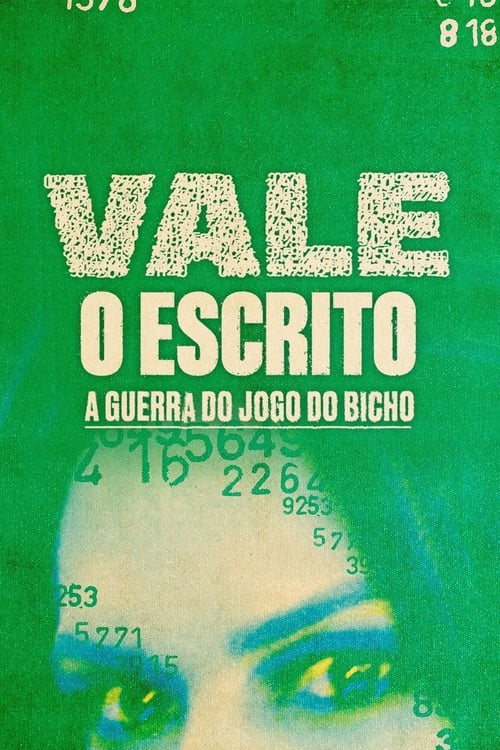
The "jogo do bicho" (an illegal lottery of numbers) in Rio de Janeiro is controlled by families whose leaders are also patrons of samba schools. Two of these families are experiencing bloody wars of succession.
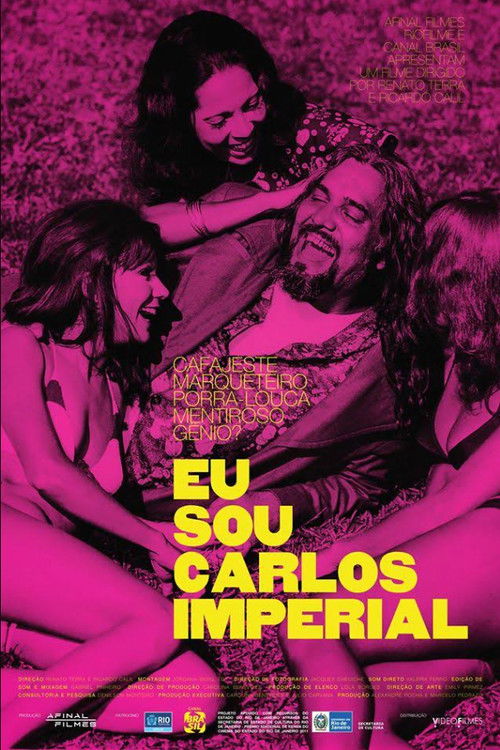
The story of a legendary figure in Brazilian culture, the multifaceted Carlos Imperial. He was a convinced womanizer and cafajeste, he was a director and actor, created TV shows, composed songs like “Vem Quente que Eu Estou Fervendo” and “Mamãe Passou Açúcar em Mim”. In addition, he is responsible for launching big names in Brazilian music, such as Roberto Carlos, Elis Regina and Tim Maia.
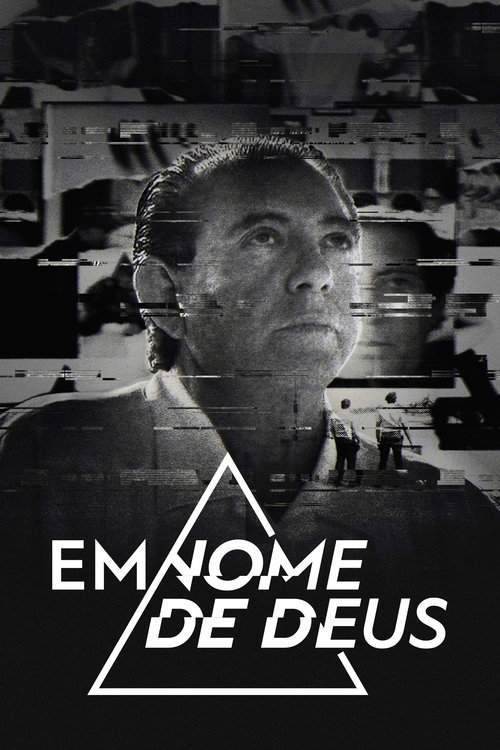
An investigation reveals how the famous Brazilian spiritual medium João Teixeira de Faria hid hundreds of allegations of sexual assault and other crimes, covered by a protection network that bends religious fanaticism, violence, fame and power.
The musical special shows an intimate and casual version of Marisa Monte, which features some tracks from the album “Portas”, her latest release.
In the 1970s, "festivals" were incredibly popular in Brazil, as they were recorded before a live studio audience, and usually featured a number of elimination rounds. They also formed the springboard for the career of many a big-name stars, such as Chico Buarque, Caetano Veloso, Roberto Carlos and Gilberto Gil. Appearing on such a program was no cakewalk, however: audiences could be as wild in their condemnation as in their appreciation of an artist. Extensive archive footage (including performances and behind-the-scenes interviews) from the turbulent final evening of the Festival of Brazilian Popular Music 1967 paints a fascinating picture, not only of the transformation of Brazilian music into real "festival" music, but also of a society starting to buck against the yoke of military rule.
Brazilian singer-songwriter Caetano Veloso reflects on his imprisonment in 1968, during the military dictatorship.
Seventy critics and filmmakers discuss cinema around the conflict between the artist and the observer, the creator and the critic. Between 1998 and 2007, Kléber Mendonça Filho recorded testimonies about this relationship in Brazil, the United States and Europe, based on his experience as a critic.
No description available.