Directing
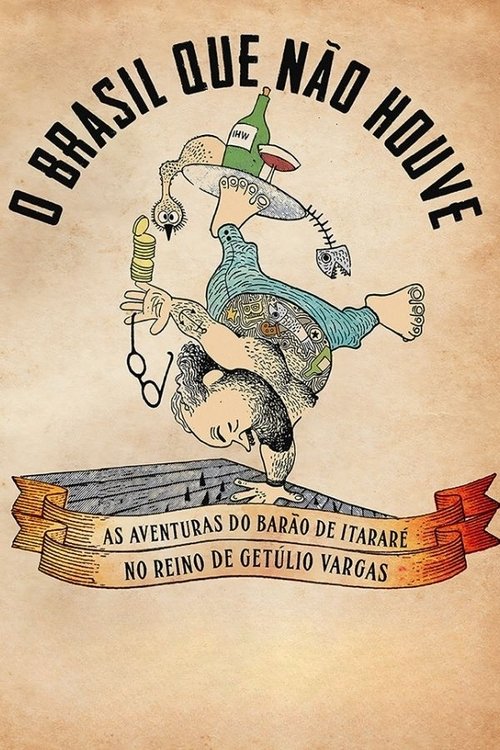
Celebrating the 100th anniversary of the newspaper O Globo, the documentary was created by Pedro Bial and combines previously unpublished interviews, historical reconstructions and archives from the newspaper and TV Globo.
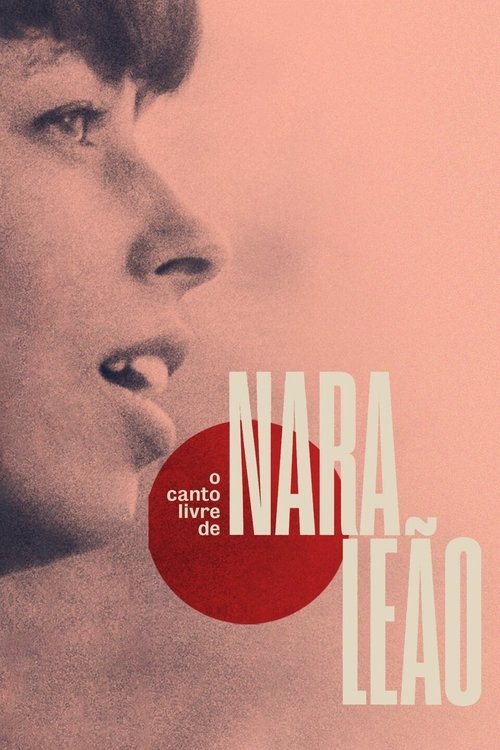
Nara Leão revolutionized Brazilian music, broke prejudices, confronted the military dictatorship, opened paths for women. All this without changing the tone of her voice.
With never-before-seen footage, shows and rare interviews, the series bets on the irreverent way of the Brazilian music to narrate its own trajectory.
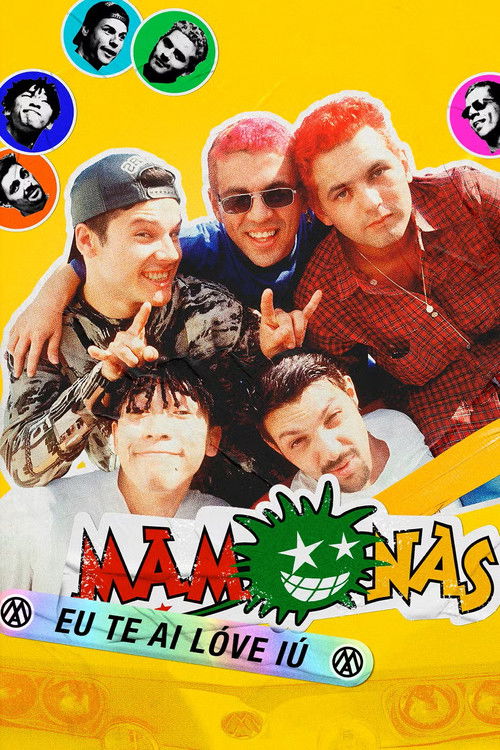
The documentary retraces the band's meteoric rise, as they became the biggest phenomenon in Brazilian music in 1995 — and one of the most remarkable in the country's history.
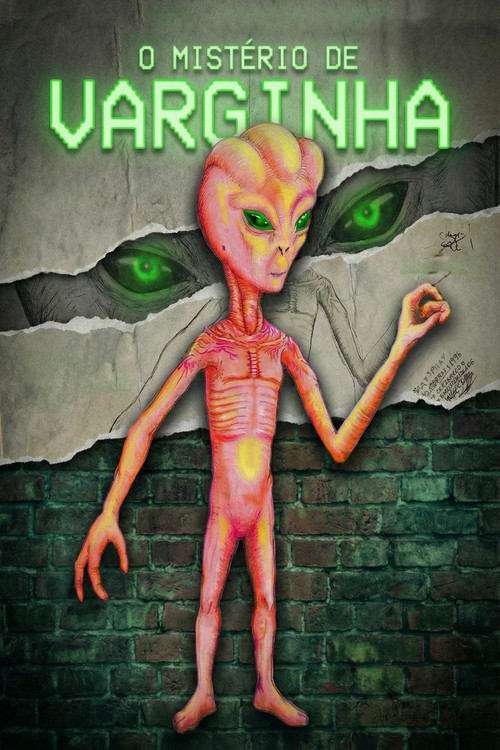
Thirty years after Brazil’s most famous UFO case, The Varginha Incident revisits the mysterious events that turned a small town in Minas Gerais into an international phenomenon. Through unseen documents, exclusive testimonies, and new investigations, the series explores conflicting versions of what really happened in January 1996, and why the mystery still lingers in the skies of Varginha
The 80th birthday of Erasmo Carlos, pioneer of Brazilian rock, in never-before-seen images: the Tijuca gang, Jovem Guarda, international success, Roberto Carlos and his influence on behavior.
With never-before-seen images, never-before-told stories and unique access to Jô's private life, the series offers an exciting and hilarious tour of his comedy programs, plays and talk shows.
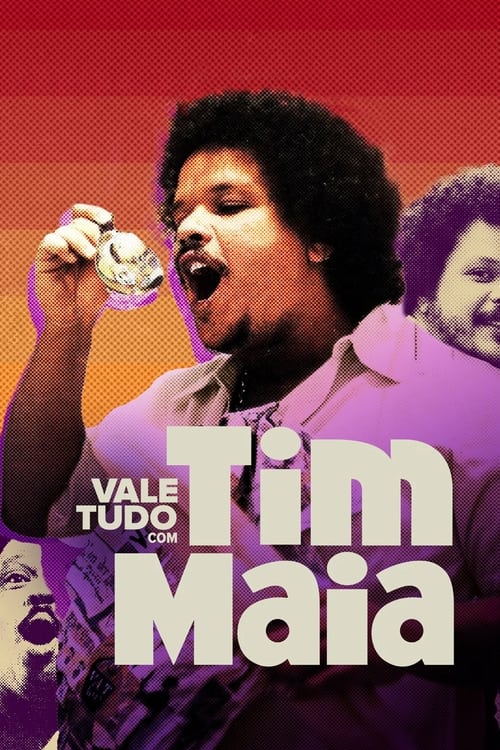
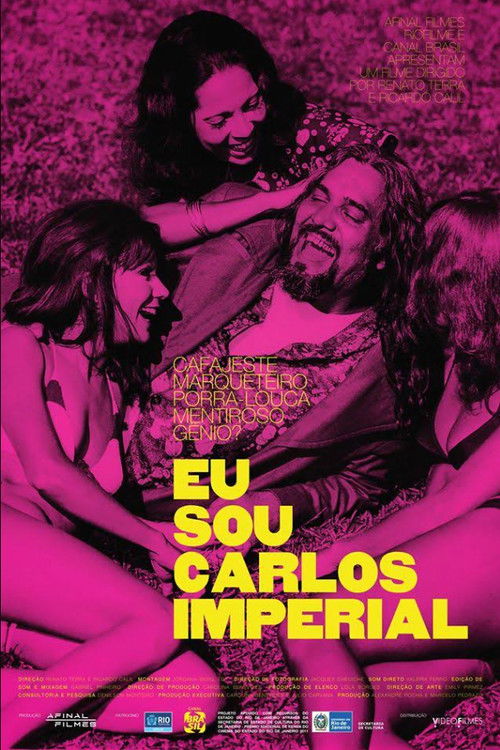
The story of a legendary figure in Brazilian culture, the multifaceted Carlos Imperial. He was a convinced womanizer and cafajeste, he was a director and actor, created TV shows, composed songs like “Vem Quente que Eu Estou Fervendo” and “Mamãe Passou Açúcar em Mim”. In addition, he is responsible for launching big names in Brazilian music, such as Roberto Carlos, Elis Regina and Tim Maia.
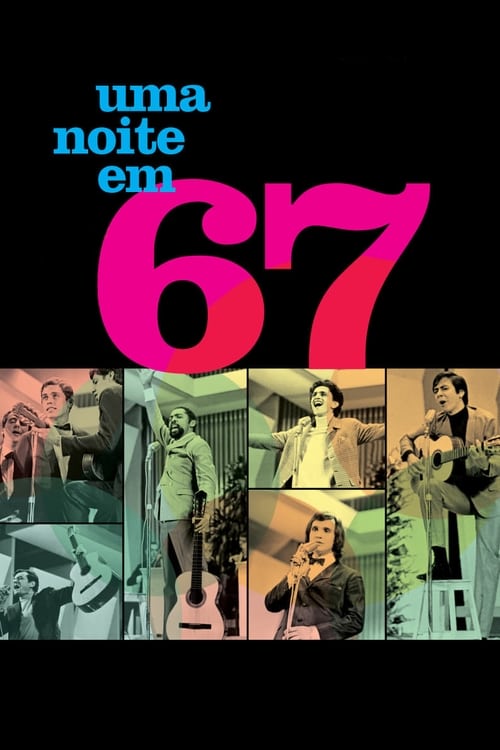
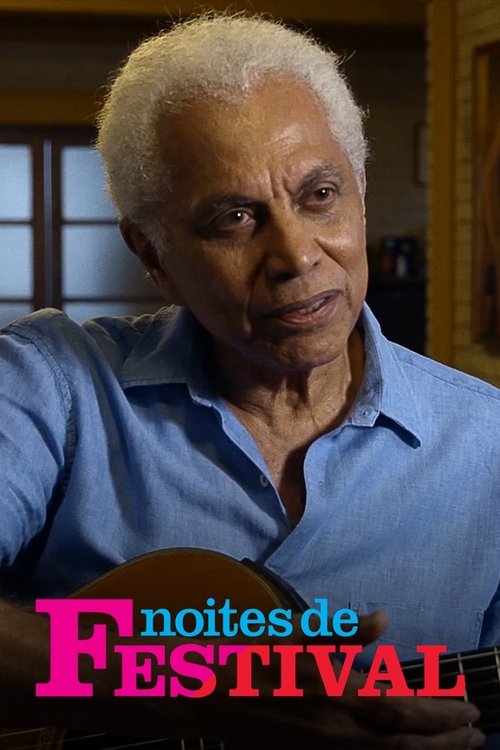
In the 1970s, "festivals" were incredibly popular in Brazil, as they were recorded before a live studio audience, and usually featured a number of elimination rounds. They also formed the springboard for the career of many a big-name stars, such as Chico Buarque, Caetano Veloso, Roberto Carlos and Gilberto Gil. Appearing on such a program was no cakewalk, however: audiences could be as wild in their condemnation as in their appreciation of an artist. Extensive archive footage (including performances and behind-the-scenes interviews) from the turbulent final evening of the Festival of Brazilian Popular Music 1967 paints a fascinating picture, not only of the transformation of Brazilian music into real "festival" music, but also of a society starting to buck against the yoke of military rule.
The history of Rio de Janeiro's biggest football rivalry: Flamengo vs Fluminense.
No description available.
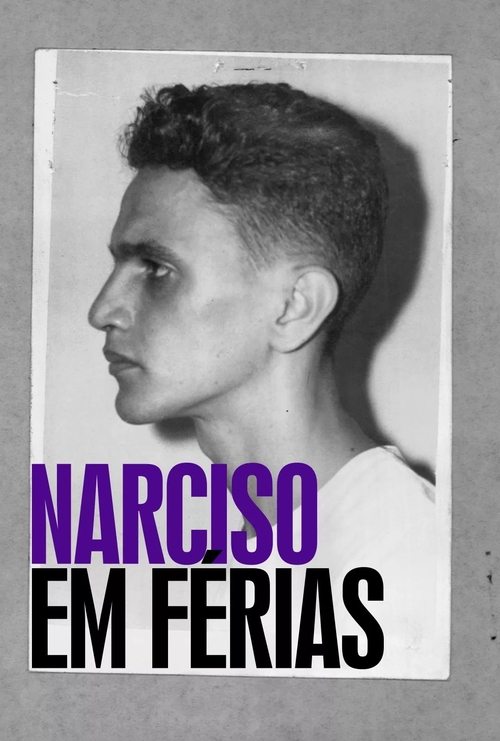
Brazilian singer-songwriter Caetano Veloso reflects on his imprisonment in 1968, during the military dictatorship.