Directing
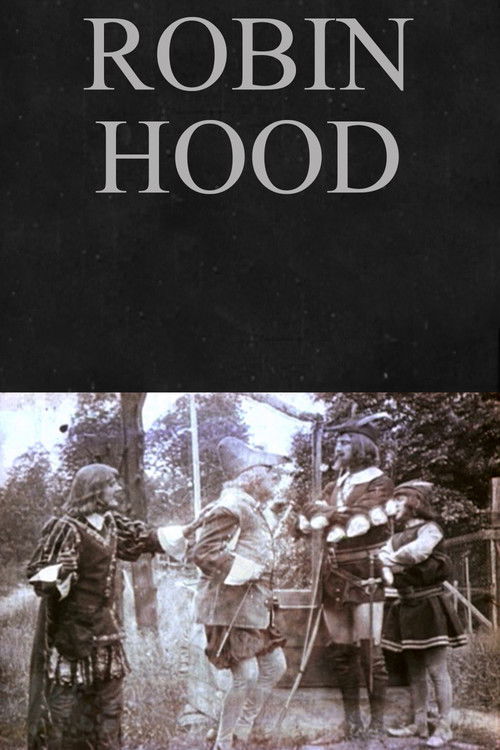
Robin Hood is a 1912 film made by Eclair Studios when it and many other early film studios in America's first motion picture industry were based in Fort Lee, New Jersey at the beginning of the 20th century. The movie's costumes feature enormous versions of the familiar hats of Robin and his merry men, and uses the unusual effect of momentarily superimposing images different animals over each character to emphasize their good or evil qualities. The film was directed by Étienne Arnaud and Herbert Blaché, and written by Eustace Hale Ball. A restored copy of the 30-minute film exists and was exhibited in 2006 at the Museum of Modern Art in New York City.
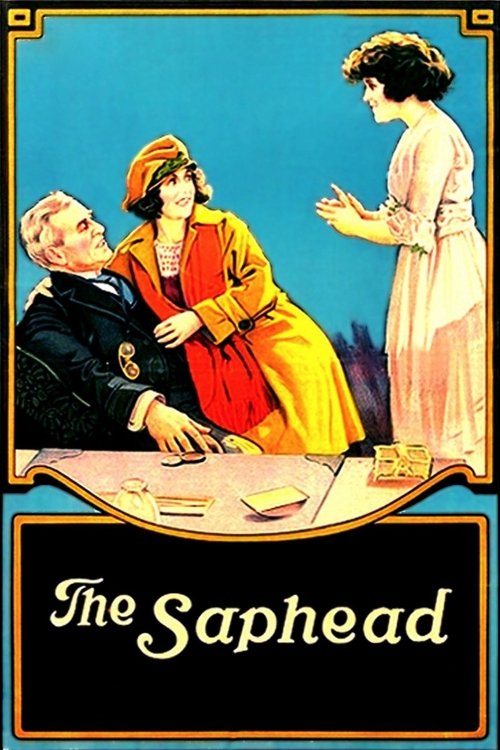
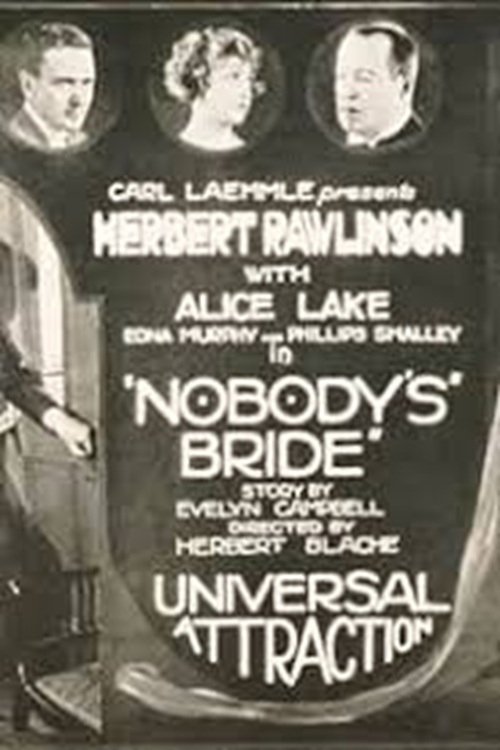
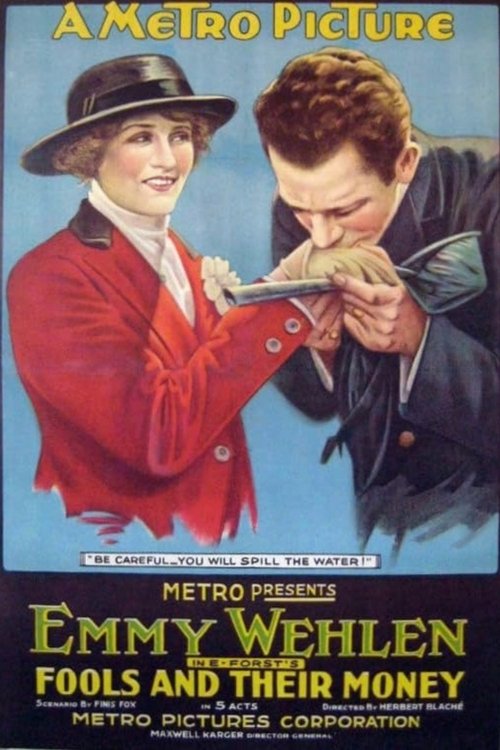
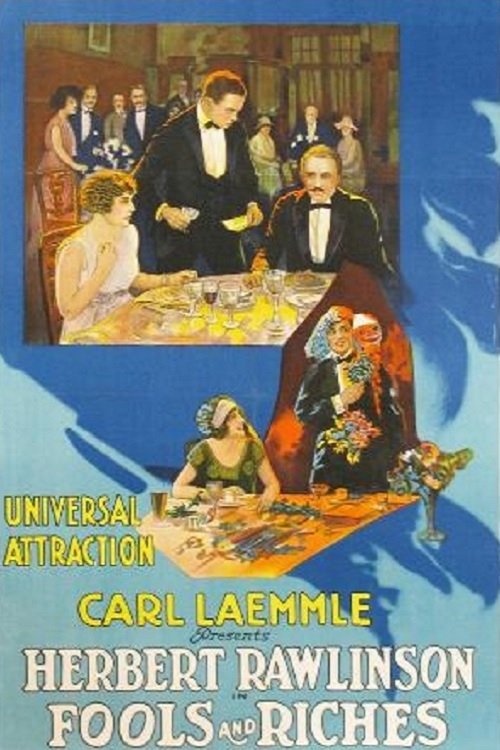
Nick Van Alstyne owns the Henrietta silver mine and is very rich and his son Bertie is naive and spoiled. His daughter Rose is married to shady investor Mark. Mark wrecks Bertie's wedding plans by making him take the blame for Mark's illegitimate daughter, and also nearly ruins the family business by selling off some stock at too low a price.
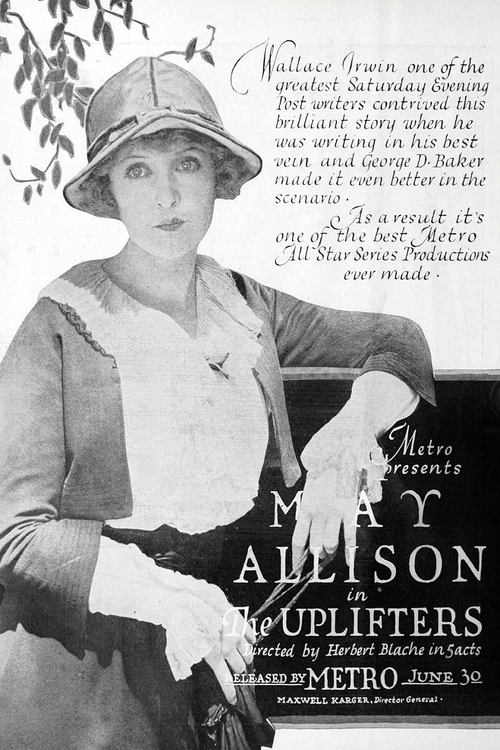
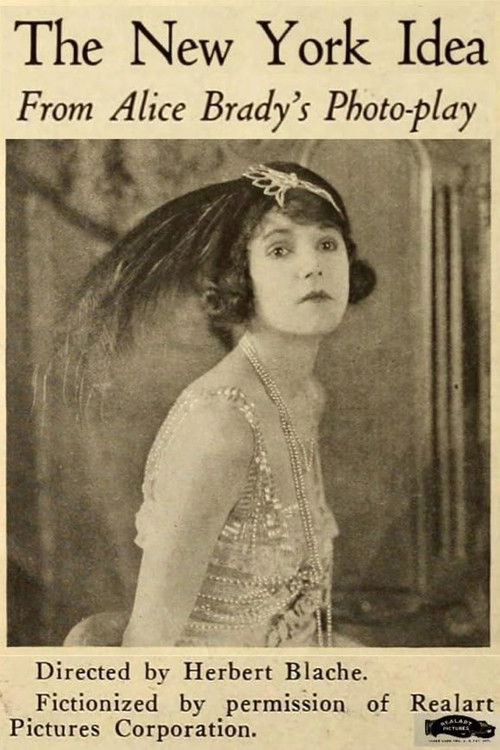
Leslie Adams, secretary to the city editor of a newspaper, persuades him to let her write up a society affair. Her efforts result in a libel suit against the paper, and Leslie is told to prove her story or join the ranks of the unemployed.
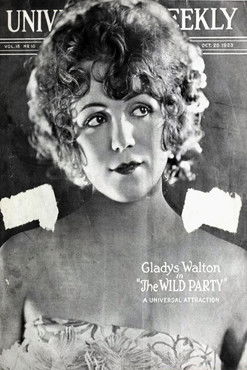
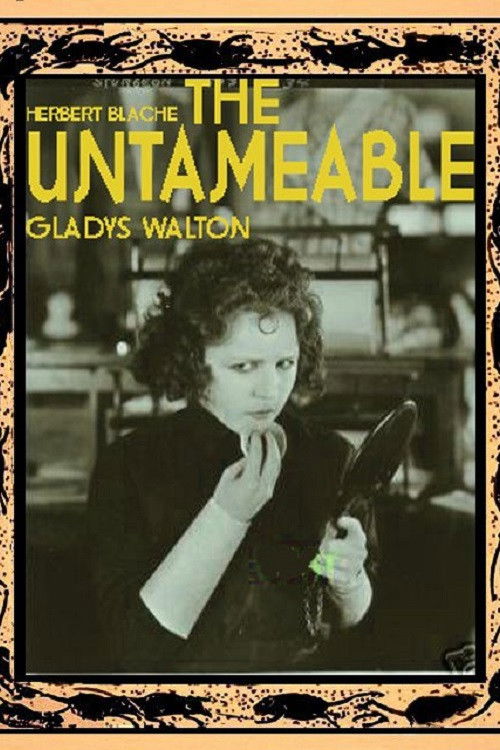
The Most Shocking Film of 1923! Directed by Herbert Blache, The Untameable dramatizes the then-sensational subject of dual personality, with Gladys Walton in the dual role of Joy and her whip-toting, brutal, sadistic alter-ego Edna, and Etta Lee as her faithful Asian lesbian maid.
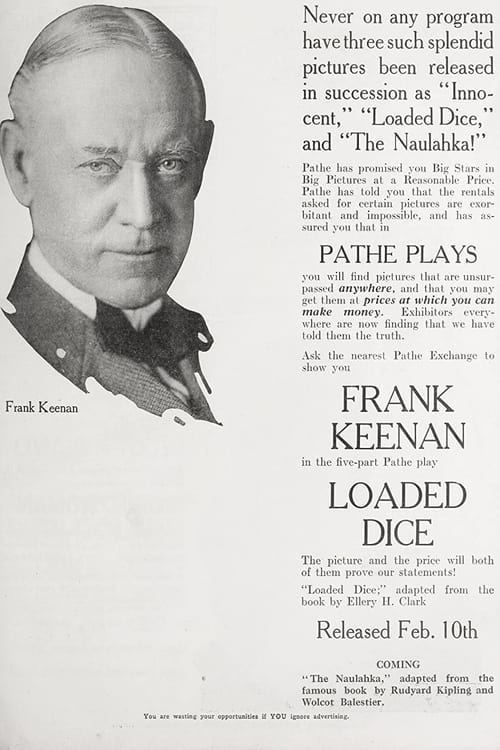
Richard Gordon's lack of religious conviction prompts him to live a life of crime. When he demands to be included in a scheme to corner the food market, the conspirators agree to accept him as a partner provided that he contribute $100,000 to the operation. In order to obtain the money, Richard blackmails Harry Palmer with the aid of his girl
While visiting a small village, popular young artist Robert Williams meets innocent country girl Helen Sanderson and, enchanted by her beauty, induces the girl to pose for him. An attraction develops between them, but just as the portrait is completed, Robert is called back to the city. Helen fails to hear from him again and Robert's neglect draws her to the city, where she is sent to a reformatory on a false charge. Once released, she begs Judge Princeton for help and, feeling sorry for the unfortunate girl, he introduces her to playwright George Wendbourg, who adopts Helen and makes her a great actress. Seeing Helen on stage reawakens Robert's love for her and he begs her for forgiveness. After initially snubbing him, Helen relents and the two finally are reunited.
No description available.
Jimmy Nevins--once wealthy and now engaged to Doris Standish--is reduced to poverty and jilted by her when he is befriended by Mary Butler, the leader of a gang of crooks.
Rich but frivolous, Cynthia and John Karslake obscure their love for each other by their constant quarreling. Cynthia grows jealous of her husband when, one day at the races, she notices Vida Phillimore, a recent divorcée, flirting with him. Using this incident to inflame all her other petty grievances, Cynthia ends up in divorce court presided over by Vida's ex-husband, Judge Phillip Phillimore.
Peggy Wilson has recently become an orphan and a ward of the Waston family. She’s also inherited the late Robert Wilson’s vast fortune, which puts her very much in Mr. Waston’s favor. He would like his son, Frank, to marry Peggy, but Peggy “is not his style” and “her money is no inducement”.
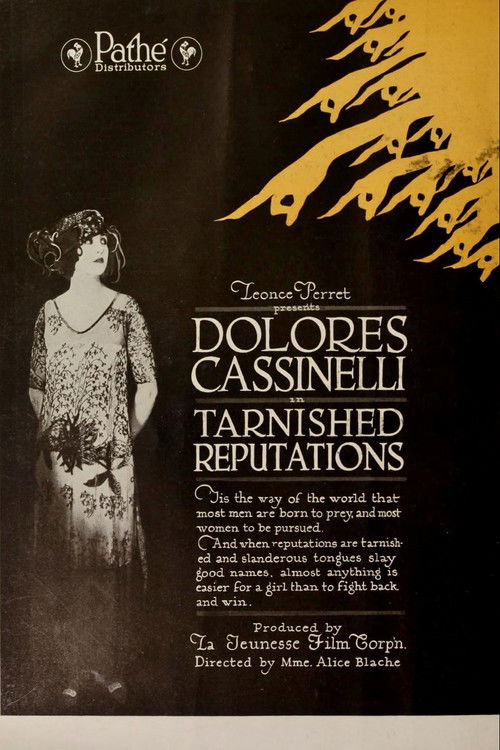
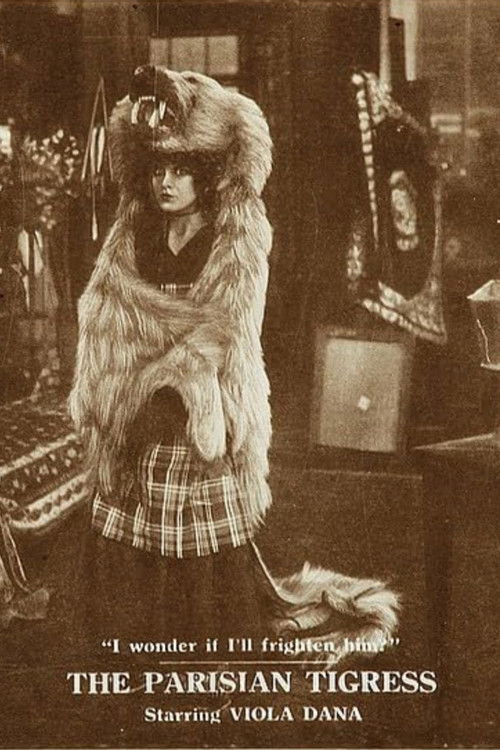
The invalid Count de Suchet, nearing death, tells his friend, artist Henri Dutray, about the tragic events of his early life. He secretly married a dancer, and after she gave birth to a daughter, his father convinced her that she was ruining her husband's life. She gave the baby to an old couple, and then killed herself. The grieving count now worries about his daughter. Meanwhile, Jeanne, an Apache dancer in Montmartre, refuses to be sold by her brother Jacques to an old rogue. After she escapes and hides in Henri's studio, Henri, because he needs money, plots with Jacques to make the count believe that Jeanne is his daughter.
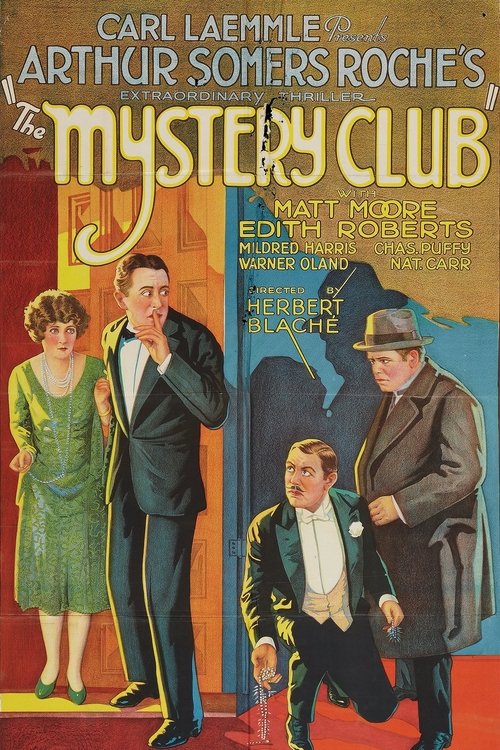
The Mystery Club, an organization of millionaires, draws up an agreement at the instigation of Cranahan, wagering that crimes can be committed without detection by the police; Inspector Burke serves as arbiter. A forfeiture of $25,000 is set, and the members draw secret lots to decide who is to be the criminal. When Burke himself is reported murdered, the members agree to cancel the agreement but cannot find the document.
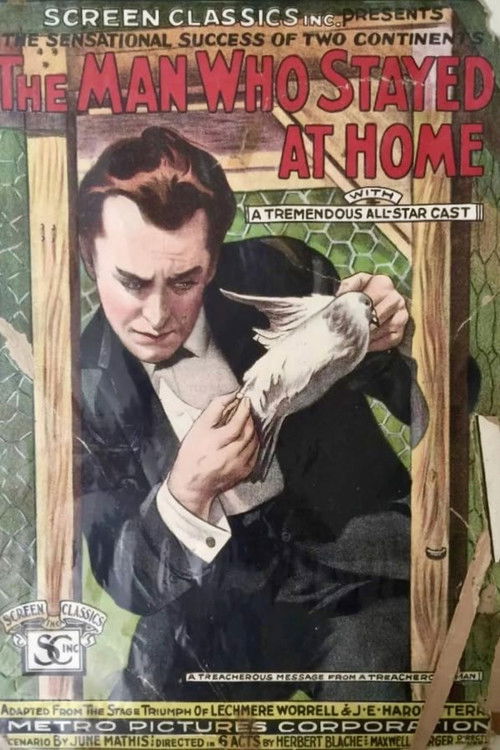
In a Virginia resort town in August 1918, Christopher Brent is viewed as a slacker because he refuses to enlist. Secretly, Christopher is observing German spies who are passing information about coastal fortifications for invasion preparations. Seeing Christopher consort with Mrs. Miriam Lee, also from the secret service, his fiancee Molly Preston, who had been bothered by the talk about him, becomes jealous. When Molly's brother Norman discovers a German code book in Mrs. Lee's possession, Christopher, who obtained the book when he destroyed the wireless of the chief spy, Carl Sanderson, who also loves Molly, is suspected of aiding the Germans.
Although her husband and children want to continue living modestly after they acquire a fortune from munitions, Mrs. Tompkins has social aspirations and persuades them to move into an exclusive country neighborhood and send their son Dick to Yale. When Mrs. Tompkins mistakes Louise Allenby, the daughter of her aristocratic neighbors, for a maid, Louise in jest pretends to be the Allenby social secretary. Dick, returning home, hears some girls giggling about Louise's joke on the Tompkins family and for revenge he becomes a groom for the Allenbys, but he and Louise fall in love. During a party, swindler Cholly Van Dusen steals some of the Allenby jewels and blames Louise who is put under arrest until her parents return. Cholly is then caught, Louise and Dick with revealed identities announce their love, and the Tompkinses are accepted socially.
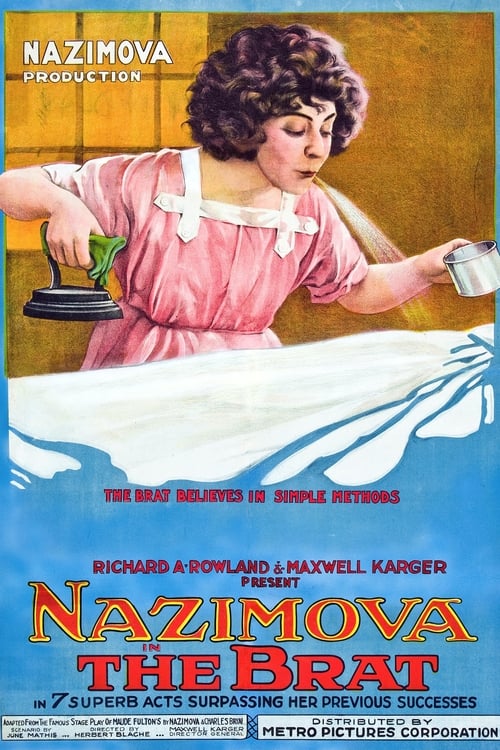
An unkempt chorus girl is arrested on a minor charge. In court, she is spotted by a novelist who is looking for someone of her type on whom to model a character in a book he is writing. He takes her into his home where she is looked down upon by his snobbish family. But the girl brings something to the family unlike anything they have known before.
During his lifetime John Dorgan is unsuccessful in his attempts to cure his son, Jimmy, of his spendthrift ways, but his will leaves only a part of his fortune to Jimmy, while explaining where to dig for the rest.
Story of a factory worker who is fired because she tries to protect one of her fellow employees from the lusty advances of their boss. She then joins forces with a crook and becomes his mistress. Although she winds up in jail because he stashed some of his stolen goods at her home, she escapes by flirting with the warden and then drugging him.
Basil Van Bibber, son of a prominent family, and Nora Schultz, daughter of a butcher who invented a sausage machine that made the Van Bibbers rich, pretend to be in love to please their parents; but when Nora tries to protect the young Van Bibber from a charge of reckless driving, they find they really are in love.
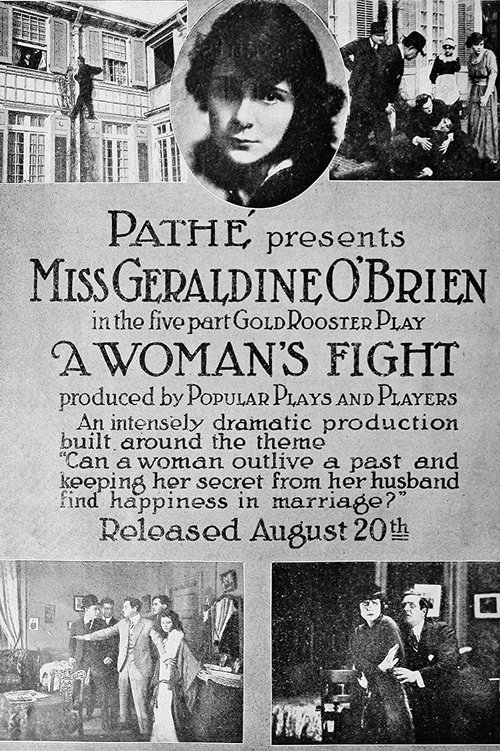
Upon her parents death heiress Alice Rowland is placed under the guardianship of unscrupulous George Baring, who seeks to gain control of her fortune. First, he tries to force a marriage between Alice and his son James, but old family friend Henry Whitworth, prevents the marriage. Increasingly more desperate Baring imprisons Alice in her room, but she escapes and flees to Whitworth in the middle of the night. Baring petitions the courts for her forced return just as Alice discovers she can dissolve the guardianship by marriage. Alice then marries Whitworth, thus defeating Baring's wicked schemes and securing a happy ending.
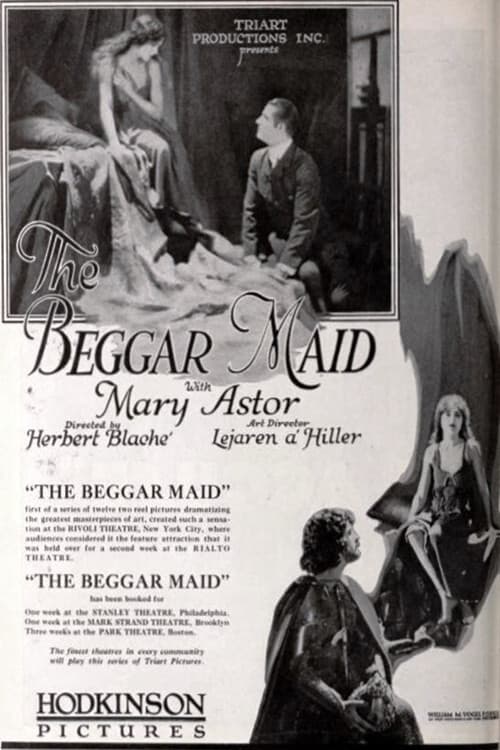
The painter Burne-Jones and his famed painting "The Beggar Maid" are depicted in this speculative drama about the creation of the painting. Burne-Jones plays matchmaker for a young British nobleman who has fallen in love with a servant girl on his estate. The artist shows that love can thrive between members of different classes by depicting on canvas a picture from Tennyson's poem about the love of King Cophetua for a beggar maid. As he relates the story of the poem in words and through his painting, the young earl sees the application to his own situation.