Acting
A hard-working man witnesses the collapse of his nuclear family.
In 1962, the small town of San Andrés is ruled by morality and good manners. The arrival of a new nun will change everything. Turn everything upside down.
A spin-off sequel of the 1996 TV series "Sucupira". The story takes place when Sucupira Mayor Federico Valdivieso, who was thought gone and buried comes out of his grave, causing confussion and chaos among the town's citizens.
A billionaire and obsessive mother entrusts a woman named Mariana with the job of falling in love with one of her two sons in exchange of a generous monthly check. However, Carmen's wishes will not be easy to fulfill, as both men have totally opposite personalities.
An ode to Chilean maritime myth and storytelling. Sailors onboard the Lucerna tell stories, but before long their stories intersect.
Catalina de los RĂos y Lisperguer is a beautiful woman who captivated and intimidated men due to her extreme beauty and indomitable personality. Her nickname "La Quintrala" became a synonymous of fear at the time. The show goes deeper into all the differents facets of Catalina, from her affairs, the mistreatment of her employees, her revenges and her pacts with occult beings.
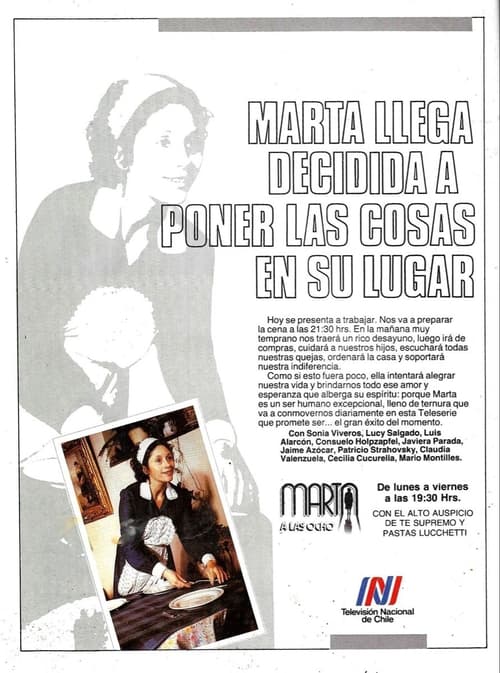
A housemaid named Marta travels to Santiago, in search of better opportunities, convinced that in the capital she would find everything she expected.
MartĂn Rivas is a poor but distinguished young man, he moves from Northern Chile to study law in the capital. His diminished economic condition forces him to stay at the home of Don Dámaso Encina, leader of a rich Chilean family.
A man chases success at all costs, by exploiting a false self-image of "winner" and having a "happy family" to promote his businesses.
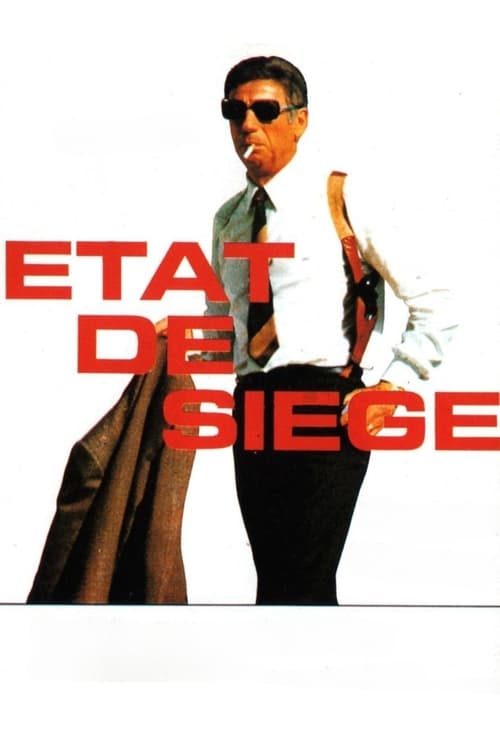
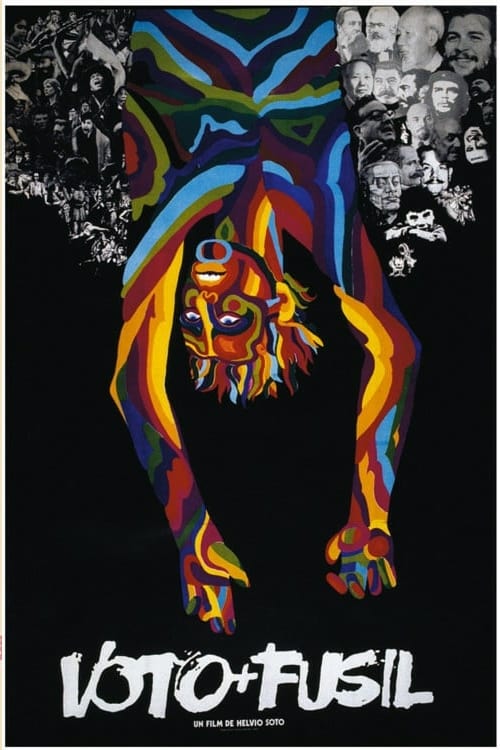
Assigned to South America, US official Philip Michael Santore is employed by a counterinsurgency agency. His position makes him a target for a local band of guerrillas, and, before long, Santore is kidnapped. As a prisoner, he undergoes interrogation, shedding light on the violent situation in the country. Once the insurgents are done with their questioning, they must decide whether Santore lives or dies.
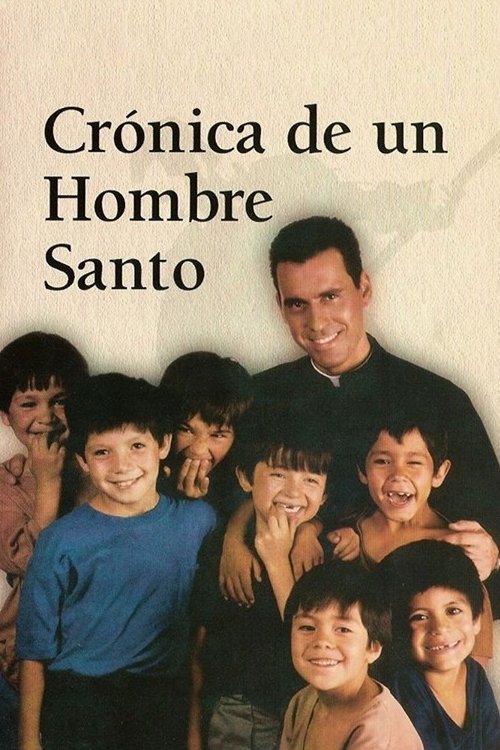
The life, work and death of the Chilean Jesuit priest and founder of "Hogar de Cristo" (Home of Christ), San Alberto Hurtado Cruchaga.
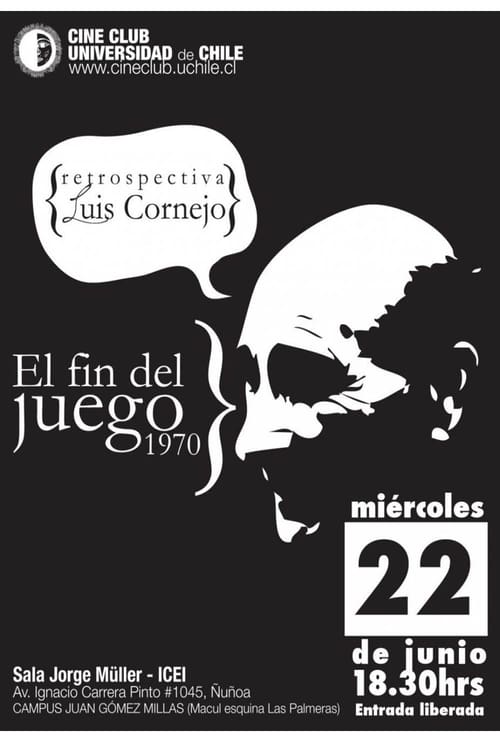
In a bar in Santiago, two old men talk over their past. This is a strange discussion. In fact, they talk of themselves as if they were dead. We don't know what is true or false, what is dream or reality.
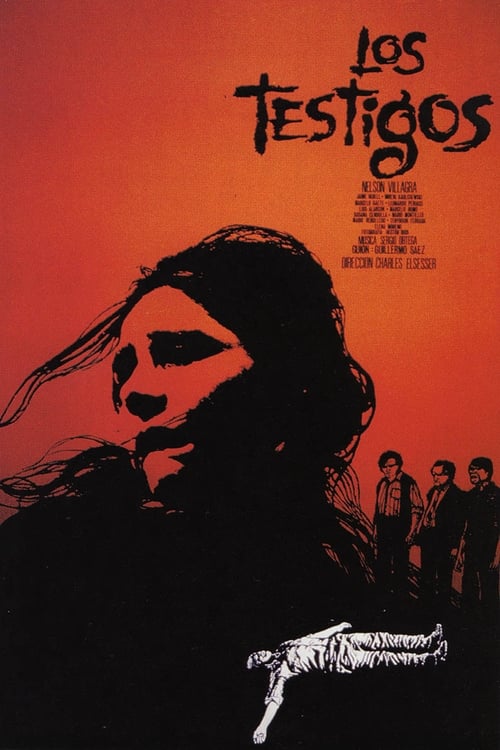
This stark Chilean melodrama concerns itself with the plight of slum dwellers living outside Santiago. For many years they have, with great difficulty, been faithfully paying small sums to a real estate man. This man has said that by doing so they can obtain title to the miniscule plots of land their houses stand on. In fact, he has been swindling them and does not even own the land he has been "selling." One of the aggrieved slum dwellers confronts him about this while he is visiting the slum, and the real estate agent shoots him before everyone's eyes. The question confronting these witnesses is whether testifying against this monster will make their lives even more precarious.
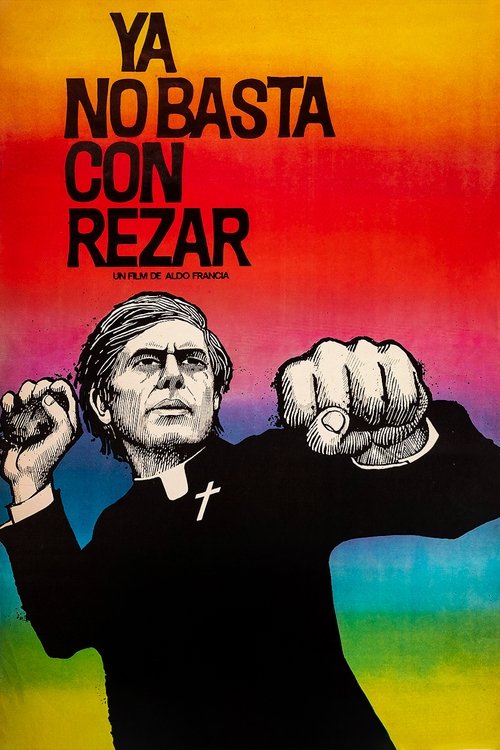
Many socially-concerned priests in Catholic Latin America have at some time left their parish churches to go and work in the fields and factories of the poor. Such priests, usually adherents of "liberation theology," are called "worker-priests." This Chilean film tells the story of how one man became a "worker-priest" and won the trust of the poor.
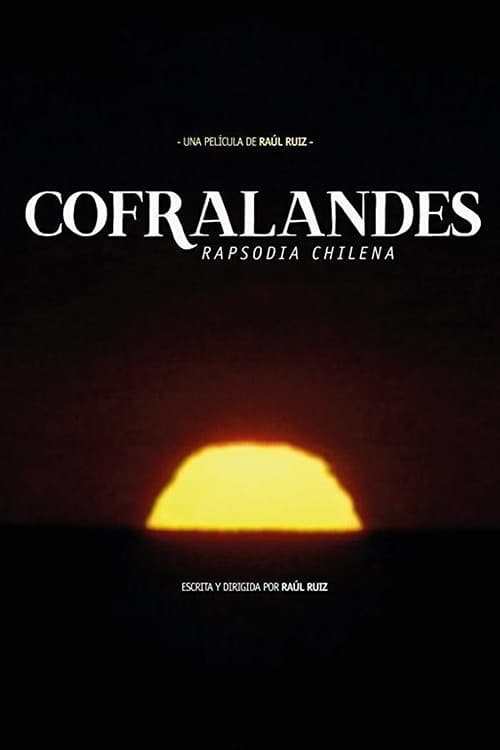
A Chilean returning to Santiago to find out what has happened to his native country while he has been away, discovers much about himself.
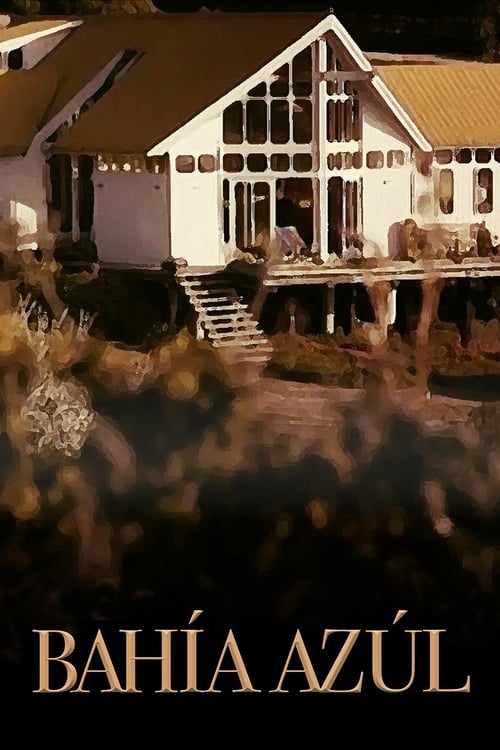
A teenager visits his mother in search of affection. She lives semi isolated from the world, on a house facing the sea and in the company of a woman. The meeting of both characters will be rather a disagreement that will throw the young man towards other characters that will be moving further away from his mother until he disappears. Only at that moment will she feel the weight of his absence.
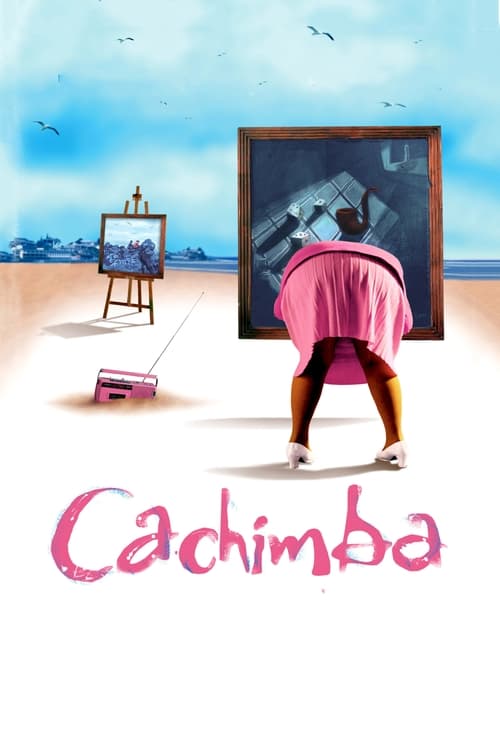
A man takes his insecure, overweight paramour to a seaside resort to consummate their relationship, but there he stumbles onto an artistic discovery that will change his life.
A man squanders all of his wife's fortune in gambling and drinking. Now in financial crisis, the woman tries to keep their home afloat, while he plays, gets drunk and lives off his friends charity and good will.
A small house is devastated by the irrepressible force of the Ñuble river. Anita is rescued from the riverbank while her parents disappear into the water. She is given in adoption to her godparents, who can not keep her, they turn her over to a large hacienda in the area, where the little one will be the companion of the sickly patron, Lucia. When the owner of the hacienda dies, Anita, disregarding the advice of the other servants, stays to serve the boss, Don Pablo. She is already a woman and he is a single man. A strong attraction emerges between the two. This sad story of love and revenge as strong and uncontrollable as the overflowing waters of the Ñuble River.
An experimental four-part 2002 Franco-Chilean digital video series written and directed by RaĂşl Ruiz. The first part won a FIPRESCI Award at the Montreal World Film Festival in 2002 "for the director's personal exploration into his homeland, using DV in a rigorous yet playful manner".