
Mustapha Badie
Directing
Biography
Director and actor born in Algiers, Arezki Berkouk (أرزقي برقوق) made his debut in the municipal troupe of the Arab theater of the Algiers Opera, created by Mahieddine Bachtarzi and Mustapha Kateb, before acquiring training at the former RTF . At independence, under the name Mustapha Badie, he shot Our Mothers, a feature-length drama inspired by "Children of the Casbah", the play by Abdelhalim Raïs. With "La Nuit a Peur du Soleil" then, in the form of an imposing fresco lasting more than three hours for the cinema, he set about rereading Algerian society during the decade 1952-1962. In four scenes (“The Earth Was Thirsty”, “The Paths to the Prison”, “Story of Saliha” and “Story of Fatma”), Mustapha Badie does not hesitate to say a lot in a single film. He does it again with "The Escape of Hassan Terro", based on the character of Rouïched, but it is above all the success of the soap opera "El Harik" (The Fire), adapted from Mohamed Dib's trilogy "The Big House ", "L'Incendie" and "Le Metier à Tisser", for the small screen in 10 episodes, which earned it exceptional popular success and immortalized in passing the character of La Aïni, by propelling its interpreter, the actress Chafia Boudraa, towards notoriety. While continuing to film 'Le Chant du Souvenir', 'Kenza', then 'Hassan Ibn Ali' for television, Mustapha Badie remained a discreet artisan like many artists and technicians of his generation who no longer found their brands in a country in turmoil. The artist bowed out on June 27, 2001 in Algiers, following a long illness.
Known For
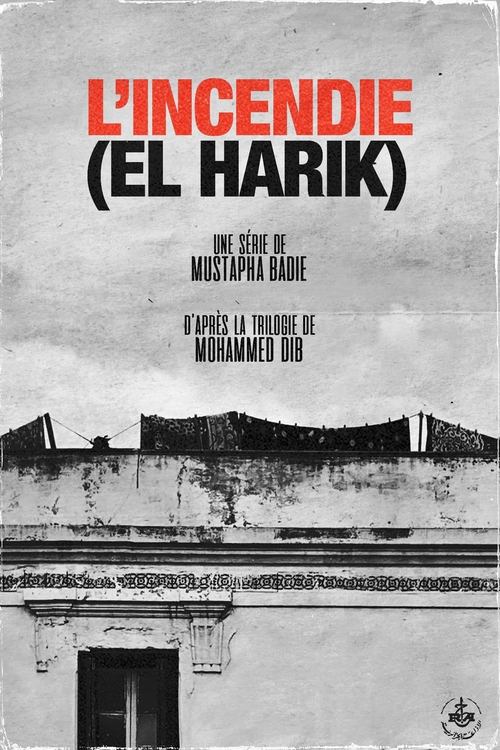
In 1939 in eastern Algeria, Omar, a young boy of ten, lives with his family in a room in Dar Sbitar, a house shared by several families who overcome the trials they go through every day to ensure their subsistence. Her deceased father is Aïni, the mother, who bleeds herself from all four veins to keep her children and their grandmother alive. The families of Dar Sbitar share their intimacy and their daily life, this life animates the big house, which itself becomes a character in its own right. "El Harik" (The Fire), is an Algerian drama series in 10 episodes adapted from Mohamed Dib's trilogy "The Big House", "The Fire" and "The Loom".
L’Incendie (El Harik)
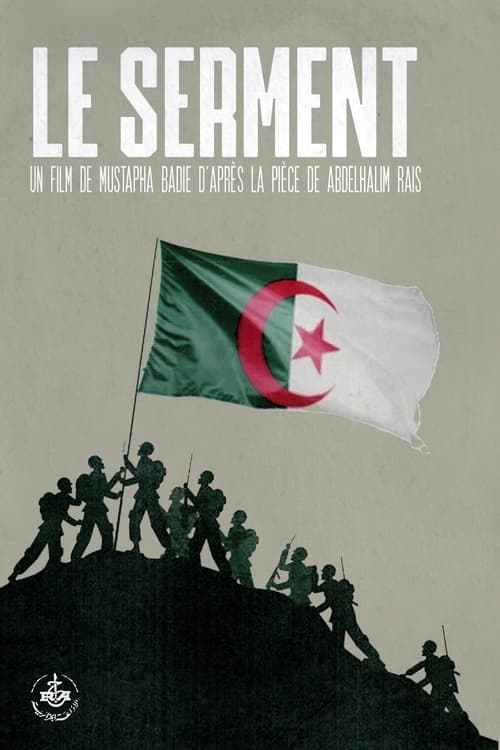
The Oath, a TV film produced by Algerian television in 1963 following the end of the war of independence, tells the story of young Algerians who joined the resistance after the bloody repressions of May 1945 in Constantinois by the French colonial army .
Le Serment
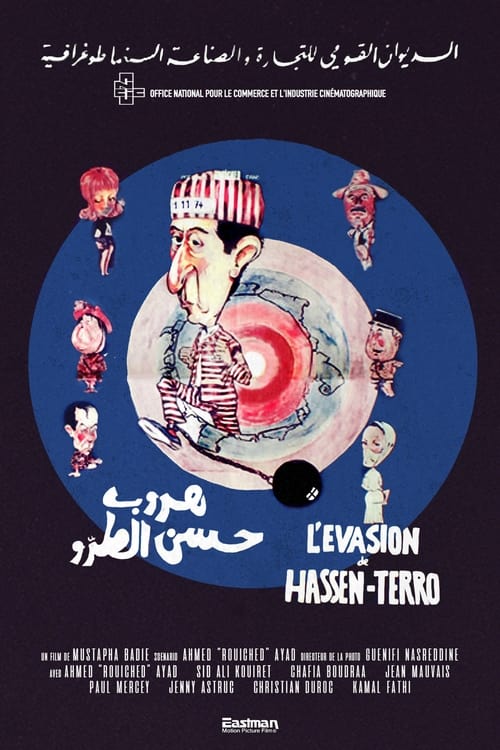
In 1957, the Battle of Algiers intensifies. Hassan, a peaceful resident of the Casbah, is mistakenly identified as a dangerous "terrorist leader," earning him the nickname "Hassan Terro." He is arrested, but the French occupation army secretly organizes his escape in the hope of tracking down the leaders of the resistance. In turn, the Algerian liberation army exploits Hassan's naivety to thwart the French military command and disperse its forces.
Hassan Terro's Escape
Inspector Tahar conducts one of his investigations in an inn...
L'inspecteur Tahar L'auberge du Pendu
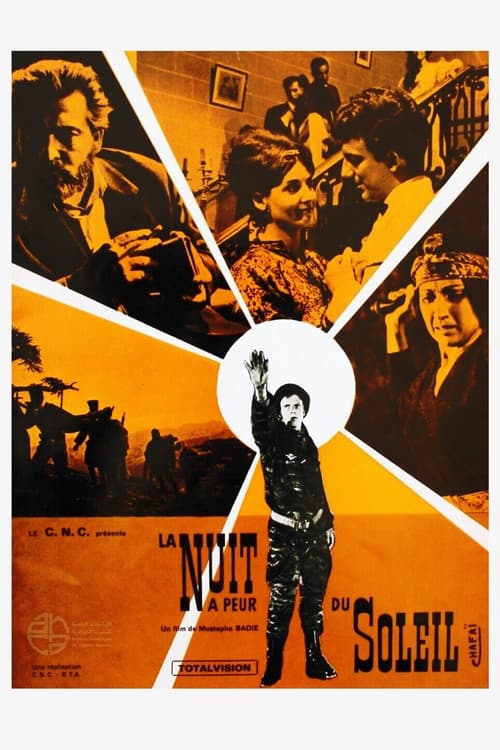
Historical film in four scenes which retrace the returns, the progress and the outcome of the war of liberation in Algeria. The first painting, “The land was thirsty” describes aspects of injustice and colonial oppression. The second “The Paths to the Prison” recounts the sufferings of the people engaged in combat. The last two are the stories of two lives.