Rabah Laradji
Directing
Biography
Rabah Laradji (رباح. لارادجي), born in 1943 in Bordj Menaïel (wilaya of Boumerdès) in Algeria, is an Algerian film director and screenwriter. He studied film at the INC (National Institute of Cinema of Algiers 1964-1966) in Ben Aknoun, in the western suburbs of Algiers. The school produced the only cohort of filmmakers such as Farouk Beloufa, Sid Ali Mazif, Merzak Allouache, Mohammed Lamine Merbah, and Sid Ali Fettar before its closure. After graduating, Rabah Laradji was admitted to the ONCIC (National Office for Cinema Commerce and Industry) as an assistant director. He contributed to the production of several feature films, both documentaries and fiction. He directed his first short fiction film in 35mm in 1969 and discovered documentary filmmaking. He went on to direct a whole series of these, including some docu-fiction films. In 1981, Rabah Laradji finally directed his first feature-length fiction film, "Un Toit, Une Famille," which won the Best Actor Award for Faouzi Saichi at the Carthage Film Festival in 1982, while playing a role for the first time in his life, without any prior experience.
Known For

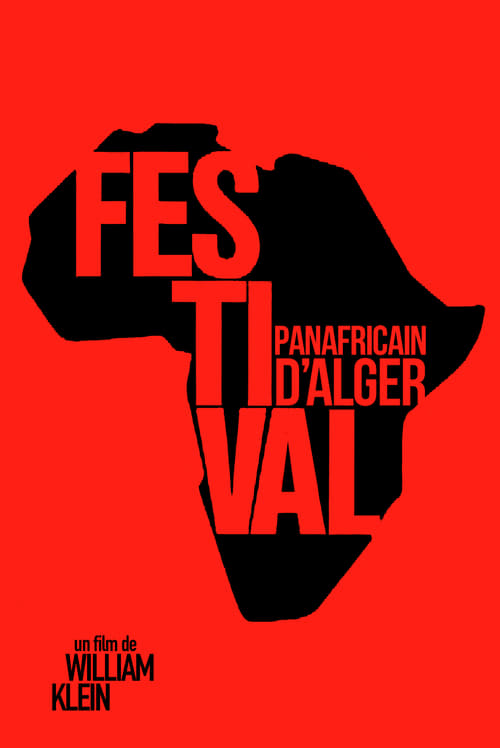
Festival panafricain d'Alger is a documentary by William Klein of the music and dance festival held 40 years ago in the streets and in venues all across Algiers. Klein follows the preparations, the rehearsals, the concerts… He blends images of interviews made to writers and advocates of the freedom movements with stock images, thus allowing him to touch on such matters as colonialism, neocolonialism, colonial exploitation, the struggles and battles of the revolutionary movements for Independence.
The Panafrican Festival in Algiers

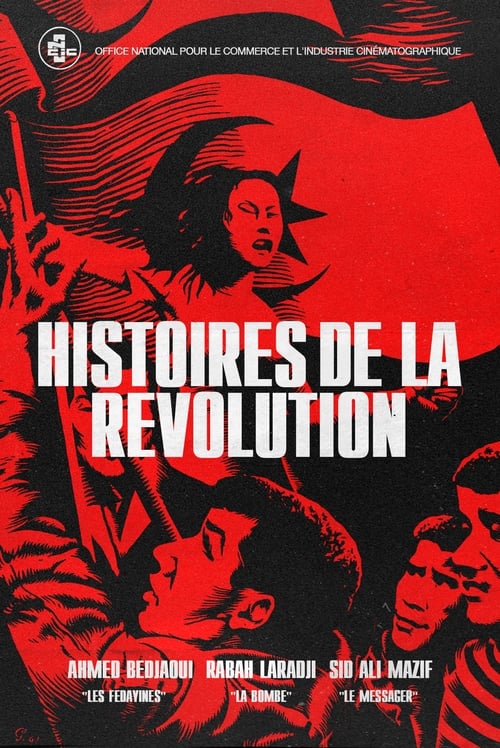
The film recounts in three parts by three different directors the Algerian people's struggle for independence after 130 years of French colonization: Ahmed Bedjaoui "Les Fedayines," Rabah Laradji "La Bombe," Sid Ali Mazif "Le Messager."
Stories of the Revolution

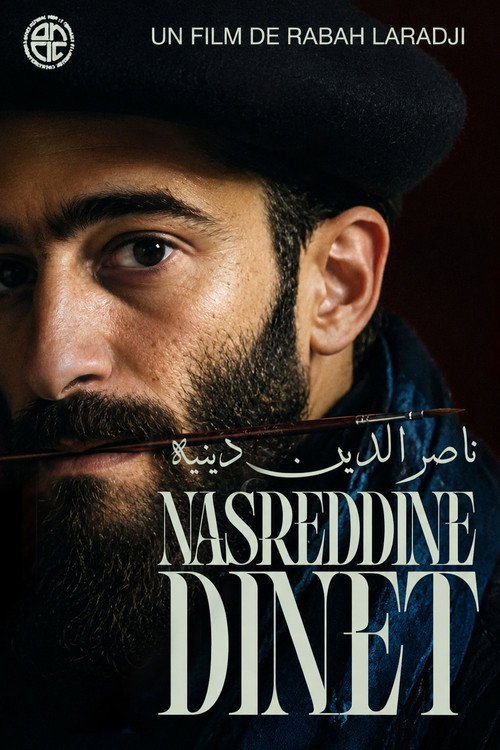
Étienne Dinet (إتيان دينيه), born March 28, 1861 in Paris, where he died on December 24, 1929, was a French painter and lithographer. He was one of the leading representatives of Orientalist painting at the turn of the 19th and 20th centuries. Obtaining a scholarship in 1884, Dinet undertook his first trip to southern Algeria in the region of Bou-Saâda, the Naili culture having a profound impact on him, as he would return there many times until he settled in his first Algerian studio in Biskra in 1900. In 1905, he bought a house in Bou-Saâda to spend three-quarters of the year there. In 1907, on his advice, the Villa Abd-el-Tif was created in Algiers, modeled on the Villa Medici in Rome. Having lived much of his life in Algeria, he called himself Nasreddine Dinet (نصر الدين ديني) after converting to Islam. On January 12, 1930, he was buried in the Bou-Saâda cemetery, where a museum that houses many of his works bears his name.
نصر الدين ديني

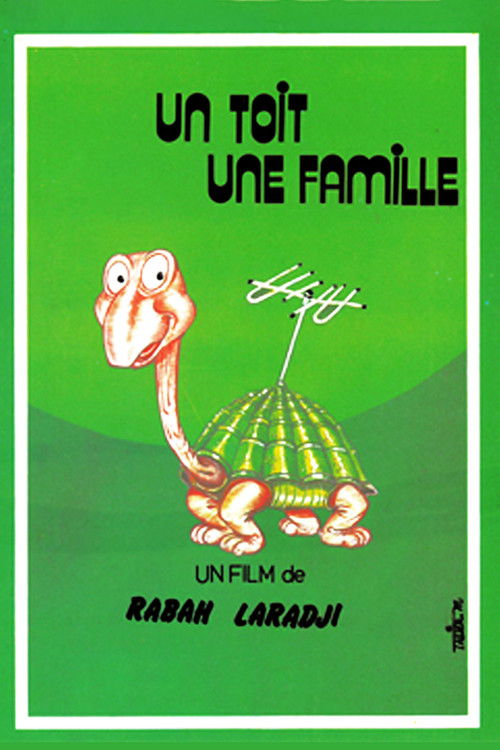
Selim Mechoubine, a young man of 28, is the eldest of a large family. In the cramped accommodation he shares with his parents, brothers and sisters... he occupies the kitchen, the refuge of his dreams and his many fantasies. Selim, the court clerk where divorcing couples parade..., wants to get married. His mother finds him “the rare pearl”. But now, the bride's family demands that the couple have their own home... Selim's misadventure begins; he finds himself confronted with the problems of the housing crisis which forces him to begin a long quest, procedures, requests to find the sine qua non condition for his marriage.
One Roof, One Family

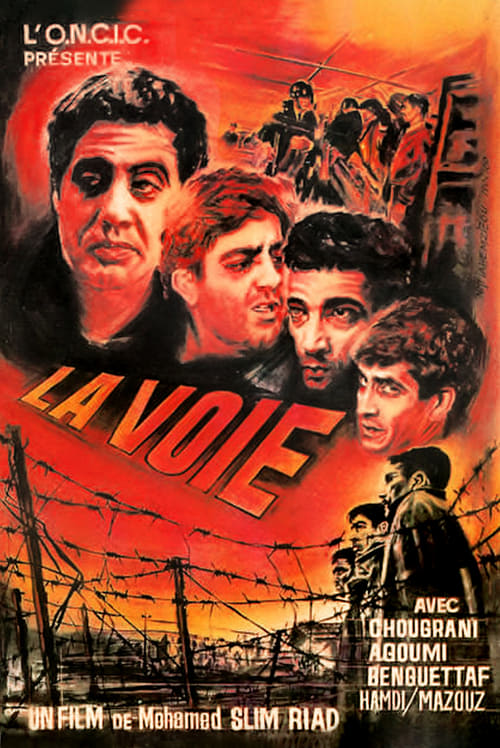
The Algerian War is seen through the eyes of a group of Algerian freedom-fighters who have been captured and incarcerated in French-run military prisons both in France and Algeria. In addition to attempts at escape, this prison drama also includes propaganda and brainwashing attempts by the French and scenes of torture. In what is possibly the most horrible torture of all, the inmates are forced to listen to broadcast speeches by General Charles de Gaulle -- speeches which illustrate the changing relations between the French and the Algerians.
The Way

Collectively made Algerian film.