Ahmed Bedjaoui
Directing
Biography
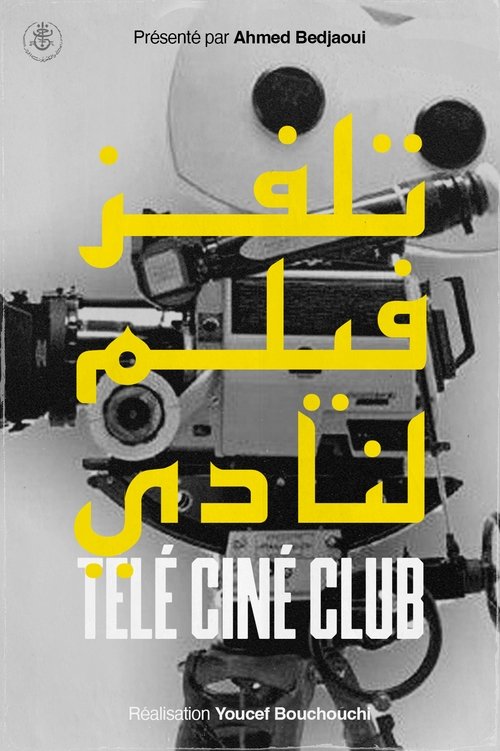
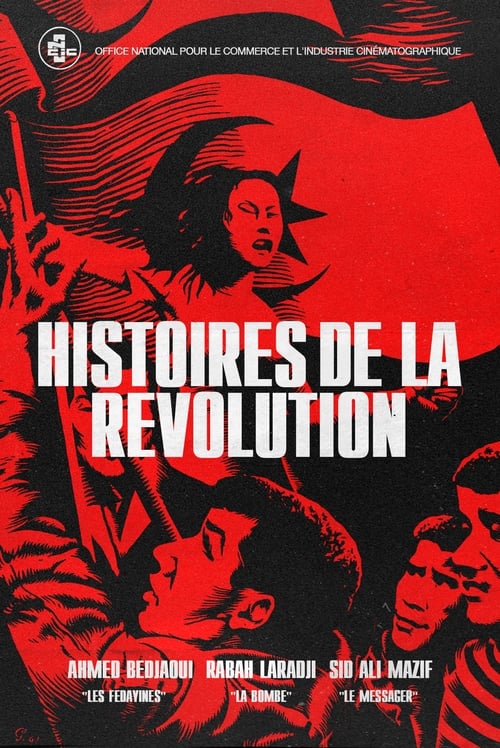
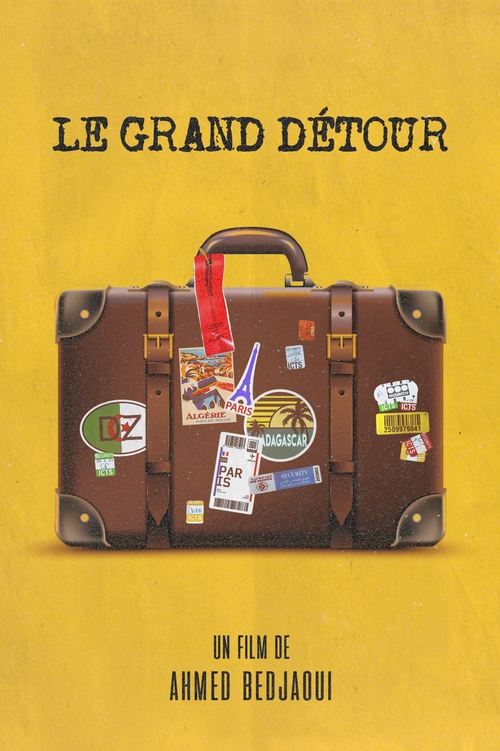
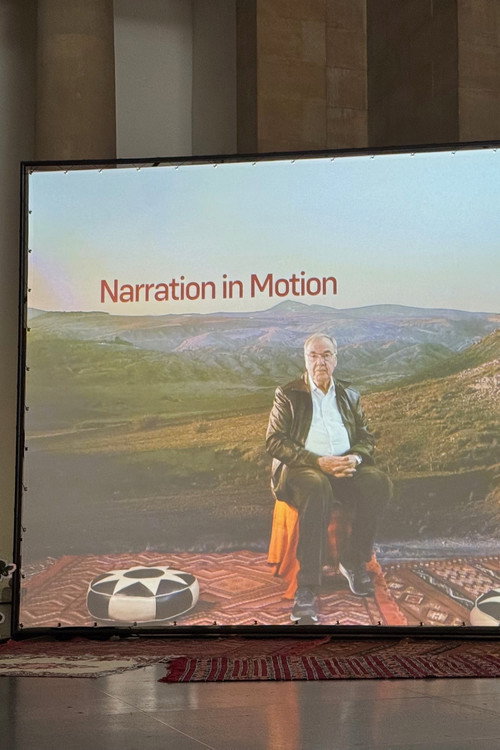
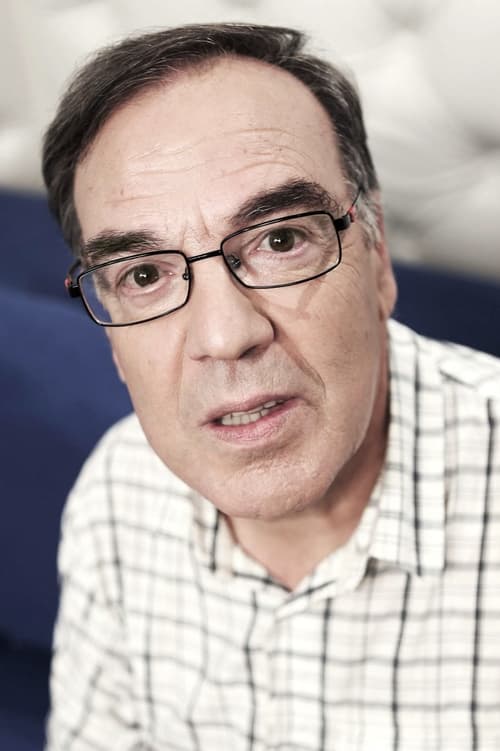
Ahmed Bedjaoui (in arabic : أحمد بجاوي), born in 1943 in Sebdou in Algeria, is a journalist, host, director, writer and an emblematic figure, the “Mister” of Algerian cinema. He hosted the famous Télé Ciné Club from 1969 to 1989. With his particular tone, but above all content, he introduced Algerians to the classics of cinema. He knew, with pedagogy, and the guests he invited to the set, how to dissect a film. We could see, with relish, the works of Alfred Hitchcock, Ingmar Bergman, Salah Abou Seif, and, of course, Algerian films. Ahmed Bedjaoui has had a solid career in the press, cinema and television. Graduated from IDHEC in 1966, and held a P.H.D. since 1983. in American literature with a thesis on Scott Fitzgerald and Hollywood. A freelance journalist in the written press since 1966, in charge, among other things, of the cinema, television and radio sections, he was successively from 1969, producer and presenter of programs on cinema on Algerian Television, programmer and head of archives at the Algerian Cinematheque from 1966 to 1971, and advisor to the general director of the Algerian Cinema Office (ONCIC) from 1971 to 1977. It was on this date that he was appointed Director of the film production department at Radio-Television Algerian, completing more than 70 feature films. Vice-president of the National Audiovisual Council from 1987 to 1991, he was also advisor for communications to the Algerian Prime Minister. After working as a consultant for the European Commission, since 1993 he has been director of the REMFOC network, an organization dedicated to the development of North African journalists. Advisor for cinema to the Algerian Minister of Communication in 2000, he was appointed Deputy Commissioner General for the Year of Algeria in France in 2003. He was commissioner of the Algerian film week, at the Maison des Cultures du Monde of Berlin. Laureate of the "Institut des Hautes Etudes Cinematographics" (IDHEC - Paris) and holder of a Doctorate in American literature, Ahmed BEDJAOUI is artistic director of the Algiers committed film festival and President of the Algerian Cinema Aid Fund. He is a university professor at the faculty of communication at Algiers University. Ahmed Bedjaoui is the author of five works: "Images and faces", "Cinema and war of liberation, battles of images", "Arab literature and cinemas", "The Algerian War in world cinema", " Cinema in its golden age” and “The Saga of the creation of the Algerian cinema library (1965-1969)”. In France in 2016, he received the title of Officer of Arts and Letters. In 2015, UNESCO awarded him the Féderico Fellini Medal for services to film culture around the world. In 2019, he is President of the Feature Film Jury at the 26th FESPACO, Ouaga, Burkina Faso.