FEEL IT.STREAM
Moussa Haddad

Moussa Haddad

Directing

Biography

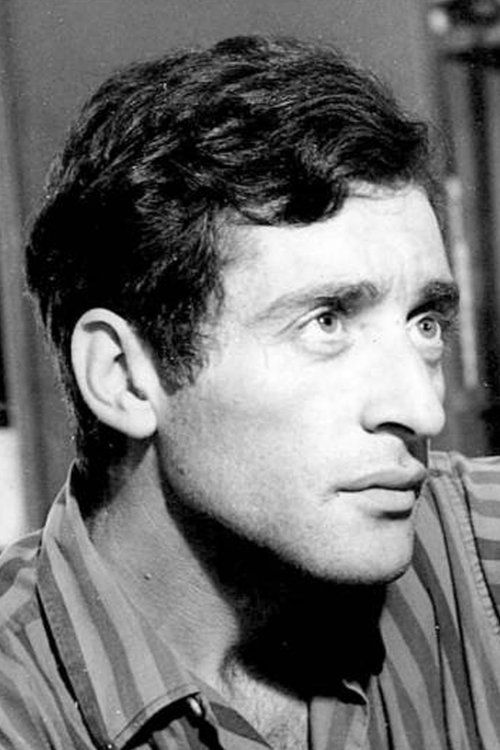
Moussa Haddad (in Arabic: موسى حداد), born in 1937 in Algiers and died on September 17, 2019 in the same city, is an Algerian film director, screenwriter and producer. Moussa Haddad made his television debut at RTF. He was then assistant director to Italian director Gilo Pontecorvo on the film The Battle of Algiers released in 1966, and The Stranger by Luchino Visconti (1966), two films produced or co-produced by Casbah Films, the company created by Yacef Saâdi. He was also Enzo Peri's assistant on the film Three Pistols Against Caesar. In 1967, he joined Radiodiffusion Télévision Algérienne (RTA) and shot L'Inspecteur Mène L'Enquête (1967), already starring the character of L'inspecteur Tahar, Une cigarette pour Ali (1968), La Guerre des jeunes (1969), El Fidayoun (1971) and Sous le peuplier (Min Qurb As-Safsaf, 1972). This last film, about the difficulties of a peasant who wants to dig his own well, is Moussa Haddad's only known foray into rural Algeria, against the backdrop of the campaign for agrarian reform. He has also made numerous documentaries for the small screen and filmed the Jacques Brel concert in Zeralda. He is also considered the precursor of the hidden camera on Algerian television. He will direct and produce the first Algerian video clip, for a song by Boualem Chaker. Moussa Haddad's fame would spread beyond Algeria with the success of the film Inspector Tahar's Holiday (1972), which became a cult classic. Produced by the ONCIC for the big screen, the film starring Hadj Abderrahmane and Yahia Benmabrouk drew crowds and remains one of the biggest commercial successes in Algerian cinema. Away from the spotlight since Made In in 1998, the director returned behind the camera with Harraga Blues, a social drama about illegal immigration7. The film, presented in competition at the Abu Dhabi Film Festival in 2012, tells the story of two friends, Zine and Rayane, who dream of reaching Spain in harragas (border burners), encounter difficulties before Zola's love for Zine finally decides otherwise. Harraga Blues would win the prize for best screenplay at the first Saïdia Film Festival. His film, Les Vacances de l'inspecteur Tahar is part of a set of 15 films digitized in 2016, including public successes from the 1970s such as Hassan Terro by Mohammed Lakhdar-Hamina or Omar Gatlato by Merzak Allouache. An influential filmmaker in Algerian and Arab cinema, Moussa Haddad died in Algiers on September 17, 2019.
Known For

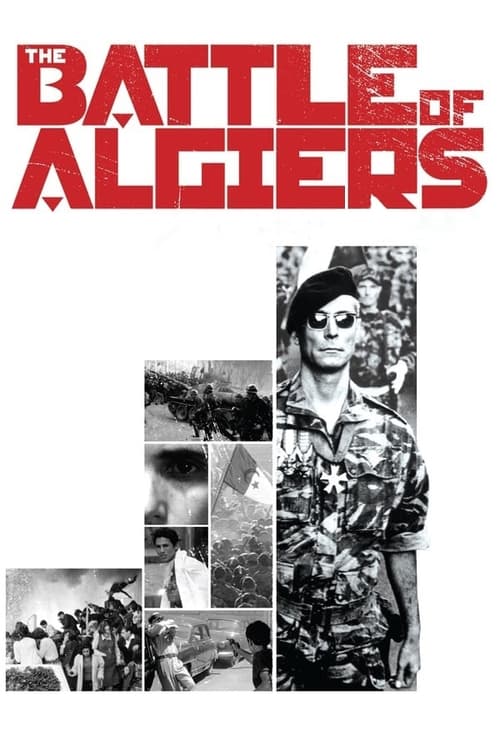
The Battle of Algiers
7.9

Paratrooper commander Colonel Mathieu, a former French Resistance fighter during World War II, is sent to Algeria to reinforce efforts to squelch the uprisings of the Algerian War. There he faces Ali la Pointe, a former petty criminal who, as the leader of the Algerian Front de Liberation Nationale, directs terror strategies against the colonial French government occupation. As each side resorts to ever-increasing brutality, no violent act is too unthinkable.

The Battle of Algiers

1966
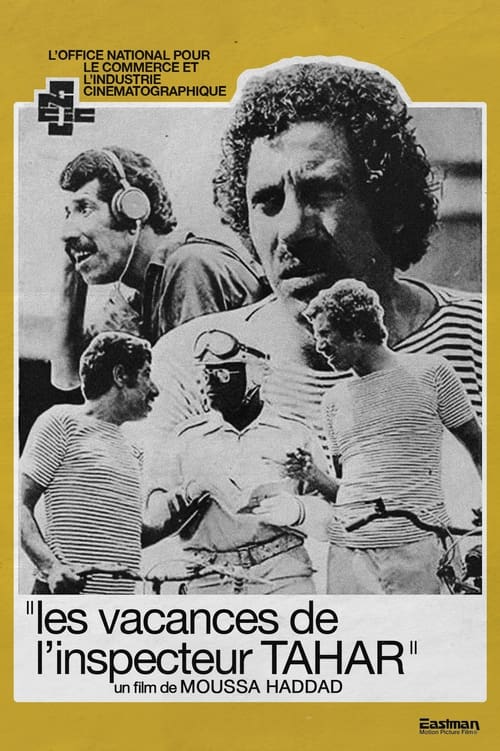
Inspector Tahar's Holiday
8.7

Inspector Tahar and his apprentice are invited by Mama Traki, a popular Tunisian heroine, to spend their vacation in Tunis. Before leaving Algiers, they stop at a tourist complex where a murder has just been committed. The investigation full of surprises and twists and turns will take them to Tunis where they will find Ommi Traki and his family...

Inspector Tahar's Holiday

1972
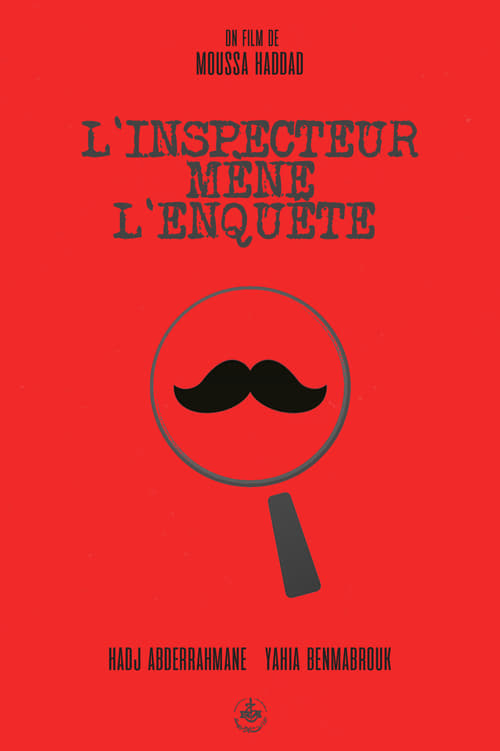
L'Inspecteur mène l'enquête
10.0

No description available.

L'Inspecteur mène l'enquête

1967
Death Walks in Laredo
7.3

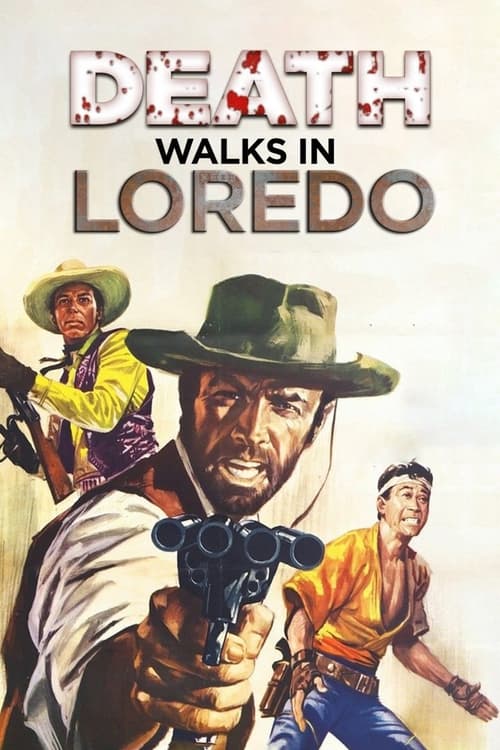
Whitaker Selby, Lester Kato, and Etienne Devereaux, three eccentric gunmen, discover they are brothers. Their father left them all a mine located in Laredo, Texas. But they discover that Julius Caesar Fuller, the town's greedy landowner (who fancies himself Caesar) has taken control of their mine. They band together to fight Caesar and his black clad gunmen to repossess their mine and avenge their father.

Death Walks in Laredo

1967
Boualem Zid El Goudam
10.0

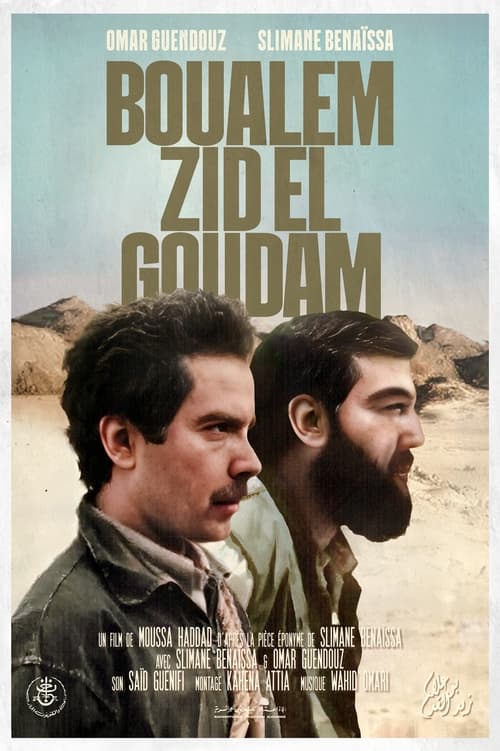
Two travelers, Boualem and Sekfali, cross the hostile and endless desert. Boualem pulls a cart on which old books, pictures, relics and memories of Sekfali are piled up. Two men, two attitudes towards life, two visions of the world. Where do they come from, where are they going? The journey would be completely calm and happy if each of them were not inhabited by their pasts, determining their different visions of the future. Boualem's childhood was marked by the Algerian war of liberation. His dream is to achieve a socialist society, which is for him the only path to salvation. Sekfali, who tries to dissuade Boualem from continuing the journey, has the attitude of an aristocrat. For him, socialism is a heresy and people do not like responsibility, they only act if a leader gives them the injunction.

Boualem Zid El Goudam

1980
Hassan Terro au Maquis
10.0

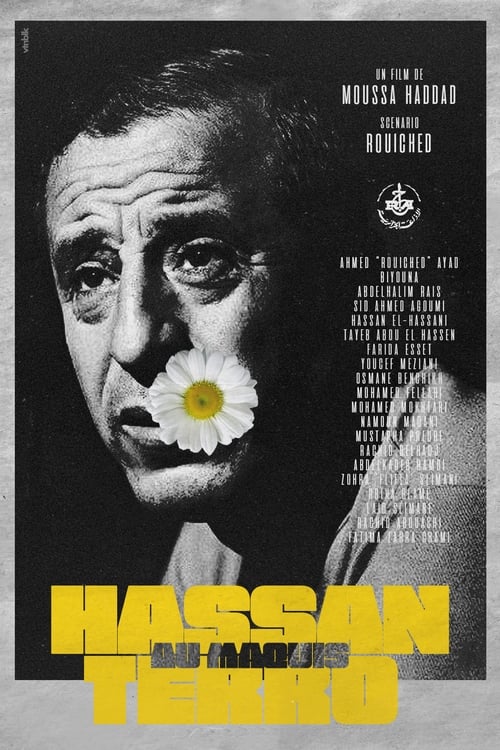
While trying by all means to stay out of the bloody turmoil caused by the Battle of Algiers, Hassan, an honest and naive family man, is wrongfully accused of terrorism by the French colonial army in "Hassan Terro." After escaping in "The Escape of Hassan Terro," Hassan is forced to join the resistance in "Hassan Terro in the Maquis."

Hassan Terro au Maquis

1978
Harraga Blues
10.0

Zine and Rayanne plan to flee to a dreamland, a fantasy haven on the north shore of the Mediterranean. The crossing is commonly made in fishing boats and other small craft; hundreds of harragas die each year. Zine embarks for Spain with a group of others, while Rayyane decides to stay back to raise more money for the crossing - which involves tricking his uncle into lending him money under the pretense of running a local business. But, like so many other working poor around the world, Rayanne refuses to weigh the danger against the prospect of a better world.

Harraga Blues

2013
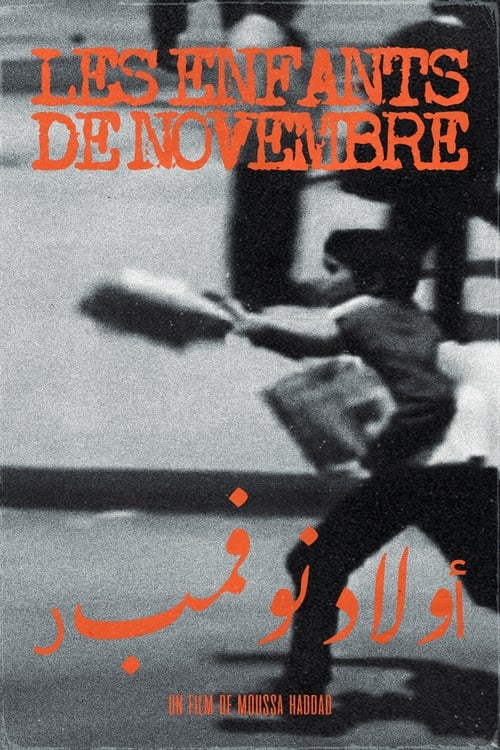
Les Enfants de Novembre
10.0

In the streets of the Casbah of Algiers, an FLN fighter pursued by the colonial police hands over confidential documents to Mourad, an Algerian child shouting newspapers who must at all costs pass them on to the resistance. But the police are on their trail and will do anything to get them back.

Les Enfants de Novembre

1975
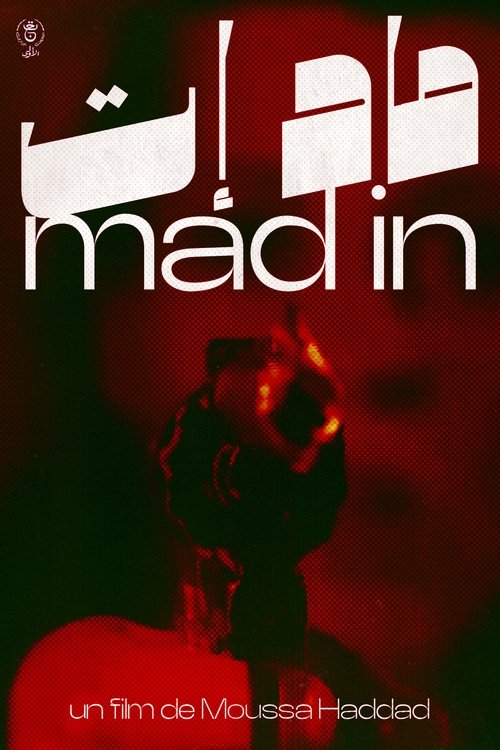
Mad In
N/A

At the end of the 1990s, in an Algerian society torn between conservatism and changing customs, Nadir, a member of a gang, is ordered to recruit a girl, but he refuses to do so because he is in love with her.

Mad In

1999
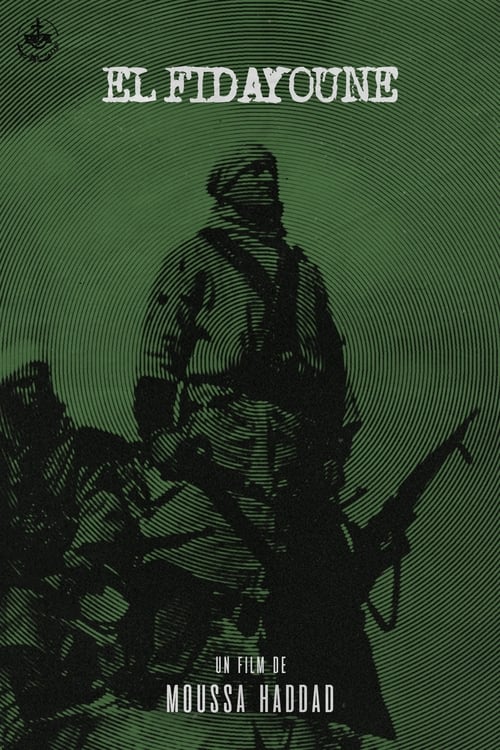
El Fidayoune
10.0

In the midst of the Algerian War in 1957, fighters (fidayounes) resisted French intervention with the help of a doctor.

El Fidayoune

1971