Rouiched
Acting
Biography
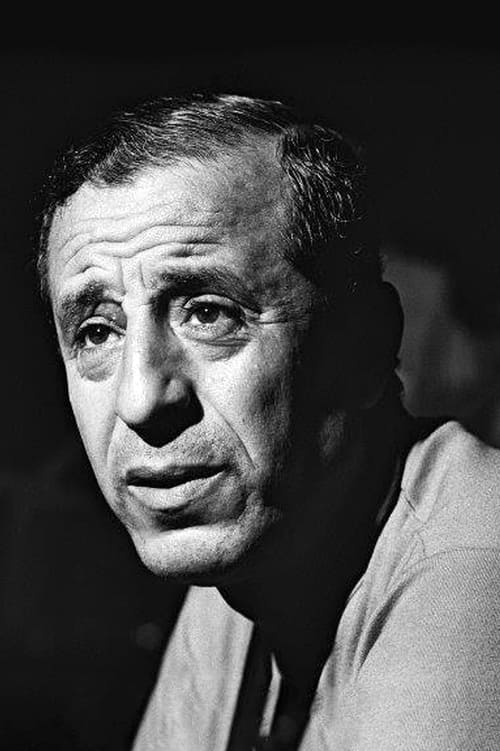
Ahmed Ayad (April 28, 1921 - January 20, 1999), was an Algerian actor and comedian born in Algiers, to a father from Aït Djennad in the wilaya of Tizi Ouzou and a mother from Blida. He is the half-brother of singer Hadj Mrizek. During childhood, Rouiched did a thousand small jobs to survive. Self-taught, he obtained his first role in a play by Abdelhamid Ababsa entitled “Estardjâ Yâ Assi” (Come back to you O unconscious). His interpretation saves the piece from flopping. He then launched into the profession and became the leader of an artistic troupe. He rubbed shoulders with the big names of the time: Rachid Ksentini, Mustapha Badie, Nadjat Tounsi, Sid-Ali Fernandel, Mohamed Touri, Mustapha Kateb… His conception of art and theater earned him the grievances of Mahieddine Bachetarzi. After independence, he was part of the Algerian National Theater troupe, but won recognition on television and in cinema in the film "Hassen Terro" by Mohamed Lakhdar-Hamina. Rouiched, who became a very great figure in Algerian comedy theater and cinema, continued his career on Algerian Television where he played in numerous sketches and television films until his death in 1999.
Known For

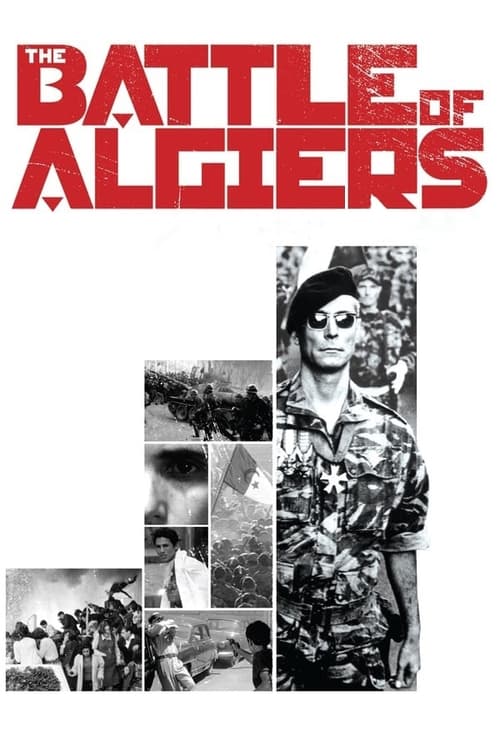
Paratrooper commander Colonel Mathieu, a former French Resistance fighter during World War II, is sent to Algeria to reinforce efforts to squelch the uprisings of the Algerian War. There he faces Ali la Pointe, a former petty criminal who, as the leader of the Algerian Front de Liberation Nationale, directs terror strategies against the colonial French government occupation. As each side resorts to ever-increasing brutality, no violent act is too unthinkable.
The Battle of Algiers

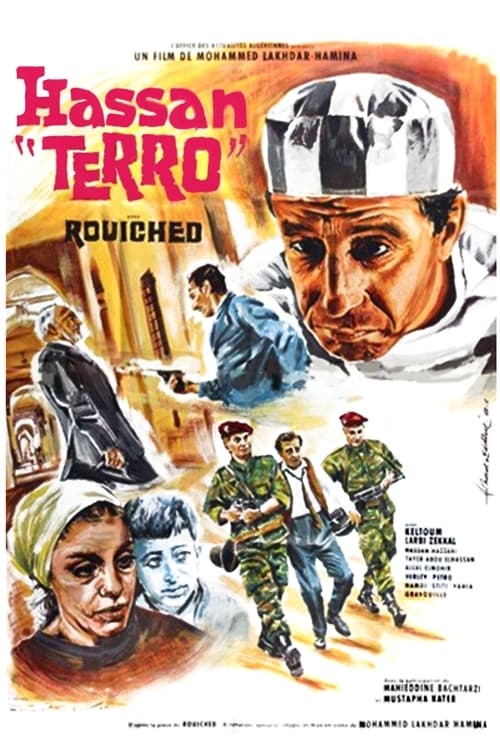
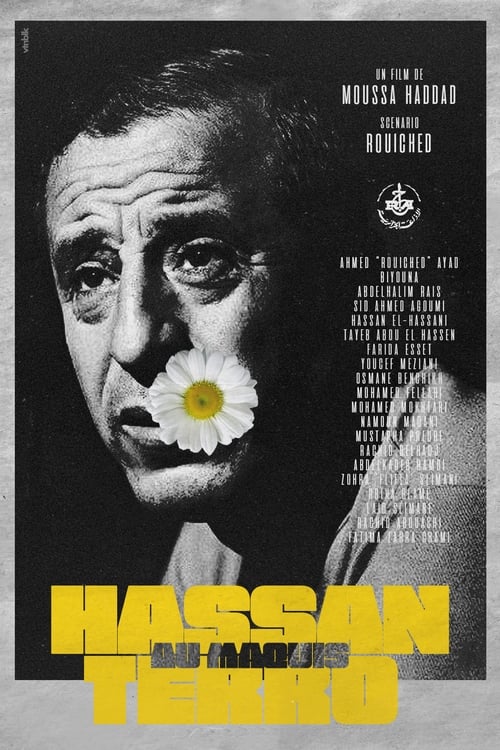
While he tries by all means to stay out of the bloody upheavals caused by the battle of Algiers, Hassan, an honest and naive father, unknowingly offers hospitality to a mujahid actively sought by the army. French. A series of events and misunderstandings quickly catapult him to the forefront, presenting him under the pseudonym “Hassan Terro”, a great fictitious terrorist who would have sworn the doom of the French army...
Hassan Terro

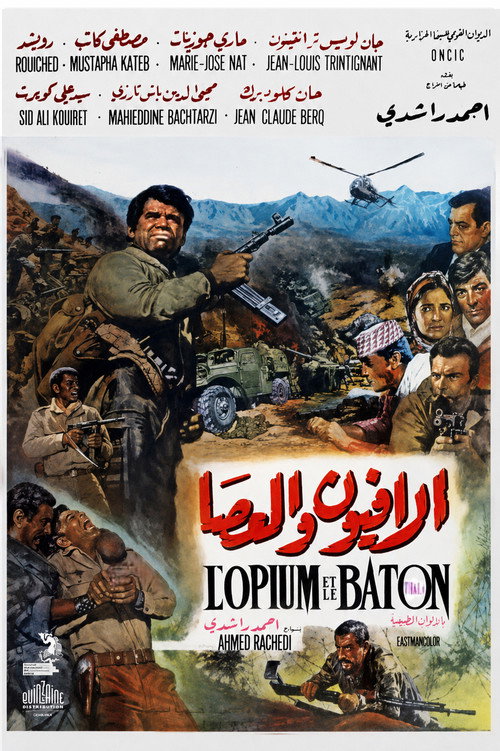
In 1950, in Algeria, in a village in Kabylia, Algerian resistance fighters resisted the French occupation army. Bachir returns to the village to escape the clashes ravaging Algiers. In Thala, he has two brothers, Ali and Belaïd. The first is engaged with the ALN (The National Liberation Army) and fights against the colonizer. His second brother, Belaïd, the eldest, is convinced of a French Algeria. His family torn apart, Bachir decides to join the war and takes sides against the repression of the French army. The French army is trying in vain to turn the population against the insurgents by using disinformation. The more time passes, the more the inhabitants of the village and surrounding areas, oppressed, rally to the cause of the FLN, their houses and their fields will be burned... Adaptation to the cinema of the eponymous novel Opium and the Stick, published in 1965, by Mouloud Mammeri, the film was dubbed into Tamazight (Berber), a first for Algerian cinema.
Opium and the Stick

A drama set a little before the 1920s, in which scattered news, stories and rumors spread the presence of a new wealth, oil, leading to the suspicion that a great change was about to take place.
Sons of the Earth

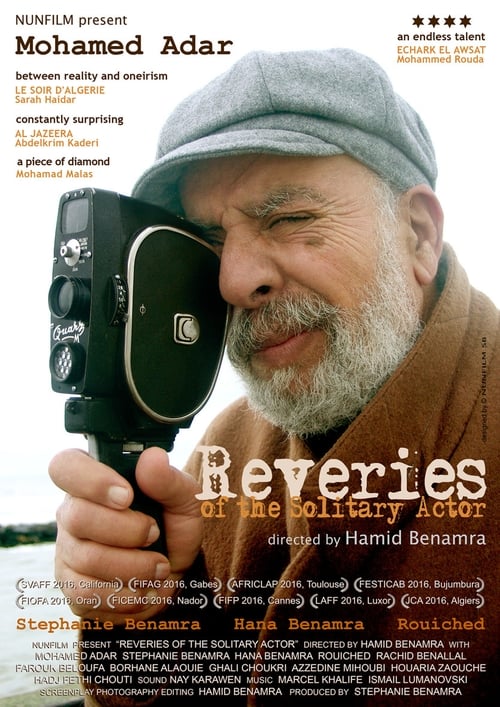
Adar, an old actor who loves both theater and cinema. Its character portrays a play about a shoemaker whose dream is to create a political party, the Nail Party, in order to represent the common people in the presidential election in Algeria. It is a story of absence, memories of absence.
Reveries of the Solitary Actor

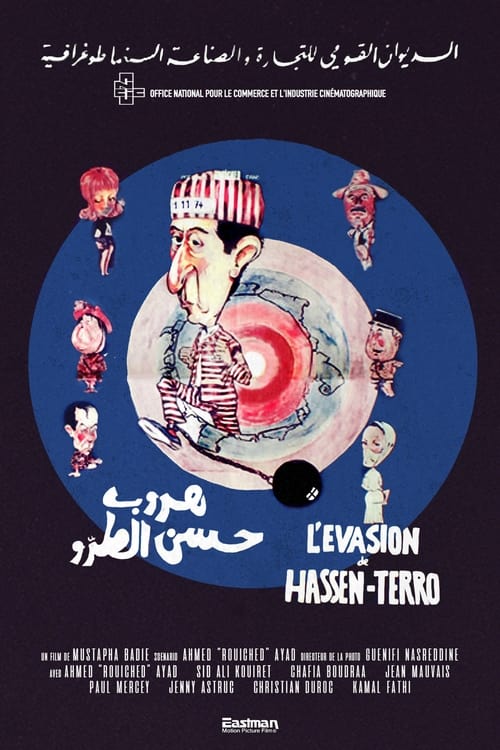
In 1957, the Battle of Algiers intensifies. Hassan, a peaceful resident of the Casbah, is mistakenly identified as a dangerous "terrorist leader," earning him the nickname "Hassan Terro." He is arrested, but the French occupation army secretly organizes his escape in the hope of tracking down the leaders of the resistance. In turn, the Algerian liberation army exploits Hassan's naivety to thwart the French military command and disperse its forces.
Hassan Terro's Escape

This musical comedy produced in 1953 for the General Government of Algeria, features the comic trio composed of Rouiched, Mohamed Touri and Sid Ali Fernandel, accompanied by the orchestra of the master of the Algiers Chaâbi El Hadj M'hamed El Anka, the singer Fadhéla Dziria, Mustapha Skandrani on the piano. Some scenes were filmed at the Summer Palace (the current Palace of the Algerian Presidency, called the People's Palace). André Zwobada, the director, will play an important role after the independence of Algeria in 1962, in the production and preservation of the first Algerian newsreels.
The Unexpected Party

While trying by all means to stay out of the bloody turmoil caused by the Battle of Algiers, Hassan, an honest and naive family man, is wrongfully accused of terrorism by the French colonial army in "Hassan Terro." After escaping in "The Escape of Hassan Terro," Hassan is forced to join the resistance in "Hassan Terro in the Maquis."
Hassan Terro au Maquis

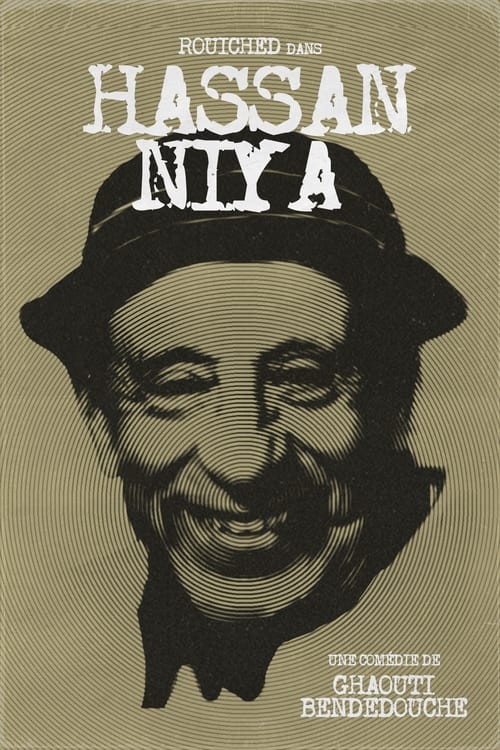
The story of Hassan, the handyman in the inn of his sister Aïcha, widowed and childless. A whole series of incidents, misunderstandings, will punctuate his daily routine in which we find him in turn driver, waiter, welder, etc. But, he refuses to submit to anything that does not conform to the idea he has of society and things...
Hassan Niya

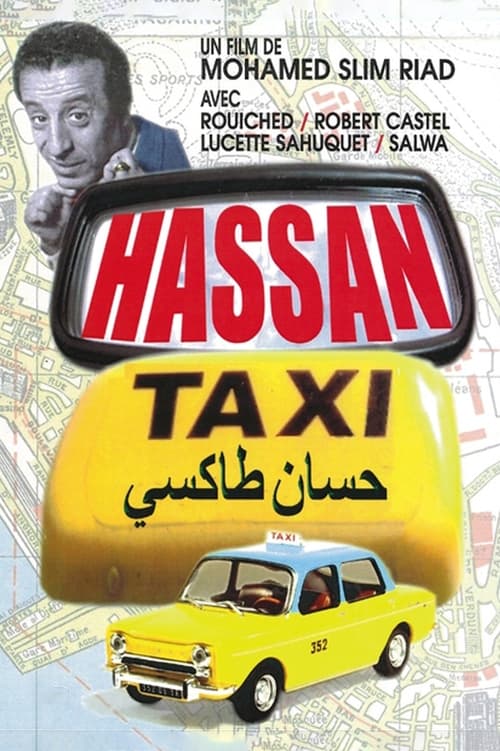
Hassan, tired and worn out by the long years of post-independence, obtains a taxi license as a veteran and will crisscross the streets of Algiers, experiencing the most incredible adventures.
Hassan Taxi

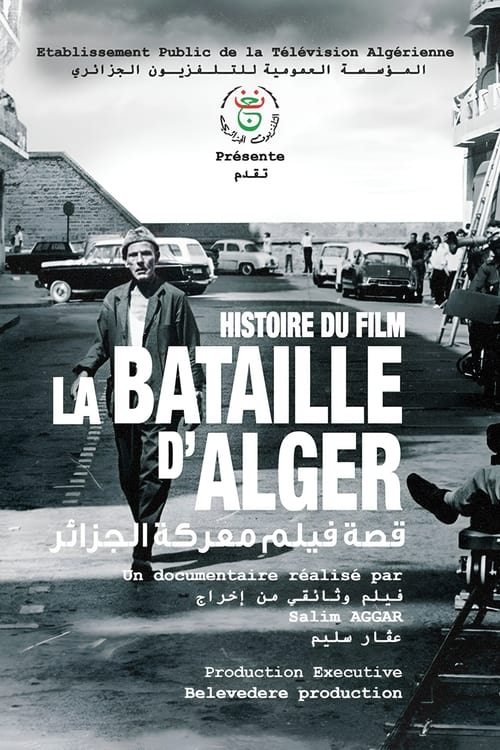
More than fifty years after the release of the film “The Battle of Algiers” in theaters in June 1966, director Salim Aggar found, after a search which lasted more than a year and a half, the actors, extras and technicians who worked on the film directed by Gillo Pentecorvo and produced by Yacef Saadi. In this documentary full of anecdotes and stories about the filming of the film, the director found the actress who played the role of Hassiba Ben Bouali, the young 17-year-old actress who played Bouhamidi's bride but especially certain figures important parts of the film who were barely 10 years old at the time of filming and who no one will recognize today. Beyond the important historical aspect of the film, the documentary focused mainly on the social, cinematographic and cultural aspect of the film and its impact on a generation which had just regained independence.
L'Histoire Du Film "La Bataille D'Alger"

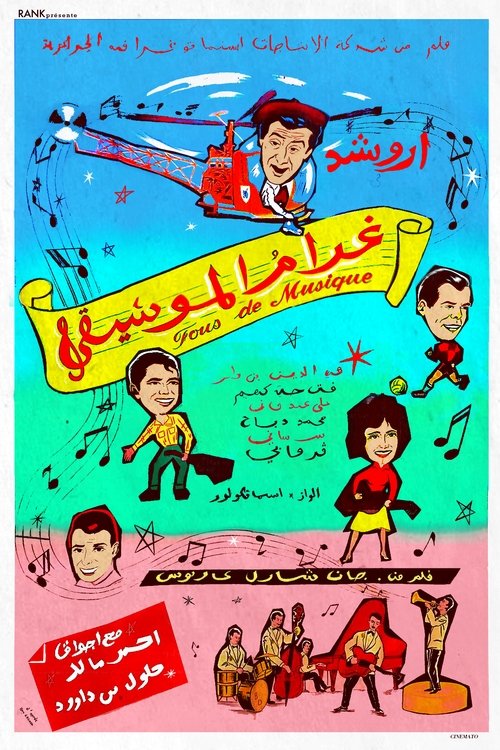
Fous de Musique by Jean-Charles Carlus (1957) is a musical comedy featuring Rouiched, Mahieddine Bentir and the famous Bendaoud orchestra. Shot during the Algerian War, the film was not released until after independence and was probably shown in Paris in cinemas intended for immigrant workers around 1967. Sources: Archives Numériques du Cinéma Algérien
Crazy About Music

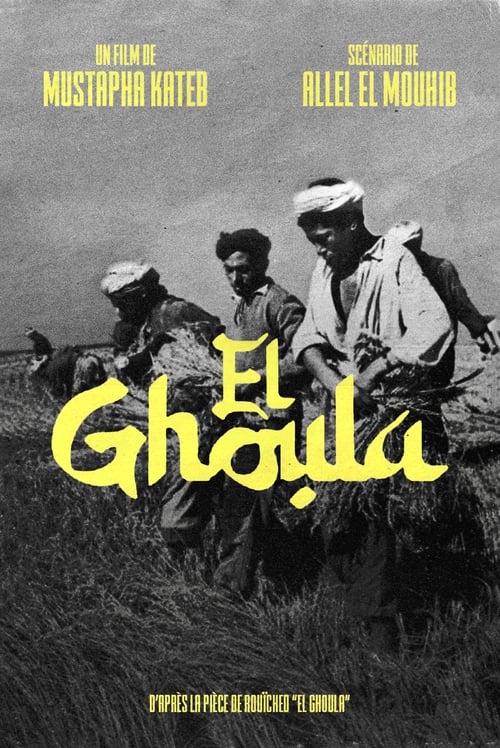
An adaptation of the satirical play of the same name by comedian Rouïched (Ahmed Ayad). "El-Ghoula" (The Vampire) tells the story of a corrupt official who lives off the peasants of an agricultural cooperative. Instead of solving problems, this official manipulates empty rhetoric and "revolutionary" slogans to galvanize them and encourage them to continue working. Opportunistic, he will transform the fellahs' work into chaotic bureaucratic procedures for his own personal gain.