Vangel 'Laki' Čemčev
Editing
Known For
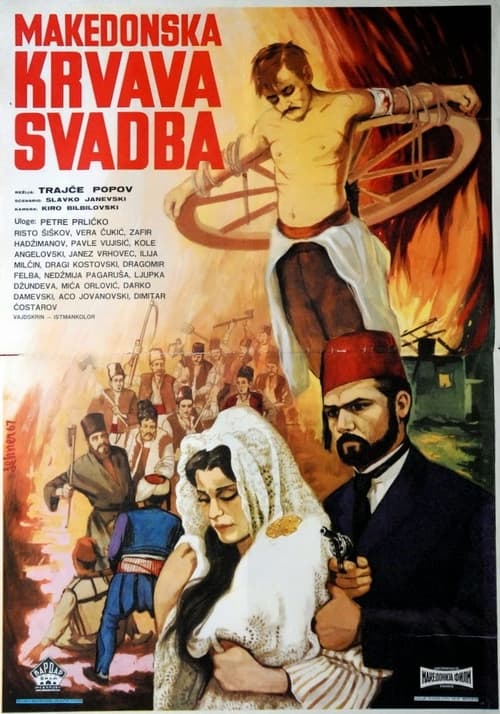
The film is the story of girl Cveta who was abducted by the Ottoman bey and taken away in his harem. Bey is trying to embrace Islam, but its persistence, and its neighbors led beloved Spasa, and beloved local priest, assisted by diplomats of the great powers manage to free themselves. On the day of her wedding comes Bey with his army to try to get it back. Cveta dies, Spasa killing Bey and and goes to the committees.
Macedonian Blood Wedding
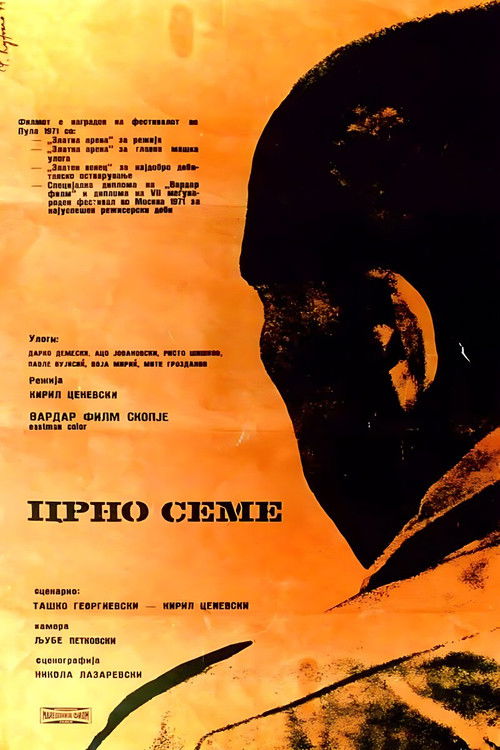
The story of Macedonian soldiers who were captured by the Greek army and taken to the prison camps on Greek islands during Greek Civil War in 1946. Suspected of being communists, they are maltreated by the Greek officers running the camp
Black Seed
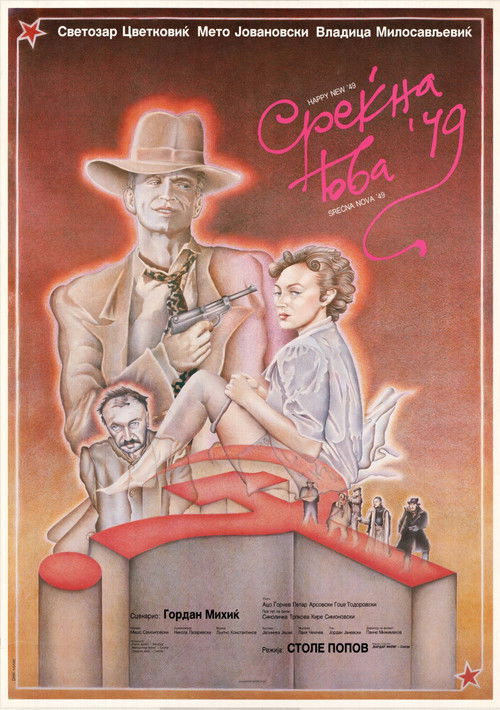
The story of two brothers of different orientation and fate. The drama takes place in an atmosphere of tension and fear, during the conflict of Yugoslav Communist Party with the Stalinism, during the Cominform. Older brother Dragoslav, a returnee from Russia, was unjustly accused of being a Russian spy and subsequently arrested. Younger brother Kosta is not interested in politics, but he's attracted by a brother's wife Vera and underworld mafia. In the end, it turns out that a young woman belongs to the Soviet spy agency.
Happy New '49
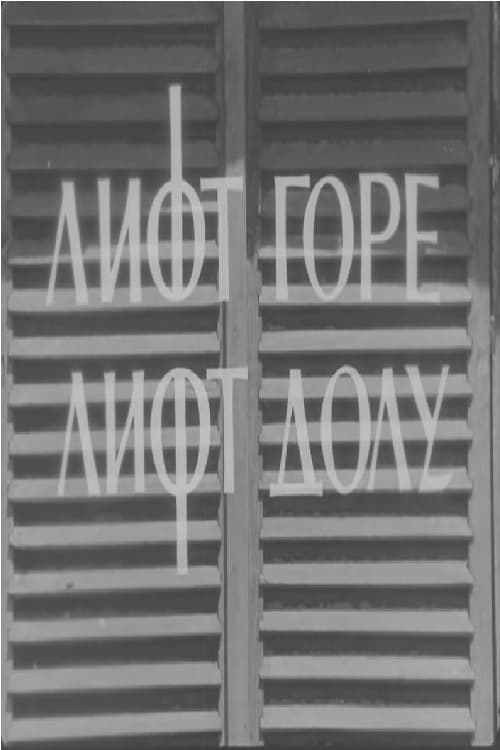
A group of children find space to play between an unfinished apartment house and a brickyard, building their own world in the inexhaustible possibilities offered by their imagination. Their play, joy and laughter bother the construction site guard, and that means the end of the game.
Elevator Up, Elevator Down
The film depicts the formation of a clay head, which the sculptor makes in memory of a childhood event, when a man's head was cut off and piled on a stake.
A Head
An omnibus with 3 segments: The Bird Urubu and Virgin, Wonderful World and Devil in the Heart, sometimes referred to as separate movies.
Light Gray
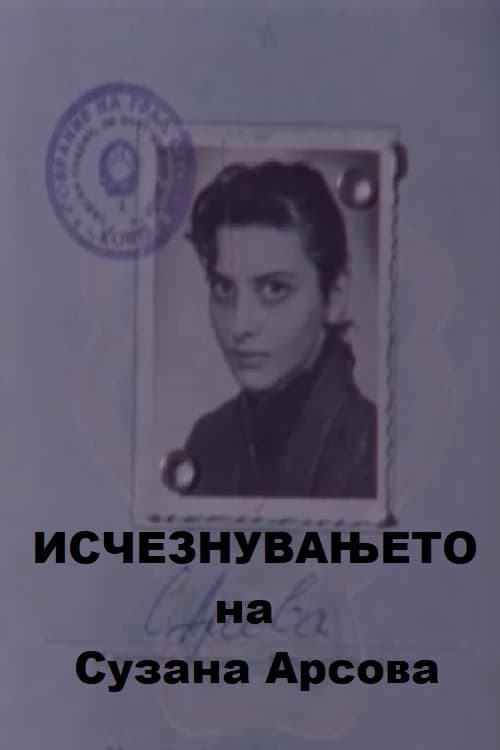
The story is filmed in the style of a 'fake documentary' and it is about a missing woman named Suzana Arsova. We get to know more about Suzana through the interviews with her acquaintances, relatives and friends…
The Disappearance of Suzana Arsova
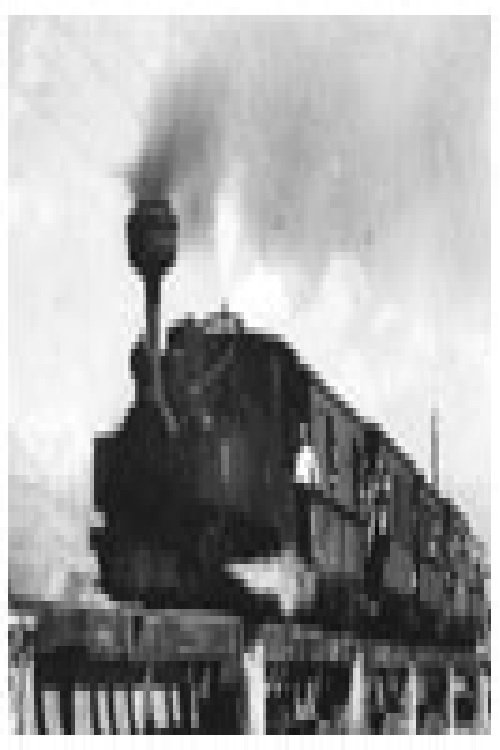
A depiction of one of the last journeys of the little train, the so-called "teapot", on the Gostivar-Ohrid route. This train is specific for using the narrow-gauge railway, which takes it through high mountain passes and up to over 1000 meters above sea level, as well as the picturesque landscapes of Western Macedonia through which the "teapot" passes.
The Tired Traveler
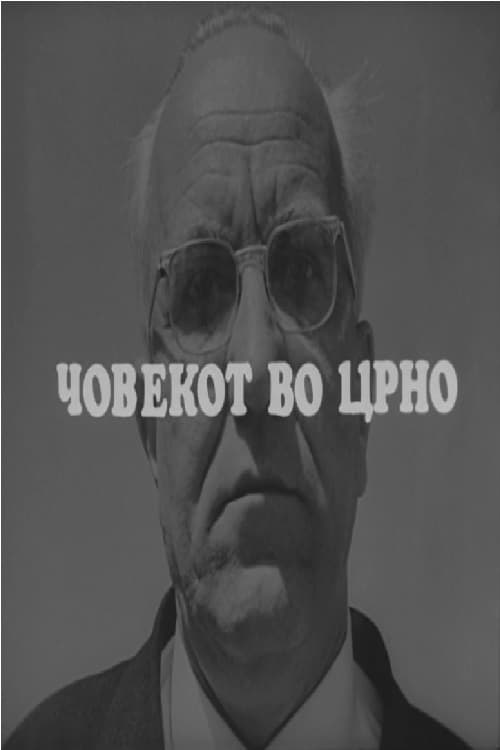
People need a leader. Someone has to lead them, even if he is sick. The man in black stands at the bus stop and warns anyone who comes to stand in line. The queue is getting longer. When the bus arrives, the man lets the people in line enter in front of him, and when he prepares to enter, paramedics come and take him away.
The Man in Black
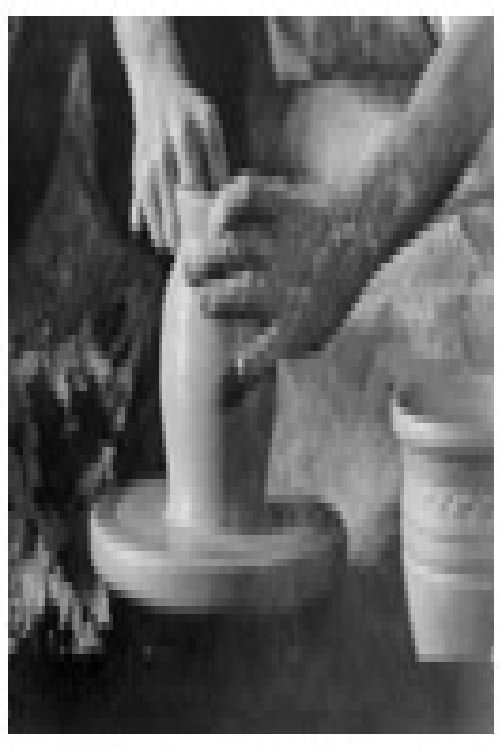
Vraneštica, a village near Makedonski Brod, in the west part of Macedonia, unlike other villages in this region, still exists today thanks to its unique craft – pottery.
Vranestica
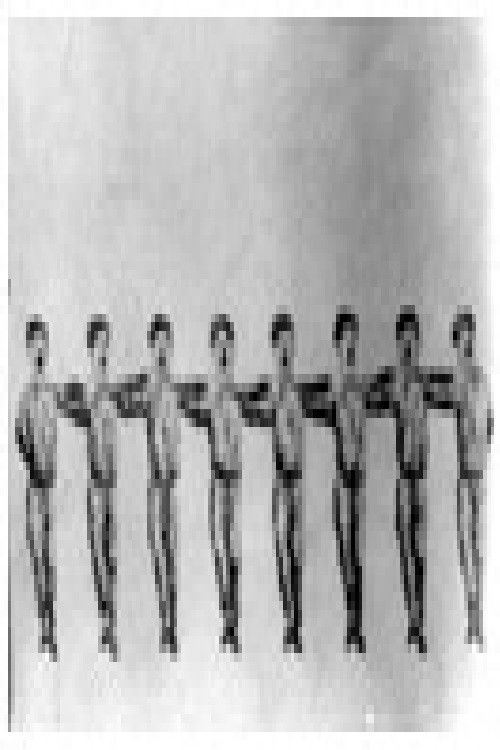
A satirical depiction of the national dance "Teškoto" in which the syndrome of mutual human destruction is inserted.
The Hard(est)
Celebration of Labor Day, May 1st. While Skopje is decorated with flags and banners on the occasion of the holiday and the city is deserted, the picnic areas are full of people who have fun in a variety of ways; then, after the holiday, they leave the nature polluted with waste.
A Holiday
The life of newspapers begins with their release from the press and their arrival in the hands of buyers – readers, regular consumers of political, entertainment, and even sports columns. Pensioners read newspapers with their first morning coffee, people rushing to work read them on buses. Everyone reads their own newspaper, and some, sneaking in, someone else's. The newspaper is a constant companion at every moment, on vacation, in hairdressers, while babysitting and walking small children in the park...
Newspapers, Newspapers
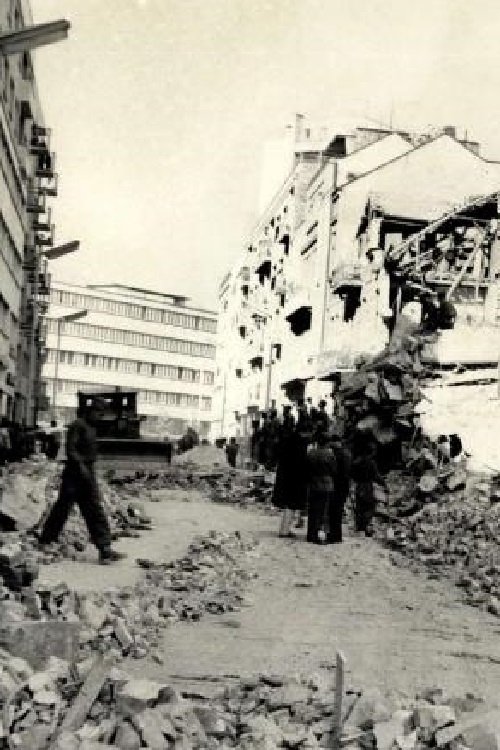
Recording of the catastrophic earthquake one hour after the tragedy. Shows the rescue attempts and the extent of the damage.
Skopje, July 26, 1963
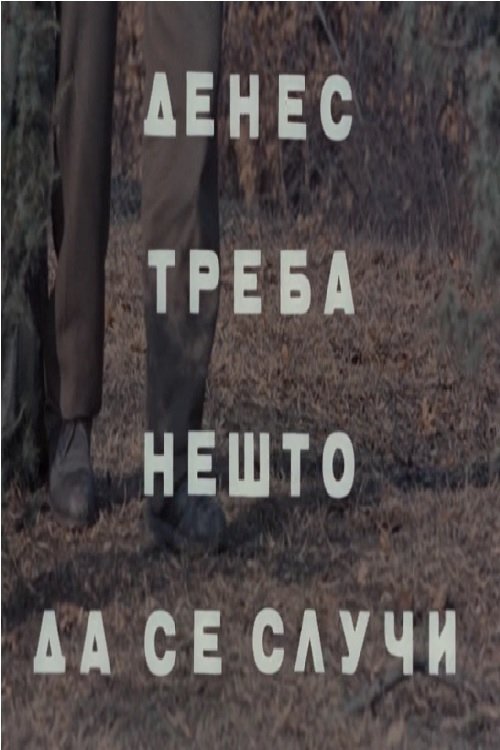
Two old people who are still in love, and are separated on both sides of the border that does not allow them to be together, are seen daily. She, all in black, comes to gather grass in the grove, and he, sitting on a tree with a pipe in his hand, is constantly waiting for her to appear. The border guards are relentless and prevent her from trying to cross the border. And so passes the time filled with the memory of a happiness, so possible and unrealized because of the border stone that divides the country.
Something Should Happen Today
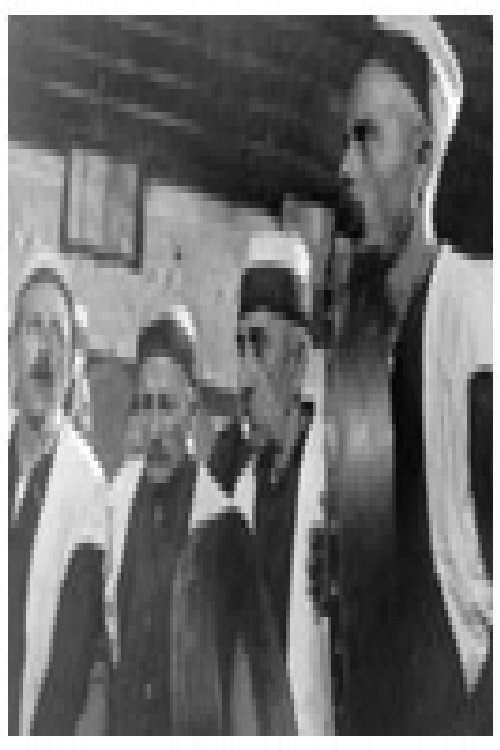
The film is about the Dervish ritual on the day of spring, March 22. Every year this Muslim sect performs this ritual in Prizren and according to their belief, the year begins with the arrival of spring and they have to tease the gods for spring to come.
Hailing of the Spring
The traditional martial art known as pelivanstvo is still cultivated in some parts of Macedonia. Perhaps this is one of the reasons for the success of the national wrestlers in the world, who have so far won medals at both the Olympics and world wrestling championships. One of them is Tefik Demiri, who through pelivanstvo has become a multiple state champion in freestyle wrestling.
The Steel Grip
The documentary follows the life path of Blaga Micanova, who as a young village girl, growing up through work actions leaves the village and becomes the first woman in Macedonia to work with a bulldozer.