
Deepa Dhanraj
Directing
Biography
Deepa Dhanraj is an Indian documentary filmmaker, researcher, and writer. Known for her intersectional view of gender oppression and a collaborative approach to documentary, Dhanraj’s extensive filmography spans four decades and engages with questions related to women’s status, political participation and resistance.
Known For
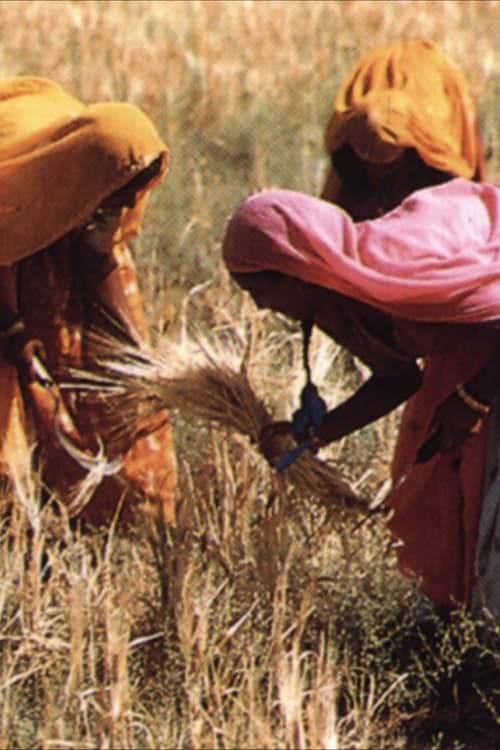
Discusses Malthus's theories of population and the causes of poverty. As film contrasts the 19th century poor in Scotland with today's poor in India, it takes on the international population "establishment", challenging the entrenched view that overpopulation alone is responsible for poverty and environmental destruction.
The Legacy of Malthus
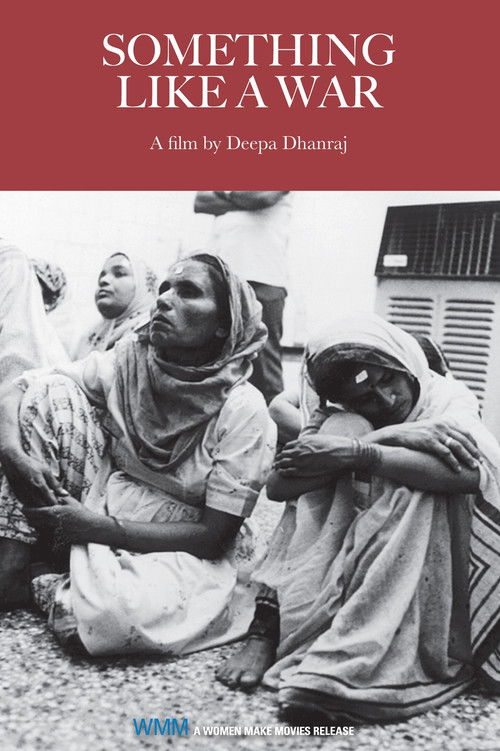
An examination of India’s family planning program from the point of view of the women who are its primary targets. It traces the history of the family planning program and exposes the cynicism, corruption and brutality which characterizes its implementation. As the women themselves discuss their status, sexuality, fertility control and health, it is clear that their perceptions are in conflict with those of the program.
Something Like a War
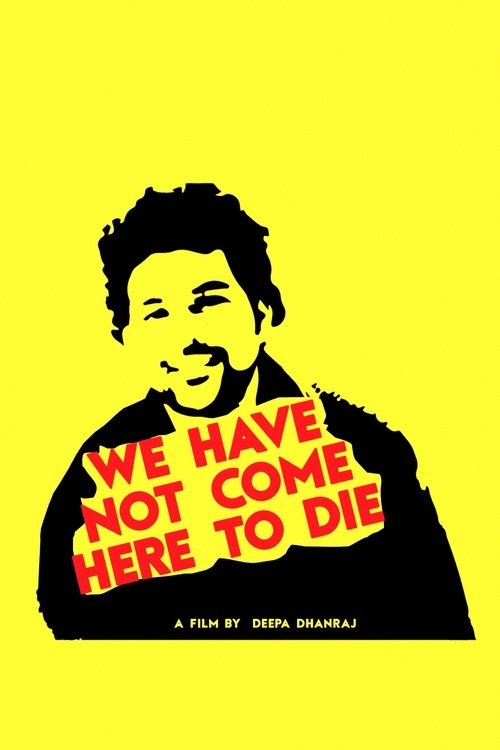
On January 17th, 2016, a Dalit PhD research scholar and activist, Rohith Vemula, unable to bear the persecution from a partisan university administration and dominant caste Hindu supremacists, hung himself in one of the most prestigious universities in India. His suicide note, which argued against the “value of a man being reduced to his immediate identity” galvanized student politics in India. 'We Have Not Come Here To Die' attempts to track this historic movement that is changing the conversation on caste in India.
We Have Not Come Here To Die
No description available.
Time to Listen
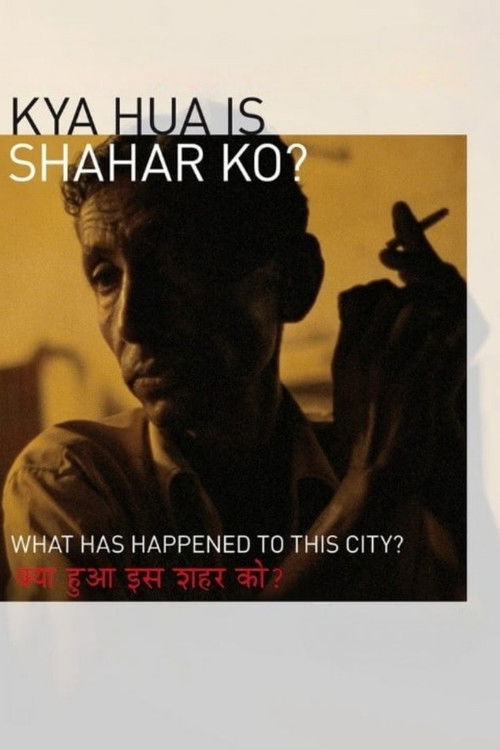
Explores the processes of political maneuvering which led to the Hyderabad communal riots in 1984. The city’s history, the provocative speeches of its politicians and the instrumentalisation of religious processions stands next to the testimonies and the striking visual accounts of the Old City’s working class – those who lose their livelihoods through violent attacks and long periods of imposed curfew.
What Has Happened to This City?
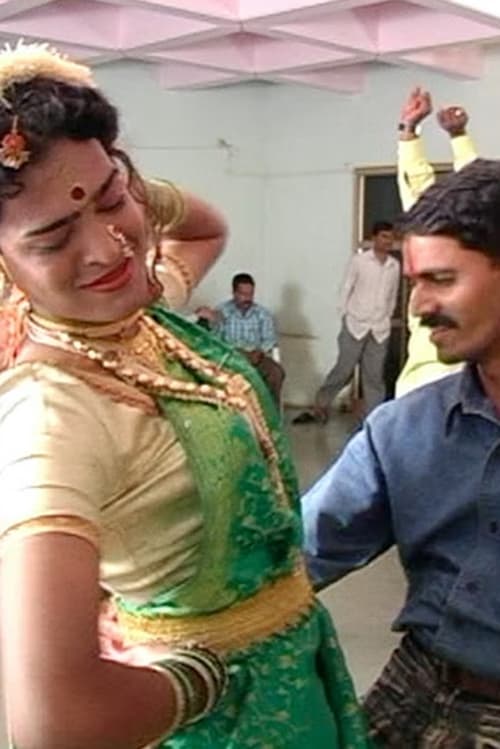
A documentary that follows a group of kothis (gay men who identify as femme) in Belgaum, a small city in Karnataka, and traces their stories of love, desire, and ostracization, as well as their work with an NGO that promotes safe-sex practices.
Love in the Time of AIDS
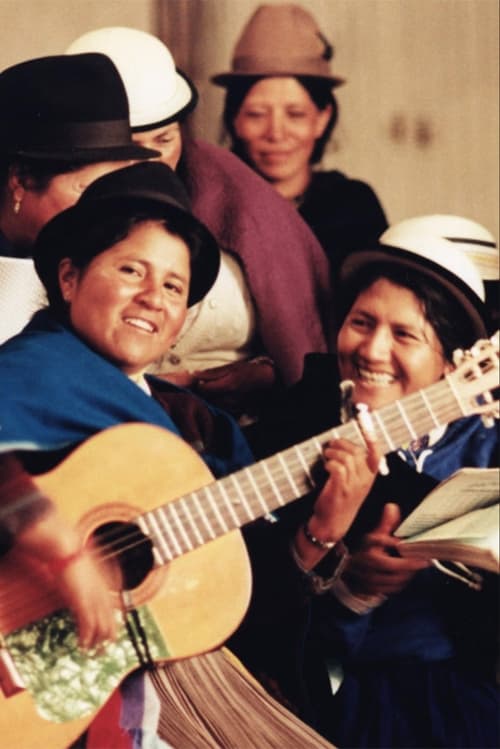
Between March and October 2000, millions of people around the world took to the streets to denounce poverty and violence against women. The historic World March of Women was a bold initiative of the Québec Federation of Women and represented a turning point in global solidarity. Director Sophie Bissonnette invited five filmmakers from around the world to cover the march. She also asked each one to film an innovative project. Set against the backdrop of a song, 'A Score for Women's Voices' ends at the UN, where women deliver 5 million cards signed during the marches. Their goal? To change the world.
A Score for Women's Voices
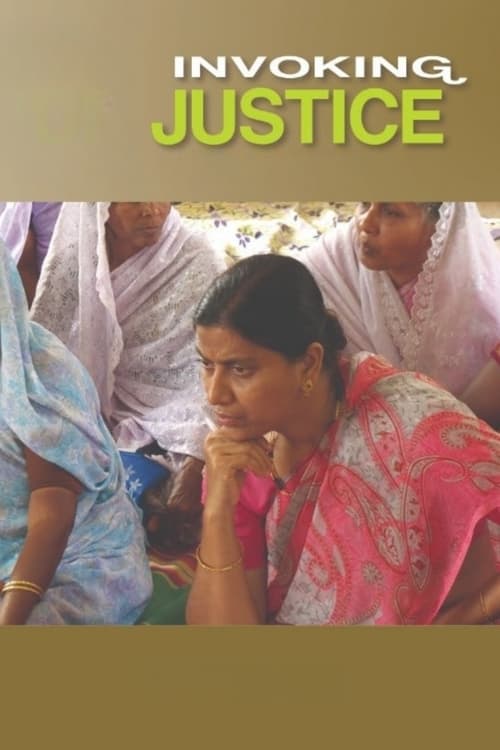
In Southern India, family disputes are settled by Jamaats—all male bodies which apply Islamic Sharia law to cases without allowing women to be present, even to defend themselves. Recognizing this fundamental inequity, a group of women in 2004 established a women’s Jamaat, which soon became a network of 12,000 members spread over 12 districts. Despite enormous resistance, they have been able to settle more than 8,000 cases to date, ranging from divorce to wife beating to brutal murders and more. Deepa Dhanraj follows several cases, shining a light on how the women’s Jamaat has acquired power through both communal education and the leaders’ persistent, tenacious and compassionate investigation of the crimes. In astonishing scenes we watch the Jamaat meetings, where women often shout over each other about the most difficult facets of their personal lives.
Invoking Justice
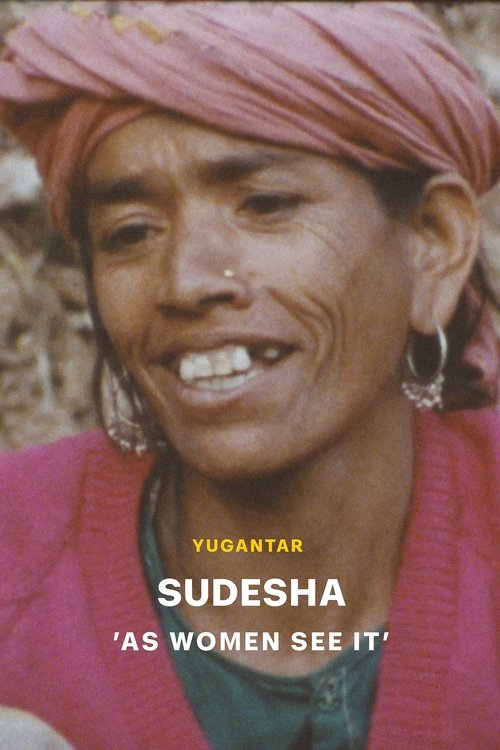
The story of a woman living in a village in the lower Himalayas. In this area, people depend entirely on the forest for their daily needs of firewood, food and water. But the forests have been destroyed by powerful timber traders. And along with the forest, the livelihood of the people has been greatly altered. The women of this region played an active role in the "Chipkow Movement". Sudesha was imprisoned for her protest.
Sudesha
Documentary that traces the importance of familial history through student research.
Our Family History
Sringara Masa is a Kannada romantic film directed by Pattabhirama Reddy and produced by Nandana Ishtiliya. The film stars Amol Palekar and Deepa Dhanraj in the lead roles.