FEEL IT.STREAM
Kamal Dehane

Kamal Dehane

Directing

Biography

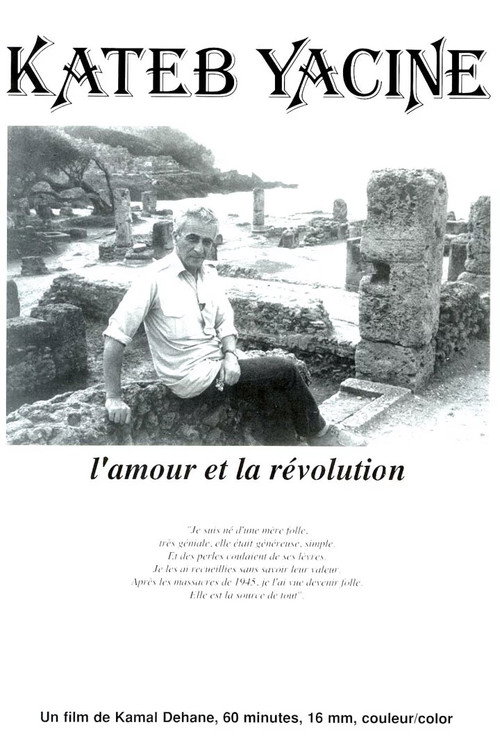
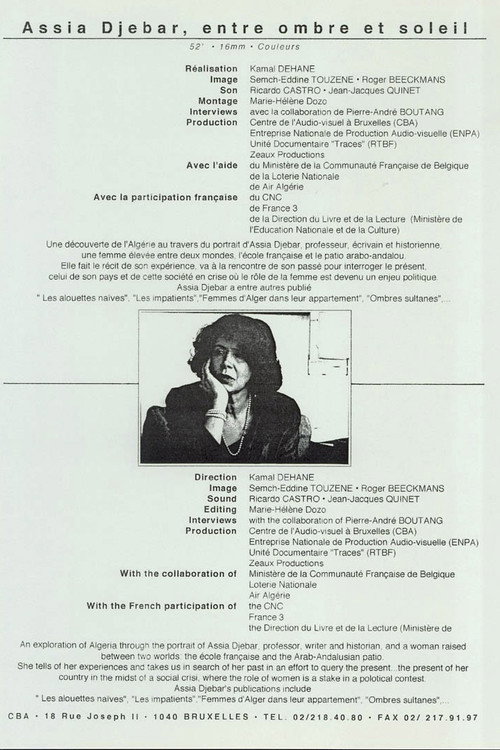
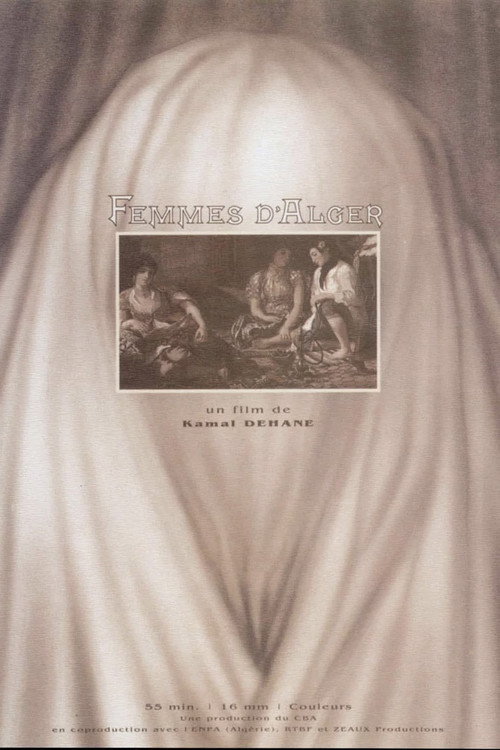
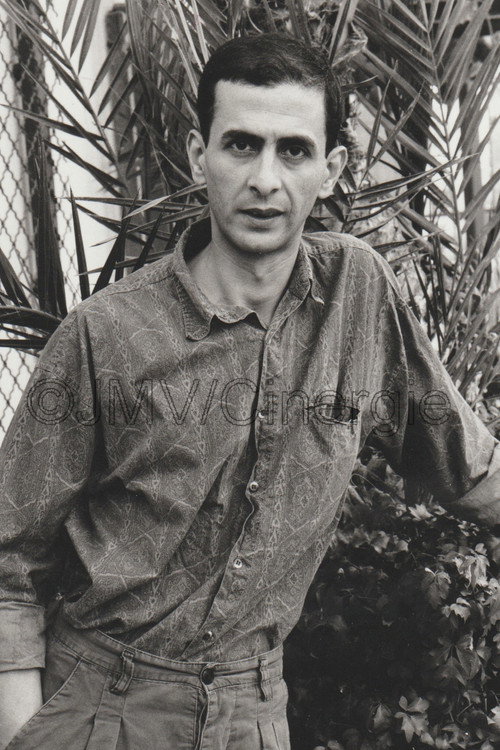
Kamal Dehane, born in 1954 in Algiers, is a Belgian-Algerian film director. Kamal Dehane studied filmmaking at the INSAS (Institut National Supérieur des Arts du Spectacle) in Brussels, where he currently lives. He is also a professor of production at INSAS. In 1984, he directed his first fiction short film, Nejma, before turning primarily to documentary filmmaking. In 1989, he directed Kateb Yacine, l'amour et la révolution; in 1992, Femmes d'Alger, which received awards at several film festivals; in 1993, Assia Djebar, entre ombre et soleil, which won the Critics' Prize at the Carthage Film Festival in Tunisia; in 1994, Mon pays au matin calme; and in 1995, Les Lobbies sortent de l'ombre. His first feature-length fiction film, Les Suspects, was released in 2003.
Known For

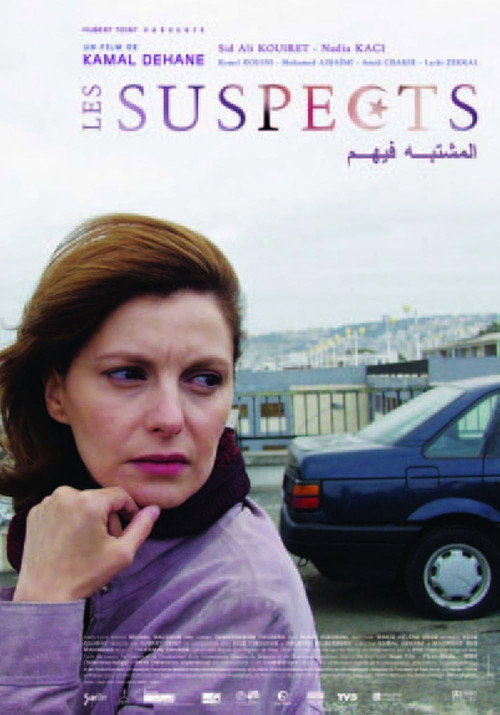
Les suspects

Mahfoud is a young teacher at a technical school in Algiers. Using his technical and computer skills, he refurbishes an old weaving loom that he intends to present at an international inventors’ conference in Germany. However, his travel plans are thwarted by administrative obstacles. Meanwhile, his neighbors keep a close eye on him, especially the elderly M’nouar, marked by the terrible memories of the Algerian War. He sees everything and everyone with suspicion. As far as he is concerned, Mahfoud has no good intentions—he may even be involved in subversive activities. Naturally, it does not help that Mahfoud is in a relationship with Samia, a young psychiatrist who has returned to the country after studying in Belgium. She challenges local norms and breaks taboos that unsettle those around her. In the end, Mahfoud manages to obtain a visa to attend the international fair. His invention wins a prize, and when he returns home, he receives a very different kind of welcome.

Les suspects

2004Movie
Mon pays au matin calme

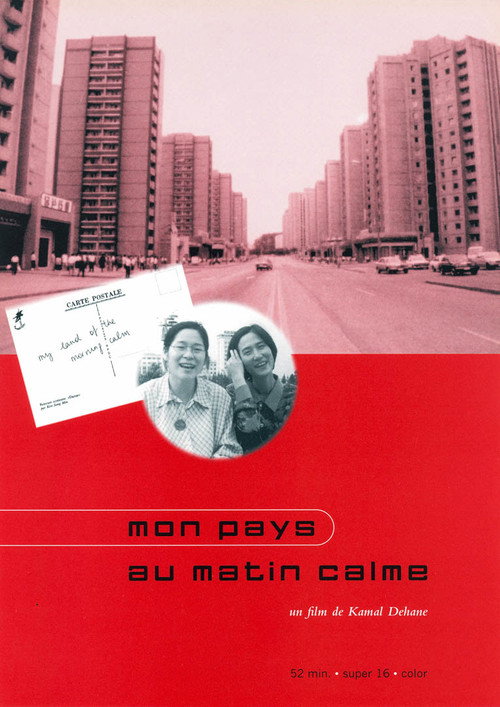
The discovery of one of the world’s last remaining communist countries, North Korea, seen through the eyes of a young woman from Antwerp of Korean origin. Adopted as a Belgian citizen, she decides to return to her native country, whose language she does not even speak. A stereotypical vision of everyday life in North Korea? The filmmaker instead sought to meet the men and women who live there. Wherever nature unfolds and human life persists, there are always sounds that break the silence—even in the “Land of the Morning Calm.” Thanks to Mi Kyong, the interpreter whose role gradually shifts to become the central figure of the film, we are introduced to the daily life of this remote country, which has been living for more than 50 years through a unique communist experience.

Mon pays au matin calme

1995Movie