Jiří Smutný
Acting
Known For
No description available.
Bakaláři
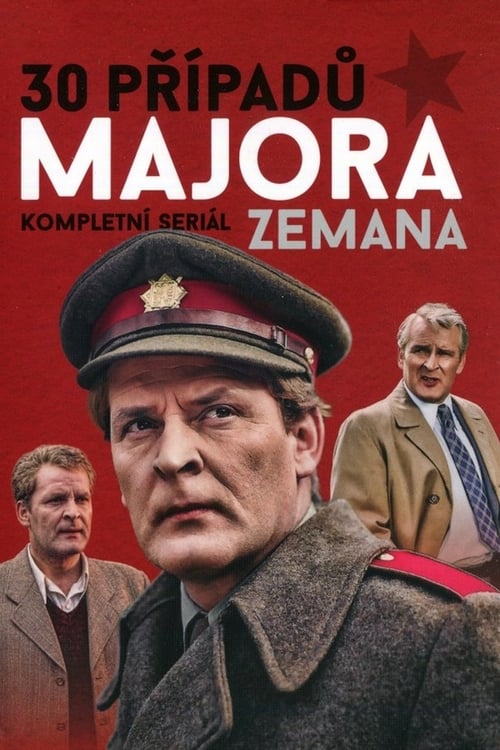
Thirty Cases of Major Zeman is a Czechoslovak action-drama television show intended as a political propaganda to support the official attitude of the communist party. The series were filmed in the 1970s. Each episode encompasses one year, and investigations are stylized to that year. Most are inspired by real cases. The series follows the life of police investigator Jan Zeman during his career from 1945 to 1975.
Thirty Cases of Major Zema
No description available.
Dobrodružství kriminalistiky
No description available.
Dynastie Nováků
No description available.
Hříšní lidé města pražského
No description available.
Rozpaky kuchaře Svatopluka
No description available.
A Prague Underworld
No description available.
Tři chlapi v chalupě
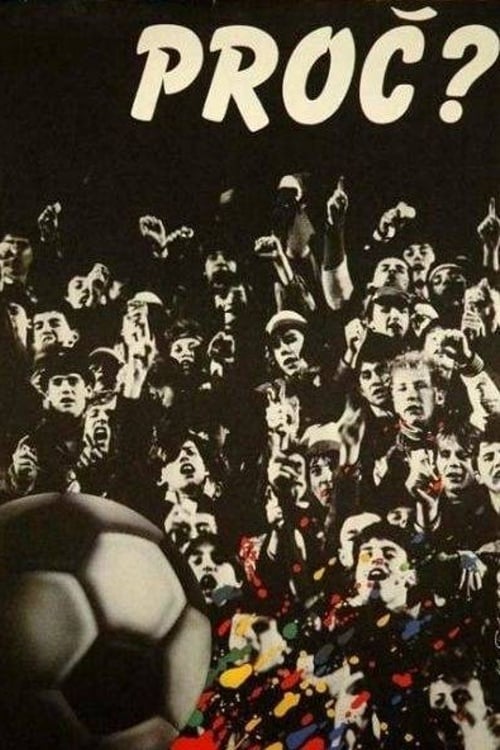
Why? (Czech: Proč?) is a 1987 Czechoslovak drama film directed by Karel Smyczek. It was screened in the Un Certain Regard section at the 1988 Cannes Film Festival. The film deals with the hooliganism in Czechoslovakia, particularly with the fans of football club Sparta from Prague, whose supporters were the pioneers of the football fan riots in Czechoslovakia, starting with hooligan actions already in the 1960s, like breaking the trains in which they travelled when they went on Sparta's away games. The film deals with one of such episodes
Why?
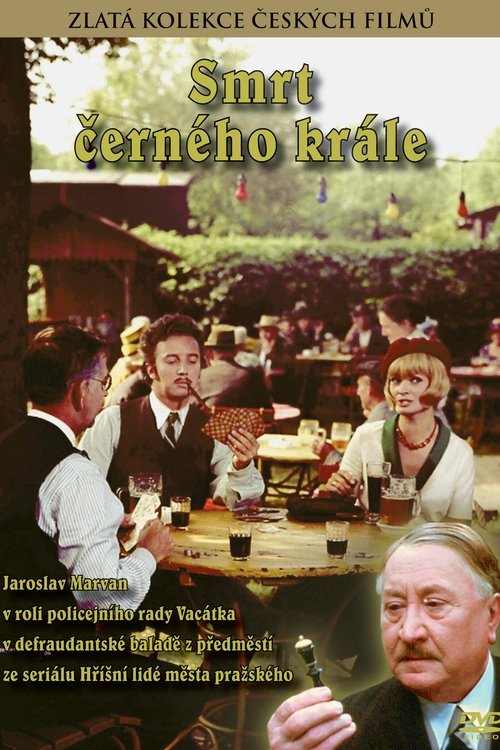
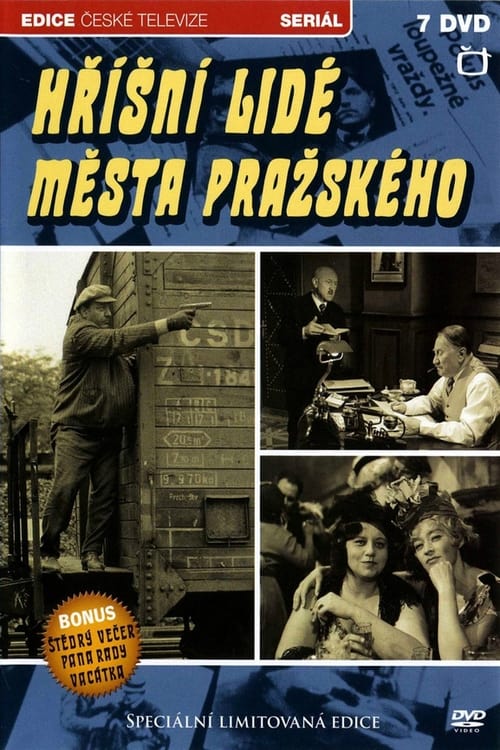
Prague in the 1930s. A young, pretty girl gets on a crowded tram. She immediately catches the attention of a young man who not only appreciates the girl's charm, but also tries to steal her handbag discreetly. And so we meet one of the main characters of the film, a swindler, pickpocket and generally strange being Josef Kořínek alias Pépi. In addition to him, the story is populated by other characters from the Prague outskirts. Of course, the film also features the shrewd councilman Vacátko and his inseparable investigators Brůžek and Bouše. They have a sad duty - to track down the murderer of the collector Krále, who was found dead and who lost a sum of money on the way from the bank that could interest many people from his surroundings...
The Death of Black King
The adventurous story of a young soldier, lance corporal Milan Pazdera, who falls in love with a beautiful young girl at a party who claims to be in the countryside on medical leave. However, it turns out that she is a dangerous spy who is trying to obtain the call lists with the help of Milan, a scribe at the military camp headquarters.
Everything Ends Tonight
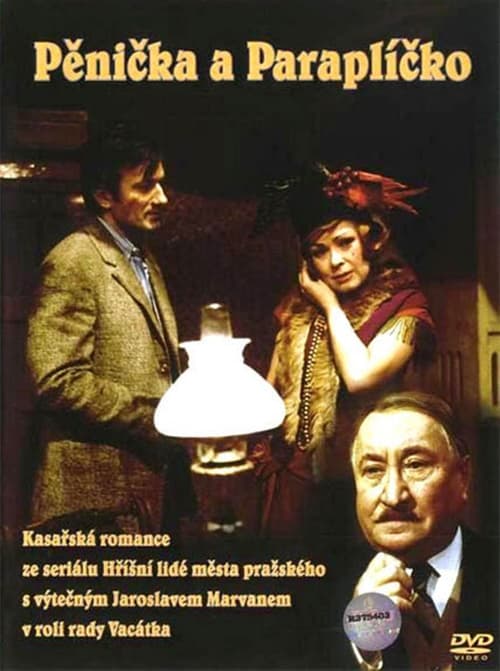
In the morning twilight of Prague, the dead body of the safe-breaker Toufar is found floating on the river Vltava with a knife in his back. Police inspectors visit Toufar's lover, the prostitute Anna Kulatá (Jirina Bohdalová), nicknamed Umbrella, and it is apparent that the moment before she opened the door of her flat, someone fled through the window. Umbrella is summoned for examination to the head of the criminal police - Police Councilman Vacátko Jaroslav Marvan, but although shocked by the photograph of the dead man, she does not confess to anything. Before Toufar, Umbrella lived with the safe-breaker Penicka (Radoslav Brzobohatý), who loved her very much and made her quit her street trade. But when he was sentenced to three years' imprisonment, Umbrella began to live with the brute Toufar, who chased her to street again. In the case of the murder, Penicka is therefore the prime suspect.
Burglar and Umbrella
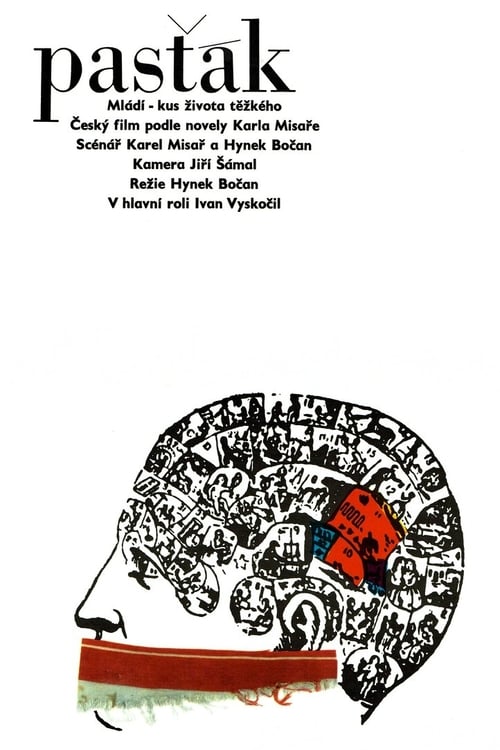
A young teacher is sent to a rural reform school, where he is faced with brutality of the inmates.
The Borstal
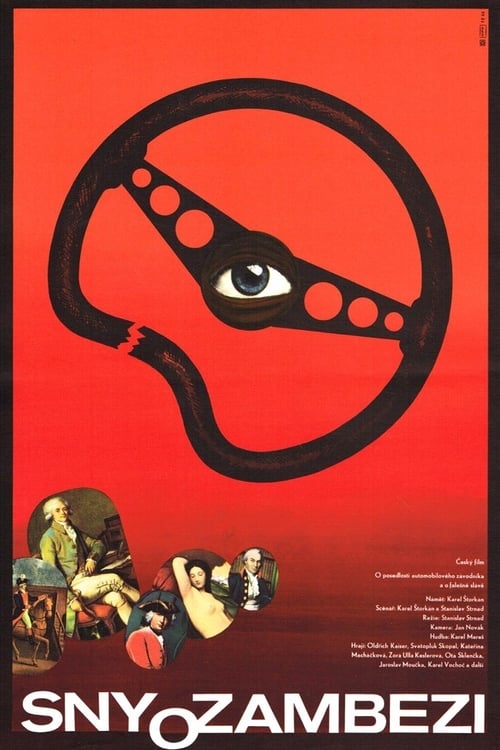
Two aspiring car racers have a big dream: they want to make a journey to the heart of Africa. But their value system is severely skewed, and one of them is willing to steal to do it. What's more, he causes a car accident, from which he tries to escape, and ends up in prison.
Sny o Zambezi
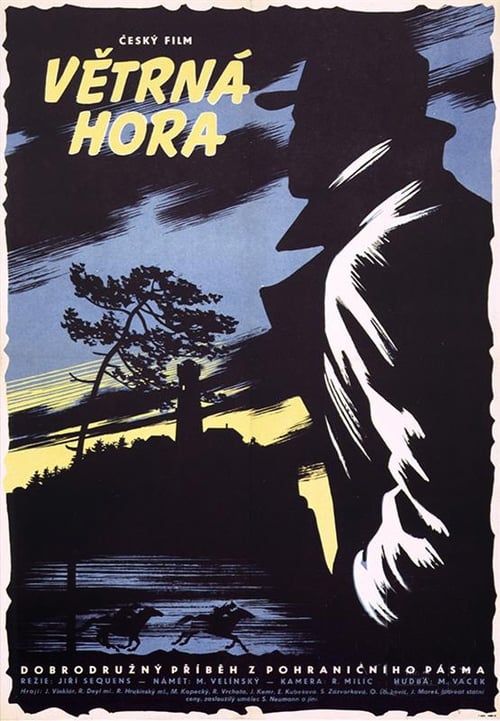
A group of temporary workers arrive at the Czech-German border to conduct geological exploration. However, not all people have pure intentions and a past, and so the group of geologists is threatened by saboteurs who want to blow up an abandoned mine and escape across the border...
The Windy Mountain
The workers at the ironworks are working to fulfill a two-year plan. The spy group takes advantage of the bitterness of a disrespected innovator and tries to extract information from him about a new technology for pressing metal powder. However, their plans are thwarted by the vigilance and vigilance of the research staff from Department Z-8.
Případ Z-8
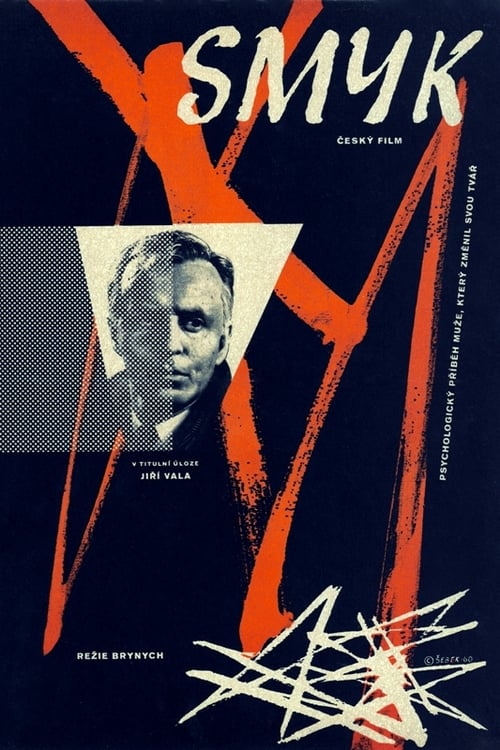
Spy film about a man with a face lift who gets recruited by western organisations.
Skid
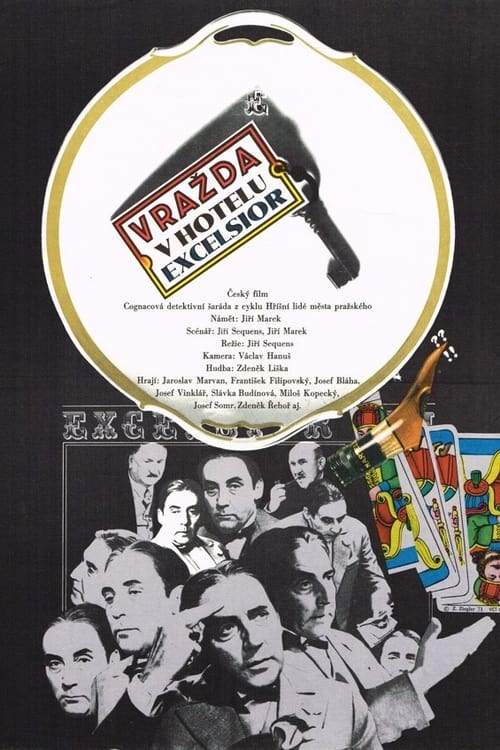
In Vražda v hotelu Excelsior, the interwar period homicide detective squad from Prague investigates the murder of a wealthy woman, Mrs Matoušová, which threatens the reputation of the eponymous luxury hotel popular with Prague’s elite. Even the retired police inspector Mrázek (František Filipovský), who works at the Excelsior as a hotel detective, is unable to help at first. Although the investigation inevitably uncovers the hotel staff’s scheming, Vacátko and his team unerringly follow the trail that leads them to the murderer…
Murder in the Excelsior Hotel
No description available.
Madame Sans-Gène
No description available.