Acting
No description available.
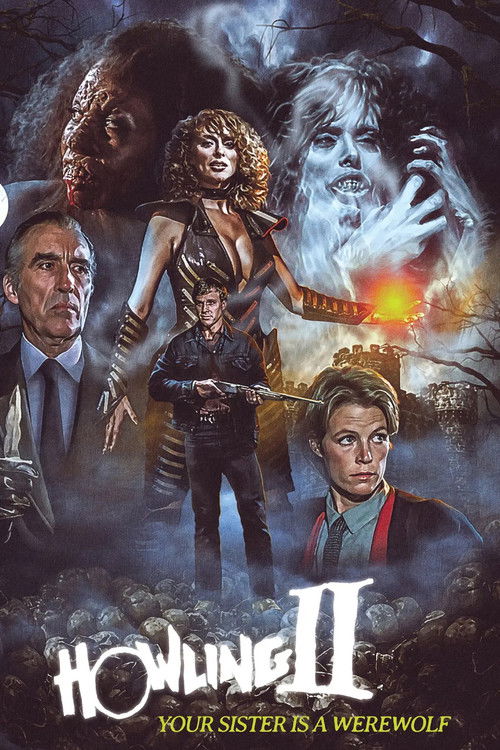
When a young journalist dies in violent circumstances, her brother soon learns, by way of the mysterious Stefan Crosscoe, that his sister has succumbed to the werewolf curse.
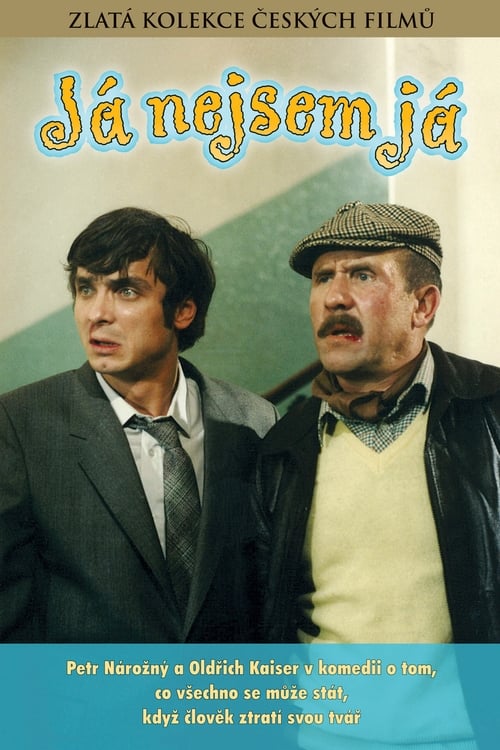
The two heroes of the film's story - the decent but dry engineer Zárub and the marriage swindler Majer - are granted this wish by the mysterious forces of the moon. The two men change their appearance, which, however, contrasts sharply with their unchanged characters and voices. The incomprehensible swap naturally becomes the source of many comic plots and situations.
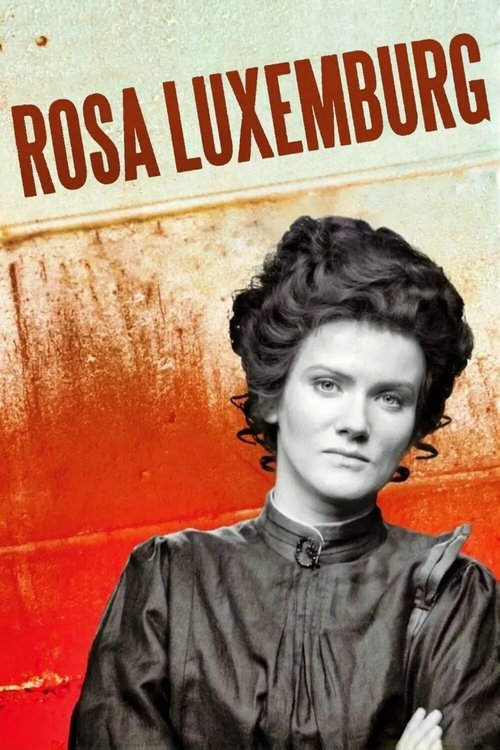
Polish socialist and Marxist Rosa Luxemburg works tirelessly in the service of revolution in early 20th century Poland and Germany. While Luxemburg campaigns for her beliefs, she is repeatedly imprisoned as she forms the Spartacist League offering a new vision for Germany.
Josef Laufer portrays Egon Erwin Kisch in two daring journalistic adventures: in “Zuřivý reportér,” Kisch goes undercover in a poverty lodging house, uncovers a tattoo’s dark backstory and deciphers a secret telegram hinting at war via the legend of the black rose; in “Lovci senzací,” he pursues sensational leads and exposes hidden truths, proving why he was rightly called “the raging reporter.”
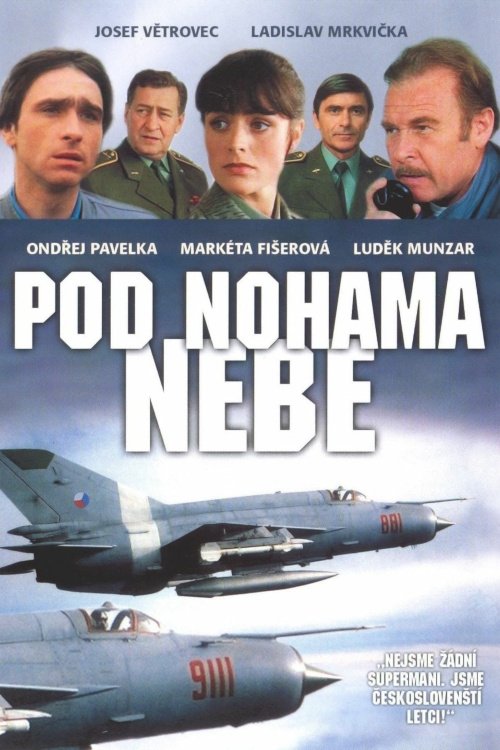
Olda Raška, a novice pilot, is going through an emotional crisis that will greatly affect his professional abilities. Only thanks to the understanding of his superiors will he realise his shortcomings and overcome the crisis. While he begins his life's journey, the experienced pilot Lieutenant Colonel Lošťák has to quit flying for health reasons. The film is very skillfully crafted and attractive for its time, mainly due to the unique aerial shots and behind-the-scenes sequences from the airport.
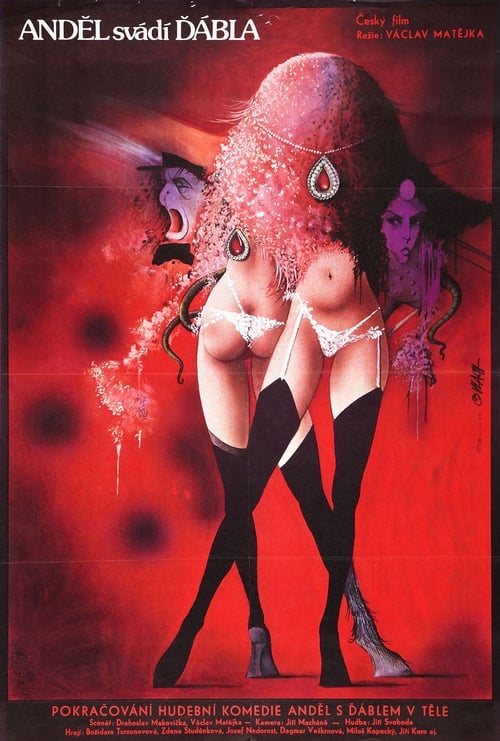
Once again, you can take a look behind the scenes of the Riviera Chateau on the Prague periphery, where a brothel for the socialites is hidden under the guise of an exclusive nightclub. The story takes place in 1930 and although several years have passed since the events of the first volume, the passions unleashed by the intrigues of the time have not cooled down. Once again you meet Renata, called Angel, formerly a prostitute, now the wife of the banker Justice and owner of the Riviera. The elegant Madame, who owned the business before and now works there as a mere manager, is plotting new schemes to get back everything she has...
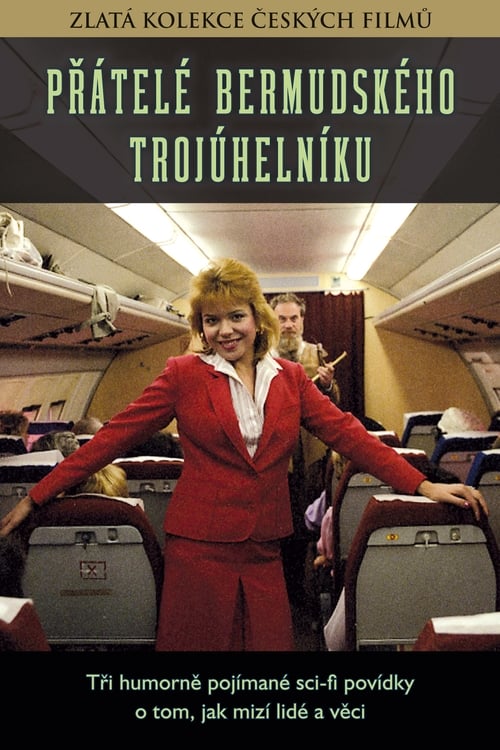
The idea of mystery unites the three debut stories - the original Bermuda Triangle with its mysterious phenomena has begun to shift and can be traced anywhere in the world, including Czech and Slovak territory. Here, too, unexplained shifts in space and time occur. This idea is supported by the aforementioned short stories, but the inventiveness of the subject matter and staging is very heavy-handed, and the film passed through the cinemas without much interest.
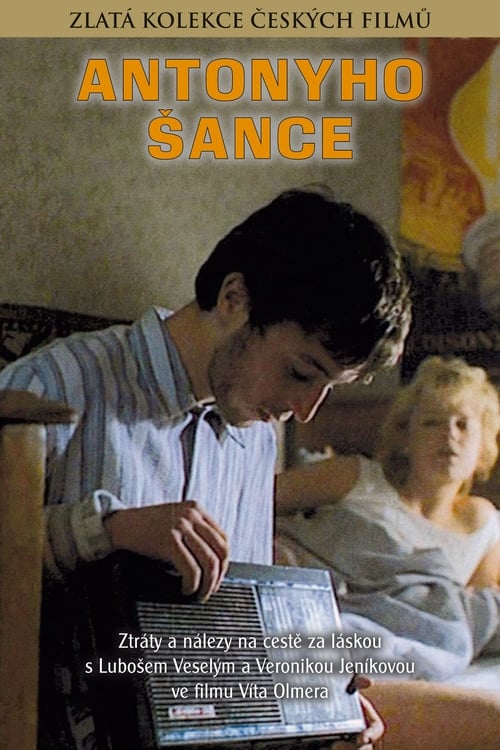
Antony is obsessed with the idea of a happy family life, but his young daughter has to be cared for by the parents of his wife, who died in a car accident. Unfortunately, Martha, whom Antony has somewhat recklessly married, has a fundamentally different vision of her future than he does.
Four short stories depicting the private life of Czechoslovak soldiers. In the short story "The Pheasant", the hardened corporal Kony takes revenge on the bullying of the new recruit Lubos. On the way to get a tank repaired, however, a manly friendship is born between the two men. The story Potato depicts a brigade during which, despite the prohibitions of a strict professor, soldiers and students become close at an evening disco. The buns bring to life the problems of military love: Štěpánka prefers Peter to Honza, but pays heavily for her mistake. The film closes with the short story "The Solution", in which a lieutenant from Slovakia has problems with the arrangement of his family life.
In the second half of the 1980s, so-called critical films began to emerge, but they were afraid to make a sharper statement, moving on the basis of an engaged morality that wanted to improve the existing conditions cosmetically at best. The theme of the search for a new anchor in life becomes a central element: the protagonist, after returning from the war, does not want to devote himself to the constraints of elite sports, he rejects the dubious business of a friend. Most of all, he would be attracted to a perfectly ordinary job in a bakery. The dance clip inserts, however, make it difficult to navigate the already rather confusing narrative.
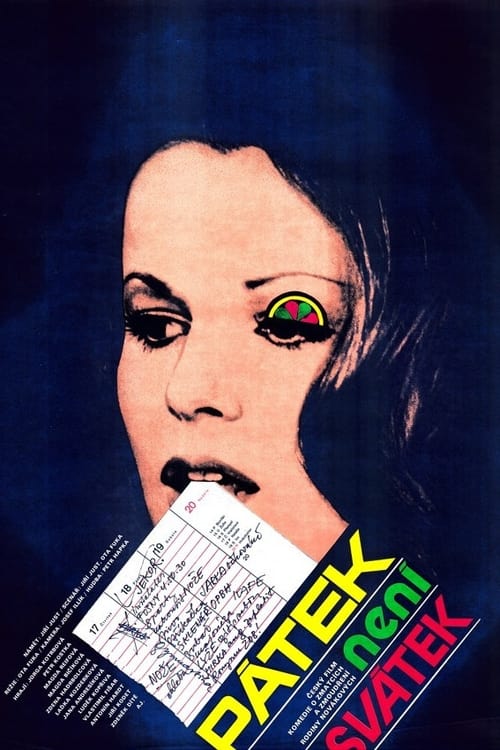
A Czech film comedy about the ordinary days of an ordinary Novák family, about the confusion of finding and the winding road to wisdom...
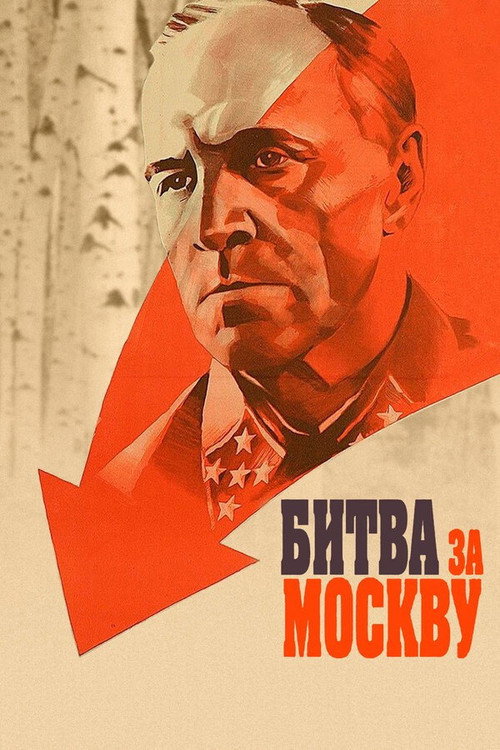
The Battle of Moscow is a 1985 Soviet multi-part war narrative, presenting a dramatized account of the 1941 Battle of Moscow and the events preceding it. The battle was the first major defeat of German Wehrmacht in the Second World War.
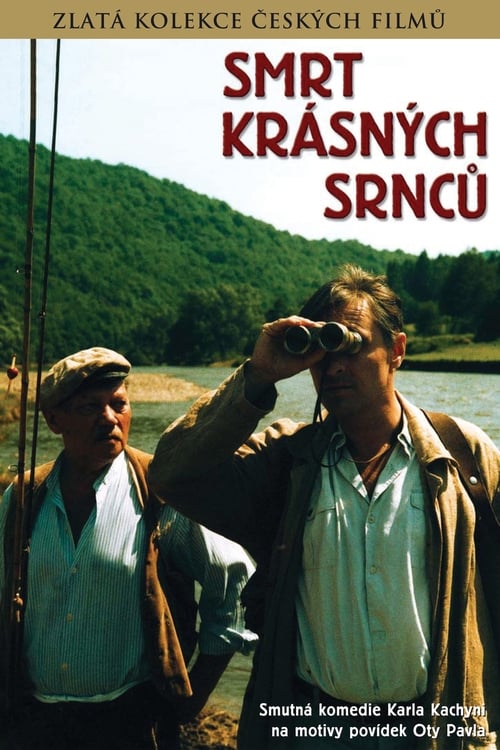
Leo Popper is a happy family man living in rural Bohemia in the years preceding the Nazi invasion. Out of economic necessity he moves with his family to the big city and becomes an enterprising vacuum cleaner salesman. There he embarks on a series of adulterous adventures, has encounters with boxing pros and famous portrait artists, and schemes to purchase the perfect pond to fulfill his passion for fishing. When the Nazis gain control, the comedy turns sour - he loses his lake, his job, and finally, his family.
Three short stories about the people and folk around the shaft.
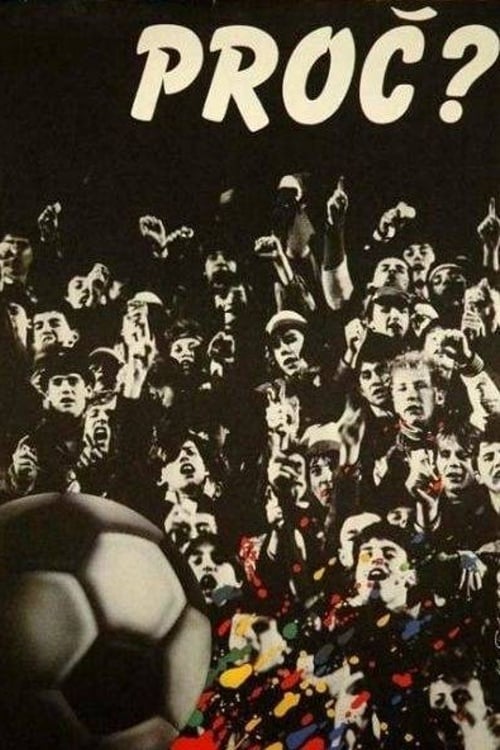
Why? (Czech: Proč?) is a 1987 Czechoslovak drama film directed by Karel Smyczek. It was screened in the Un Certain Regard section at the 1988 Cannes Film Festival. The film deals with the hooliganism in Czechoslovakia, particularly with the fans of football club Sparta from Prague, whose supporters were the pioneers of the football fan riots in Czechoslovakia, starting with hooligan actions already in the 1960s, like breaking the trains in which they travelled when they went on Sparta's away games. The film deals with one of such episodes