Acting
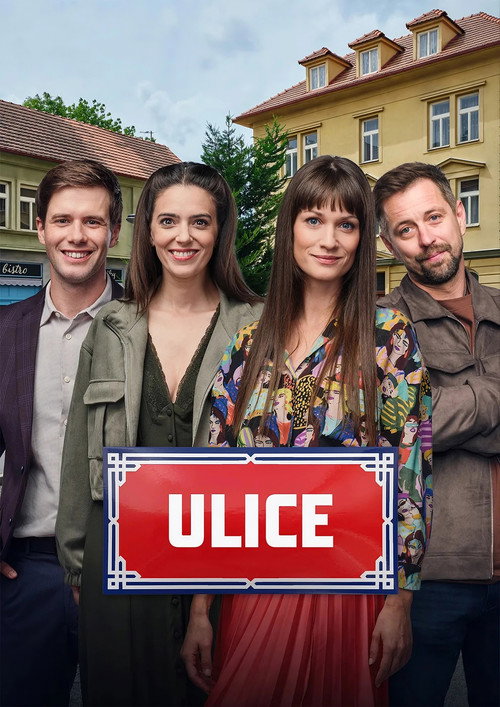
Ulice is a Czech soap opera produced and broadcast by Nova. In the Czech language Ulice means street. The show describes the lives of the Farský, Jordán, Boháč, Nikl, and Liška families and many other people that live in Prague. Their daily battle against real problems of living in a modern world like divorce, love, betrayal and illness or disease. Ulice often shows crime.
No description available.
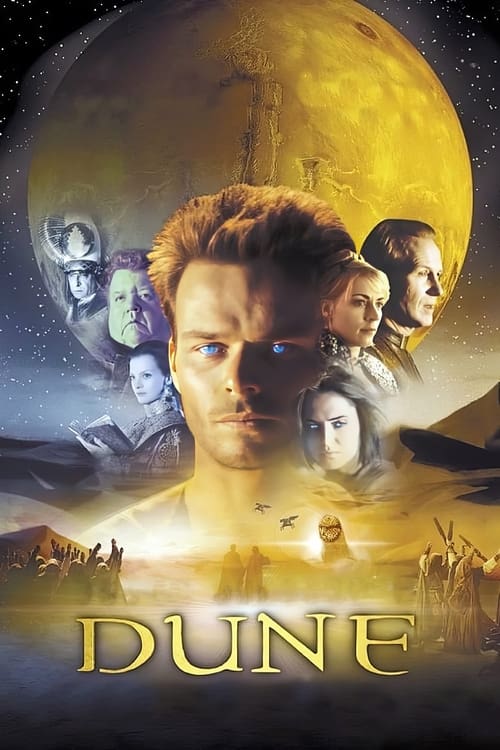
In the year 10,191, the most precious substance in the universe is the spice Melange. The spice extends life. The spice expands consciousness. The spice is vital to space travel. The spice exists on only one planet in the entire universe, the vast desert planet Arrakis, also known as Dune. Its native inhabitants, the Fremen, have long held a prophecy that a man would come, a messiah who would lead them to true freedom.
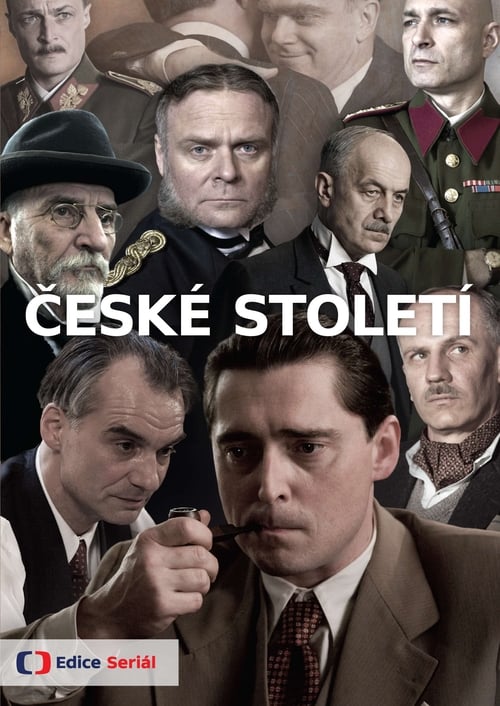
Czech Century brings the key moments of the history of the Czech nation from 1918 to 1989.
Four short stories depicting the private life of Czechoslovak soldiers. In the short story "The Pheasant", the hardened corporal Kony takes revenge on the bullying of the new recruit Lubos. On the way to get a tank repaired, however, a manly friendship is born between the two men. The story Potato depicts a brigade during which, despite the prohibitions of a strict professor, soldiers and students become close at an evening disco. The buns bring to life the problems of military love: Štěpánka prefers Peter to Honza, but pays heavily for her mistake. The film closes with the short story "The Solution", in which a lieutenant from Slovakia has problems with the arrangement of his family life.
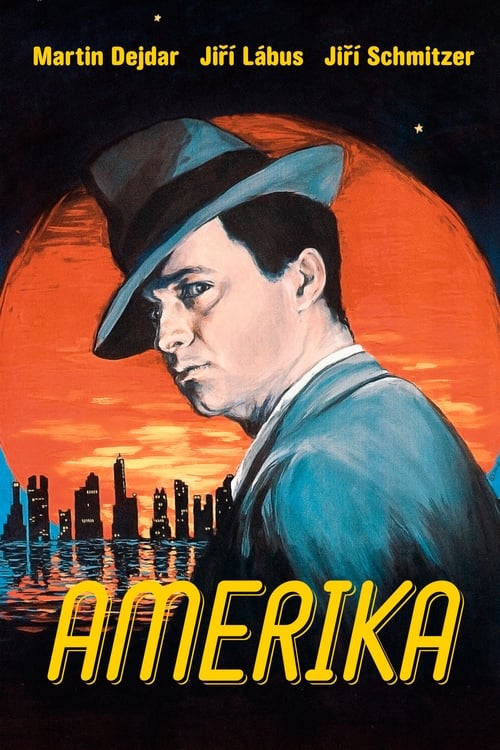
Vladimír Michálek chose an unconventional adaptation of Franz Kafka's novel for his feature debut. Artistically reminiscent of the classic films of Karel Zeman, the director reinterpreted this dark story of a man vainly seeking a place in a rigidly ordered society by changing the desperate conclusion into a happy end. The film provided Czech comedian Jirí Lábus with a new kind of role: that of the despotic uncle of a main hero Karel Rossman (Martin Dejdar).
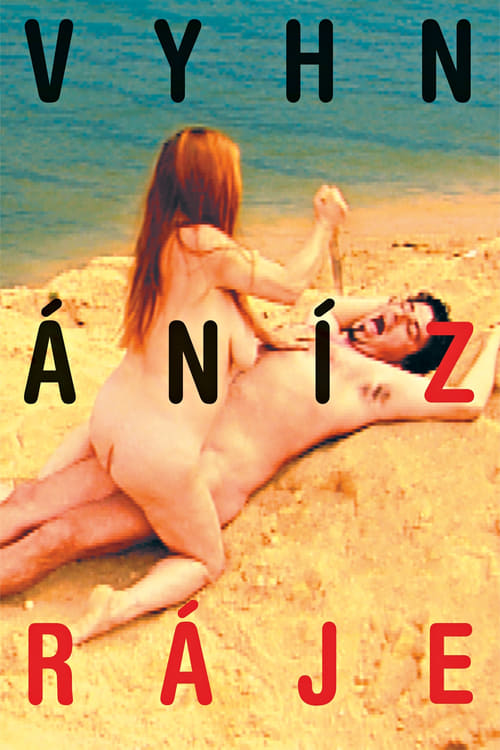
Philosophical movie, staged at the least philosophical environment imaginable: A closed scenery of a nudist spot, where some hired Czech stuff is making a plain erotic movie for a rich Russian producer. Nothing in this movie is what it seems to be at the first superficial glance.
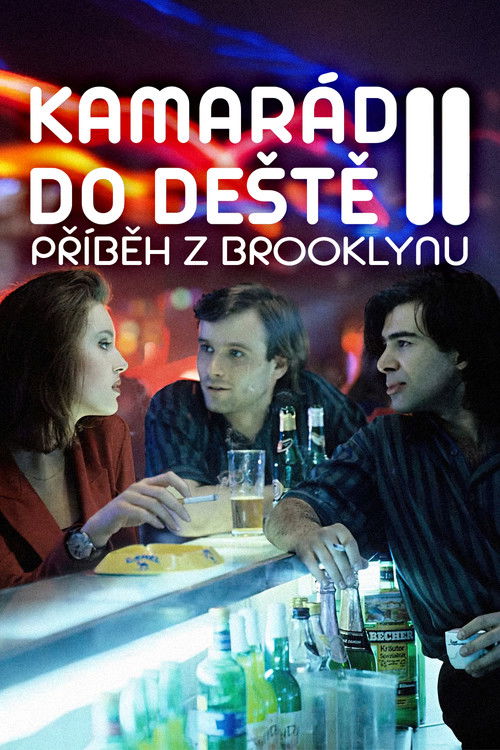
The main characters left their original professions of waiter and taxi driver and rented a thriving disco Brooklyn. However, their peaceful life is disrupted by the con man Kadlec, who has not forgotten that it was they who put him behind bars two years ago. All this time, all he's been thinking about is revenge. The formerly petty crook, with the help of his accomplices, his son-in-law Buresh and fellow prisoner "The Engineer", joins the drug trade and begins his revenge. Michal is arrested for the rape of a girl he has never seen in his life, and it doesn't take much for Tomas to figure out that Kadlec is behind it all. What Tomas also doesn't realise for a long time is that the sympathetic Ivana, who has joined their business and with whom he has fallen in love, also works as a luxury prostitute and was put into the business by Kadlec.
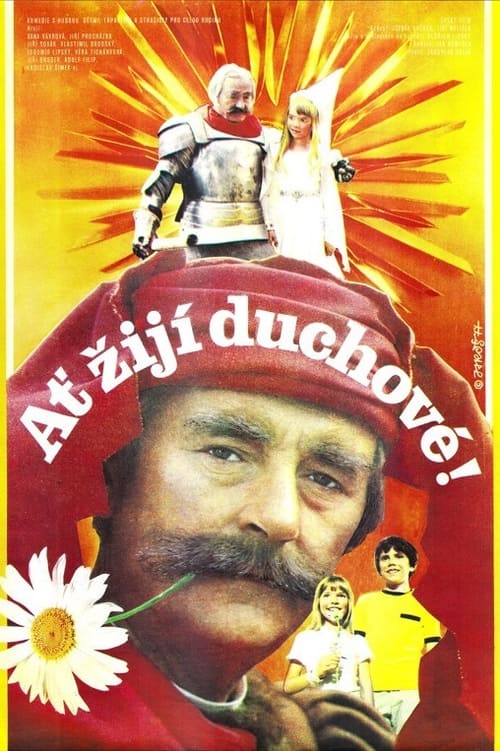
A trespassing gang of boys encounter a ghost in the ruins of a castle. When they rescue the ghost who is caught in a trapset, they become allies in a fight to prevent ruins from being turned into mushroom farm by the city authorities.
In the film, the creative forces of personalities from three spheres of art collide. The subtitle "The Game of Love and Hate" refers to the motivation of an old Czech medieval satire, the theme belongs to Antonín Přidal, an expert on this subject. His collaboration with Juraj Herz created a collage of past and present, an updated, sharp satire and a parable about the clash of human qualities that could not but end up in the vault. The music of the Prague Selection - Michael Kocáb and Michal Pavlíček - also contributed to the film's offensive provocativeness - the film was one of the reasons for their complete move to the underground. The dancing chorus of medieval citizens resembles more of a jumble of long-haired maniacs, the edge of a contemporary dump intrudes into the space of a medieval marketplace, and the characters oscillate between the past and the present, whether in their appearance, symbolism or behaviour.