FEEL IT.STREAM
Leonid Lyubashevsky

Leonid Lyubashevsky

Writing

Known For

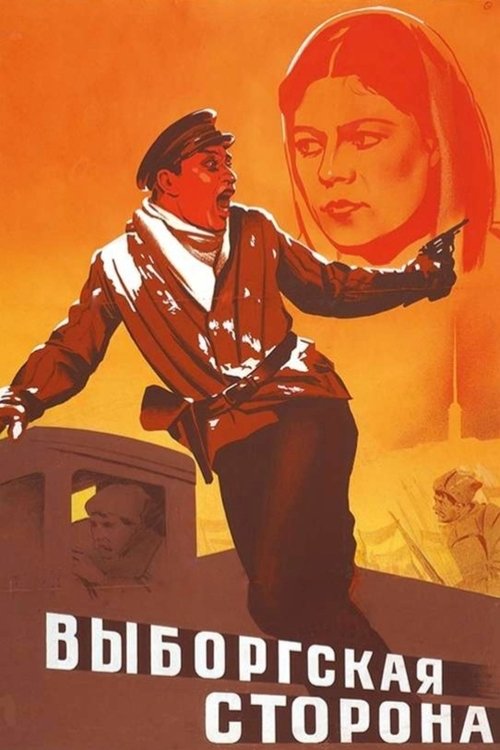
The Vyborg Side
4.9

The final part of trilogy about the life of a young factory worker, Maxim. Following the Russian Revolution, Maksim is appointed state commissar in charge of the national bank. With great efforts, he learns the complexies of the banking trade and begins to fight off sabotaging underlings. Dymba, now a violent enemy of the Republic, tries to rob a wine store but is arrested with Maksim's help. Maksim also exposes a conspiracy of a group of tsarist officers who prepare an attempt against Lenin. He then joins the Red Army in its fight against the German occupation.

The Vyborg Side

1939
The Snow Maiden
6.1

A fairytale based on the play by Aleksandr Ostrovskiy. Snegurochka is the daughter of Grandfather Frost and the Beautiful Spring. Her icy heart had never known simple human joys, never known love until she met Lel. His warmth gave the girl a rich sense of the world around her and melted the heart of the cold beauty.

The Snow Maiden

1968
Shame
5.0

Shame or Counterplan is a 1932 Soviet drama film directed by Sergei Yutkevich and Fridrikh Ermler. The film’s title-song called "The Song of the Counterplan", composed by Dmitri Shostakovich, became world famous and was adapted into "Au-devant de la vie", a notable song of the French socialist movement of the 1930s. This film could be considered as a Stalin propaganda film. The plot involves an effort to catch "wreckers" at work in a Soviet factory. From Wikipedia, the free encyclopedia

Shame

1932
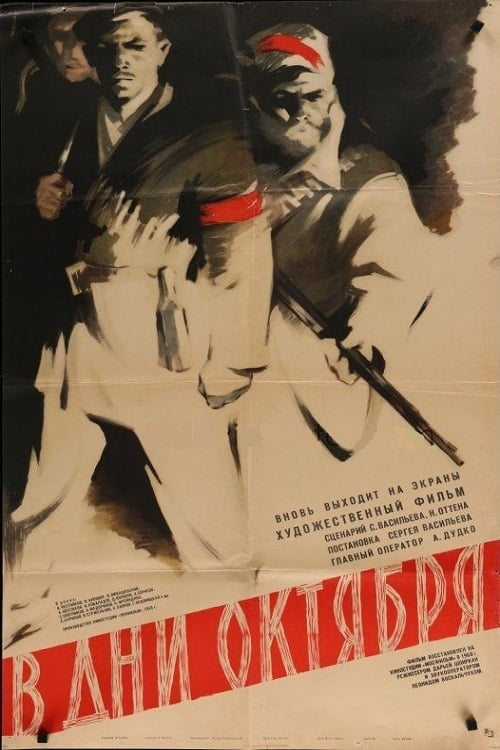
October Days
5.6

Historical drama depicting the events leading up to the 1917 October Revolution produced to celebrate the 40th anniversary.

October Days

1958
Yakov Sverdlov
8.0

Soviet biographical film on the life and work of the first chairman of the All-Russian Central Executive Committee, Yakov Mikhailovich Sverdlov.

Yakov Sverdlov

1940
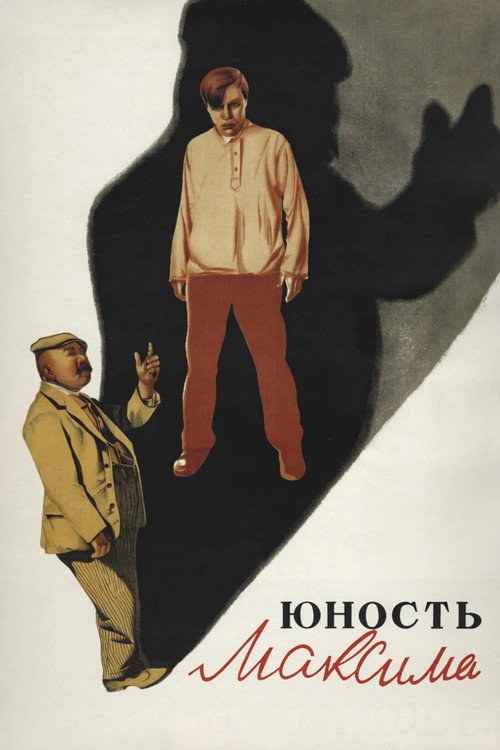
The Youth of Maxim
5.7

A 1935 USA trade-paper reviewer called it... "an impressive and technically outstanding historical drama dealing with czarist terrorism and revolutionary boiling in the days of 1907. Picture is one of the Soviet prize winners and has particular merits in realistic performance, photography and movement, plus some musical touches in way of folk songs." Written by Les Adams

The Youth of Maxim

1935
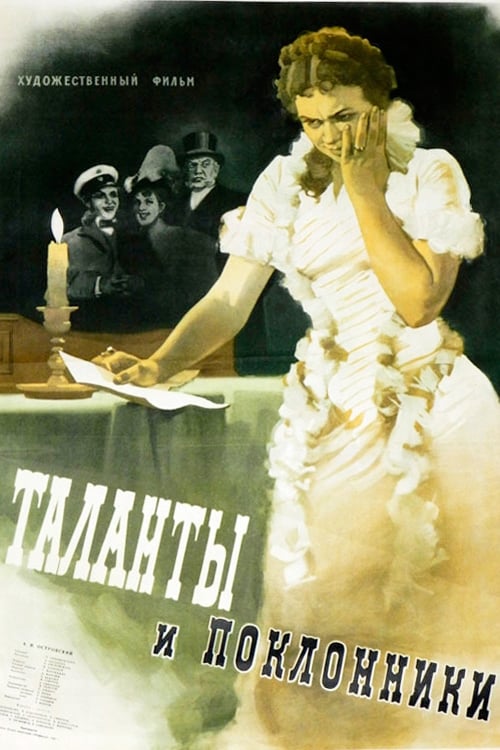
Talents and Admirers
7.5

Negina, a talented actress at a provincial theater, must leave the stage because her purity of behavior is incompatible with theatrical customs. She loves the student Meluzov, and both dream of an honest, hard-working life. Harsh reality destroys her plans. A natural actress, Negina is unable to leave the theater, and in order to serve art, she is forced to betray her ideals and sell herself. After agonizing doubts, the actress becomes the mistress of the wealthy landowner Velikatov and leaves with him. Meluzov, left alone, angrily denounces the depraved "admirers of talent," the masters of the city.

Talents and Admirers

1956
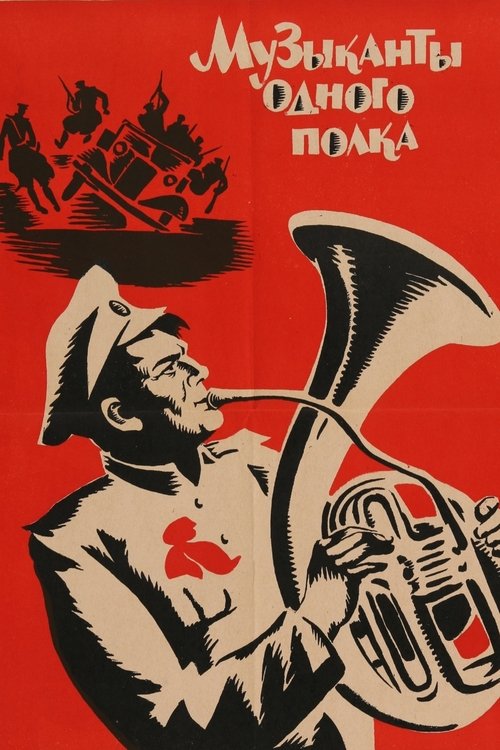
Musicians of the Same Regiment
7.5

The invaders are leaving the northern town of the young Soviet republic. The brave underground activist Alexei Ilyutinsky infiltrates a musical troupe organized to entertain the White Army command and boost the morale of the population. The new horn player, who has no musical ear whatsoever, passes on the White Army's defense plan to the Reds and saves Bolshevik Makeev, the former chairman of the provincial executive committee, from being shot.

Musicians of the Same Regiment

1965
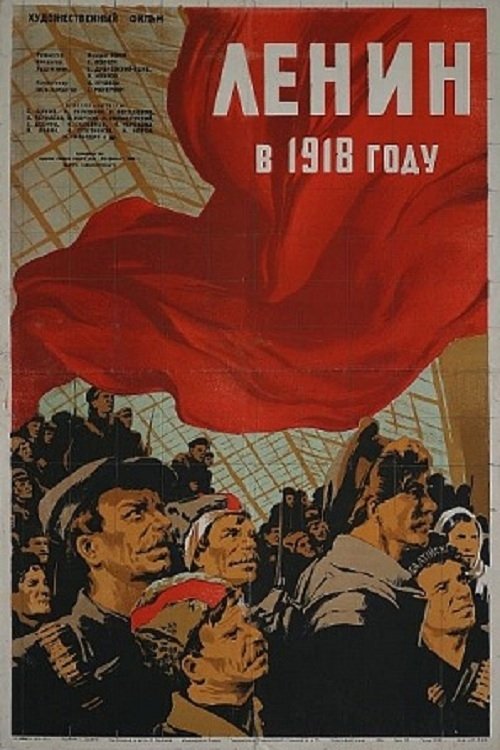
Lenin in 1918
5.2

Historical-revolutionary film about Lenin’s activities in the first years after the Great October Revolution in Russia.

Lenin in 1918

1939
Baltic Deputy
4.6

A film based on the life of the Russian scientist, Klement Timiriazev, who taught at Cambridge and Oxford and was awarded the Newton Mantle for his work. Timiriazev, one of the few outstanding Russian scientists who (publically) backed the Soviets in their revolutionary campaign, was later elected a delegate to the Leningrad Soviet by the sailors of the Baltic fleet. There he denounced his fellow scientists for failing to aid the Soviets and predicted that such aid would come.

Baltic Deputy

1937
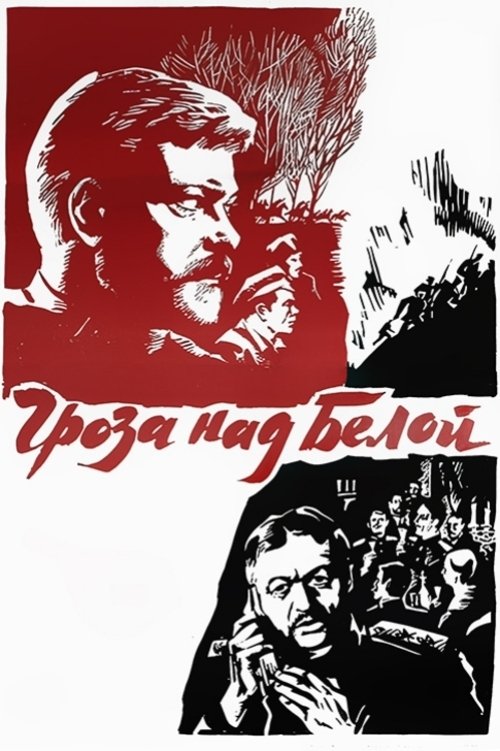
Thunderstorm Over Belaya
8.0

The film is set in 1919. The film tells about an episode of the Civil War, when the troops under the command of M. V. Frunze took the city of Ufa away from the White Guards.

Thunderstorm Over Belaya

1968
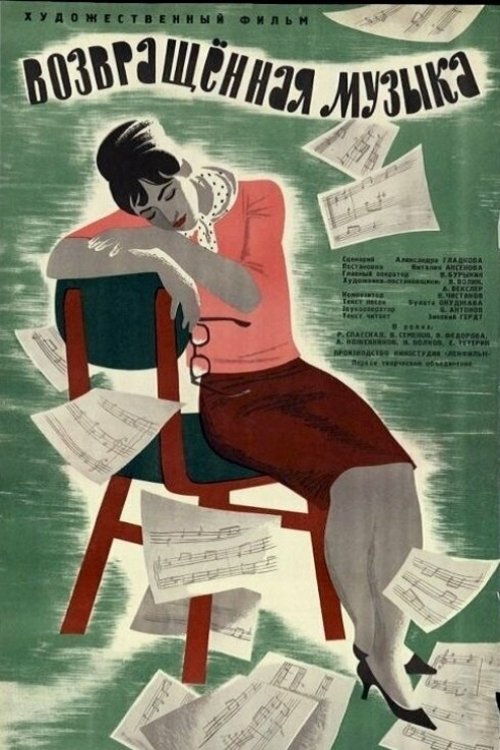
Returned Music
10.0

Young musicologist Marina Gabrielyan arrives in Leningrad with the aim of finding and restoring the first symphony by renowned composer Sergei Kornilov. Despite the composer's active resistance, she manages to find individual parts of the symphony and, with the help of young composer Gurov, restore the music.

Returned Music

1965
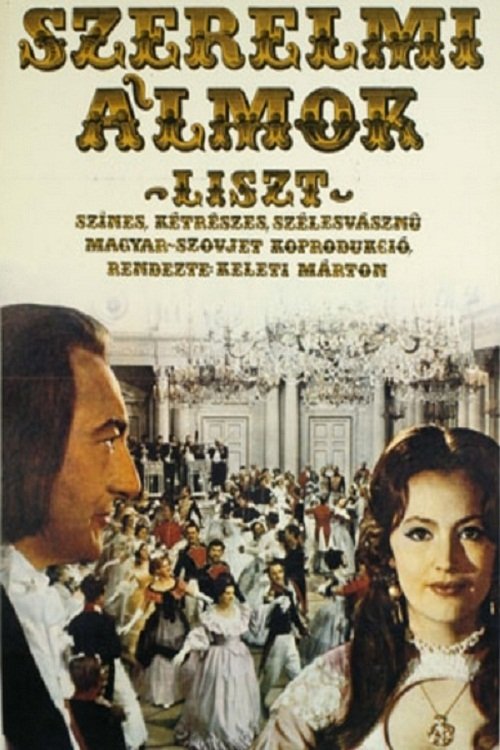
Dreams of Love
3.3

This is a romantic biographical film about Franz Liszt. In a distinguished saloon of Paris, the unknown composer, Liszt, defeats the renown Thalberg at a piano competition. Through his playing, he wins the favours and later the hand of the countess D'Agoult. A daughter is born in their marriage, Cosima. Liszt is better and better known, Marie introduces him to the circle of artists.

Dreams of Love

1970
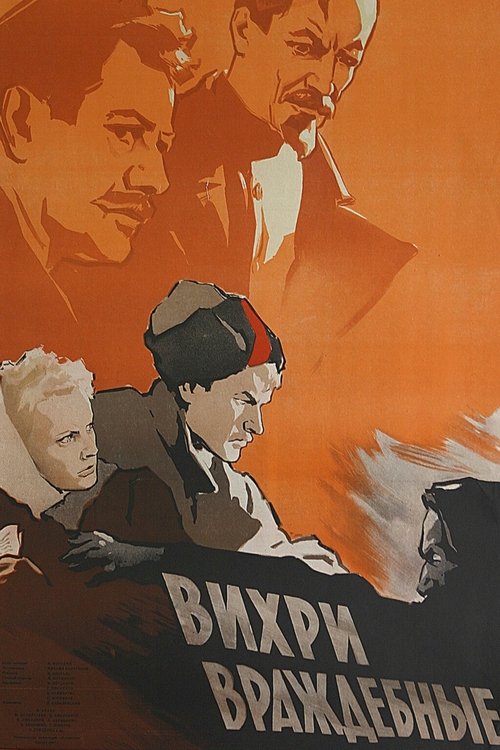
Hostile Whirlwinds
5.6

Observing the first years of the formation of Soviet power, about the life and work of Feliks Dzerzhinsky from 1918-1925; in July 1918, as a result of a revolt of the Left Socialist Revolutionaries, German ambassador Mirbach is killed. Feliks Dzerzhinsky alone goes to the headquarters of the Left Socialist Revolutionaries and Anarchists, he manages to persuade ordinary soldiers and sailors, participants in the rebellion, who are now cracking down on their leaders.

Hostile Whirlwinds

1956
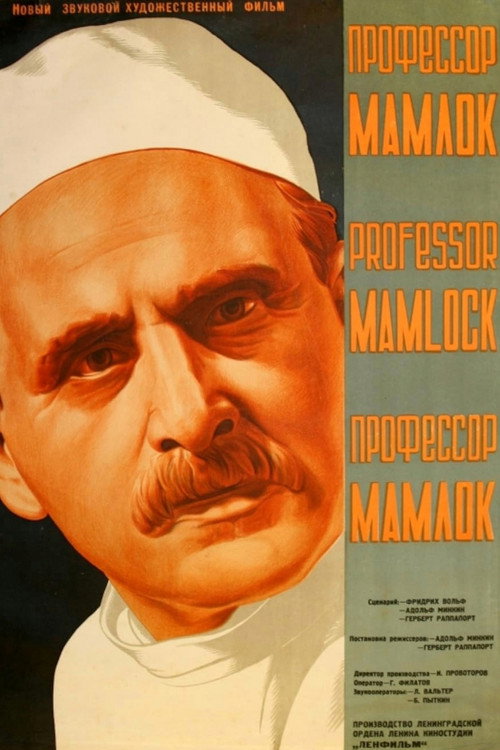
Professor Mamlock
6.0

Made in Stalin’s Soviet Union, Professor Mamlock was one of the first films worldwide to tackle Nazi anti-Semitism openly. Based on a play by a German-Jewish exile in Moscow, Friedrich Wolf, and directed by an Austrian-Jewish exile in Moscow, Herbert Rappaport, the film tells with the story of an apolitical humanitarian Jewish doctor and his politically-aware, fascism-resisting son, an intern, as their lives become entangled with the Nazis’ rise to power in 1930s Germany, where they live and practice. Things come to a head when the Nazi organization takes control of their hospital, and place a rabid antisemitic physician in charge over Mamlock and his staff.

Professor Mamlock

1938
No image
N/A

No description available.

First Day

1958