Jiří Zahajský
Acting
Biography
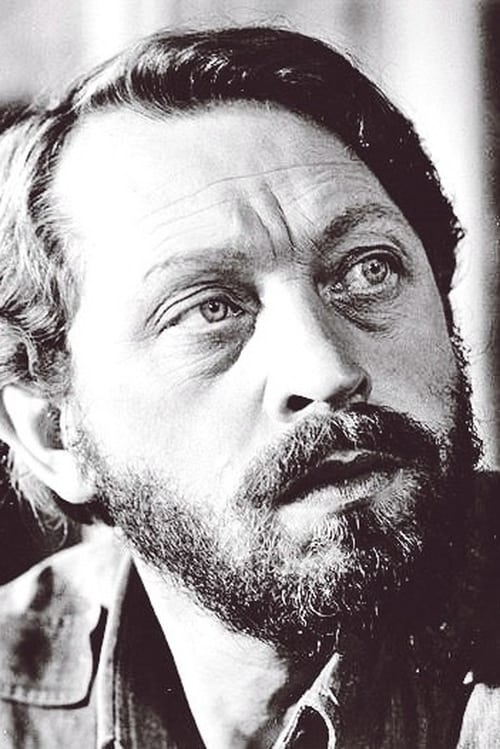
Jiří Zahajský (19 January 1939, Mšeno - 19 July 2007, Prague) was a Czech actor and dabér. He was a member of the Theater in Vinohrady, Theater behind the gate and longtime member of the Prague Drama Club. He played in a number of Czech films of both serious and comedic. Jiri Zahajsky was born in Mšeně near Mělník. As a child, he showed a tendency to acting when he played in the amateur performance of Snow White by Dwarf Dwarf. After the war, the Zahajski family moved to Děčín. As a student, he was playing a very good ensemble of amateurs under the direction of director Hipia. He recognized Zahai's talent and negotiated his studies at E. Burian. Zahajsky then studied at the DAMU and became a member of the Vinohrady Theater (1961-1965). In 1965 Zahajsky became a member of the Theater behind the gate, where he played together with Vladimír Menšík for example in the Maskary of Ostende. In 1972, the Administrative Theater behind the gate was canceled and Zahajský and Libuší Šafránková left for the Činoherní klub. His colleagues included Petr Čepek, Jiřina Třebická, Josef Somr, Jiří Kodet, Jiří Hrzán and others. Jiri Zahajsky made mainly small characters in film and on television. Unforgettable is his character, Inspector Trachta of the comedy Dissolved and launched. He created several roles of criminologists, his beard gave him the opportunity to perform the roles of the grooms, he played in the roles of his fathers (TV series Křeček in the nightgown). Daddy also played in a number of television fairy tales especially in the 1980s. Jiri Zahajsky was for 31 years a life partner of TV advertiser Kamila Moučková, since 1992 she was the fourth husband of actress Jana Brejchová. Jiri Zahajsky died in Prague after a long fight with prostate cancer on July 19, 2007. (Wikipedia)
Known For

No description available.
Bakaláři

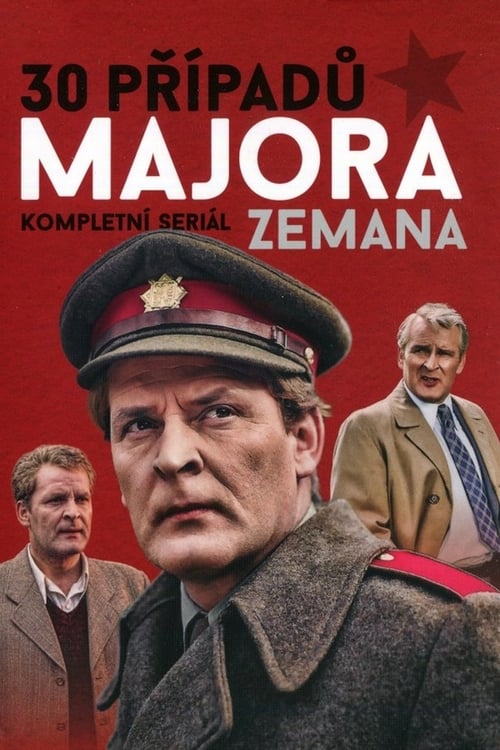
Thirty Cases of Major Zeman is a Czechoslovak action-drama television show intended as a political propaganda to support the official attitude of the communist party. The series were filmed in the 1970s. Each episode encompasses one year, and investigations are stylized to that year. Most are inspired by real cases. The series follows the life of police investigator Jan Zeman during his career from 1945 to 1975.
Thirty Cases of Major Zema

No description available.
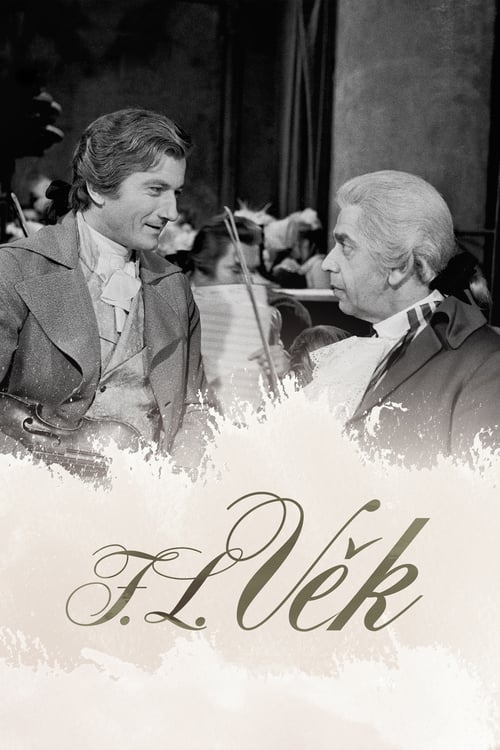
F. L. Věk

No description available.
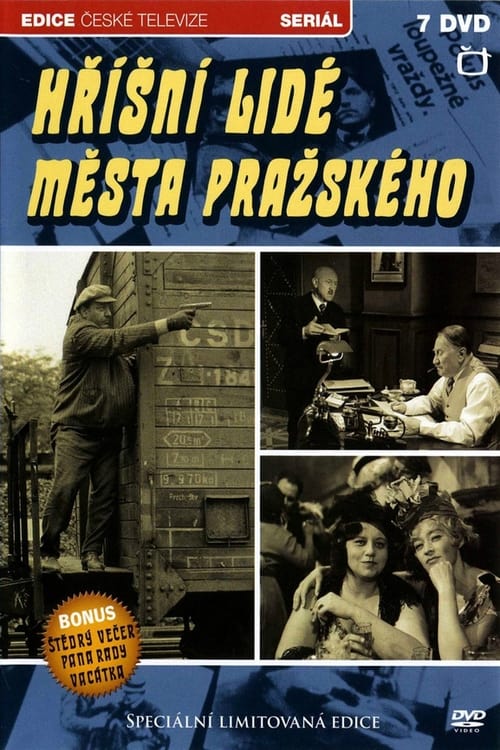
Hříšní lidé města pražského
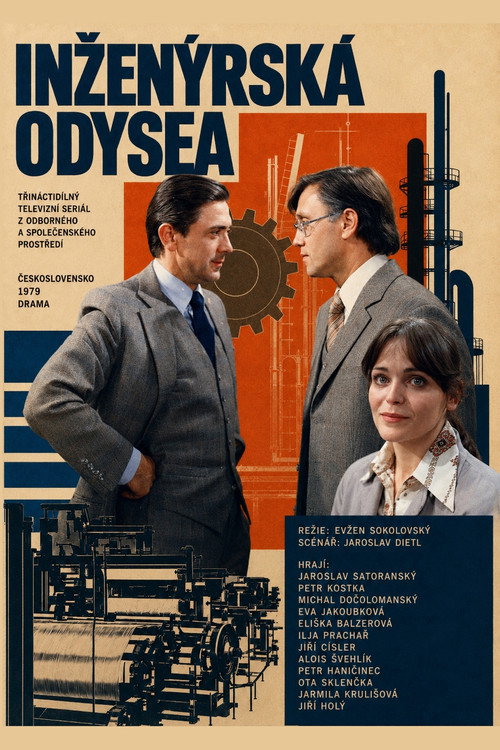
Inženýrská odysea is a Czechoslovak/Czech TV series about three young students and their lives.
Inženýrská odysea
No description available.
Zákony pohybu
No description available.
Bronzová spirála
No description available.
Laskavý divák promine

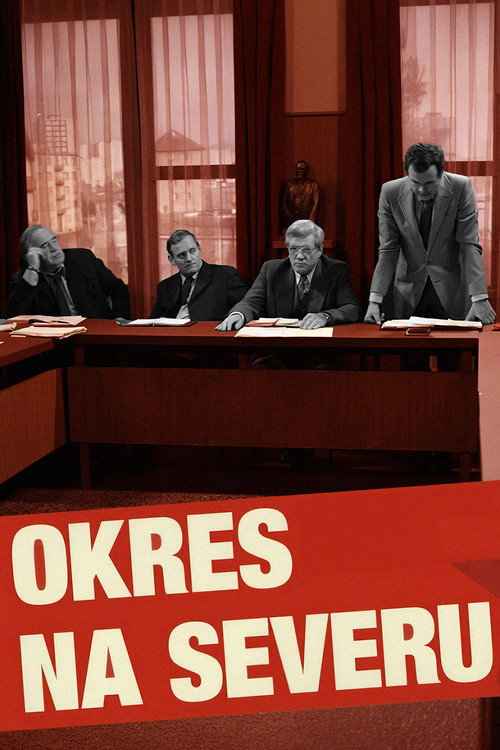
Okres na severu is a Czechoslovak/Czech TV series filmed by Evžen Sokolovský in 1981.
Okres na severu

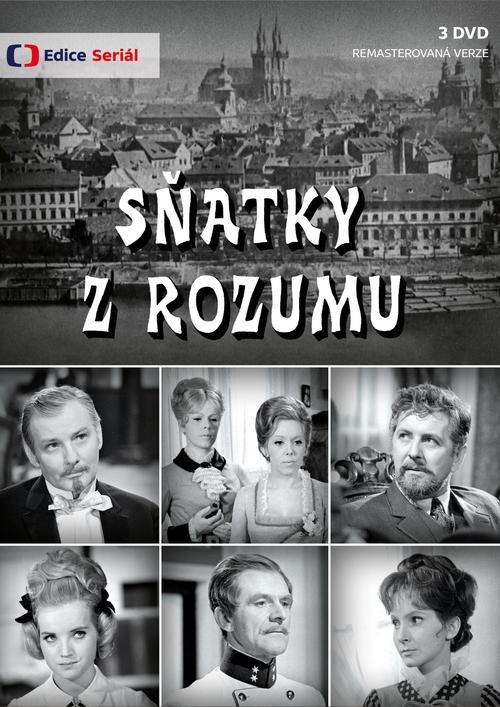
Sňatky z rozumu was a Czechoslovak television programme which was first broadcast in 1968. The programme was directed by František Filip.
Sňatky z rozumu

No description available.
Sins for Detective Show Viewers

No description available.
Eliška a její rod
No description available.
Co teď a co potom?
No description available.
Brakýři

The young Marta has made a break in her medical education to fully invest in her career as a model. We follow her for a day in her life, almost completely without hearing her voice. It is seldom that Marta gets the space to speak, instead she is mostly subject to the voice of others.
Ceiling

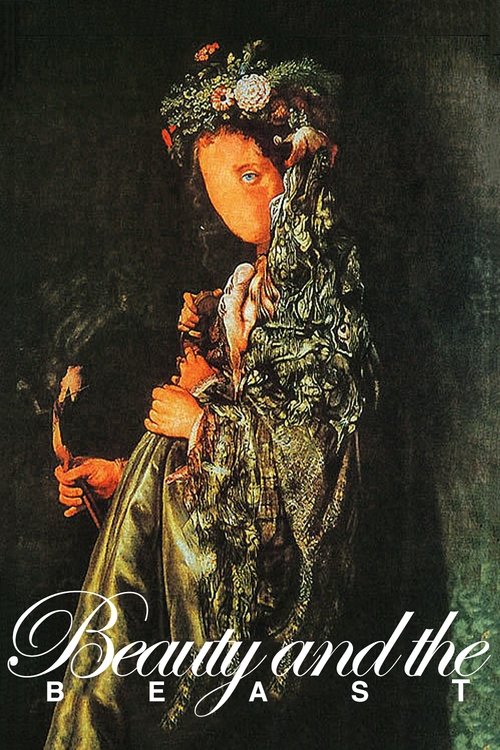
Julie, the youngest daughter of a bankrupt merchant, sacrifices her life in order to save her father. She goes to an enchanted castle in the woods and meets Netvor, a bird-like monster. As Netvor begins to fall in love with Julie, he must suppress his beastly urge to kill her.
Beauty and the Beast

Why? (Czech: Proč?) is a 1987 Czechoslovak drama film directed by Karel Smyczek. It was screened in the Un Certain Regard section at the 1988 Cannes Film Festival. The film deals with the hooliganism in Czechoslovakia, particularly with the fans of football club Sparta from Prague, whose supporters were the pioneers of the football fan riots in Czechoslovakia, starting with hooligan actions already in the 1960s, like breaking the trains in which they travelled when they went on Sparta's away games. The film deals with one of such episodes
Why?

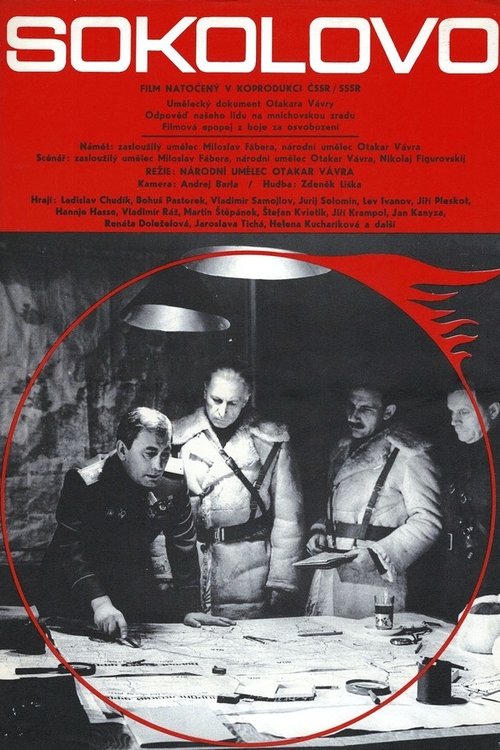
The plot begins in the Soviet Union showing first efforts to establish the Czechoslovak legion in 1942. The film also shows the assassination of Heydrich and the subsequent annihilation of Lidice. The main topis of the film is battles with German troops for Sokolovo.
Sokolovo

No description available.
Veselé příhody z natáčení

A beautiful maiden lives with her father in an ancient castle. She has rejected all suitors so far. She herself does not yet know if she will ever love. To avoid marriage, she sets a condition that her hand will belong only to the one who wins a contest dressed in nothing but linen. She expects everyone to refuse, as fighting in only a linen shirt means certain death. However, one of the suitors agrees to the condition...