Acting
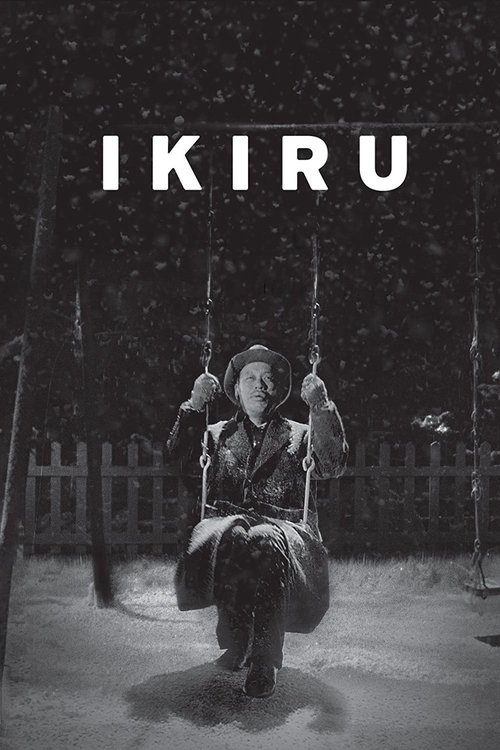
Kanji Watanabe is a middle-aged man who has worked in the same monotonous bureaucratic position for decades. Learning he has cancer, he starts to look for the meaning of his life.
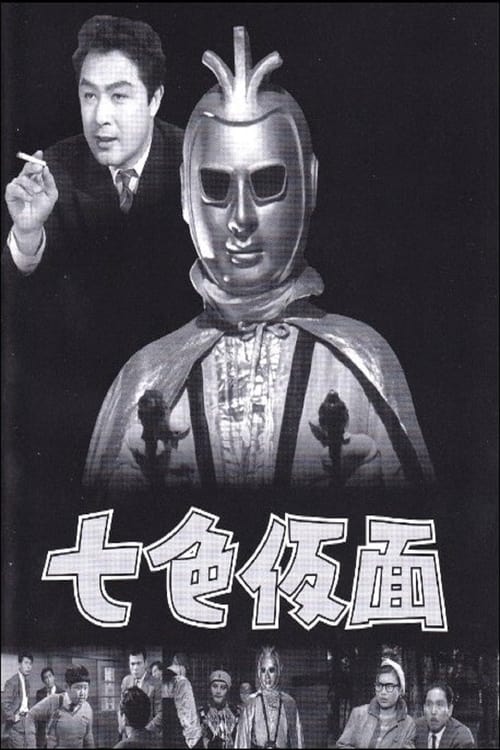
Seven Color Mask (七色仮面, Nanairo Kamen) is the name and title character of a tokusatsu TV series, later called New Seven Color Mask (新七色仮面, Shin Nanairo Kamen). It was created by Kōhan Kawauchi, who also created Moonlight Mask. This B&W TV show was the first superhero TV series by Toei Company Ltd. It was broadcast on NET (now TV Asahi) from June 3, 1959 to June 30, 1960, with a total of 57 episodes divided into 7 segments. Aside from being Toei's first TV superhero show, this series was also the debut of actor Sonny Chiba, who was 19 at the time, who took over the title role from Susumu Namijima after Episode 32.
Story of a bandit king part 2.
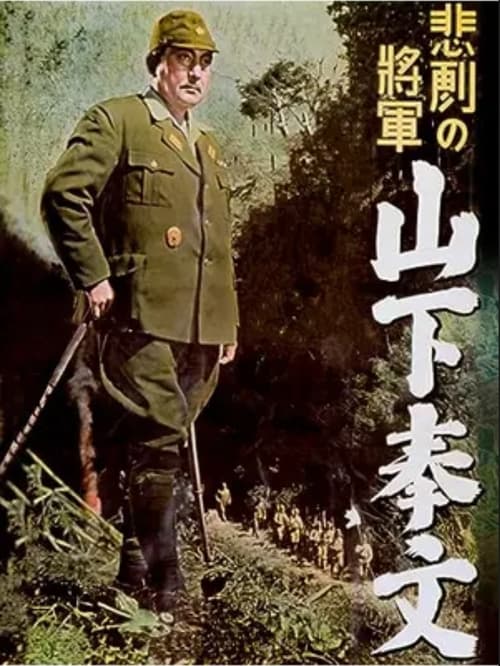
When Japan entered into the great tragedy that was unforgettable, the general general of the history of the Ming Dynasty, hokudai Yamashita, left the Malay front and occupied Singapore at once, and was praised as a "Malay tiger." However, the situation in Japan changed steadily by the failure of Sai pan from the GA Talca translation.
One of the earliest Japanese cop films following a mysterious killing on the last train to Mitaka, Tokyo.
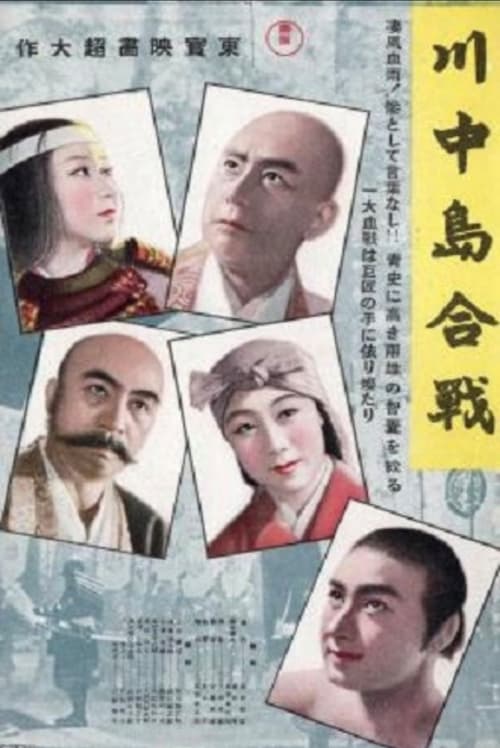
This epic depicts the battle between Uesugi Kenshin and Takeda Shingen. The focus of the story is the struggle by the unit leader in charge of the main supply wagons and the supply troops to transport materiel to the Uesugi army. To this are added episodes involving an itinerant woman.
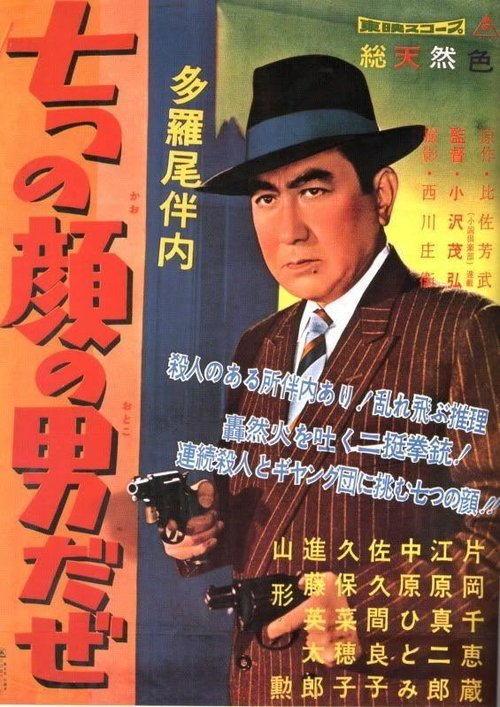
Detective Tarao investigates the deaths of police officers who were involved in solving a kidnapping case.
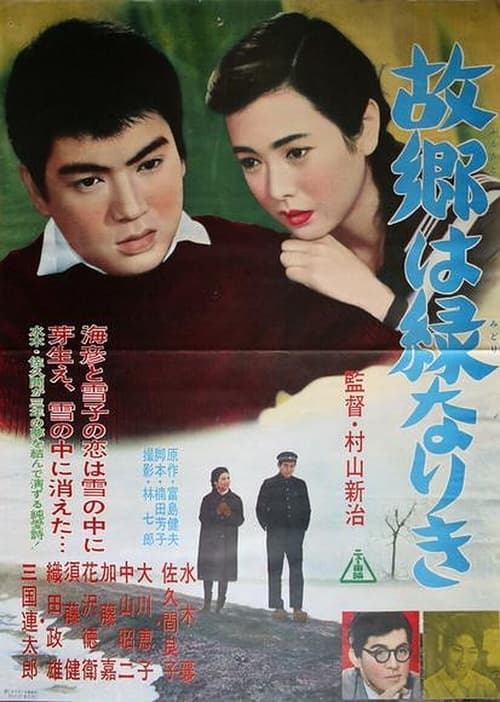
A sad love story between young Umihiko Kojima and a beautiful girl named Yukiko Shino.
Hide-chan (Hideko Takamine) and her family are on a trip to Tokyo. While visiting a fairground, a pickpocket (Kamatari Furukawa) steals the father's wallet. While everyone is trying to hunt down the thief, Hide-chan decides to make the most of it and enjoy her stay, while the thief and his main pursuer (Akira Kishii) play hide-and-seek among the funfair's spectacles and freakshows
Tadashi Imai 1946 movie
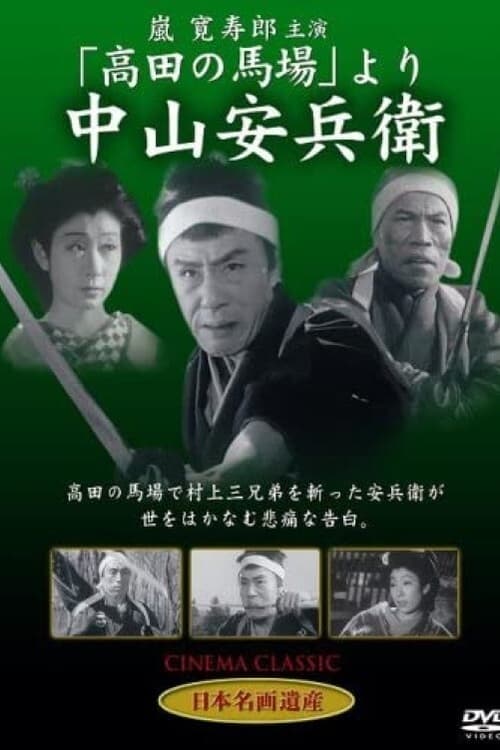
Jidai-geki about the life of Yasubei Nakayama, a famous ronin who did participate in the revenge against Lord Kira Yoshinaka as detailed in Japan's famous epic Chushingura
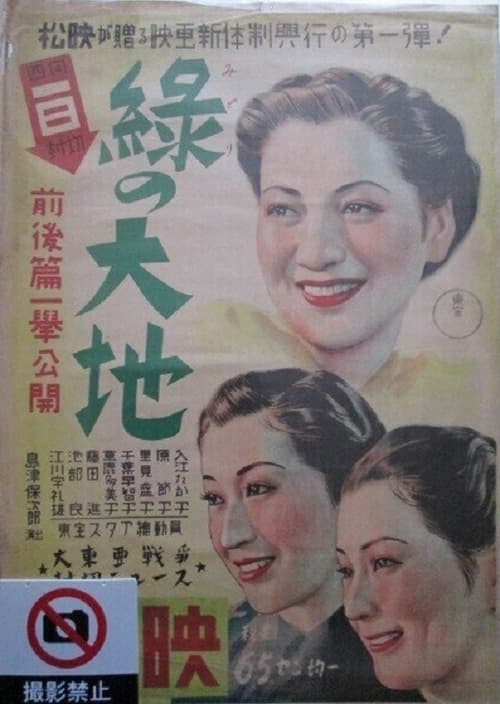
Set in Qingdao, China, a Japanese company locates an office there and begins work and cooperation with a local Chinese company for business. Many Japanese engineers also move to China, with their families, for the company in order to construct a canal. There are young Chinese resisting the Japanese in this area.
Enoken's anachronistic take on the beloved (and already very funny) Edo-period novel "Shank's Mare," aka Tōkaidōchū Hizakurige, in which Yaji and Kita, two plebeian nobodies, have all sorts of strange and colorful encounters on the long road from Edo to Kyoto.
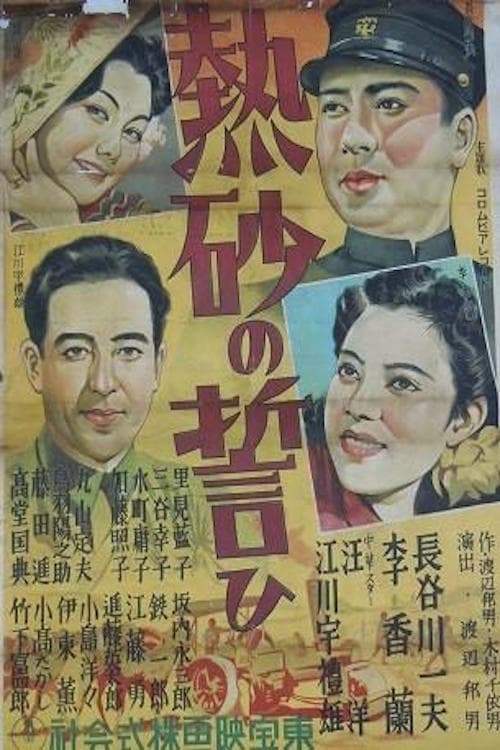
Song of the White Orchid was a co-production of Toho and Mantetsu, the railway that served the colonial region of Manchuria, and the first film in the Kazuo Hasegawa/Shirley Yamaguchi (Ri Koran) “Continental Trilogy.” Handsome Hasegawa (representing Japan) runs up against an impertinent Yamaguchi (representing the continent); not surprisingly, in the course of the film the woman comes around and realizes the benevolent intentions of the Japanese. In Song of the White Orchid Yamaguchi leaves Hasegawa, who plays an expatriate working for the railway, because of a misunderstanding. She joins a communist guerilla group plotting to blow up the Manchurian railway. Learning of the subterfuge that led to the misunderstanding, she renews her faith in Hasegawa—and by extension Japan—and tries to undermine the plot.
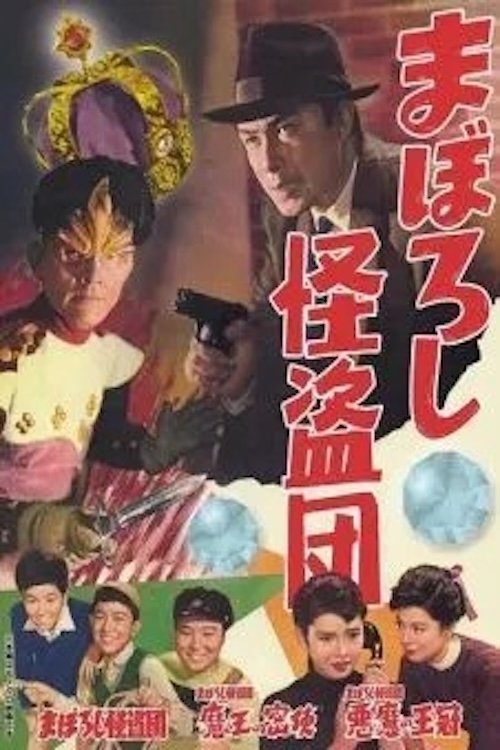
This is the first film in the third installment of the adventure film for boys that depicts the battle between a thief who calls himself "the secret envoy of the Demon Lord" and private investigator Hideo Sayama. In the Toei, the roles are twenty faces and Kogo (Twenty Faces) and Akechi Kogo, with a content that seems to be strongly conscious of the "boys' Detectives" series of Edogawa Rampo, which was later made into a movie.
A Japanese army engineer (Hasegawa) on the mainland must put his personal feelings for a beautiful Chinese woman (Ri) aside if he is to succeed at building a highway through the "bandit"- (aka anti-Japanese militia-) infested hinterlands.
The premature death of a young mother serves as inspiration for her husband and son.
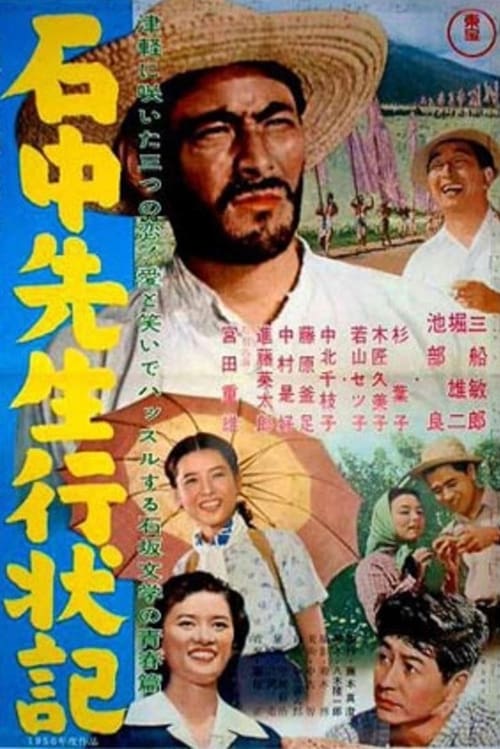
Three humorous love stories set in rural Japan.
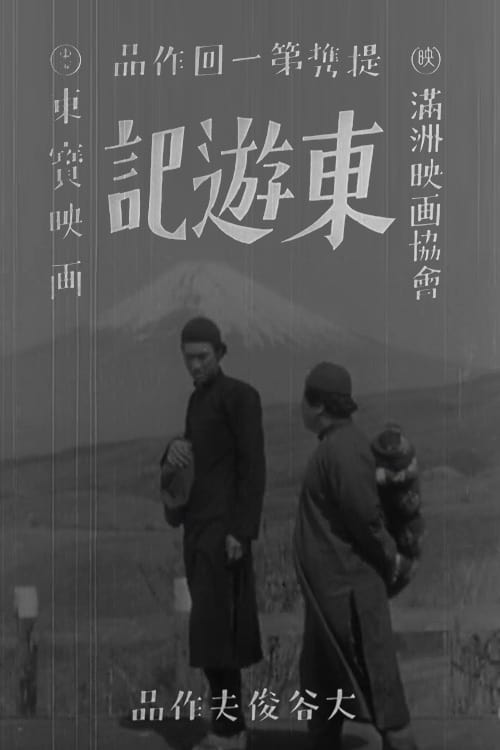
Shot mostly in Tokyo, this comedy depicts two Chinese tourists who have travelled from their country to Japan in order to experience the latter country.
"Karayuki-san offers a no-holds-barred depiction of the discrimination faced by a former prostitute who returns to Japan from Singapore with her mixed-race son." - Alexander Jacoby (Oxford Brookes University)