Writing
Play for Today is a British television anthology drama series, produced by the BBC and transmitted on BBC1 from 1970 to 1984. During the run, more than three hundred programmes, featuring original television plays, and adaptations of stage plays and novels, were transmitted. The individual episodes were between fifty and a hundred minutes in duration.
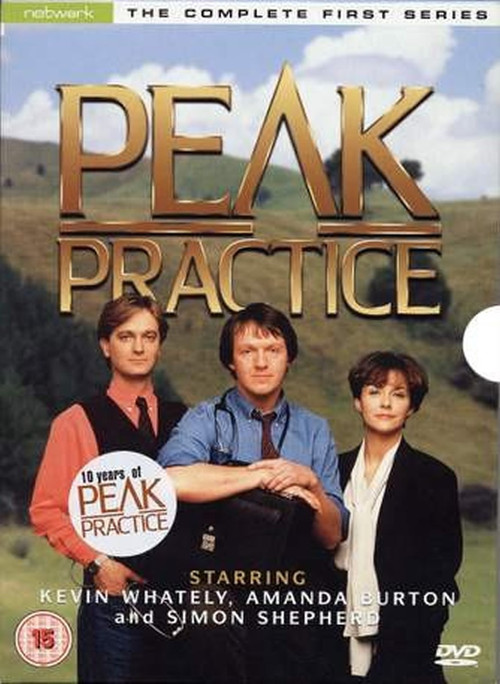
Peak Practice is a British drama series about a GP surgery in Cardale — a small fictional town in the Derbyshire Peak District — and the doctors who worked there. It ran on ITV from 10 May 1993 to 30 January 2002 and was one of their most successful series at the time. It originally starred Kevin Whately as Dr Jack Kerruish, Amanda Burton as Dr Beth Glover and Simon Shepherd as Dr Will Preston, though the roster of doctors would change many times over the course of the series. Cardale was based on the Staffordshire village of Longnor for the final series, but was previously based in the Derbyshire village of Crich, although certain scenes were filmed at other nearby Derbyshire towns and villages, most notably Matlock, Belper and Ashover.
Series of single made-for-television dramas.
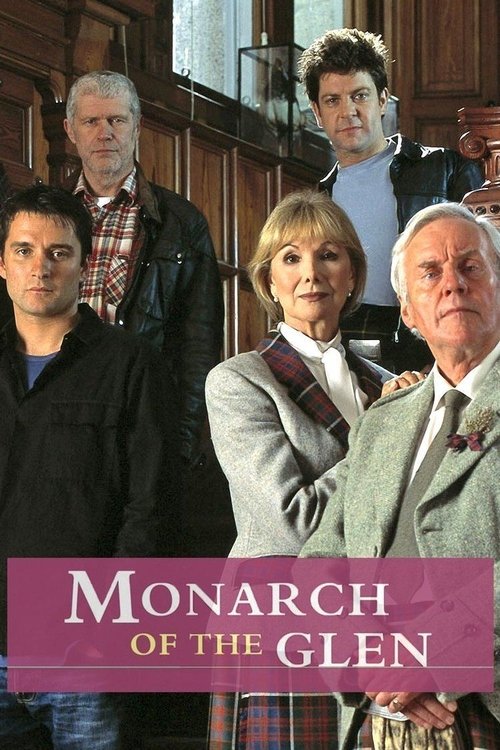
Archie MacDonald, a young restaurateur is called back to his childhood home of Glenbogle where he is told he is the new Laird of Glenbogle.
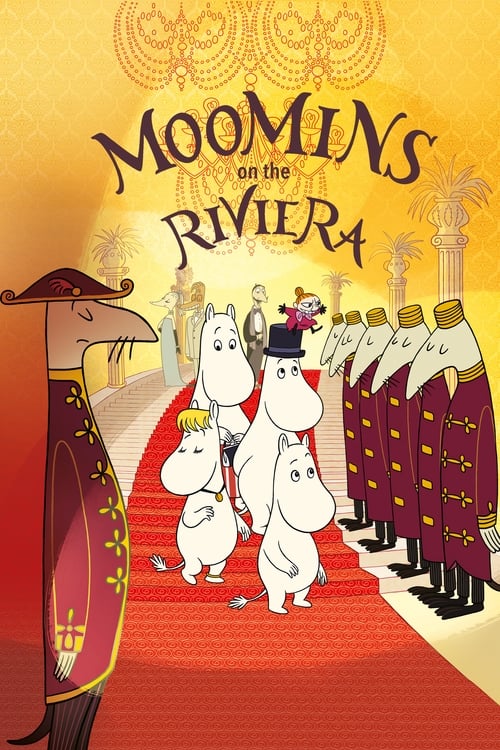
The Moomins along with Little My and Snorkmaiden had a sea journey that after storms and desert island dangers leads the family to Riviera, the place that takes their unity to the test.
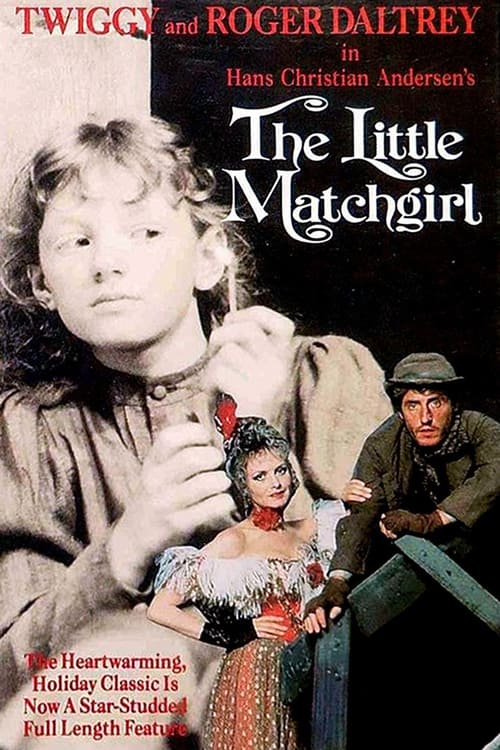
The Little Match Girl is a short story by Danish poet and author Hans Christian Andersen. The story is about a dying child's hopes and dreams, and was first published in 1845. This adaptation was made for Harlech TV and broadcast on 28th December 1986 and starred Twiggy and Roger Daltrey, and features the song 'Mistletoe and Wine' which became a Christmas number one for Cliff Richard in 1988, the biggest selling record of that year.
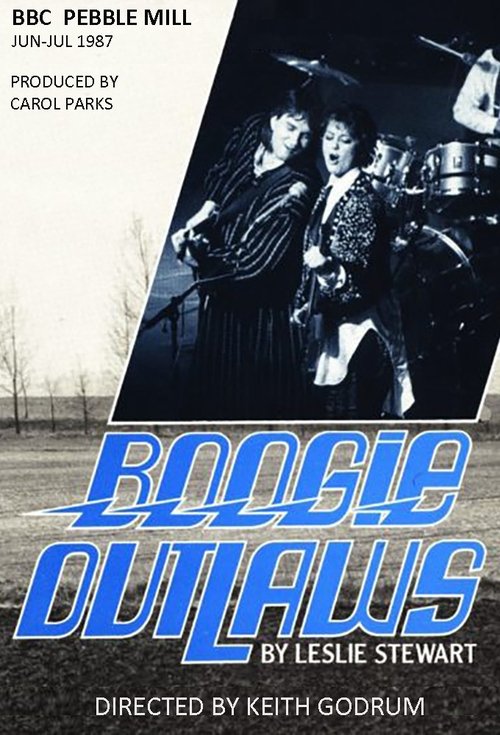
Boogie Outlaws is a three-part British television miniseries about recording company owner Manfred Holt, who forms a band from musicians who are on the run from the police.
Lorrie's father is keen on the idea of an anti-crime Neighbourhood Watch, but Lorrie has his doubts. A play for the BBC schools anthology Scene written by Leslie Stewart.
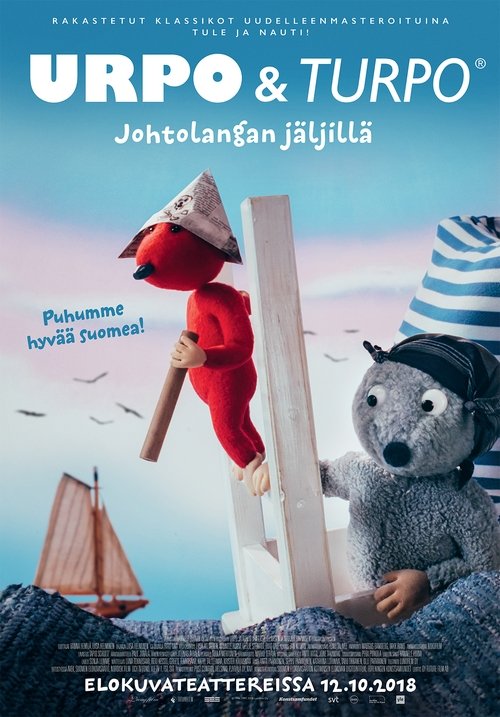
Two toy bears and their adventures.
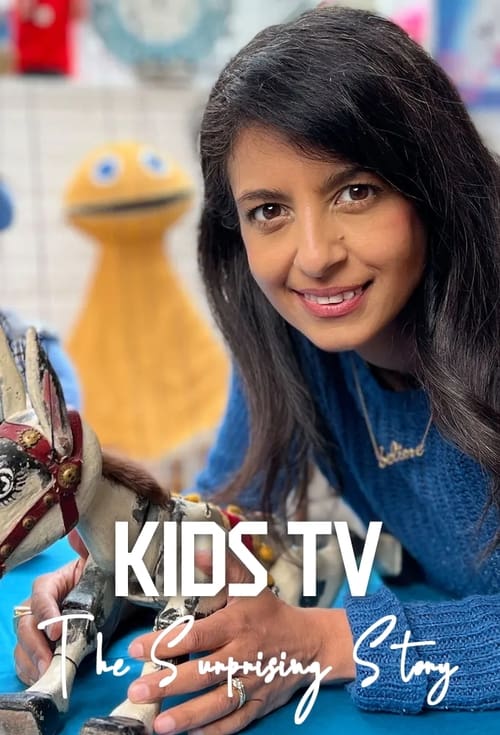
Konnie Huq celebrates the very best of British children’s television, with a dazzling array of clips from some of the most treasured programmes ever made and revealing chats with some of TV’s most beloved stars. But Konnie also tells a perhaps more surprising story: of how kids’ TV has frequently been at the forefront of social change, in terms of the stories it tells and the people who get to tell them.
"Hello. I'm Billy and I'm going to enjoy myself first." Saturday. Out on the streets, young people looking for fun. Billy, living for Two-Tone music. Adrian, only limping when he walks. Lectric, dressed to kill. Debbo, bored with stereotypes. Rhoda, bored with Elvis. Elvis, playing games. They move around the city in the day, making life happen wherever they are. They come together at nights to listen to their music. For as long as the song lasts, they're heroes. Three minute heroes.
Matthew is a boy who just left school. He is handsome and athletic and believes himself to be gay. He retains a friendship with only one school friend, Phil, who has stuck by Matthew despite hostile reactions from his peers. As their relationship grows more intense, Phil's girlfriend Sharon and his classmates become vindictive and aggressive. The two friends find themselves ostracized by both friends and family and decide to run away.
'It's a city of glass. There are trees and flowers from all over the world. And marble. Acres of it. And in a field, there are cows as still as statues'. Maria is taken to a new foster home in a magical city where she becomes Sunshine, finds a statue that talks to her and meets a Boy. She lives happily in a world of fantasy and imagination until one day ...
Stella, 14, works nights. She sings 60s numbers between the stripper with a snake and gorgeous Doris in working men's clubs. She knows what makes her act a success, but does she want to be the sole breadwinner for her family?
After a 14 day survival exercise, Jet decides to leave home.
'I left home about six weeks ago. Came home from school, washed, changed and went. I had enough of being grateful. When I said we ought to shoot the horse and make it into hamburgers for Africa, Dad laughed. Mum thought it was an ungrateful thing to say' Janna leaves home, but is life on the streets better than life at home?