
Peter Rose
Directing
Biography
Since 1968 Peter Rose has made over thirty films, tapes, performances and installations. Many of the early works raise intriguing questions about the nature of time, space, light, and perception and draw upon Rose’s background in mathematics and on the influence of structuralist filmmakers. He subsequently became interested in language as a subject and in video as a medium and generated a substantial body of work that played with the feel and form of sense, concrete texts, political satire, oddball performance, and a kind of intellectual comedy. Recent video installations have involved a return to an examination of landscape, time, and vision. Rose has been widely exhibited, both nationally and internationally, having been included in shows at the Museum of Modern Art, the Whitney Biennial, the Centre Pompidou, the Philadelphia Museum of Art, the Film Society at Lincoln Center, and the Rotterdam International Film Festival. He has been awarded fellowships by the National Endowment for the Arts, the Guggenheim Foundation, the Pew Foundation, the Independence Foundation, and the Pennsylvania Council on the Arts, and is fond of writing descriptions in the third person. As he has written: Some of us work in a proximate relation with our intended audiences, speaking familiar languages so that the archetypes of our culture may be recognized; and some work out a self-creating interiority from which, if we are lucky, we bring back the shape of a newly imagined alphabet of feeling. I find myself oscillating between these two agendas and find the dialectic a productive one, a reflection of the complex, contradictory nature of our times.
Known For
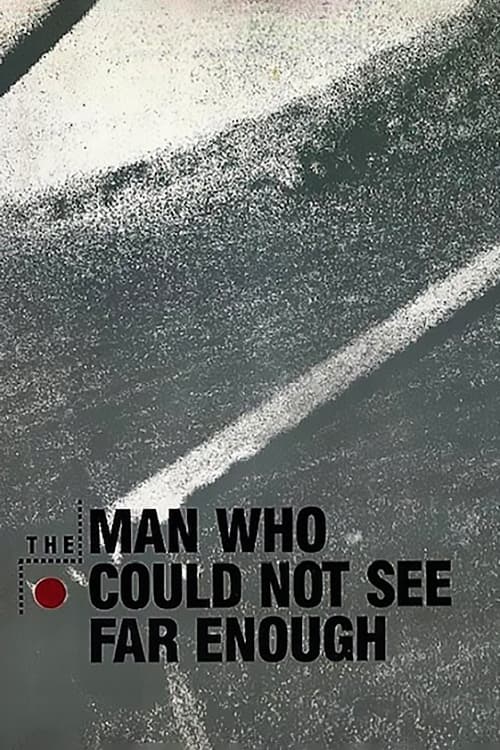
A film that uses literary, structural, autobiographical, and performance metaphors to construct a series of tableaux that evoke the act of vision, the limits of perception, and the rapture of space.
The Man Who Could Not See Far Enough
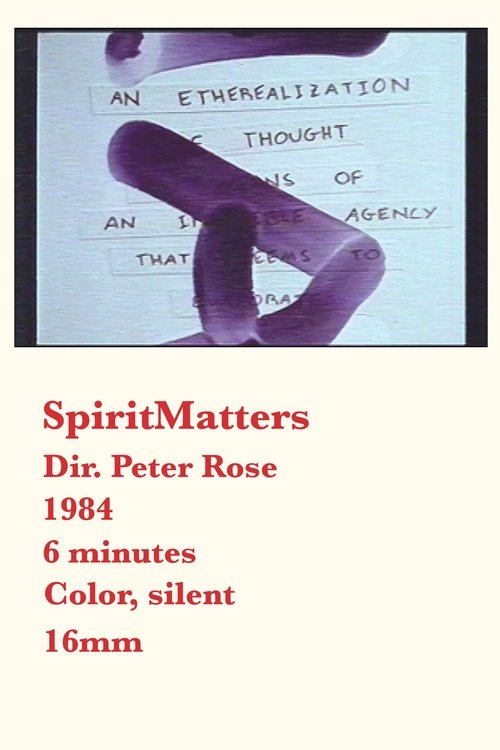
A silent monologue on the simultaneous perception of space and time. The film was constructed without a camera by writing directly on clear celluloid and then ‘translated’ by refilming the resulting strips on a light table so that they appear as ‘subtitles’ beneath the original inscription.
SpiritMatters
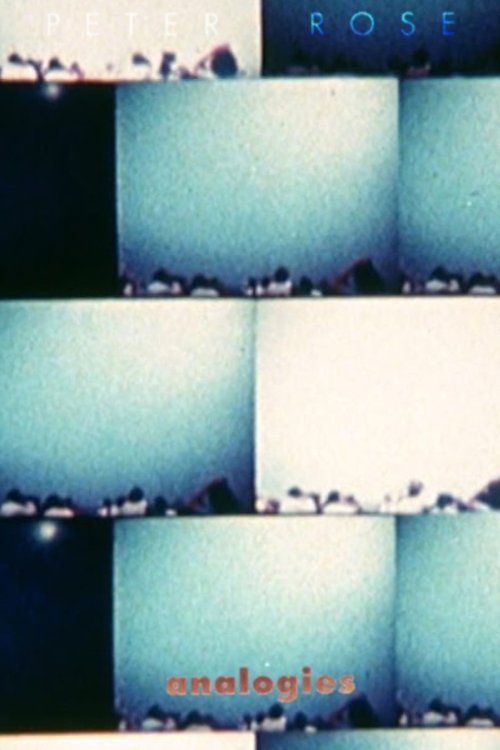
Analogies: Studies in the Movement of Time uses a variety of multiple screen formats to create an intriguing series of visual riddles. The film consists of a series of simple camera movements that are rendered "diachronically"- several different aspects of the action are presented on the screen at once. By playing with time delays between these images, new kinds of space, action, gesture, and temporality have been found. Generated from structural principles, the film is both lyrical and sensual and provokes a new understanding of time and cinema.
Analogies: Studies in the Movement of Time
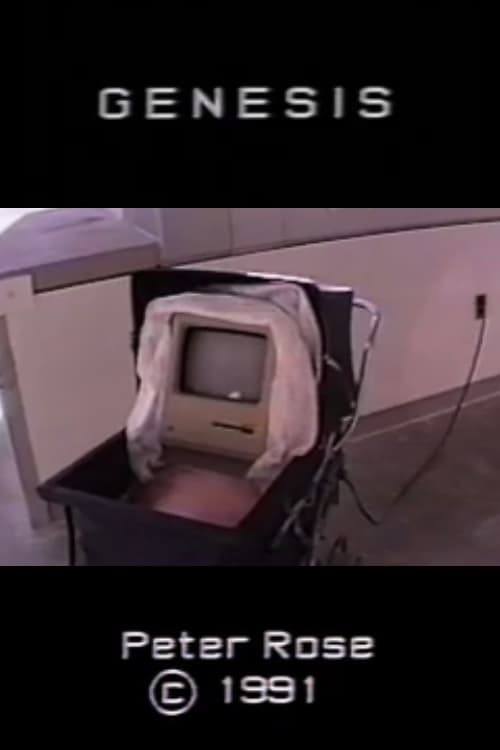
Genesis recounts a story about embodiment "told" using voice synthesis and animation display on a MacIntosh computer. It was installed at the Institute of Contemporary Art in Philadelphia in 1991. A computer is swaddled in blankets in a small baby carriage. A text appears on the screen that tells the (true) story of a woman who miscarries and keeps the fetus in her refrigerator. The narration is artificial, generated by a speech synthesis program. This voice becomes more human as the story evolves and as our understanding of the power of naming sharpens.
Genesis
A reflection on the dynamics of public space in the time of Covid.
Memories of Shared Air
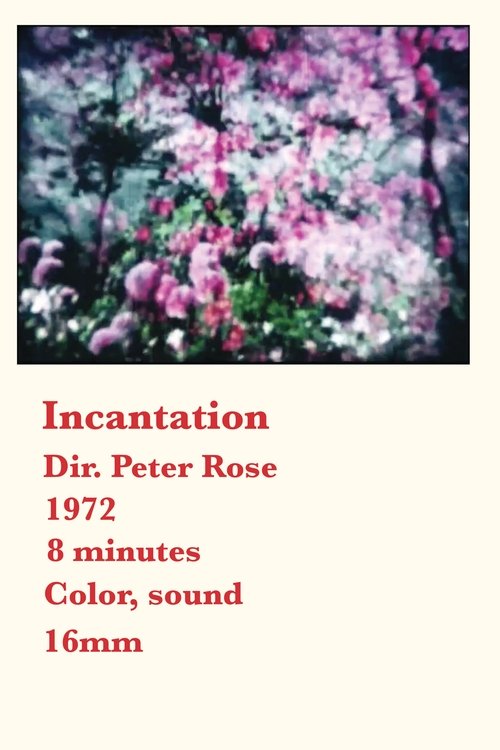
Using rapidly edited, superimposed images of plants, trees, water, the sun and the moon, Incantation weaves a dynamic tapestry of organic forms and textures, combining its images with a fierce rhythmic intensity so as to suggest a kind of natural force. The film was shot entirely in the camera, in 8mm, according to a pre-arranged, music-like score, and then blown up to 16mm using a home-made optical printer. The accompanying sound track, a chant taken from Islamic liturgy, is breath-based and brings the film into the form of a prayer. Written by re:voir. - Preserved by the Academy Film Archive in 2016.
Incantation
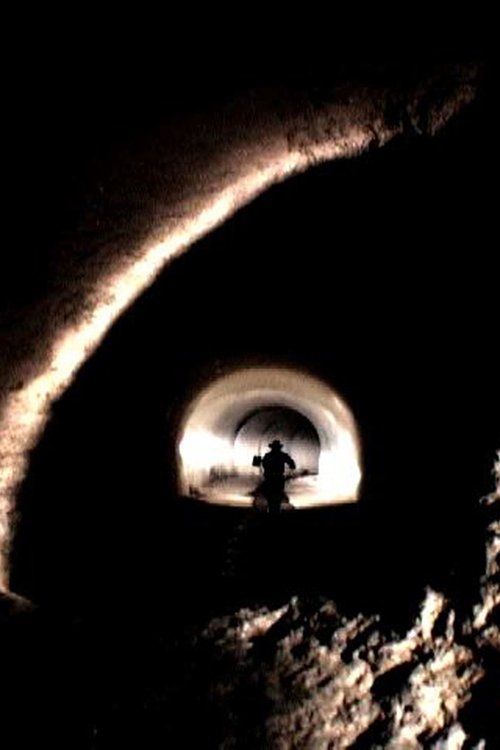
"The Indeserian Tablets” is a complex, mesmerizing and beautiful short by Peter Rose. The film is in the form of an archeological treatise on a fictional vanished people, whom Rose imagines living in a remote past, with an advanced technology which is quite unlike our own.With “The Indeserian Tablets,” Peter Rose is digging deep into the origins of language, vision, and creativity, and using his archeological findings to create a film of wit, intelligence, and awe-inspiring beauty.
The Indeserian Tablets
1996 Peter Rose short work. A magician-like figure delivers a peculiar speech that is embedded in extravagant arrays of time-delayed images that reflect and refract ideas about memory, time and language.
Metalogue
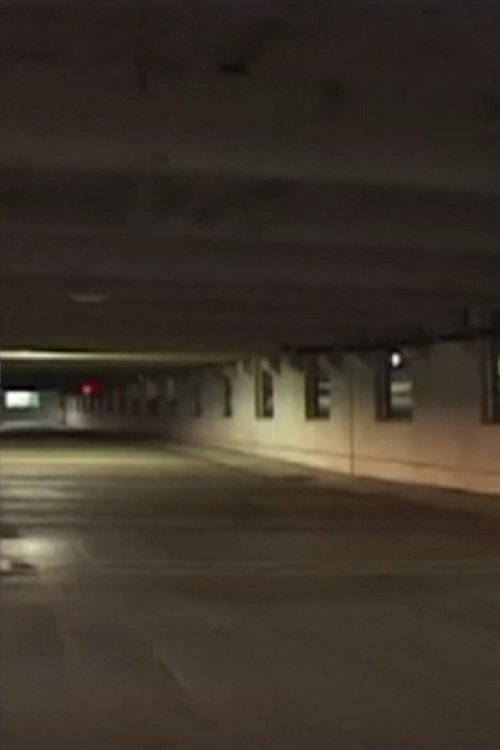
Odysseus moors his boat in an alien architectural machine, a labyrinth-- A place of mystery and power where the rules of visual perspective are transformed and another space erupts.
Odysseus in Ithaca
Secondary Currents is a film about the relationships between the mind and language. Delivered by an improbable narrator who speaks an extended assortment of nonsense, it is an 'imageless' film in which the shifting relationships between voice-over commentary and subtitled narration constitute a peculiar duet for voice, thought, speech, and sound. A kind of comic opera, the film is a dark metaphor for the order and entropy of language and has been the subject of a number of articles on the use of language in the arts.
Secondary Currents
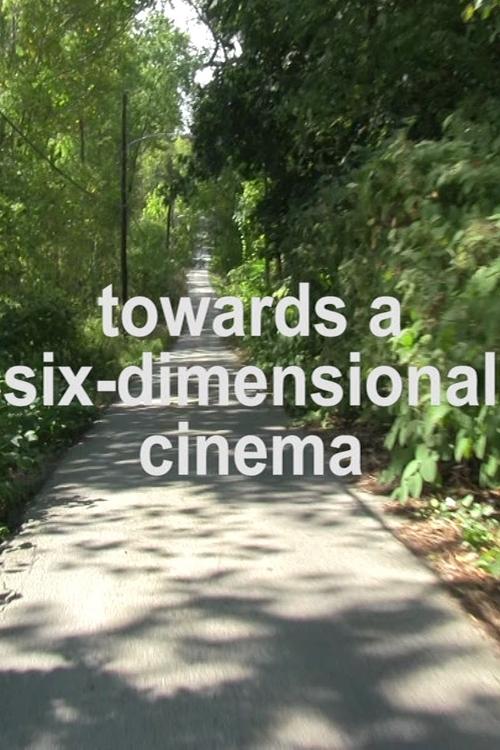
60 minutes of experiments in multi-dimensional cinema using a variety of stereoscopic rigs.
Towards a Six-Dimensional Cinema
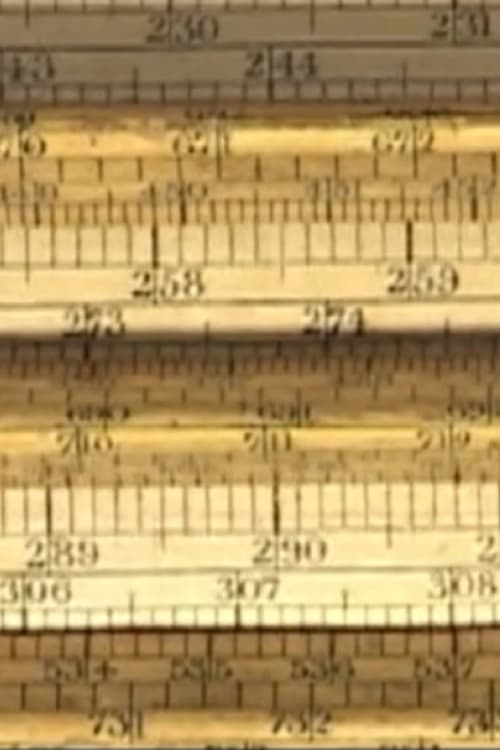
The Geosophist’s Tears (2002, video) was shot during a seven week cross country road trip in the aftermath of Sept. 11th. The work is symphonic in ambition and offers a complex meditation on the iconography of the American landscape. Drawing on the strategems of the early geosophists, who believed that through the operation of a mysterious instrument landscapes might be placed in an emotionally meaningful correspondance with one another, the work uses a variety of visual algorithms to propose and discover surprising structural features of the uninhabited American landscape. Sounds for the work were produced by a remarkable antique slide rule, dating from 1895, that was untouched for over forty years and whose peculiar threnody is both mournful and rhapsodic. In its fractured and phantasmagoric reworkings of the horizon, the work offers us unstable metaphors for the state of the union and a respectful homage to the traditions of painting.
The Geosophist's Tears
On the phenomenology of the black sun; an anthology of sightings; on ways of seeing; an ecoparable.
Solaristics
A visual tone poem in six-dimensions.
The Oculus Opens
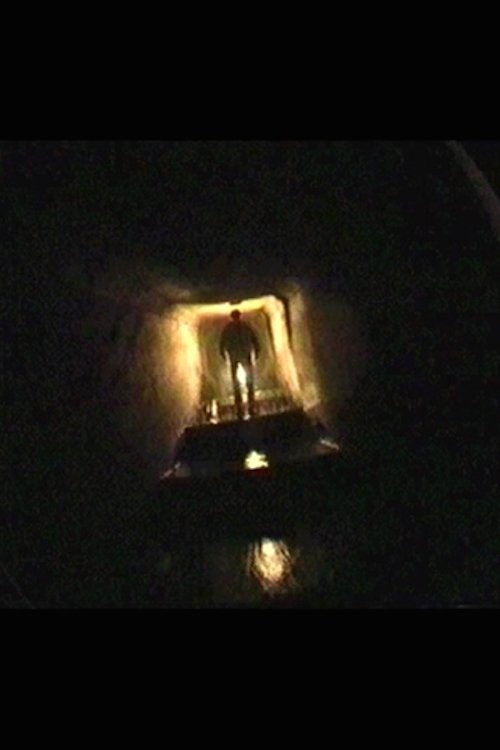
1997 Peter Rose short film
Understory
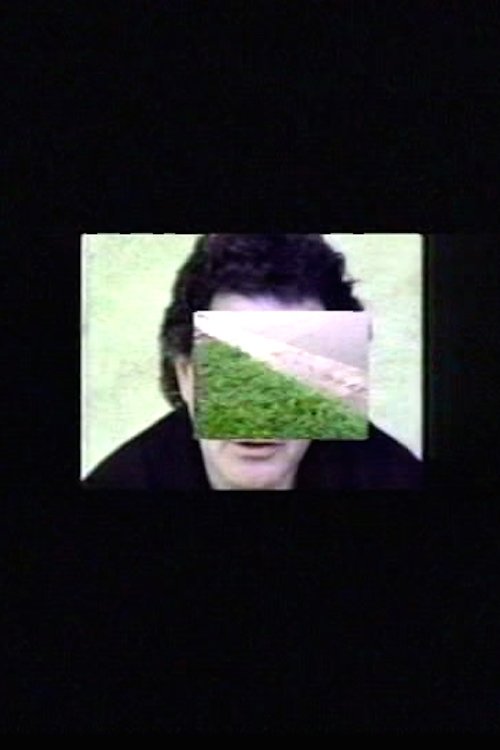
1992 Peter Rose short work
Sleeping Woman
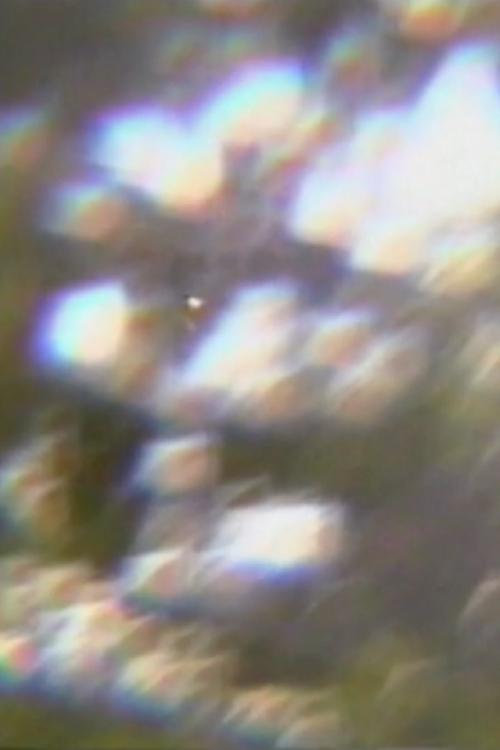
Veteran experimental artist Peter Rose’s Omen richly alternates highly treated images of the natural world and of the human, built environment – both streams shrouded in dread. Where nature often appears scarred by the passing shadows of civilisation, the built structures are dark, subterranean passages intermittently illuminated by a skittering torch.
Omen
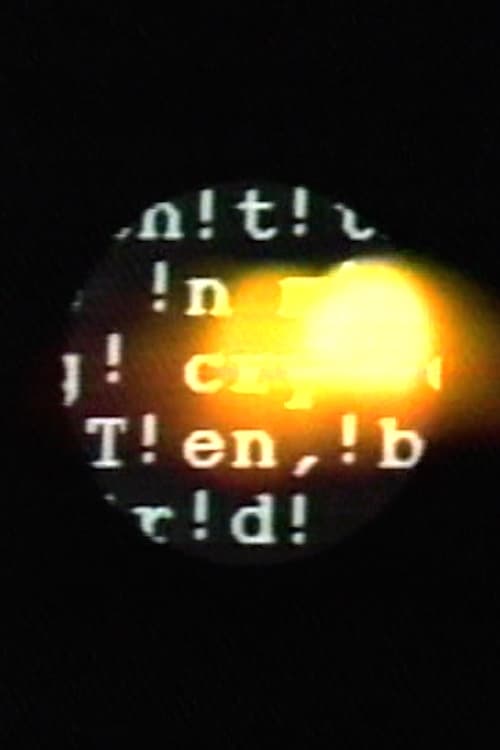
1990 Peter Rose experimental short
Siren
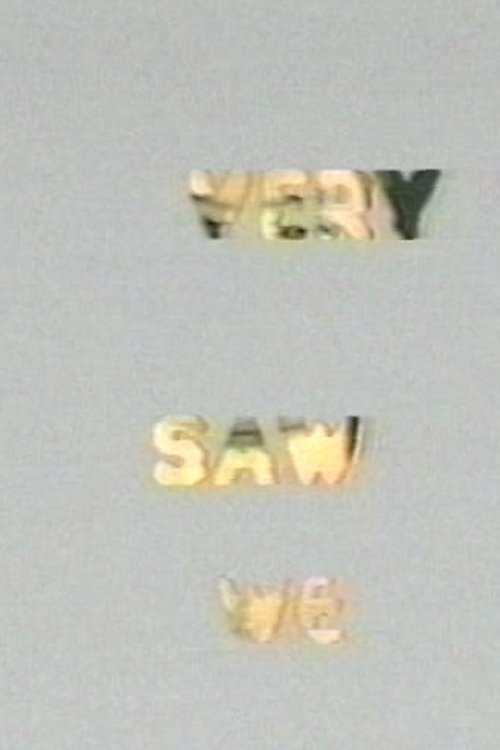
An experimental short by Peter Rose.
Foit Yet Cleem Triavith
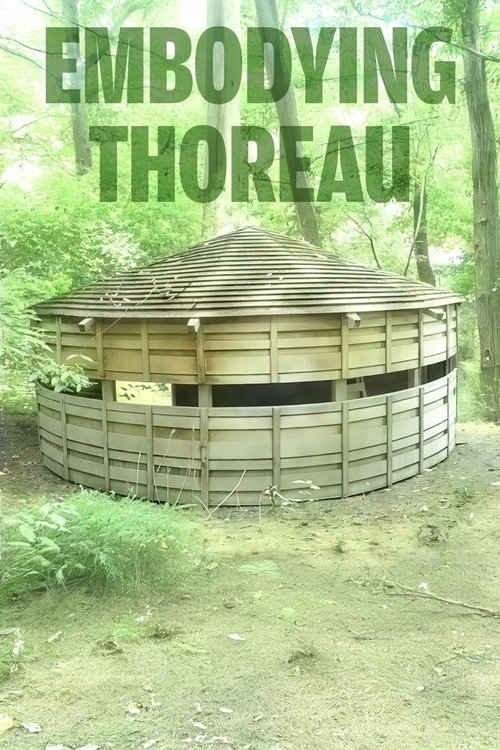
No description available.