Lúcia Murat
Directing
Biography
Lúcia Murat is a Brazilian filmmaker. Murat participated in the student and guerrilla movements against the military dictatorship in Brazil in the 1960–1970s. She was imprisoned and tortured by military agents; that experience exerts a strong influence on her work.
Known For

Brazil from the perspective of school pupils aged 14 to 19. Combining a documentary with a fictional approach, Hora do recreio addresses topics including violence, racism and drug dealing.
Playtime
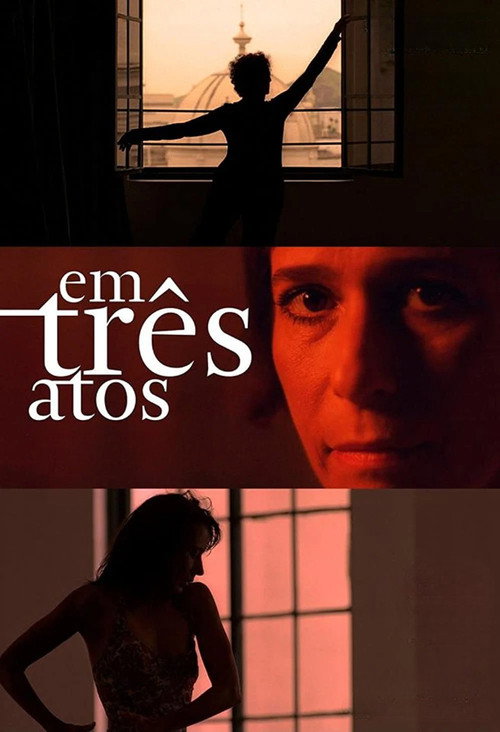
When an 80 year old intellectual is confronted with issues of old age and death, she reminisces the death of her mother that happened 30 years earlier. With dialogue inspired by Simone de Beauvoir mixed with contemporary dance, the cycle of life is exposed in a poetic manner.
In Three Acts
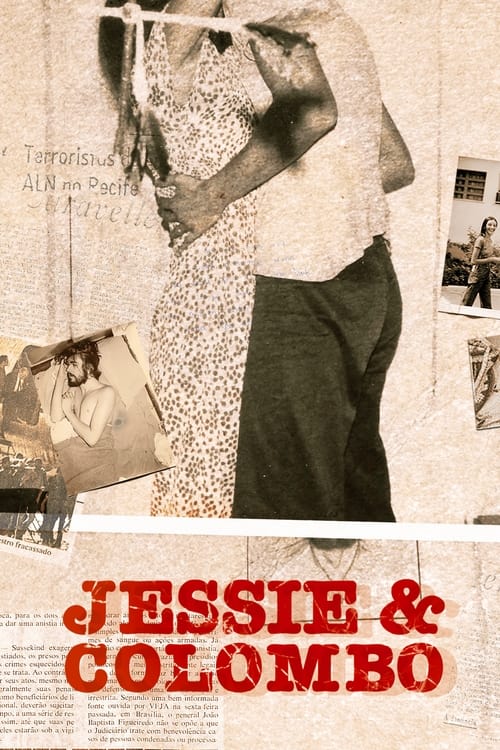
A story of love and revolution told through letters written by a couple in the dungeons of the dictatorship. The emotional bonds tied together the past and present of two oppressed families.
Jessie e Colombo
A journalist is placed upon the management of a large broadcasting company to the capital of Brazil at the time of local elections. She must now face ideological and ethical questions, brought back by a left-wing former boyfriend and her own colleagues. At the same time, a free-lancer spy is sent by an obscure figure in politics to manipulate the elections and its media coverage.
Doces Poderes

Collective film with five segments around the works and life of brazilian writer Oswald de Andrade.
Oswaldianas
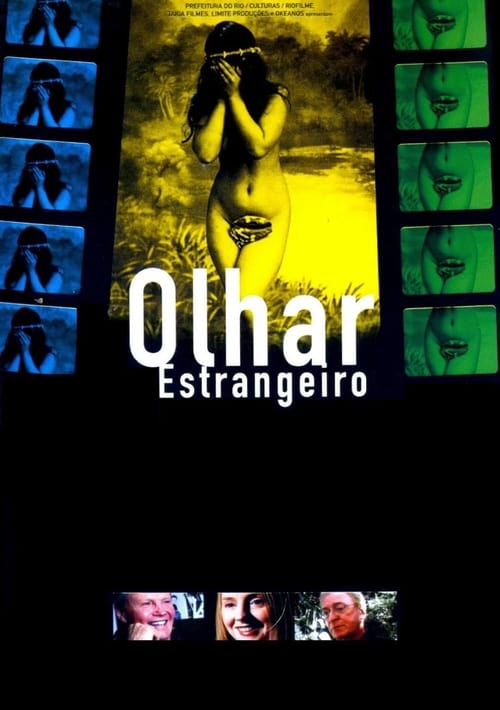
Fantasies and clichés about Brazil and Brazilians as reinforced by international films, even those actually shot in Brazil. This documentary features interviews with non-Brazilian directors, writers and stars who have been involved in some of those films.
The Foreign Eye

Free adaptation of Romeo and Juliet translated to the harsh life in Favela da Maré, one of largest and most violent slums in Rio de Janeiro. Living in a slum divided between two rival gangs of drug traffickers, Analídia is the daughter of one of the gangs' leaders and Jonathan is a childhood friend of the other gang leader. Both study in a dance group situated exactly in the middle of the two territories, looking for solace in art.
Maré, Our Love Story
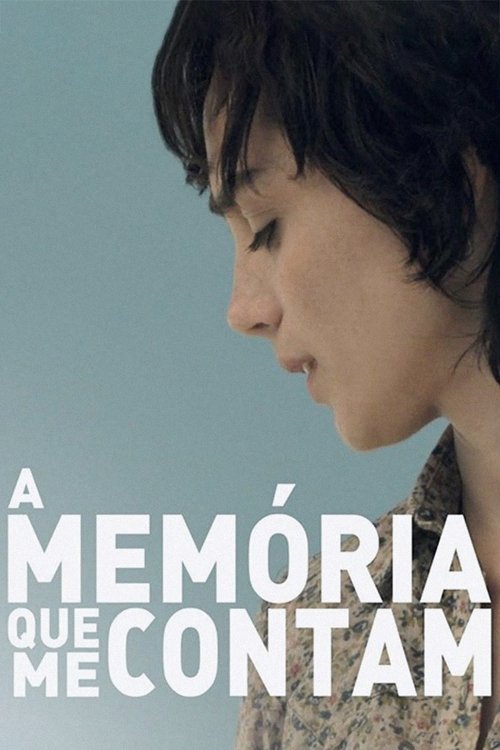
A group of friends, who resisted the military dictatorship, and their children will face the conflict between the daily life of today and the past when one of them is dying.
Memories They Told Me
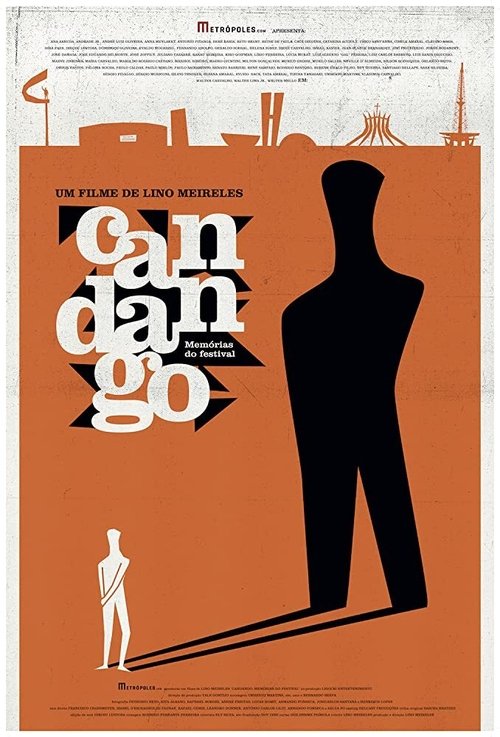
In 1965, a year after the military coup in Brazil, an oasis of freedom opened in the country's capital. The Brasília Film Festival: a landmark of cultural and political resistance. Its story is that of Brazilian cinema itself.
Candango: Memoirs from a Festival
No description available.
Arte 1 Documenta
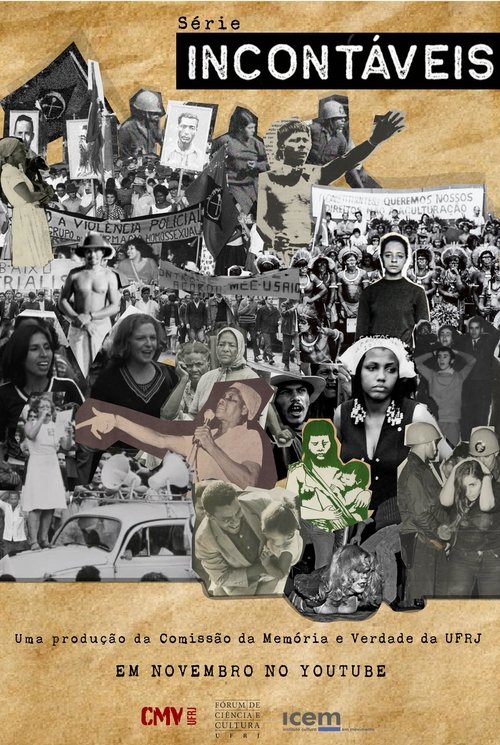
The series focuses on the violence of the Brazilian dictatorship against women, the LGBTQIA+ population, a black population living in favelas, indigenous peoples, students and educators, and rural and urban workers.
Incontáveis
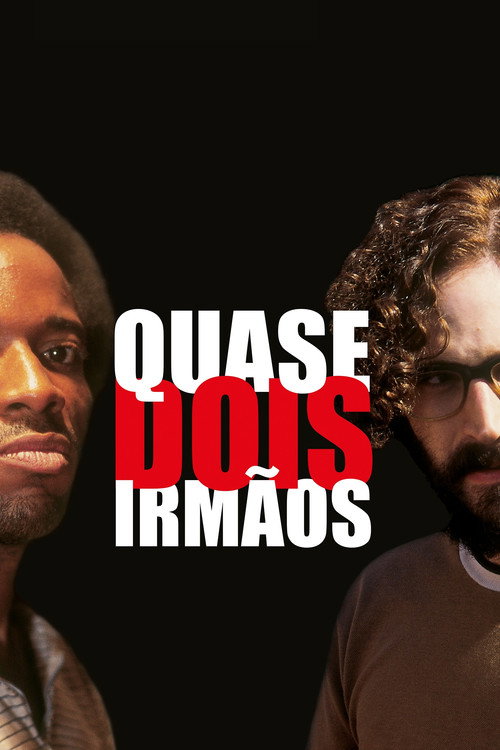
The strange friendship between two men of opposite social classes. Miguel is a senator. His childhood friend Jorge is a major drug-dealer. In the 1970s, they meet in prison: Miguel was there for political reasons, and Jorge, as a common criminal.
Almost Brothers
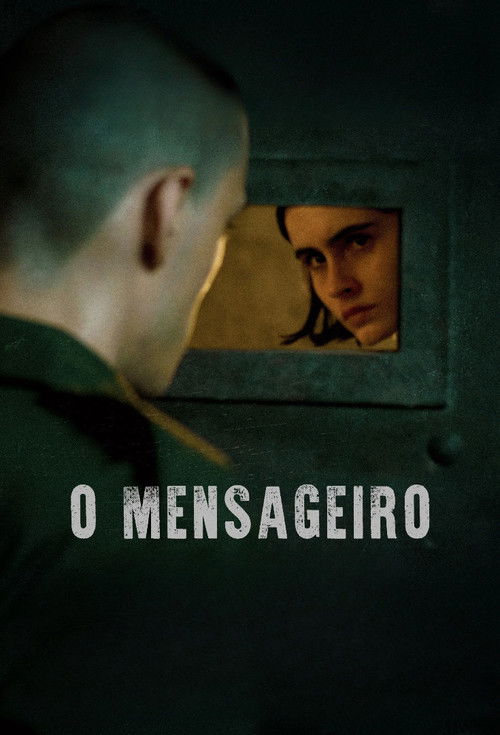
Vera, imprisoned at a military fortress during the dictatorship, 1969, get to know a soldier, Armando, who, in the face of torture, decides to take messages from Vera to his family and establishes an affective relationship with D. Maria, Vera’s mother. Despite the horrors of the time, the film works on this possibility of a dialogue between two lonely and lost human beings: a high-middle-class lady and a young southerner of rural origin. Today, Vera, aged 70, is a professor at the university, and debates with her students about politics, forgiveness and Hannah Arendt.
The Messenger

"A Long Journey" tells the story of three siblings who reach adolescence in the late 1960's. The documentary's storyline follows the youngest brother's travels around the world. Worried that he would enter the struggle for freedom against the Brazilian dictatorship, his family sent Heitor to London. There however, he dives head on into the "Swinging London" and, just like the European and American youth of the time period, he experiments with drugs and the mystic allure of India. In the nine years he has traveled around the world, from 1969 to 1978, he has regularly written to his family. The documentary features interviews with Heitor today, his letters and off-screen comments of Heitor's sister, Lúcia Murat, the director of the movie.
A Long Journey
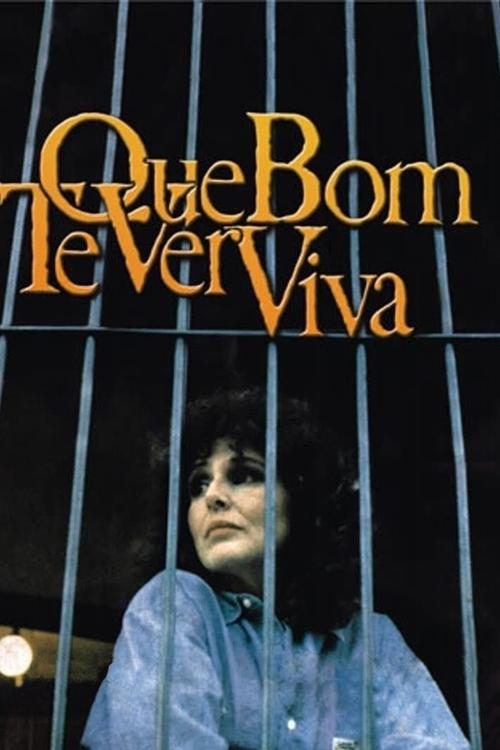
Four years after a military coup overthrew the Brazilian government in 1964, all civil rights were suspended and torture became a systematic practice. Using a mix of fiction and documentary this extraordinary film is a searing record of personal memory, political repression and the will to survive. Interviews with eight women who were political prisoners during the military dictatorship are framed by the fantasies and imaginings of an anonymous character, portrayed by actress Irene Ravache.
How Good to See You Alive
A series of interviews of torture survivors from Brazil dictorship are mixed with performance.
A Noite Escura da Alma
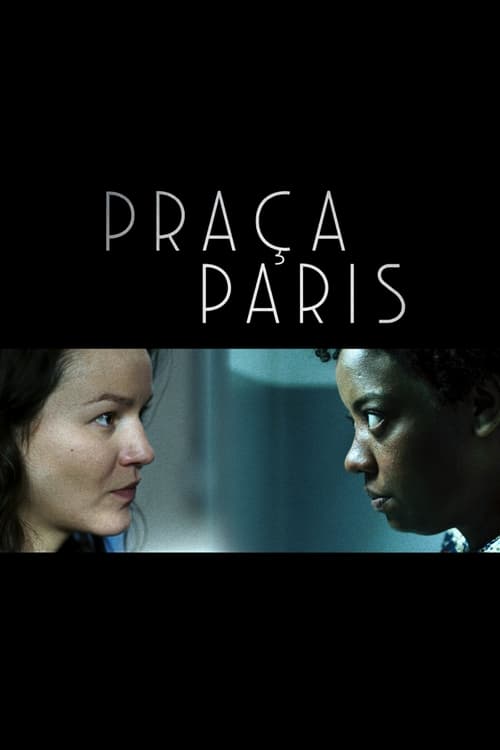
Camila is a Portuguese therapist who works at Rio de Janeiro State University, where she attends Glória, the university's elevator operator. Throughout the sessions, Camila faces a very violent reality, since Glória was raped by her own father as a child and her brother Jonas is a dangerous bandit that is in prison. Increasingly frightened by the reports she hears, she feels threatened at the same time that Glória sees her as essential in her life.
Praça Paris
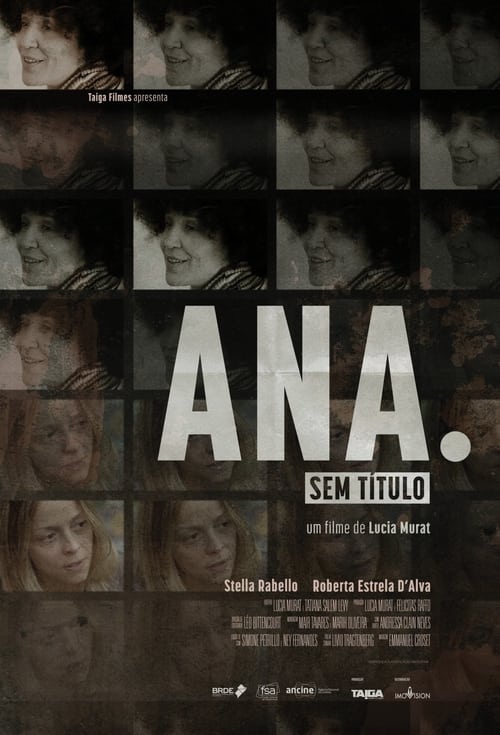
Stela, a young Brazilian actress, decides to make a work on the letters exchanged between Latin American plastic artists in the 70s and 80s. She travels to Cuba, Mexico, Argentina and Chile looking for her works and testimonies about the reality they lived during the dictatorships that most of these countries faced at the time. In the midst of the investigation, Stela discovers the existence of Ana, a young Brazilian artist who was part of this world, but disappeared. Ana went from southern Brazil, from a small town in the interior to Buenos Aires. Obsessed by the character, Stela decides to find her and find out what happened to her.
Ana
The documentary revolves around the Kadiwéu indigenous tribe that lives in Mato Grosso do Sul. The director visited a controlled tribute in 1999 to record another film and now nearly 15 years later, an electric light, a television and evangelical churches arrived at the site, in addition to the Kadiwéu land struggle against ranchers. The intention is to analyze the different paths of the tribe presented by the events
A Nação que Não Esperou por Deus
Diogo is a cartographer and artist who is encharged to set the new frontiers of Portuguese Colonies in South America. When he reaches the center of the continent, finds apparently nothing but wilderness and ‘uncivilized’ natives with strange ways of living. But Captain Pedro, the rude scout who guides him through the jungle, involves Diogo in an involuntary act of violence which will tie him in an unusual way to that far away country. At the same time, the Portuguese colonists are trying to make peace with Guaicuru Indians (one of the few natives with horse-riding abilities). But peace doesn’t ever have a low price.