Christoph Weinert
Directing
Known For

No description available.
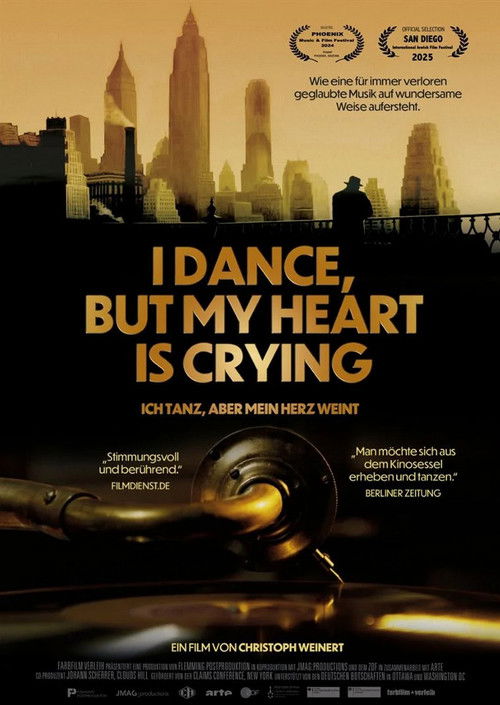
I Dance, But My Heart Is Crying - Ich tanz, aber mein Herz weint

In the 18th century, the Barbary threat became serious. In July 1785, two American boats were returned to Algiers; In the winter of 1793, eleven American ships, their crews in chains, were in the hands of the dey of Algiers. To ensure the freedom of movement of its commercial fleet, the United States was obliged to conclude treaties with the main Barbary states, paying considerable sums of money as a guarantee of non-aggression. With Morocco, treaty of 1786, 30,000 dollars; Tripoli, November 4, 1796, $56,000; Tunis, August 1797, 107,000 dollars. But the most expensive and the most humiliating was with the dey of Algiers, on September 5, 1795, “treaty of peace and friendship” which cost nearly a million dollars (including 525,000 in ransom for freed American slaves). , with an obligation to pay 20,000 dollars upon the arrival of each new consul and 17,000 dollars in annual gifts to senior Algerian officials...
The Barbary Corsairs

No description available.
Jüdisch in Europa

Docudrama telling the story of a building with a breath taking career that began in the empire, flourished in the Weimar Republic, perished in the Nazi dictatorship, and was rebuilt after its partial destruction.
Der Reichstag

No description available.
The roaring 20's
Documentary about the end of the regency of Kaiser Wilhelm II., Germany's last emperor.
Wilhelm II. - Die letzten Tage des deutschen Kaiserreichs

No description available.
Fallada - im Rausch des Schreibens

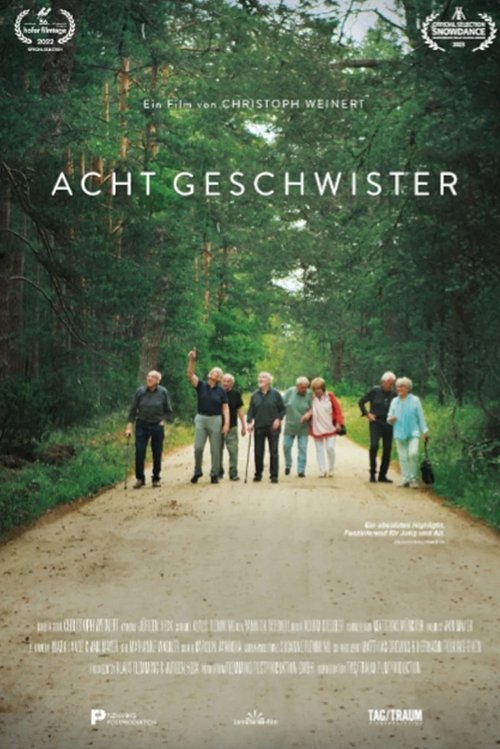
“Acht Geschwister” by Christoph Weinert is a tribute to sibling life, a piece of non-fictional narrative cinema. The film tells the story of two sisters and six brothers who were born between 1933 and 1943 and grew up on a farm in a small village in Pomerania. With their intertwined, very different lives, the film tells not only the story of the eight siblings and their common escape with their parents after the end of World War 2, but also a piece of recent German history, when the siblings are separated by the inner-German border for over 40 years during the Cold War. Nevertheless, the contact between them never breaks.
Eight Brothers and Sisters
No description available.
Churchills Verrat an Polen

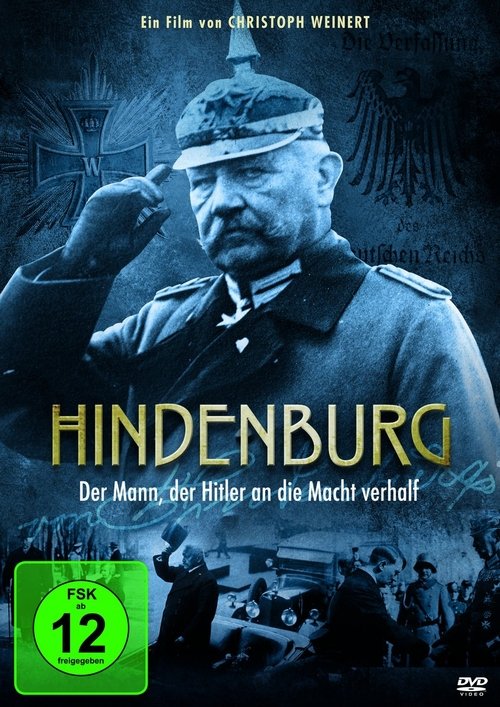
Hindenburg was active at a time when events in Germany and Europe came thick and fast within a few years: defeat in the war and revolution led the German Empire into a deep crisis, while inflation and the global economic crisis plunged the Weimar Republic into severe turmoil. The world was coming apart at the seams and Hindenburg played a decisive role in determining the fate of Germany: in the Supreme Army Command during the First World War, at the fall of Kaiser Wilhelm II in November 1918 and in January 1933, when as Reich President he appointed Adolf Hitler as Reich Chancellor.
Hindenburg

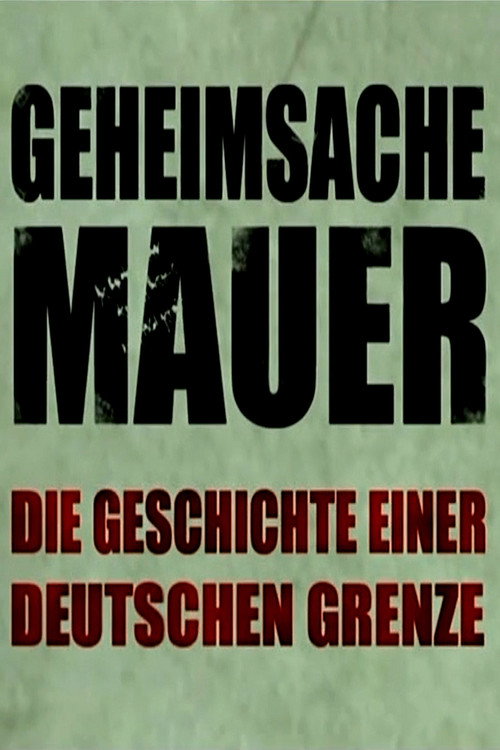
Germany in the summer of 1961 - the "Iron Curtain" divides the country. Only in Berlin is the border still permeable. West Berlin is the open wound of the GDR. Until August 13, 1961, a summer Sunday that would divide the world into a before and an after. 2011 marks the 50th anniversary of the day on which the division of Berlin cemented the division of Germany and Europe for more than two and a half decades. The docu-drama "Geheimsache Mauer - Die Geschichte einer deutschen Grenze" by Christoph Weinert and Jürgen Ast tells the story of the Berlin Wall and the inner-German border from a new, unusual perspective: from the point of view of those who planned, built and guarded it. The film takes the viewer behind the scenes of the Wall builders: it reveals the "concreted" thinking and calculating calculations of the Wall strategists - and their secret plans to perfect the deadly border further and further.