Acting
Demme captures the late choreographer Trisha Brown performing a meta-narrative dance work.
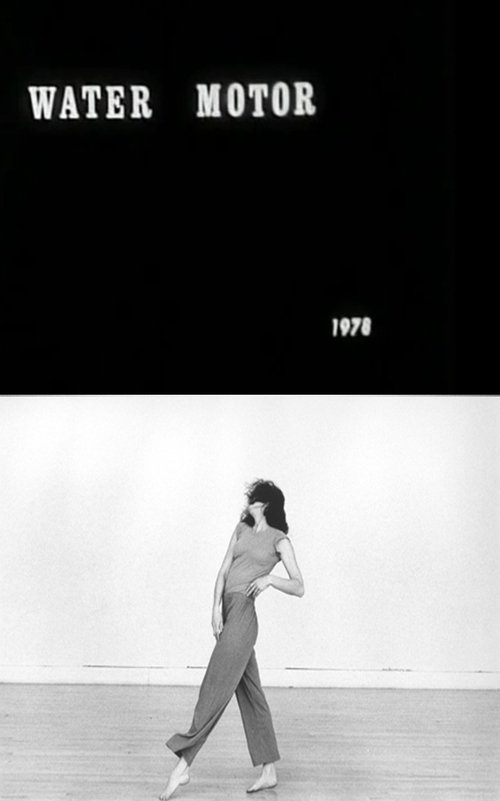
A filmed record of a solo performance by American postmodern dancer and choreographer Trisha Brown. In order to better understand the dance, Mangolte learned to perform it herself. Mangolte shot Brown as she performed the solo twice, and then on the third take she decided to film in slow motion: "I shot slow motion, knowing that it would reveal the dance and the movement in a totally different context... the slow motion version permits a second look at the choreography, and the spectators can marvel at what they remember and also what they missed the first time around."
A dance performance by Trisha Brown, shot from ten feet above the floor to give the viewer a bird's-eye view.
Documentation of a dance performance by Trisha Brown filmed by Elaine Summers
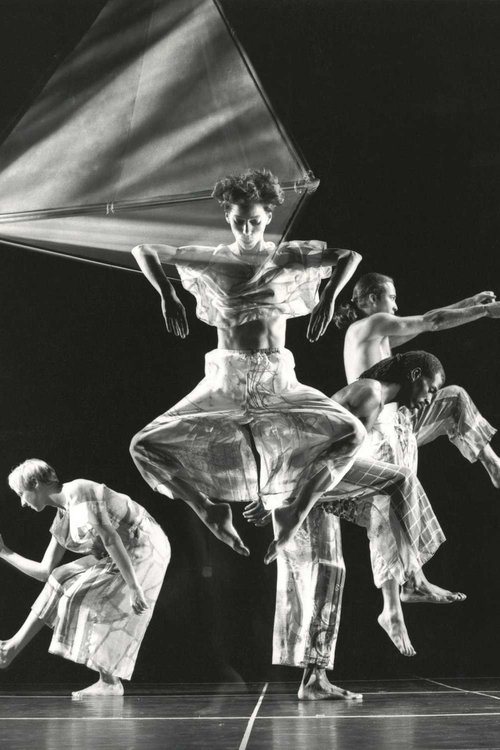
Premiere performance of Set and Reset at the Brooklyn Academy of Music, Brooklyn, New York, USA, 21 October 1983
The film chronicles the work of choreographer and dancers on the stage in Minneapolis preceding the premiere of Trisha Brown’s Lateral Pass in 1985. Involving a complex set and colorful costumes by Nancy Graves, choreography by Trisha Brown, and improvised music by Peter Zummo, the film follows the dynamic between dancers, choreographer and the stage apparatus.
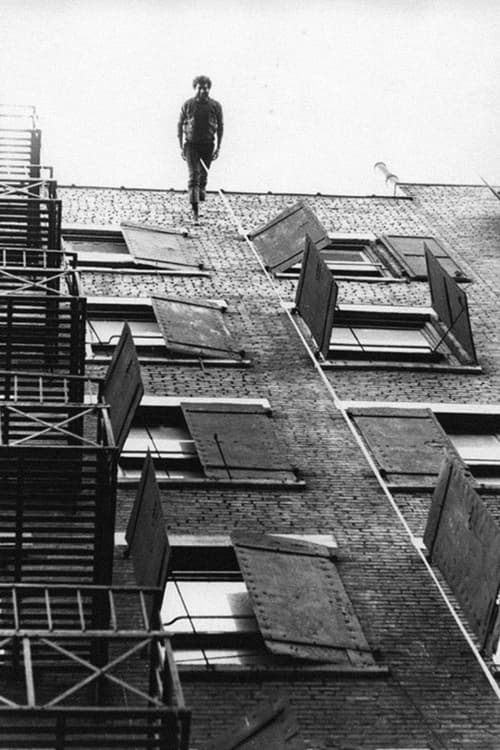
A natural activity under the stress of an unnatural setting. Gravity reneged. Vast scale. Clear order. You start at the top, walk straight down, stop at the bottom. All those soupy questions that arise in the process of selecting abstract movement according to the modern dance tradition -- what, when, where, and how -- are all solved in collaboration between choreographer and place. If you eliminate all those eccentric possibilities that the choreographic imagination can conjure and just have a person walk down an aisle, then you see the movement as the activity. The paradox of one action working against another is very interesting to me, and is illustrated by Man Walking Down the Side of a Building, where you have gravity working one way on the body and my intention to have a naturally walking person working in the other way.
Shot at the Teatro di San Carlo in Naples, Italy, Trisha and Carmen is a compelling narrative/document on the 1987 production of Carmen, which was directed by Lina Wertmuller and choreographed by Trisha Brown. Barr cuts between the rigorous discipline of rehearsal, Brown's meticulous preparations in her dressing room, and the actual performance. Through the course of the tape, Barr traces Brown's metamorphosis, paralleling her physical and mental transformation with the transformation from rehearsal to performance. Anchoring the work on one central and riveting image — Carmen's measured and sensual walk toward her lover — Barr returns to it throughout, zooming closer with each successive sequence until it culminates in the performance itself. By focusing on this one memorable and essential sequence, Barr articulates and magnifies the taut expressiveness of Brown's choreography.
In contrast to the front view shown in the theatrical version of 'Set and Reset,' here the roving camera provides an intimate experience as though seen by one of the dancers.
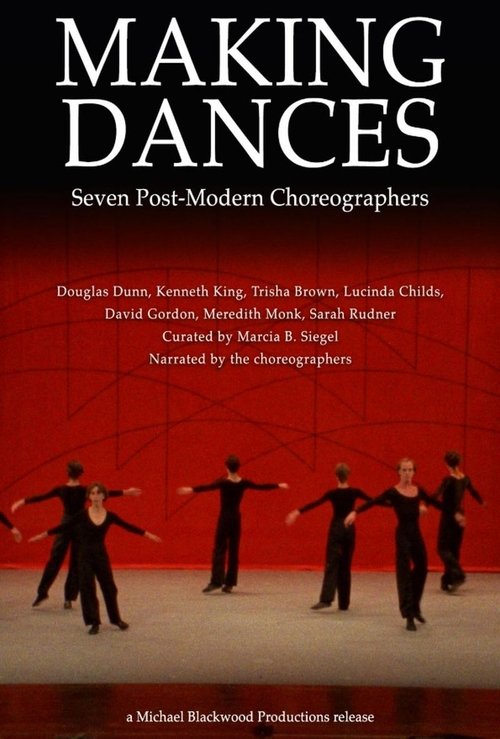
Made in 1980, this film explores the contemporary dance scene through the work of seven New York-based choreographers. They discuss the nature of dance and the evolution of their own work. Filmed at rehearsals, performances, and during interviews, the film is a unique primary source. The artistic roots of these seven artists can be found in Martha Graham's concern with modern life as a subject for dance and in Merce Cunningham's emphasis on the nature of movement. In the 1960s, the interaction of art forms generated choreographic innovations. Especially influential was John Cage, whose radical ideas served as a point of departure for much of the new choreography. Each of the choreographers in Making Dances draws inspiration from the Graham/Cunningham tradition, yet each makes a highly distinctive statement. Structure, movement in non-fictive time and space, and the nature of movement itself are recurring themes.
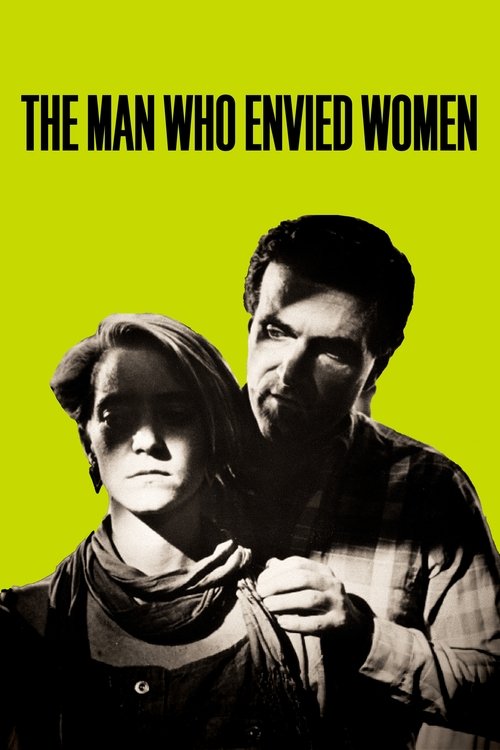
A Manhattan professor's (William Raymond, Larry Loonin) unseen artist wife mocks his pitiful existence.