Directing
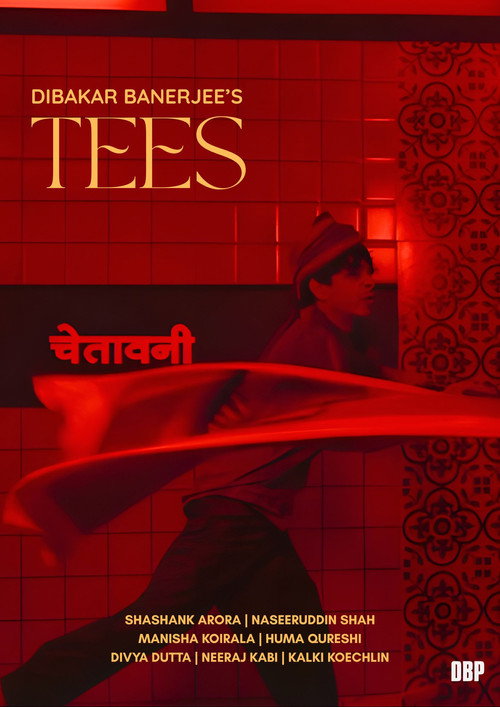
Spanning across 90 years, follow a middle-class Muslim family across three generations. 2042. Six months after his manuscript titled Tees (30) is rejected for publication by the Literature and Arts Commission, Anhad Draboo, a young freelance prostitute, meets Niharika, a “reader” from the Commission – who has been searching for Anhad ever since she read his manuscript. 2018. Zia Draboo, a corporate lawyer living in Mumbai and all set to buy the flat she has been renting with her partner Meera, finds out she cannot buy it because of the Housing Society’s resistance to her name. 1989-90. Ayesha, a housebound State Radio newsreader in Srinagar, Kashmir, reaches out to her childhood friend Usha to solicit help from her husband – a government official. She needs it for her own husband, Ghulam Muhammad, who faces bankruptcy and ruin amongst rising unrest in the city.
This is a video about the Park Street cemetery in Calcutta - one of the earliest colonial cemeteries in the world – its degrading conditions and its status as an abandoned legacy of an empire lost and forgotten.
In Camera is part memoir and part meditation on the director's art: Palit revisits characters from his older works, among them the blind Baul singer from Abak Jaye Here and protestors featured in Voices from Baliapal, about an agitation against a missile testing range in Orissa. Palit assesses the impact of these films on their lives and on himself. In keeping with Palit’s feelings about the limits of documentary filmmaking, there are many questions but no convenient answers.
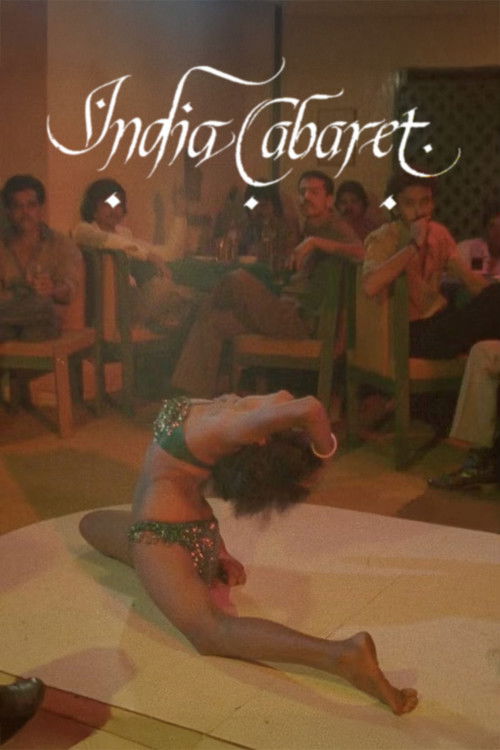
An exploration of the 'respectable' and 'immoral' stereotypes of women in Indian society told from the point of view of two striptease dancers in a Bombay cabaret.
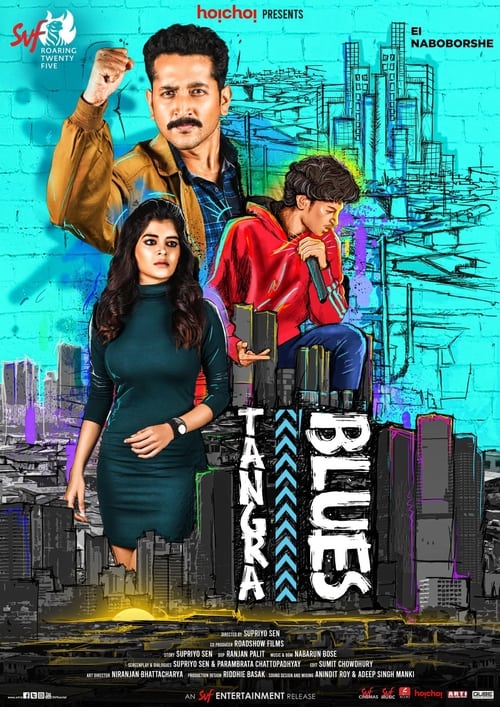
a jubilant musical journey set against the backdrop of gang wars. Tangra Blues follows two people who go through various highs and lows of life, wrestling with the memories of the past and struggles of the present to create a foundation for a hopeful future.
Conversations with 92 year old Kamlabai Gokhale, a pioneering actress of the Marathi stage and the first lady of Indian film. The documentary gives an impression of the history and growth of Indian film and theatre as it was experienced by a woman who struggled against the social structures of her times.
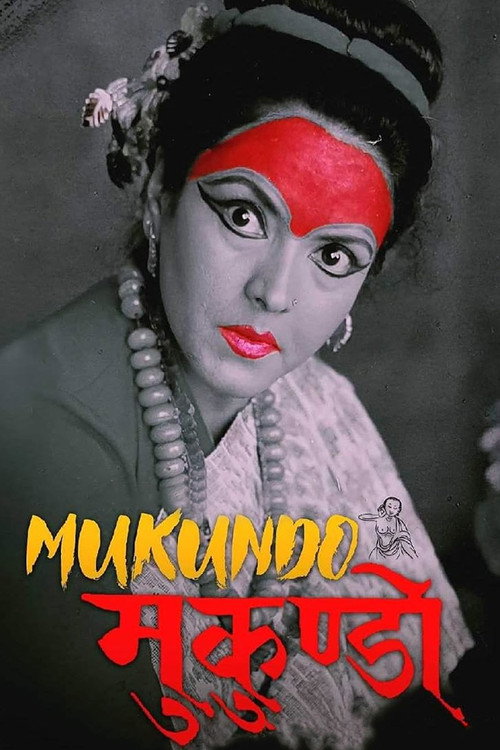
Dipak and Saraswati live a simple life in Kathmandu. A devoted father and an adoring husband, Dipak works as a security guard, while Saraswati happily tends to traditional housework. Their home is modest, and their two girls are happy. Life would be perfect for the pregnant mother if only she could give her husband a son. Desperate in her desire, on the advice of a stranger, Saraswati prays to a new spirit with miraculous results. When the blessing turns to tragedy, the distraught couple appeals to Gita, a jhangrini or healer, revered as a powerful spirit medium. Gita's own crisis of faith and, perhaps, her stunning beauty, forces all three to a dizzying climax, leaving the lines between secular and spiritual desires eerily blurred.
Susanna is hungry for love and will go to any extent to find it in its purest form. In her quest for the perfect man, she gets married a number of times as each of her husband's die mysteriously.
‘Et cetera’ is a tetralogy of four separate films that seek to examine the various levels at which the reality of human existence functions.
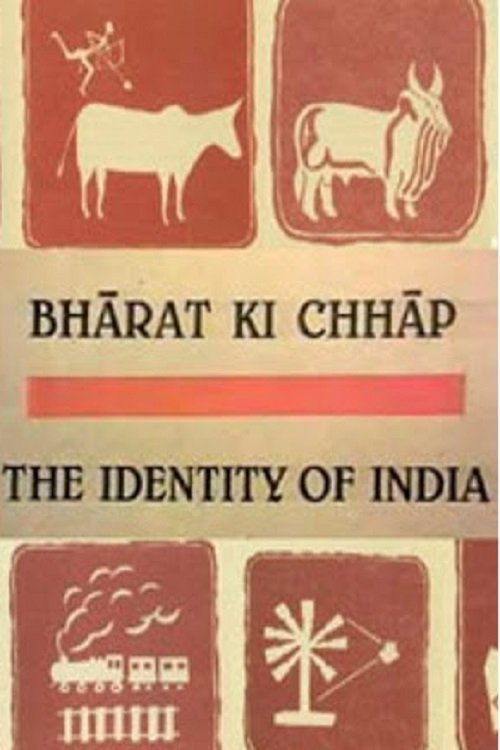
Bharat ki Chhap chronicles the history of science in India, from the Stone Age to independent India and the present.
An anthology of four short horror tales.
Set in the Himalayan districts of Kumaon and Garhwal, the film explores the lives of three generations of women, ending with the fourth, a small girl on the threshold of growing up.
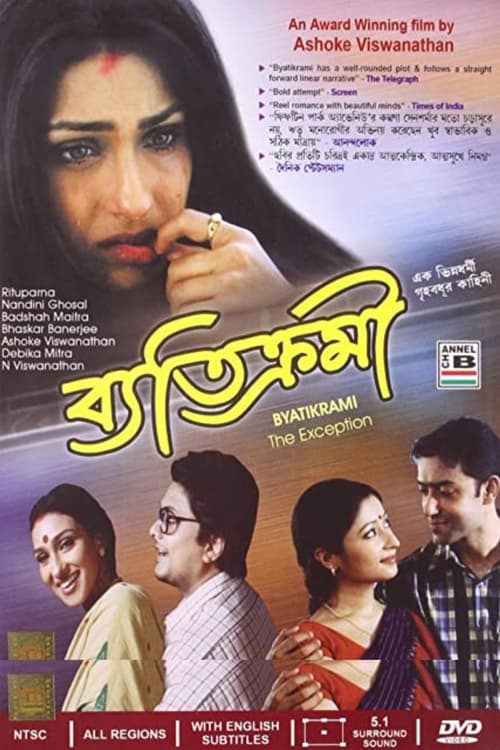
When a woman loses her baby, her husband abandons her and she starts showing schizophrenic symptoms. She sets her eyes on her elder sister's husband and tries to get close to him.
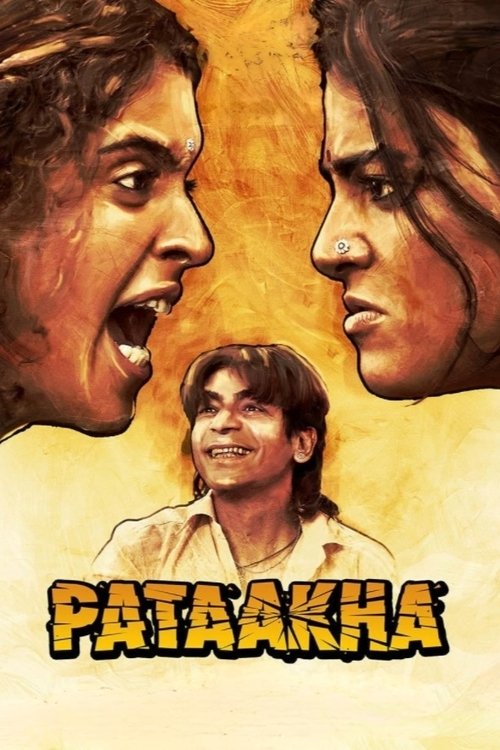
In a dusty Rajasthan village, two sisters, Badki and Chhutki, are constantly at each other's throats over trivial matters. Their father, a widower, struggles to keep them from tearing each other apart. Their meddling neighbour, Dipper, enjoys stirring up trouble between them. But when marriage takes them to different worlds, they discover how much they need each other.
Tradition and contemporary practice of Bauls, Bengali mystic minstrels, are explored in Calcutta filmmaker and author Ruchir Joshi’s essay film.
No description available.
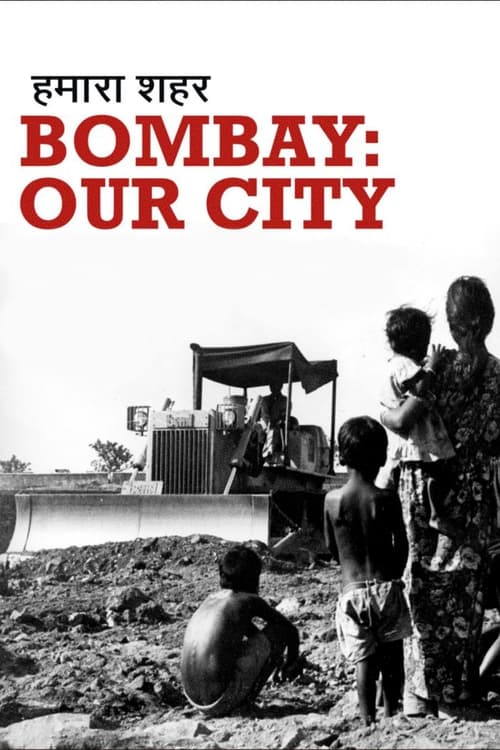
A documentary on the socio-economic injustice meted out to the slum-dwellers in Bombay, and an attempt to understand the factors responsible for it.
Rumi, a poetry-loving recluse, is most ‘at home’ at the city library. One day she chances upon an old, open game of XO (tic tac toe) in a forgotten corner. Curious, she scribbles a move which is reciprocated the next day and thus a game ensues. Over days, each game ends in a draw. And Rumi is always greeted with a new game with the first move. As poetic romanticism plays out in her own life, Rumi falls in love with the idea of this playfully mysterious person. Their playful relationship continues until Rumi is given a chance to win and she takes it, going one up. The games stop thereafter - there is no new XO. Rumi does not understand why and is disappointed, worried, and eventually heartbroken. Finally, she realizes something that changes her life and helps her come out of her shell.
An epic exploration of the Czechoslovak New Wave cinema of the 1960s and 70s, structured around a series of conversations with one of its most acclaimed exponents - Closely Observed Trains director Jiří Menzel.
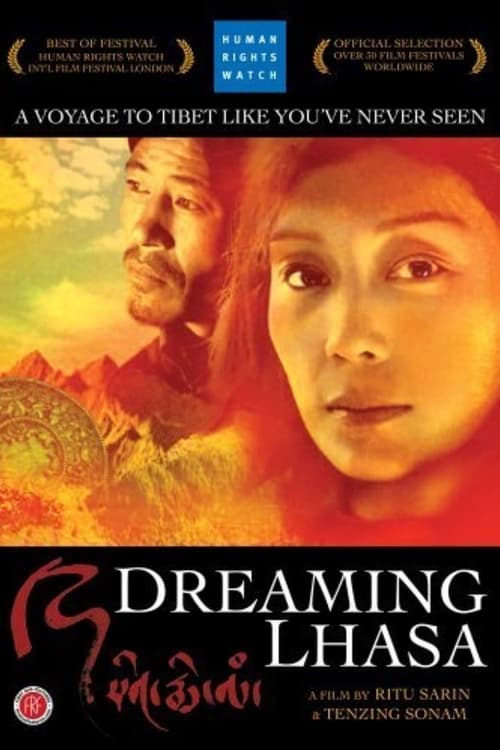
Karma, a Tibetan filmmaker from New York, goes to Dharamsala, the Dalai Lama's exile headquarters in northern India, to make a documentary about former political prisoners who have escaped from Tibet. She wants to reconnect with her roots but is also escaping a deteriorating relationship back home.One of Karma's interviewees is Dhondup, an enigmatic ex-monk who has just escaped from Tibet. He confides in her that his real reason for coming to India is to fulfill his dying mother's last wish, to deliver a charm box to a long-missing resistance fighter. Karma finds herself unwittingly falling in love with Dhondup even as she is sucked into the passion of his quest, which becomes a journey into Tibet's fractured past and a voyage of self-discovery