FEEL IT.STREAM
Dave Fleischer

Dave Fleischer

Directing

Biography

From Wikipedia, the free encyclopedia. David "Dave" Fleischer (July 14, 1894 – June 25, 1979) was an American animator film director and film producer, best known as a co-owner of Fleischer Studios with his older brother Max Fleischer. He was a native of New York City. Sometime around 1913-1914, Dave began working as a film cutter for the American branch of Pathé, the French company that was the world's largest film production and distribution company, and the largest manufacturer of film equipment, in the first decades of the 20th Century. Dave Fleischer was notable during the brothers' early days as the rotoscope model for their first character, Koko the Clown. He went on to become director and later producer of the studio's output. Although he is credited as "director" of every film released by the Fleischer studio from 1921 to 1942, the lead animators actually performed directorial duties, and Fleischer mainly served as producer. Among the cartoon series Fleischer supervised during this period were Talkartoons, Betty Boop Cartoons, Popeye the Sailor, Color Classics and several others; Popeye would go on to be the top rival of Mickey Mouse. He also supervised two animated features released through Paramount Pictures, Gulliver's Travels (1939) and Mr. Bug Goes to Town (1941). The debt Fleischer Studios owed to Paramount for the budgets of those features, worsened by the lack of success that came from the studio's non-Popeye cartoons, was called in by Paramount; this forced the brothers to give the studio to Paramount on May 24, 1941. However, both were still able to remain in charge of Fleischer Studios for a time. Fleischer was asked by Paramount to put the popular comic book hero Superman into a cartoon series. The big-budget Superman series became the most successful cartoon of the late period of Fleischer Studios. However, relations between Dave and Max were deteriorating. The feud starting simmering after the married Dave began an adulterous affair with his Miami secretary in 1938, and was followed by more personal and professional disputes. In April 1942 Fleischer, no longer able to cooperate with his brother, left the company to become President of Screen Gems at Columbia Pictures, although he remained co-manager of Fleischer Studios until Paramount reorganized the studio in May 1942 after Max and Dave's contracts expired. Now owned wholly by Paramount, the studio was re-organized as Famous Studios, although the name wasn't officially adopted until May 1943. In the late-1940s, Fleischer moved over to Universal, where he became a special effects expert and general problem-solver, working on films such as Francis (1950), The Birds (1963), and Thoroughly Modern Millie (1967). Fleischer died of a stroke on June 25, 1979 in Woodland Hills, California, having spent over a decade in retirement.

Known For

Superman
6.9

After The Daily Planet receives a letter from a mad scientist threatening to wreak destruction with his Electrothanasia Ray, Lois Lane heads out in the hopes of getting more information for a news story.

Superman

1941
I'll Be Glad When You're Dead You Rascal You
6.3

Betty Boop and friends meet Louis Armstrong on a jungle safari.

I'll Be Glad When You're Dead You Rascal You

1932
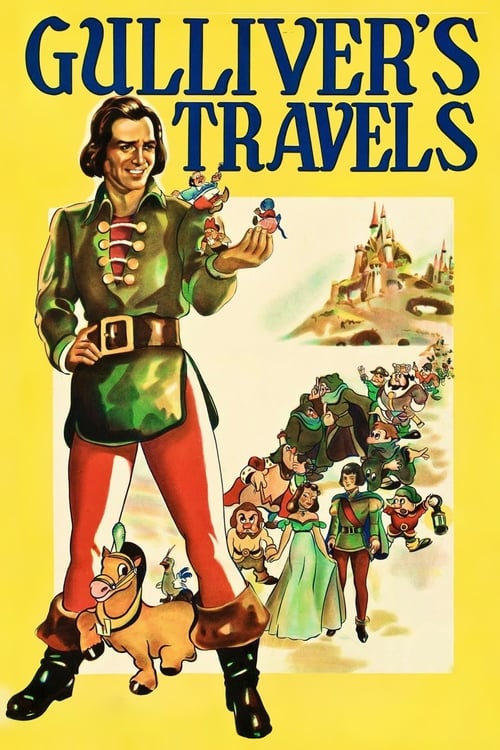
Gulliver's Travels
6.2

Gulliver washes ashore on Lilliput and attempts to prevent war between that tiny kingdom and its equally-miniscule rival, Blefiscu, as well as smooth the way for the romance between the Princess and Prince of the opposing lands. In this he is alternately aided and hampered by the Lilliputian town crier and general fussbudget, Gabby. A life-threatening situation develops when the bumbling trio of Blefiscu spies, Sneak, Snoop, and Snitch, manage to steal Gulliver's pistol.

Gulliver's Travels

1939
The Arctic Giant
6.9

A frozen Tyrannosaurus rex is found and put on display in a museum, but when he thaws out and revives, Superman has to stop his rampage!

The Arctic Giant

1942
Max Fleischer's Superman 1941-1942
7.2

More than just a landmark in superhero animation, Max Fleischer's Superman shorts were no less than the foundation for so many shows that succeeded it. Playing in theaters in 1941-42, only a few years after the Man of Steel made his debut in Action Comics, these 17 exciting films were produced by Fleischer and made famous the phrase "This looks like a job for Superman!" At 10 minutes, each film had just enough time to run the opening credits, establish the threat, let Lois Lane make a headstrong rush into peril, and allow Clark Kent to change to his alter ego and save the day. The films show a remarkably dynamic and atmospheric storytelling style that enables them to hold up for modern viewers. At first the films followed a science fiction-fantasy theme, but not unexpectedly for that time soon focused on wartime concerns.

Max Fleischer's Superman 1941-1942

2009
Electric Earthquake
6.6

A scientist uses an earthquake machine to threaten the city, and only Superman can stop his extortion plan!

Electric Earthquake

1942
Poor Cinderella
6.3

In the only Betty Boop color cartoon, Cinderella (Betty) goes to the ball thanks to her fairy godmother. Later, only her foot fits the glass slipper.

Poor Cinderella

1934
Betty Boop: Queen of the Cartoons
8.0

From the A&E "Biography" series, a review of the birth, development and cinematic history of Betty Boop, the flapper cartoon character who has been a popular icon since the 1930s.

Betty Boop: Queen of the Cartoons

1995
Volcano
6.9

Superman comes to the rescue when a volcano erupts.

Volcano

1942
Popeye the Sailor Meets Ali Baba's Forty Thieves
7.6

Popeye the Sailor, accompanied by Olive Oyl and Wimpy, is dispatched to stop the dreaded bandit Abu Hassan and his force of forty thieves.

Popeye the Sailor Meets Ali Baba's Forty Thieves

1937
Aladdin and His Wonderful Lamp
7.2

Olive Oyl's screenplay for an Aladdin movie comes to life and Popeye battles for control of a genie in this, the last of the three Popeye color films.

Aladdin and His Wonderful Lamp

1939
Billion Dollar Limited
6.9

Robbers target a special train carrying a billion dollars worth of gold, and the only one who can stop them is Superman!

Billion Dollar Limited

1942
Little Nobody
5.6

Pudgy the pup meets the female pup next door, whose snobbish owner calls him a "little nobody". A pep talk from Betty Boop turns Pudgy into a hero.

Little Nobody

1935
Snow-White
6.8

Trouble starts when the queen's magic mirror says Betty Boop is fairest.

Snow-White

1933
Gabby Goes Fishing
6.8

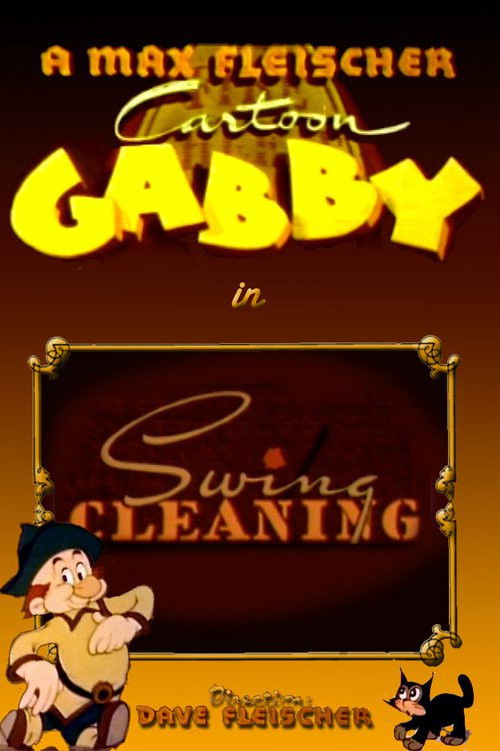
Gabby teaches a young boy how to fish, even though the boy was doing much better without him.

Gabby Goes Fishing

1941
Parade of the Wooden Soldiers
5.5

A toy version of Betty Boop drops in on a small toy shop. The other toys come to life and crown her their queen. Then the cartoon quickly turns into Fleischer's idea of King Kong.

Parade of the Wooden Soldiers

1933
House Cleaning Blues
6.1

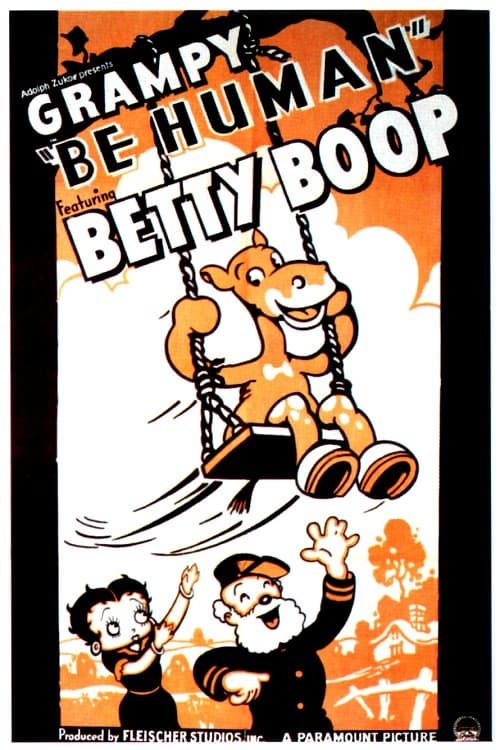
Housecleaning blues are just what Betty Boop has the morning after a wild party. Grampy to the rescue!

House Cleaning Blues

1937
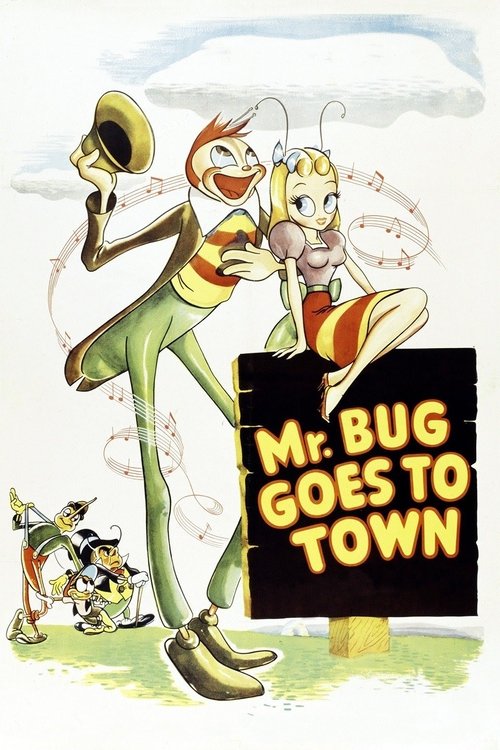
Mr. Bug Goes to Town
6.3

The happy tranquility of Bugville is shattered when the populace learns that a colossal skyscraper is to be built over their tiny town.

Mr. Bug Goes to Town

1941
The Bum Bandit
5.4

Masked bandit Bimbo holds up a train carrying someone tougher… Betty Boop (with dog's ears), played by a different, deeper-voiced actress.

The Bum Bandit

1931
No image
6.0

Max has a toothache, and it's up to The Clown and a bespectacled rabbit to pull out the aching tooth.

The Cure

1924