Writing
The backbone of the "Državni Posao (Government Job)" are satirical talks between the three actors, the comments are reminiscent of the "stand-up" form. These are short, witty comments and observations on daily life, circumstances, sociopolitical situation, sports, entertainment world, their personal opinions on various topics. The main idea is to present day in a non-existent government company and three employees of thinking about daily events in it, but also about life and society in general. Topics drawn from the daily and weekly press, for various blogs, websites, talk about movies, series, shows - radio and television. The idea is that actors humorously comment on current events, to laugh viewers and encourage them to think about them.
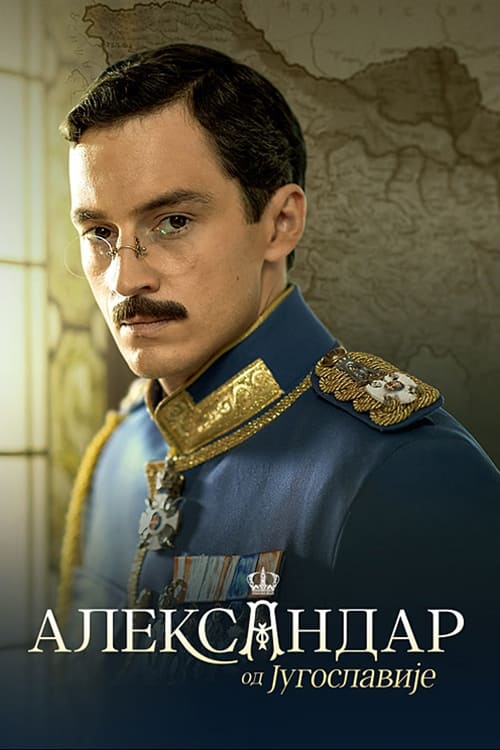
The series covers the period from the entry of King Alexander into liberated Belgrade after the end of the First World War until the assassination in Marseilles.
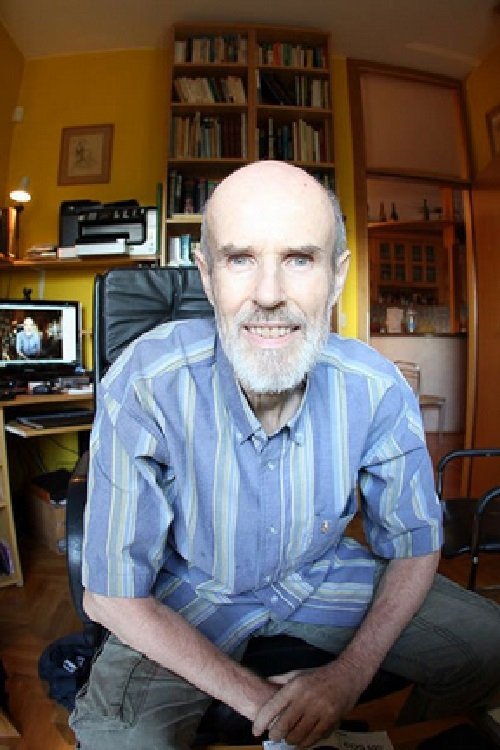
Once employed at BBC, Timothy John Byford moved to Yugoslavia in 1971 to direct children’s TV programme. Cult family TV shows remained in pleasant memories of the many, and Timothy married and settled in Belgrade forever. We find out more about the hero of our childhood.
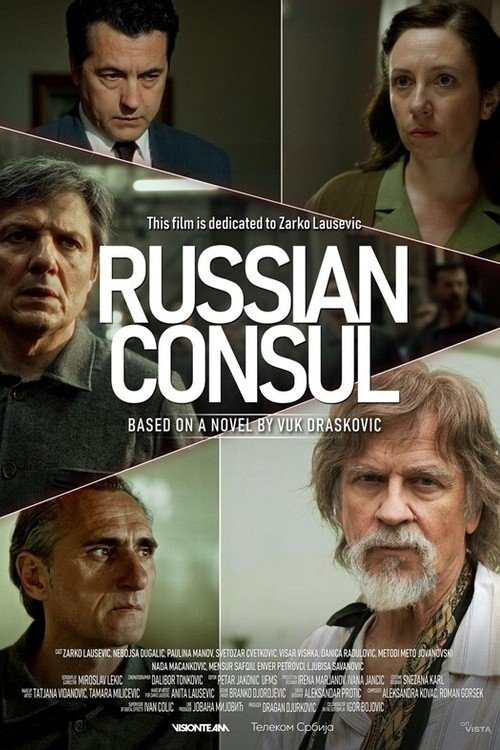
Year 1973, turmoil between Kosovo Serbs and Albanians in Autonomous province of Kosovo. A story that describes the beginning of the crisis in Kosovo.
In attempt to find out who he is and where his roots lie, Alija Osmanović discovers something far deeper and more important. He slowly discovers an evil that follows him as his destiny regardless of what his ancestors were called. Trying to find the reasons for this evil, he finds himself in a vicious circle. Running away from an irrational fear within him, he eventually finds the road to his faith.
In 1989 a youth radio station, B-92, started up in Belgrade. It almost immediately became a symbol of the resistance to Serbian nationalism and all that Slobodan Milosevic decreed. Here, the young radio workers give a candid account of life in Belgrade throughout the years of war. They also describe their own contribution, despite all the authorities' efforts to suppress them, to the liberation of their city and their country.
A biographical story of Serbian King Aleksandar I Karadjordjevic.