Directing
István Szöts short film based on Hungarian folk song, used in an anthology but commonly shown on its own
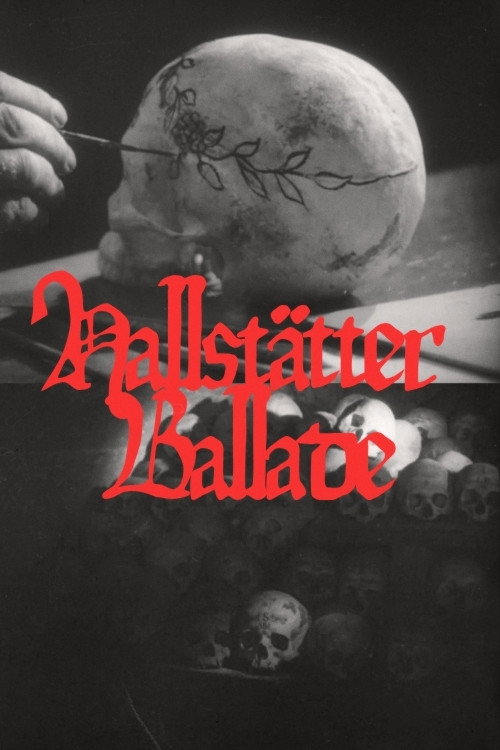
Hallstätter Ballade refers to a celebrated 1961 Austrian documentary short film directed by István Szőts. The film is best known for poetically capturing the unique, centuries-old Alpine tradition of skull painting (Totenkult) in the village of Hallstatt.
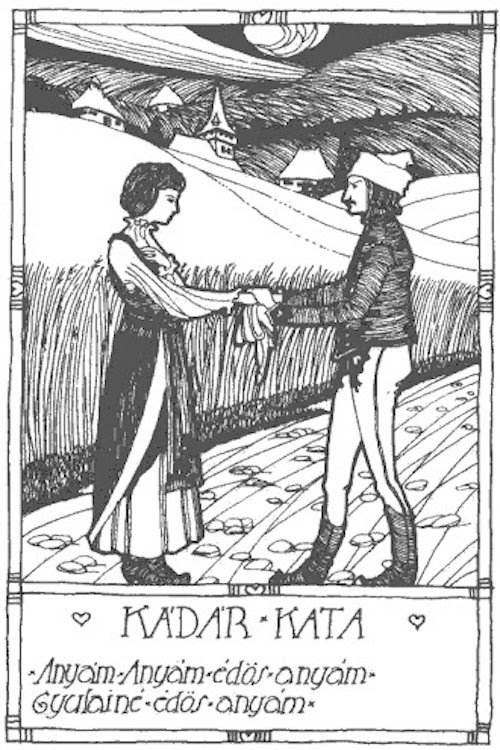
1944 Hungarian-language anthology film featuring work by six directors. István Szöts directs the episode "Kádár Kata"
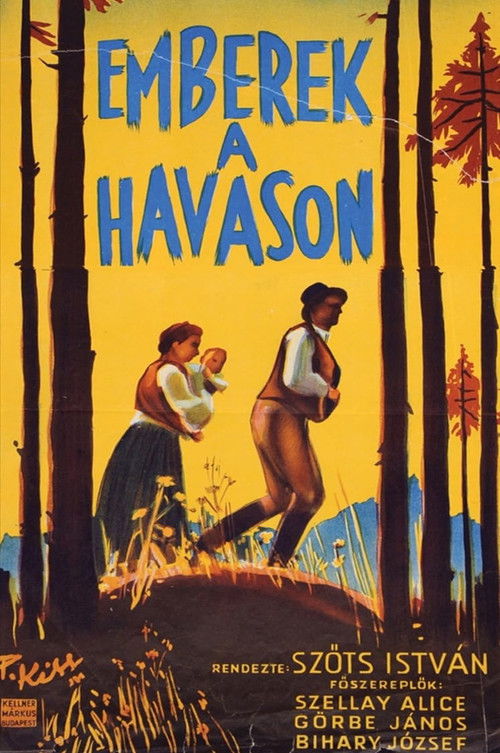
A simple, religious Hungarian woodcutter lives with his wife and boy child with a small community of squatters among the peaceful mountains of Transylvania until a lumber company claims their land and forces them all to become company workers or else leave the land. This 1942 Hungarian film takes a detailed and unflinching look at the hardships of mountain living, and the realistic approach proved influential to the Neorealist movement in Italian cinema. Hungarian master director Istvan Szots won the Biennale Cup at the Venice Film Festival for his auspicious debut, but the film was banned by the Nazis as "too Catholic" and not publicly exhibited until after World War II.
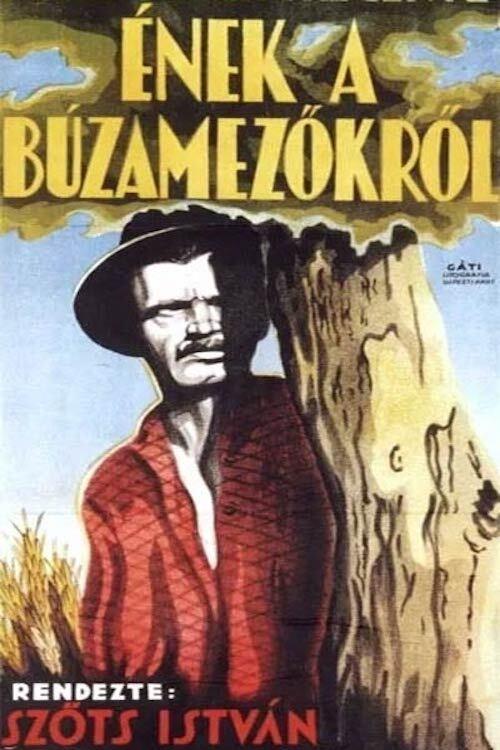
A Hungarian soldier returning from fighting in the Second World War marries the woman he believes to be the widow of a former comrade who he thinks died in the POW camp in which they were held.
No description available.
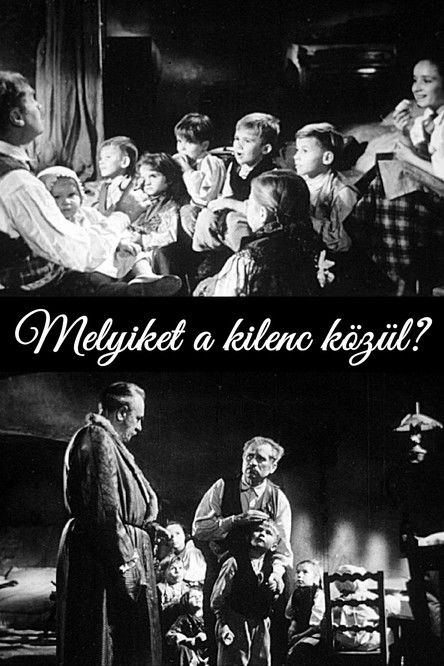
Istvan Szőts’s short, Christmas-themed film starring József Bihari and Andor Ajtay, based on Mór Jókai’s novel of the same title. The premier of the film was in the Venice Film Festival in 1957, where it received recognition.