Klaus Hellwig
Production
Known For
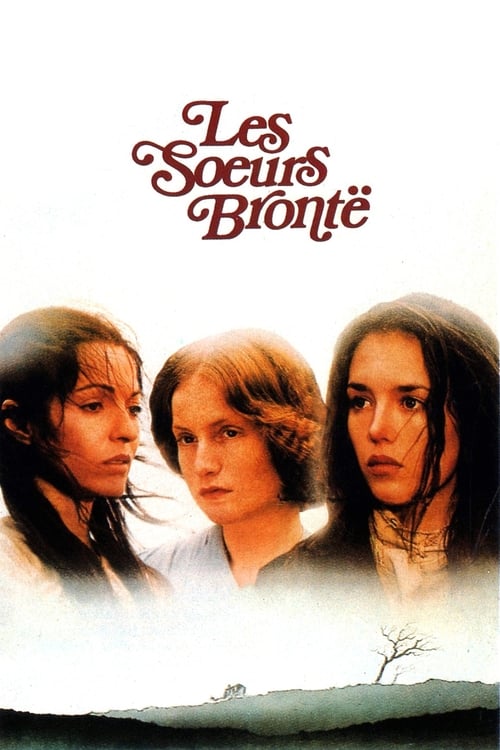
In a small presbytery in Yorkshire, England, living under the watchful eyes of their aunt and father, a strict Anglican pastor, the Bronte sisters write their first works and quickly become literary sensations.
The Bronte Sisters
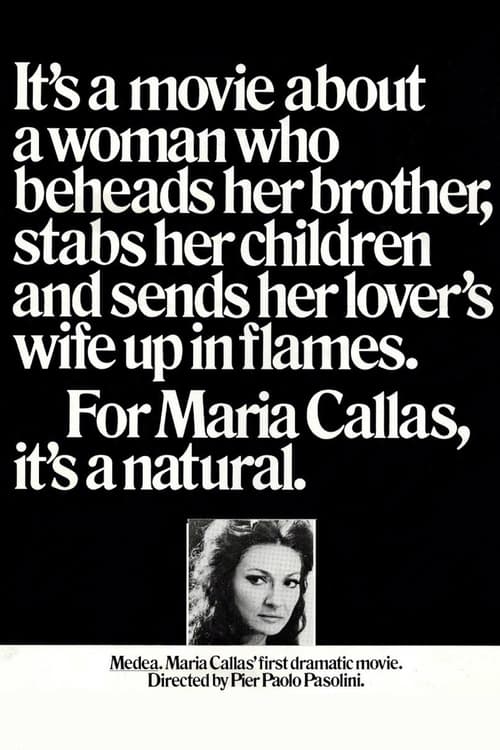
Based on the plot of Euripides' Medea. Medea centers on the barbarian protagonist as she finds her position in the Greek world threatened, and the revenge she takes against her husband Jason who has betrayed her for another woman.
Medea

A bored wife leaves her husband for an unemployed, petty criminal.
Loulou

April 1957: Rational engineer Faber's plane crashes in Mexico, where he learns that he became a father in 1938. He takes a ship from NYC to France and meets cute, young Sabeth. Is it fate?
Voyager

On the eve of his 78th birthday, ailing, alcoholic writer Clive Langham spends a painful and sleepless night mentally composing and recomposing scenes for a novel in which characters based on his own family are shaped by his fantasies and memories, alongside his caustic commentary on their behaviour.
Providence
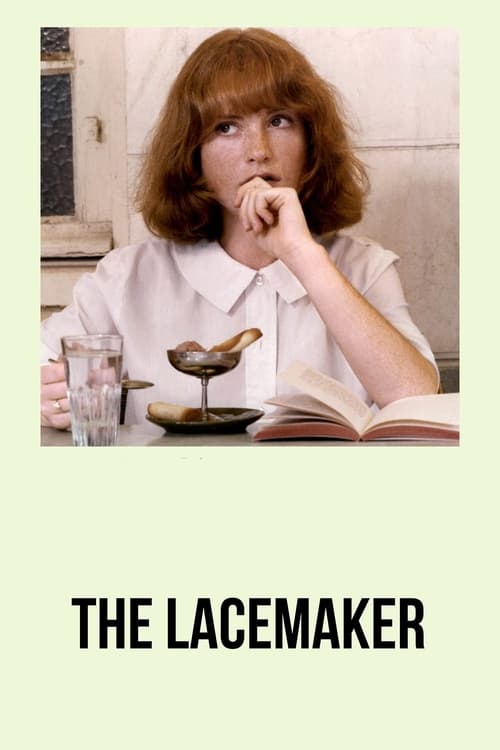
Pomme is a meek and mild French beautician whose life takes a fateful turn during a vacation to Normandy. She becomes the lover of middle-class literature-student François. The relationship sours when François takes her home to meet his parents, thanks in no small part to their differing social backgrounds.
The Lacemaker
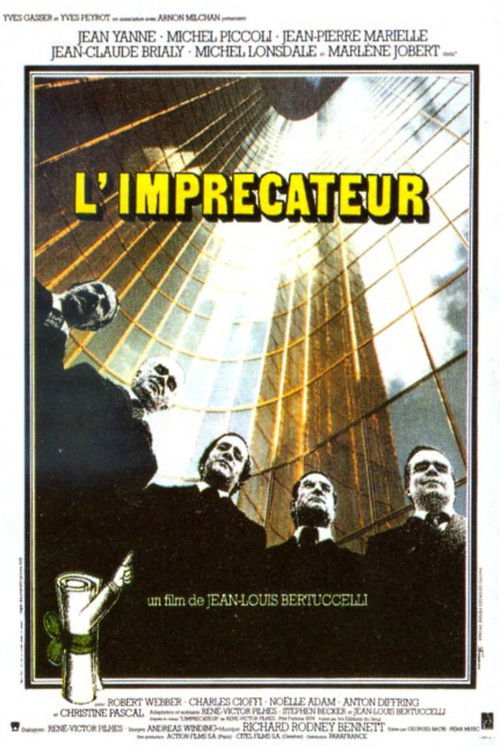
In this sardonic comedy, after an executive is killed in a mysterious automobile accident, the French offices of his multinational company is inundated with mysteriously threatening be-ribboned anti-capitalist tracts, delivered overnight to everyone's desks. Later, the executive's body is brought to company offices for an official wake -- only no one at the company has ordered that such a thing be done. A mysterious prankster, who is able to imitate the voice of the company's president, has arranged these things. When Americans from the head office get wind of these developments, they institute a search for the perpetrator which leads to mysterious subterranean passages under the company's skyscraper.
The Accuser
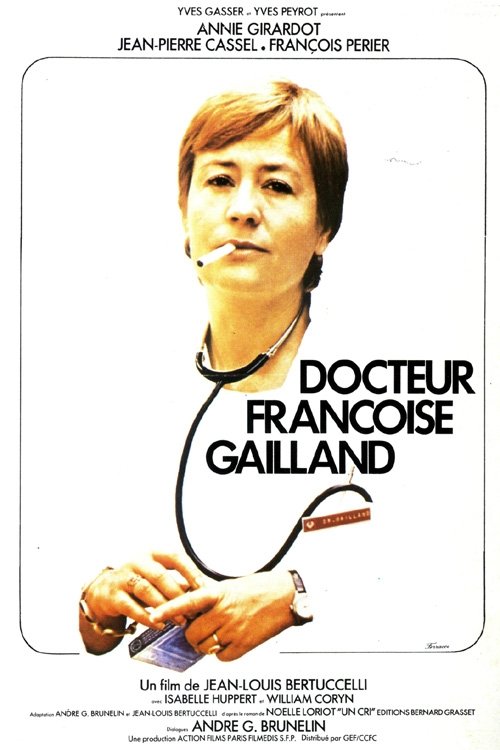
Dr. Françoise Gailland has a hectic schedule, which causes her to have little time to spend with her family, which consists of her husband Gérard, her pregnant teenager daughter Élisabeth, and her sullen son Julien. However, she does manage to find the time to spend with her lover, Daniel Letessier. While her life in such disarray, she learns that she has cancer. Françoise tries to put a brave face on it, and is determined to face the life-threatening disease with courage.
Doctor Francoise Gailland
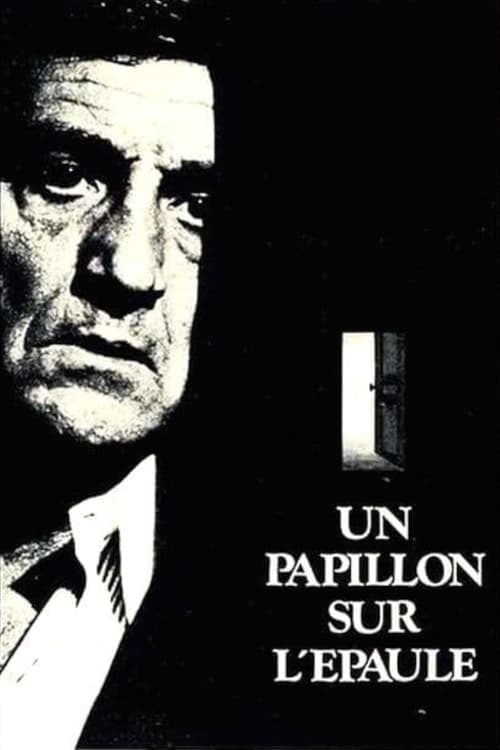
On a stopover in Barcelona, Fériaud Roland discovers a corpse in the hotel room next door. He wakes up in a strange clinic without remembering who brought him there. The doctor insists he hallucinated, but it's not long before he obtains evidence that it wasn't a dream.
Butterfly on the Shoulder
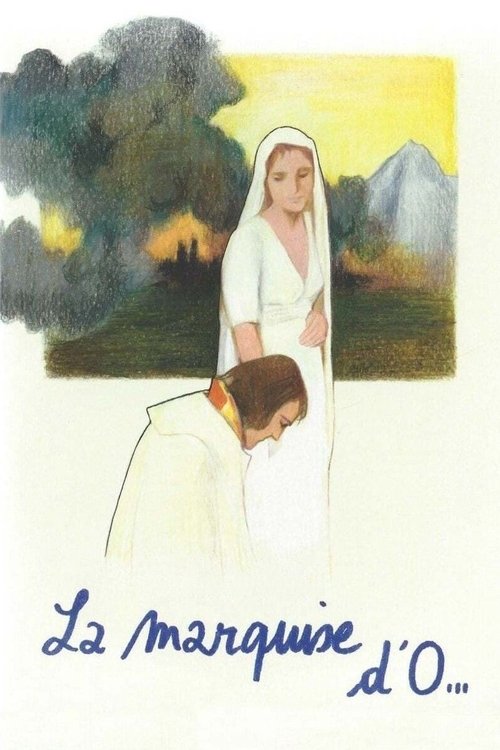
A German Marquise has to deal with a pregnancy she cannot explain and an infatuated Russian Count.
The Marquise of O
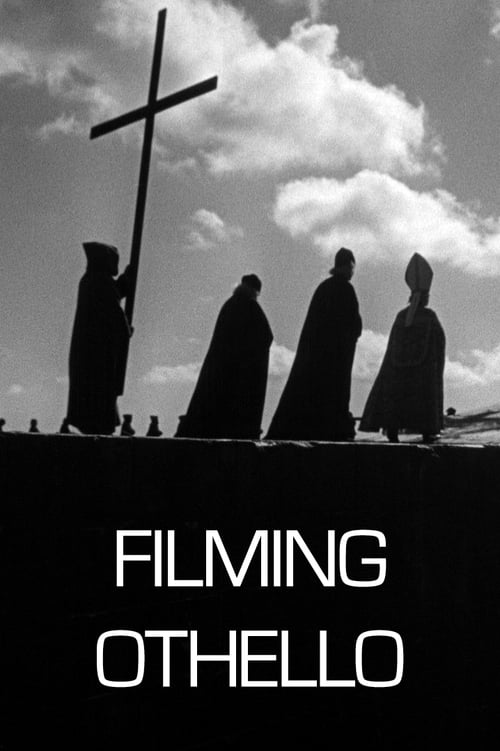
Filming Othello is a 1978 documentary film directed by and starring Orson Welles about the making of his award-winning 1952 production Othello. The film, which was produced for West German television, was the last completed feature film directed by Welles.
Filming Othello
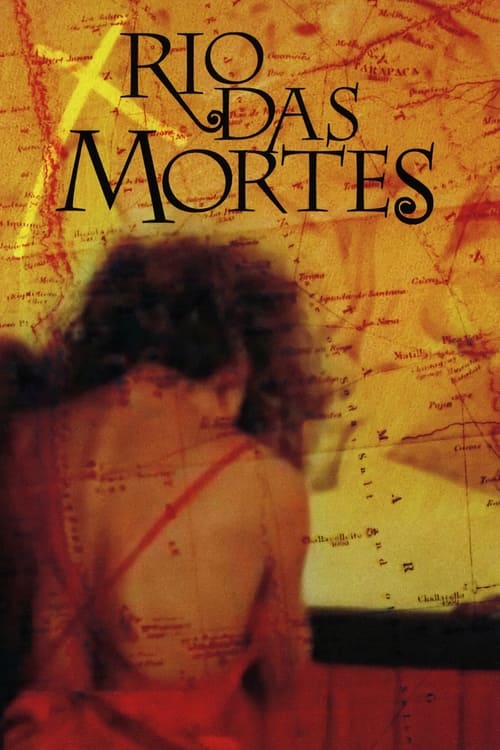
Michel and Guenther, working in dead-end jobs, are obsessed with going to Peru to find buried treasure, using a map of the Rio das Mortes. Michel's girlfriend, Hanna, humors their plan, but really just wants to get married.
Rio das Mortes
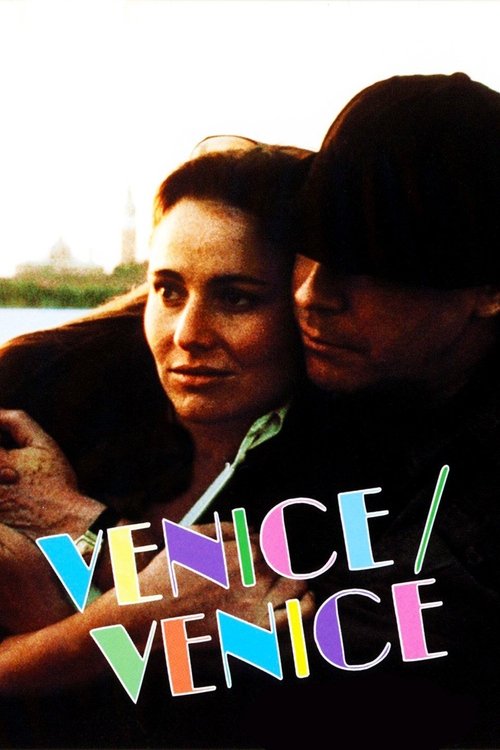
Dean is a maverick American film director surprised that his most recent film has been chosen as the Official U.S. Entry at the Venice Film Festival. A beautiful French journalist arrives at the festival with the apparent intention of interviewing the unique and eccentric filmmaker. In the midst of all the festival madness, she is forced to confront the wide divergence between things as they really are and things as they seem to be - both on screen and off. And so, finally, are we. Shot half in Venice, Italy and half in Venice, California, "Venice/Venice" looks at the profound effect movies have had - and continue to have - on our lives, our loves and on our dreams of romance.
Venice/Venice

Joseph L. Mankiewicz discusses his career in a feature-length interview recorded at his New England home and the 1983 Berlin Film Festival.
All About Mankiewicz
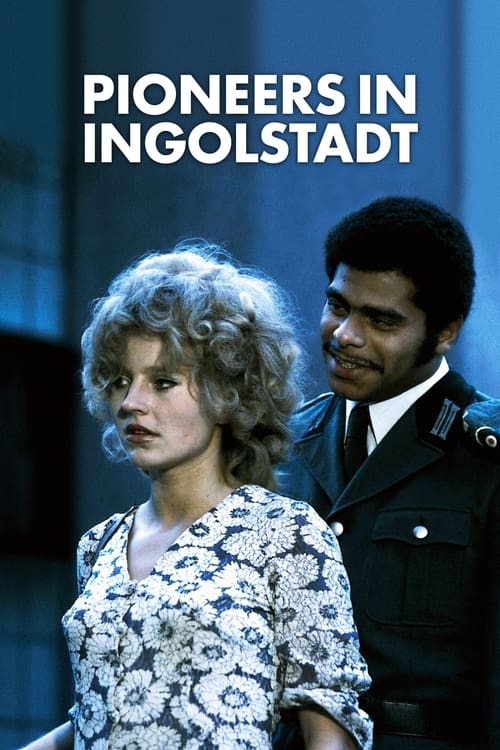
Berta, a naive young maid, searches for love when the army engineers come to town to build a bridge.
Pioneers in Ingolstadt
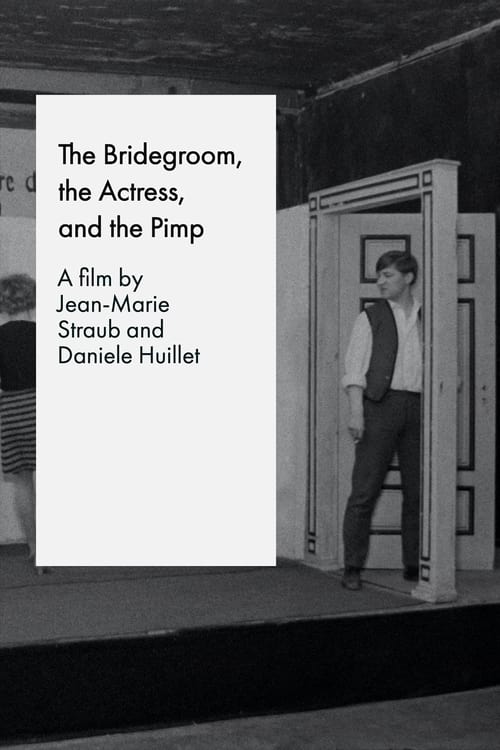
Three sequences are linked together in this short film by Straub; the first sequence is a long tracking shot from a car of prostitutes plying their trade on the night-time streets of Germany; the second is a staged play, cut down to 10 minutes by Straub and photographed in a single take; the final sequence covers the marriage of James and Lilith, and Lilith’s subsequent execution of her pimp, played by Rainer Werner Fassbinder. "The film is a look entirely at Western decadence" - Jean-Marie Straub.
The Bridegroom, the Actress, and the Pimp

New York, summer 1983. Jeanne Moreau goes to meet Lillian Gish to film a portrait of her. The star of American silent films invites her to her apartment and discusses her career from its beginnings on film in 1912. She remembers the conditions on stage when she was a child, the first Hollywood blockbuster, D. W. Griffith's Birth of a Nation (1915), and her passion for cinema guided by an inexhaustible curiosity.
Lillian Gish

Straub-Huillet’s first color film, adapts a lesser-known Corneille tragedy from 1664, which in turn was based on an episode of imperial court intrigue chronicled in Tacitus’s Histories. The costuming is classical, and the toga-clad, nonprofessional cast performs the drama’s original French text amid the ruins of Rome’s Palatine Hill while the noise of contemporary urban life hums in the background. Their lines are executed with a terrific flatness and frequently through heavy accents; the language in Othon becomes not merely an expression but a thing itself, an element whose plainness here alerts us to qualities of the work that might otherwise be subordinated.