Camera
In the summer of 1987 in a town in Córdoba, two teenage sisters, Elena and Lucia, are alone at home. The youngest is upset with her older sister, who thinks about how to get out of that town, to study and to live differently.
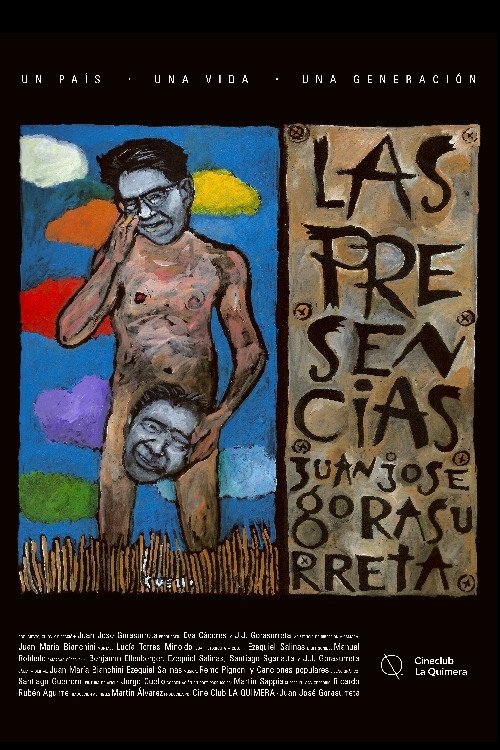
One generation. One life. One country. On my last trip back to my hometown of San Gregorio, Santa Fe, to see my mother at almost 90 years old, I arrived at the field where I grew up and worked on my parents' dairy farm. The overflowing of Laguna La Picasa had flooded everything, and a few years later, soybeans painted the remaining land a nearly dollar-green. Upon reaching the woods surrounding the house, it was difficult to enter the space, invaded by abandonment, and it was impossible to find a single brick from the torpedoed house.
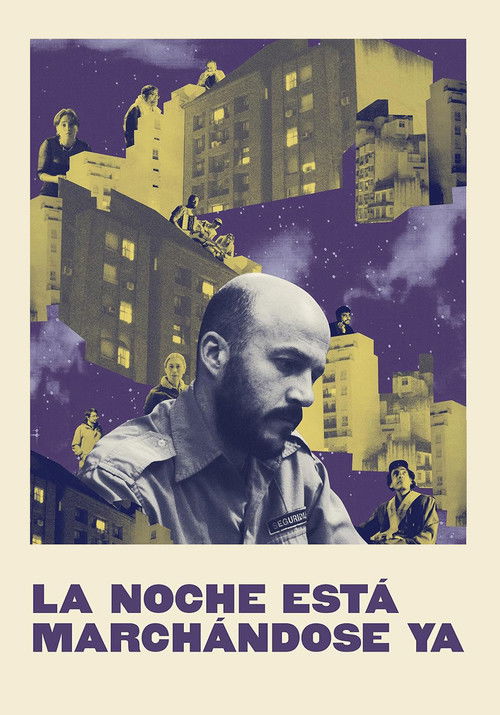
Nina and Fermín spend the night in the neighborhood where their father is a security guard. Between lights and shadows, they walk, play, eat. Nina observes others in silence, as though she were looking at herself in a mirror that is about to break. The night moves stealthily on, while other children watch them from their windows.
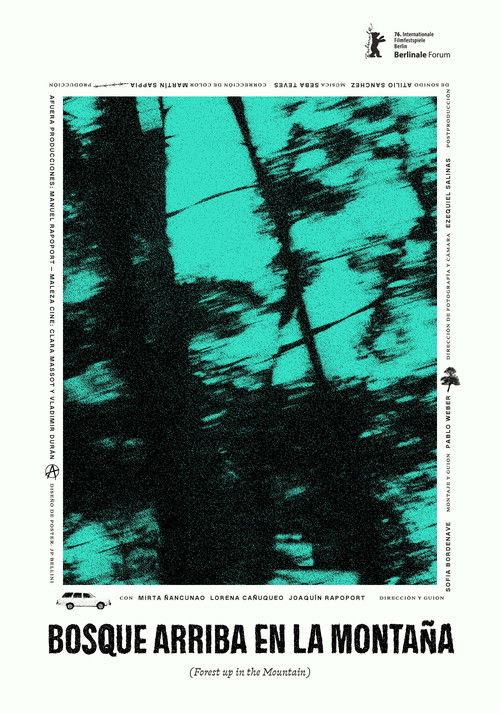
Fleeing homophobic attacks, Nino moves to a rural house amidst a forest haunted by Almamula, a monster that takes those who commit carnal sins. In a world of whispers, unspoken desires and prayers, Nino’s curiosity and impulses rise to the surface.
Year 1866. Venancio, a young gaucho, embarks on a journey to escape from a curse through a war-torn region desperately seeking salvation among rustlers, priests, shamans and deserters. The stronger his fear is, the more real the legend becomes.
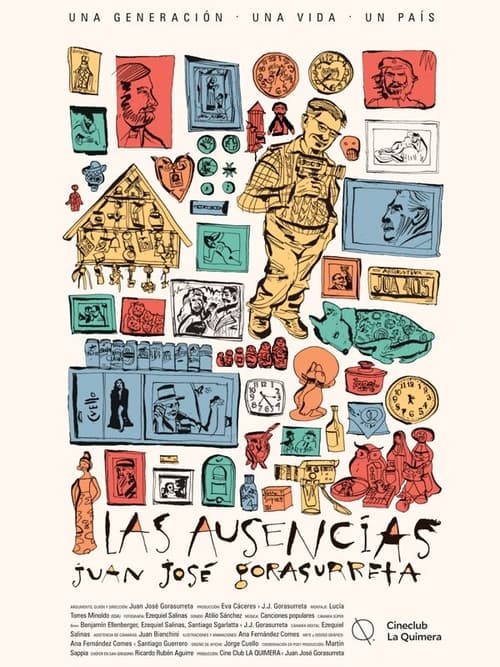
The life of Juan José Gorasurreta is pierced by images. In his new feature film, the historic film society programmer appropriates the films that made him in order to find new relationships and patterns and thus generate a convergence between his personal life, that of Argentina and that of cinema. In The Absences his travels coexist with Orson Welles, activism, Fernando Birrri, the Cordobazo, his studies, Eva Landeck, family, Carlos Echeverría, the Trelew Massacre, Nagisa Ōshima, censorship, film societies, the Malvinas war, his short films. The randomness of this list vanishes as the film progresses, and gives way to a synapse that is as logical as it is moving. “It is a portrait on how Argentine history and my encounter with films designed my sensitive areas” —as he did with his own story, no one could define The Absences better than Gorasurreta himself.
It's late morning and Franca is sleeping. Maria interrupts her, wakes her up and covers her, in an attempt to get her out of her apathy. Maria is a little drunk and excited after a long night of partying. Franca, on the other hand, is sad and going through a crisis. The two friends talk between places, about the comfort and intimacy they share, about transference, time and how life goes.
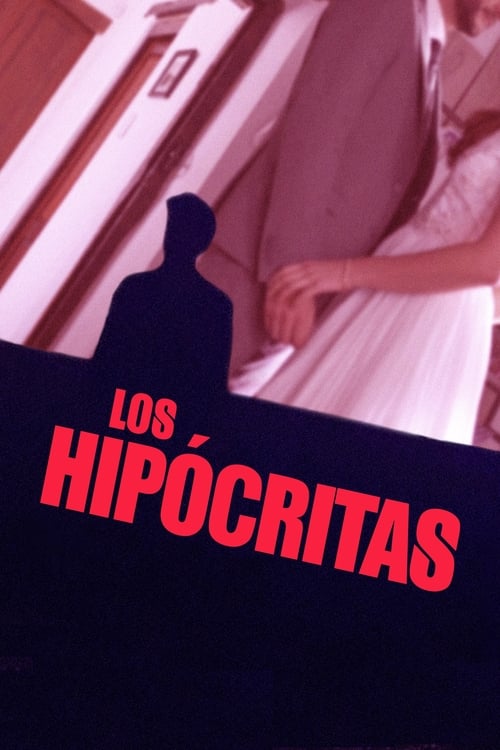
The hypocrites tells the story of Nicolás, a young cameraman who works filming social events, but doesn’t feel fulfilled with his profession. In the middle of a high profile wedding, he accidentally records a compromising situation between the bride, Martina, and her brother, Esteban. Realising about what is in the tape, he sees the opportunity of leaving his tedious life behind through blackmailing the people involved. However, he does not know this secret could endanger his own life.
József works at the largest still-operational grain silo in Budapest. He’s been doing this work for more than 30 years, and lives in a container home next to the structure, where trucks and trains rumble past his window. When he is lowered into the ten-story-deep silos to clean them, he looks like a scuba diver at work. These scenes are captured with stunning, contrast-rich camerawork, and ably edited with a strong sound design.
On 3 November 1995, the Rio Tercero Military Factory exploded in Cordoba, prompting thousands of projectiles to fire and spread in the surrounding villages, in a tragedy that would leave seven dead and hundreds injured and affected. At the time, Natalia Garayalde was a twelve-year-old girl who lived with her family near the place, and he was still playing filming with the video camera her father had bought, when she recorded the immediate moments of the burst, while her family escaped the explosions, as well as the daily activities of the village in the days and weeks that follow. Twenty-five years later, that material captured from a girl's candid and surprised gaze it becomes a thoughtful and painful testimony about the family, the destruction of a city, the traces of horror, the sinister truth about the case.
Pelu is a thirty-something who barely survives on his salary as a projectionist at a municipal film club. After losing his job, he agrees to stay on as a night watchman and ends up living secretly inside the cinema, accompanied by the films he reviews every night.
A landguard and his son go on patrol in a border area, where an invisible danger looms.
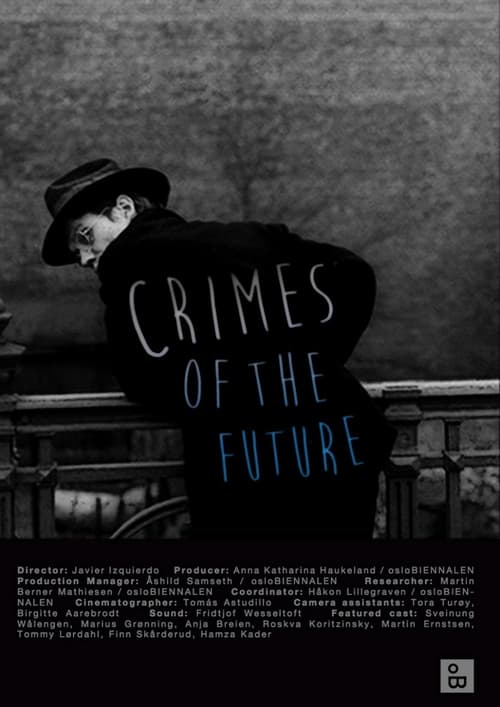
Through conversations with an array of Norwegian writers, filmmakers, psychiatrists, artists and more, Izquierdo investigates the impact of both the film and novel Sult by Knut Hamsun on generations of Norwegian culture and artistic practice, while exploring how it could speak about what it means to be an artist today.
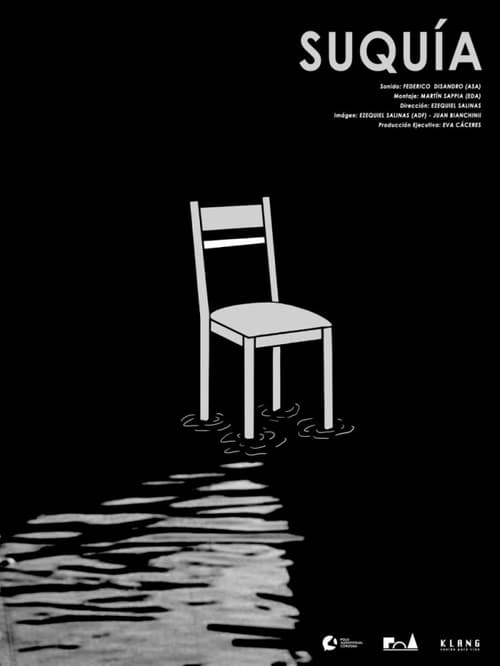
A journey through the memory of the Suquía, a gloomy river, full of desperation and resentment from its people. Like the Nile, the Seine and the Ganges, this river has much to whisper about the city that it has seen grow upon its banks.
Eva, a film editor, and her assistant Rami are working on a film about blind people. A melancholy reflection on cinema and images.
A documentary and investigative essay on the traces of migration, family memory, and the audiovisual archive connecting the experience between Switzerland and Argentina.
In 2017, young Mapuche Rafael Nahuel was killed by police in the Patagonian forest. Site visits, court proceedings – the film unites the elements involved in solving the crime. Meticulously observed: the struggle for civil rights and narrating history.
The days are monotonous and silent for a young single mother living in a state of inner fragility as she tries to care for her young daughter.
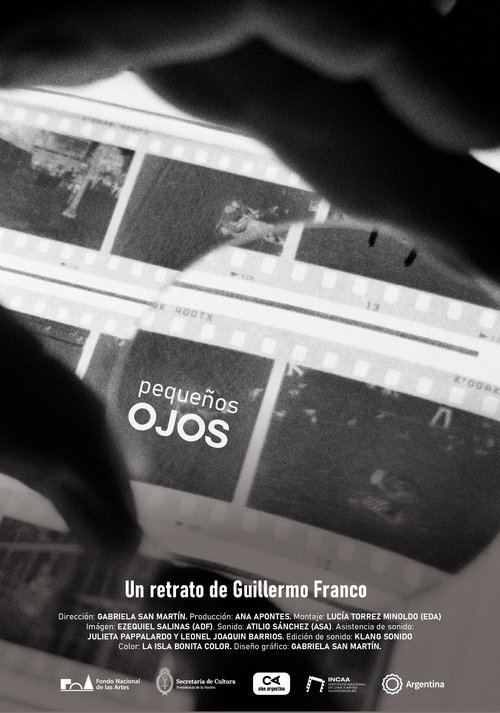
Guillermo Franco photographs the same city every day of his life. He does so with an analog camera, stores the rolls for years, and develops them randomly. He archives the negatives and, some time later, rediscovers those images. Under a philosophy that prioritizes the emotional experience of looking, Franco builds, over time, an intimate cartography of his own gaze and, at the same time, a visual memory of his city. Pequeños ojos rescues his artistic process and reveals the essence of who is, perhaps, the greatest exponent of everyday life photography in Córdoba in Argentina.
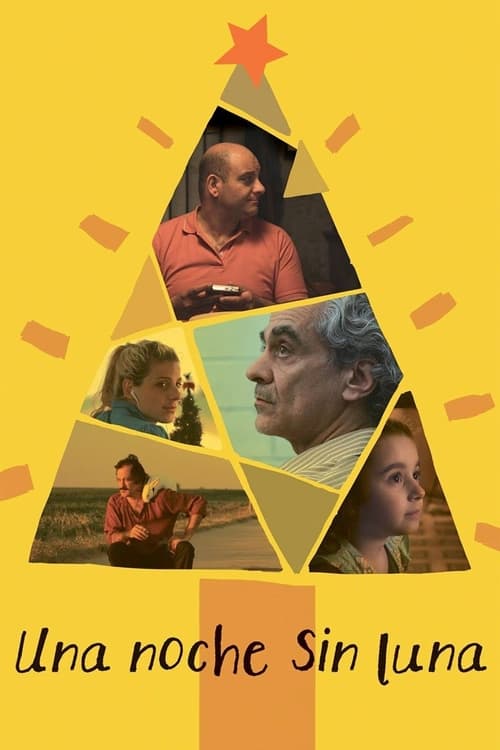
A divorced taxi driver shows up with a black eye at the home of his ex-wife’s new family; he’s been invited to dinner and he desperately wants to reconnect with his young daughter. A professional magician’s car breaks down and he ends up spending an emotionally intense night with a young, widowed toll booth worker. A singer songwriter serving a lengthy prison sentence is released for one night to perform at a local community centre. These three deeply engaging stories about yearning for connection unfold in parallel, one New Year’s Eve in a small town in central Uruguay, balancing the universality of human suffering with a powerful sense of hope.