Acting
No description available.
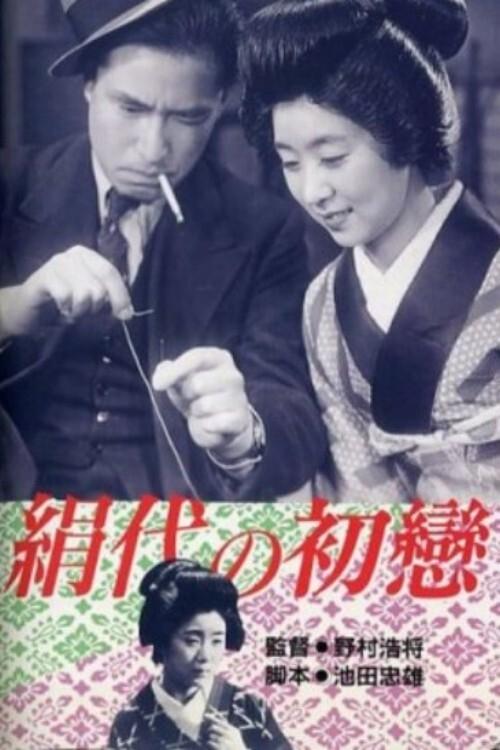
Kinuyo is a daughter of rice cracker shop in downtown. She fell in love with her sister's boyfriend. It is a story whose theme is warm human relationships in a town of customs and manners.
After the death of her husband, an elderly woman and her youngest, unmarried daughter are forced to sell their house to cover his debts and decide to move in with one of the former's children, each of whom is scarcely happy to accommodate.
The Nakata family, father, mother, son Hideo, and daughters Taeko and Akiko live in the poorer section of modern Tokyo. Their troubles start when the father leaves with another woman, returns after he is rejected, and leaves again with the family's money.
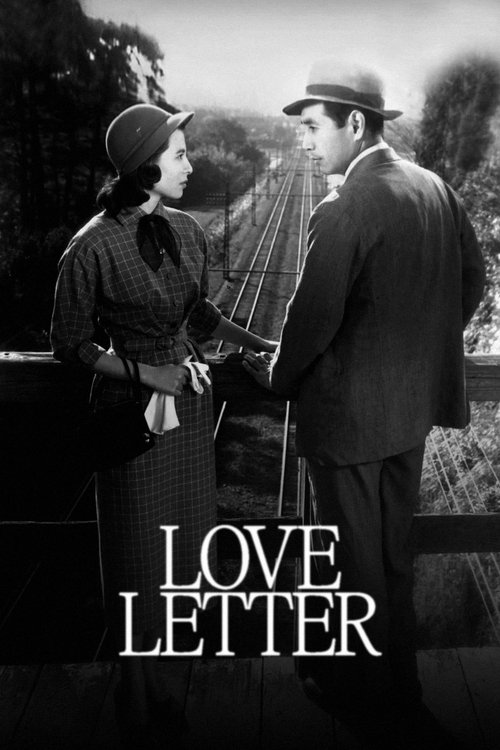
Five years after the end of the Second World War, Reikichi, a repatriated veteran, translates love letters for Japanese women to American GIs, while searching for his lost love, Michiko.
Produced by Shochiku’s all-star cast as a commemorative film to mark the completion of the “Shochiku Kaikan” in Tsukiji, Tokyo, this movie introduces both the Shochiku Ofuna and Kyoto studios. Part One focuses on the studio’s behind-the-scenes staff: set designers, prop masters, and lighting technicians. Part Two presents a digest-style overview of the process surrounding a young woman who auditions for the “New Faces” program, from the auditions to her debut as an actress.
Hiromasa Nomura World War II era film
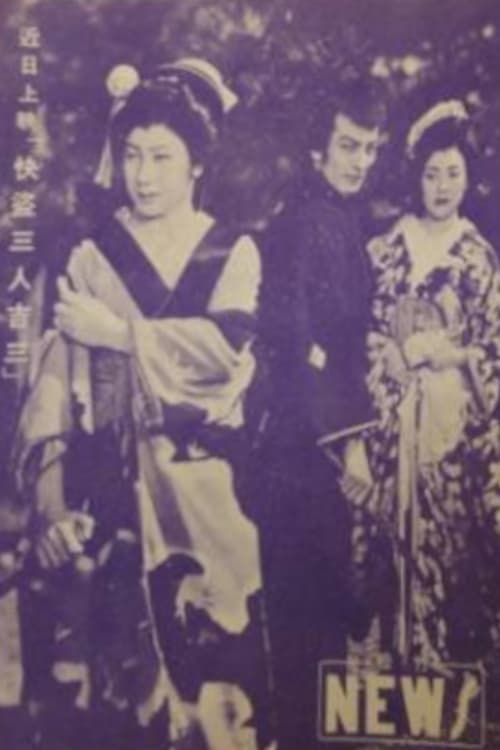
On March 11 in the seventh year of Tenpo (1836), a monk named Bennō, who fell in love with a geisha named Oshima, was publicly exposed at Nihonbashi for committing an illicit act with a woman. While this was happening, an extravagant procession led by another monk named Nikkei passed over the bridge. Nikkei, the head of the Kanouin temple, in collusion with Nakano Harima-no-Kami, had schemed to make his younger sister, Miyoshi, the Shogun's mistress and aimed to transform Kanouin into the Shogun's family temple. To fund the renovations, Nikkei accepted bribes from a corrupt merchant named Koya Bunzo.
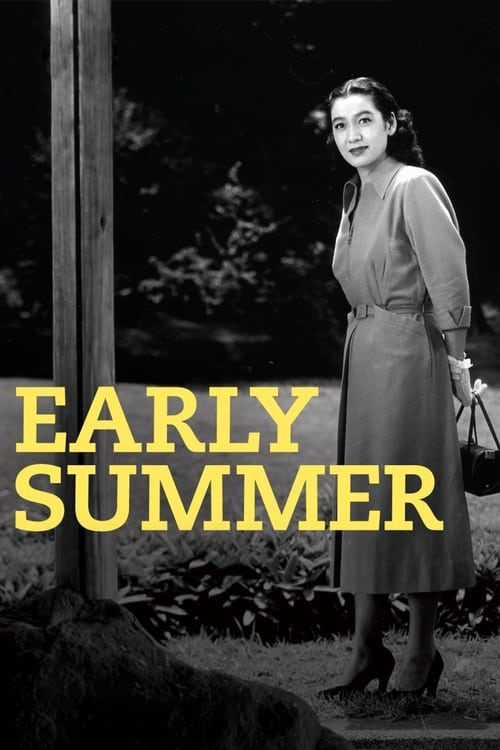
In postwar Tokyo, Noriko lives with her extended family. Although she enjoys her career and her social life, her more traditional family worries about her single marital status at the advanced age of 28. 40-year-old business associate Takako proposes, Noriko's family press her into accepting, but when her widowed childhood friend Kenkichi returns to the neighborhood, she finds her heart leading in another direction.
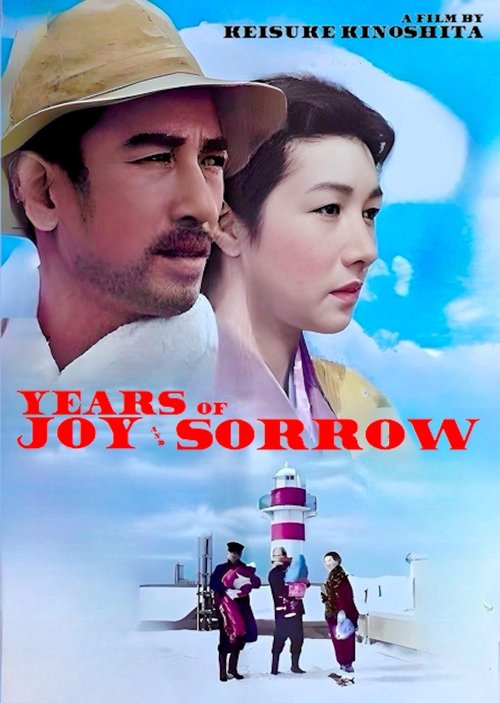
The story of the trials and tribulations of a lighthouse keeper and his wife.
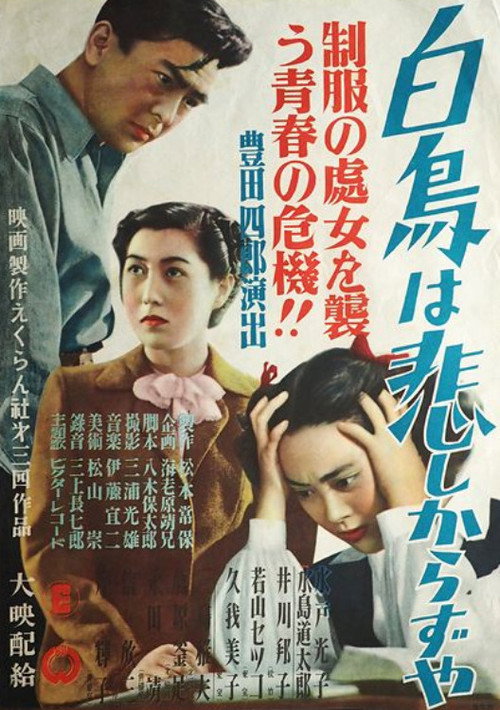
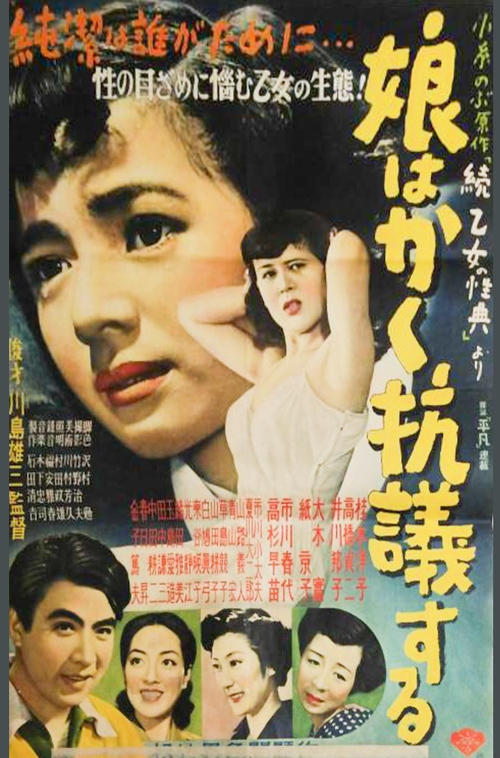
Reiko Nishida, though she had both parents, felt lonely because she couldn’t fit in with the cold atmosphere at home. A student at Wakaba Academy in Osaka, she eventually succumbed to the allure of a superficial lifestyle and joined a group of delinquents, but Kimiko Kimizuka, a student council member, tried desperately to save her friend from the path of crime.
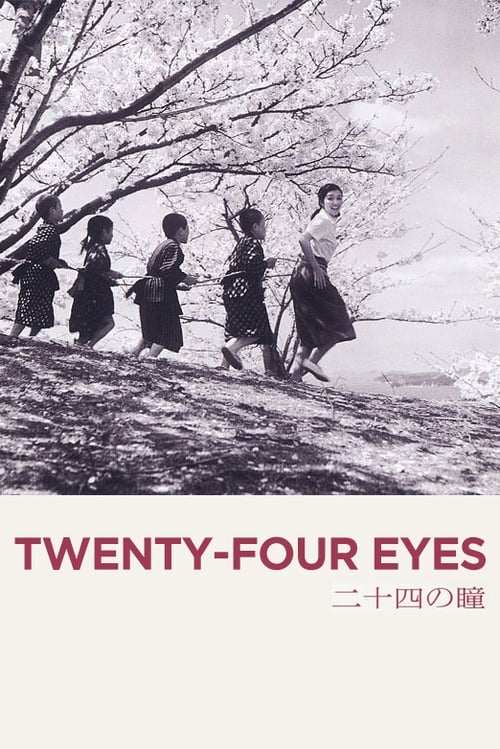
From 1928 to 1946, the lives of 12 young people and their school teacher in a poor Japanese village are profoundly affected by historical events and personal circumstances.
After surviving the double suicide pact she made with her lover, a woman gives birth to their child.
A story about a high school sophomore, Uzumi Keiko (Kyoko Kami), in a coastal Japanese city, Keiko’s coming-of-age story centers on her strained relationship with her mother and her entanglement in social misunderstandings at school. Her journey reflects postwar Japan’s evolving attitudes toward youth, gender, and family honor, as personal choices become public matters.
A private detective chases a female pickpocket into a film studio and dashes through the sets. With special appearances by a star-studded cast.
In postwar Japan a young woman is unable to marry her sweetheart because her family's in difficult circumstances and needs her income to keep afloat.
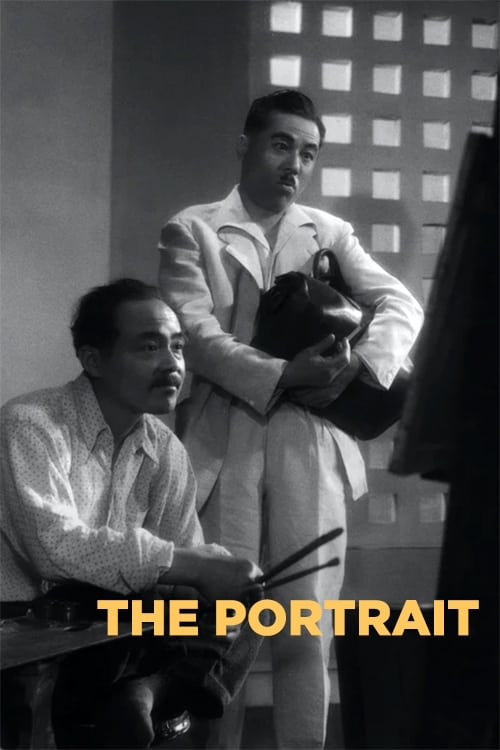
The mistress of a crook real estate broker comes to terms with her soulless existence after an artist paints her portrait.