FEEL IT.STREAM
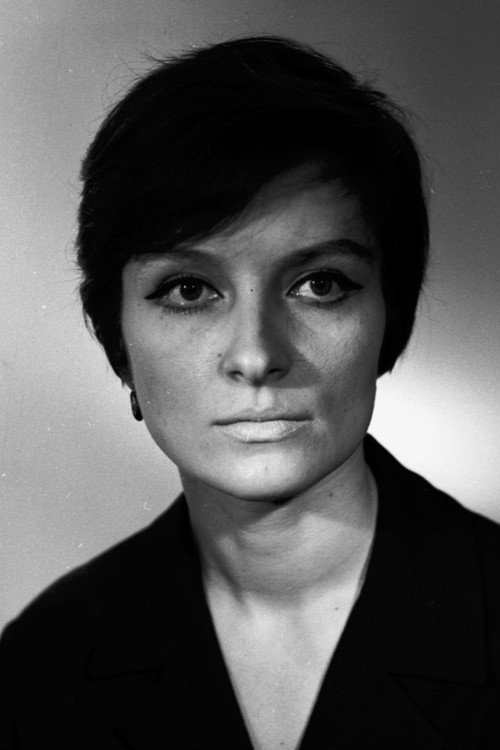
Larisa Shepitko

Larisa Shepitko

Directing

Biography

Larysa Efimovna Shepitko (6 January 1938, Artemivsk, Ukrainian SSR – 2 June 1979, Kalinin Oblast) was a Ukrainian Soviet film director. She went to the All-Union State Institute of Cinematography in Moscow as a student of Olexander Dovzhenko. She was a student of Dovzhenko's for 18 months until he died in 1956. Shepitko graduated from VGIK in 1963 with her prize winning diploma film Heat, made when she was 22 years old. It tells the story of a new farming community in Central Asia during the mid 1950s. Shepitko's next film Wings concerns a much-decorated female fighter pilot of World War II. The pilot, now principal of a vocational college, is out of touch with her daughter and the new generation. The film aroused considerable Soviet press controversy at the time, as films were not meant to depict conflicts between children and parents (Vronskaya, 1972 p 39). Shepitko's third film was You and I (1971). This was her only film in colour. It was favourably received at the Venice Film Festival, but lacked proper public exposure in the Soviet Union. The Ascent (1976) was her last film and the one which garnered the most attention in the West. In it, Shepitko returns to the sufferings of World War II, chronicling the trials and tribulations of a group of partisans in Belarus in the bleak winter of 1942. Two of the partisans are captured by the Nazis and then interrogated by a local collaborator, played by Anatoly Solonitsyn, before one of them is executed in public. This depiction of the martyrdom of the Russians owes much to Christian iconography. The Ascent won the Golden Bear at the 27th Berlin International Film Festival in 1977. Shepitko's growing international reputation led to an invitation to serve on the jury at the 28th Berlin International Film Festival in 1978. However, she was unable to complete any other films. Shepitko died in a car crash with four members of her shooting team in 1979 while scouting locations for her planned adaptation of the novel Farewell to Matyora, by Valentin Rasputin. Her husband Elem Klimov, also a film director, finished the work for her.

Known For

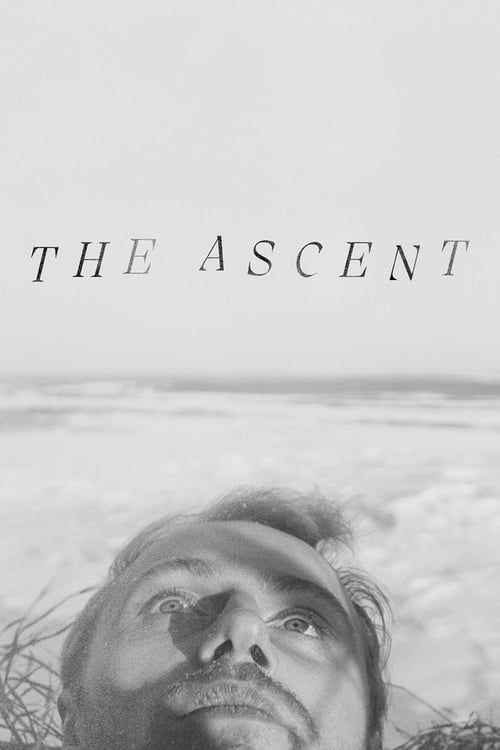
The Ascent
7.8

During a freezing WWII winter, two Soviet partisans on a mission to gather food contend with the temperature, the occupying Germans, and their own psyches.

The Ascent

1977
Agony: The Life and Death of Rasputin
6.7

As an adviser to the emperor Nicholas II, mystic Grigori Rasputin holds great influence over the empire. However, many in St Petersburg begin to regard Rasputin, with his strange practices and mesmerizing qualities, as a liability and plot his assassination. When Rasputin, known to many as the 'Mad Monk', leads Nicholas to embrace an ill-conceived military strategy, a group of determined conspirators set down a plan to eliminate him.

Agony: The Life and Death of Rasputin

1981
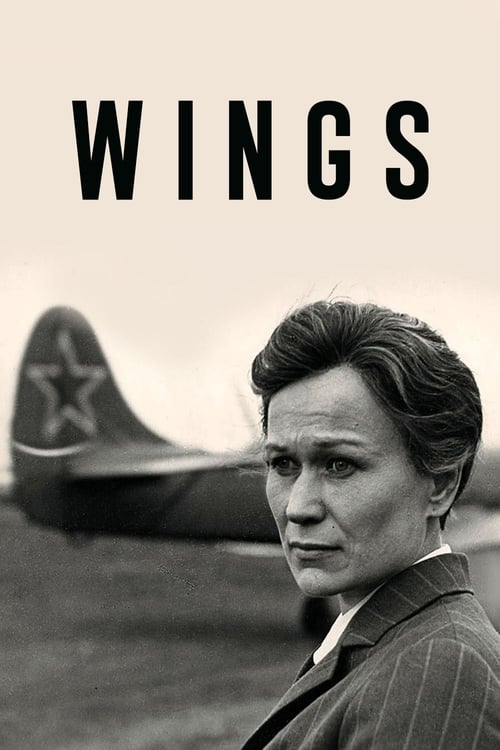
Wings
6.8

Former fighter pilot turned provincial schoolmistress Nadezhda Petrovna struggles to adapt to peacetime, having internalised military ideals of service and obedience.

Wings

1966
Carnival Night
7.0

It is the New Year's Eve and the employees of an Economics Institute are ready with their annual New Year's entertainment program. It includes a lot of dancing and singing, jazz band performance and even magic tricks. Suddenly, an announcement is made that a new director has been elected and that he is arriving shortly. Comrade Ogurtsov arrives in time to review and disapprove of the scheduled entertainment. To him, holiday fun has a different meaning. He imagines speakers reading annual reports to show the Institute's progress over the year, and, perhaps, a bit of serious music, something from the Classics, played by the Veterans' Orchestra. Obviously, no one wants to change the program a few hours before the show, much less to replace it with something so boring! Now everyone has to team up in order to prevent Ogurtsov from getting to the stage. As some of them trap Ogurtsov one way or another, others perform their scheduled pieces and celebrate New Year's Eve.

Carnival Night

1956
Farewell
6.4

Matyora is a small village on an eponymous beautiful island; its existence is threatened with flooding by the construction of a dam, leaving its citizens forced to bid farewell to their beloved home.

Farewell

1983
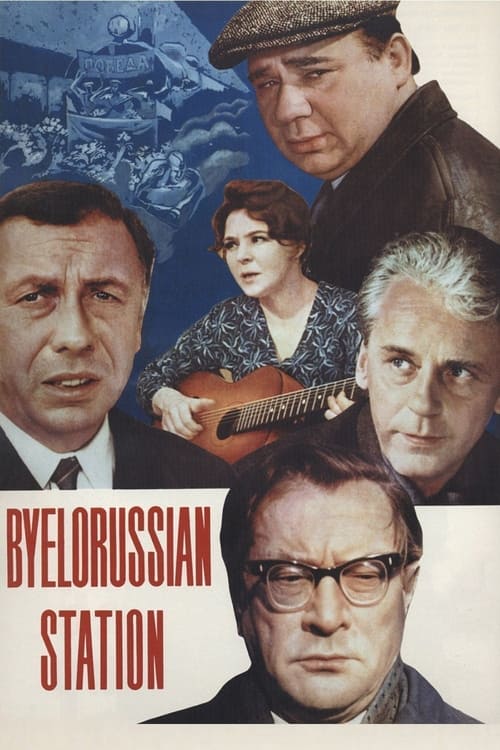
Byelorussian Station
6.7

Four former soldiers reunite 25 years after the war. Last time they saw each other on the Byelorusian railway station in the summer of 1945. Now they've come together to mourn the death of a friend.

Byelorussian Station

1971
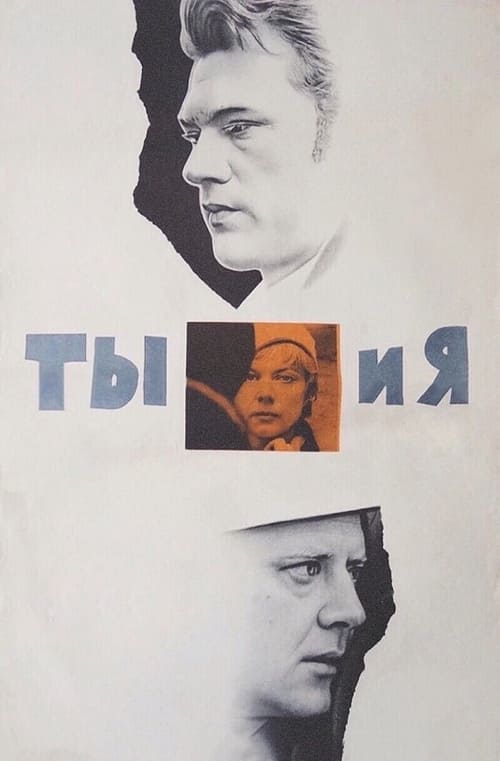
You and Me
6.3

Pyotr, a once-promising neurosurgeon who left his groundbreaking research and career abroad, returns home years later in search of fulfillment. Encountering old friends, strained relationships, and the realities of his choices, Pyotr grapples with regret, identity, and the value of his work.

You and Me

1971
In the Thirteenth Hour of the Night
5.8

New Year's Eve 1969: A variety of Russian folklore characters gather in the hut of Baga Yaga to await the arrival of the New Year, amid much foolery, snippets of popular artists of the day, satirical views of the west via a magical kaleidoscope, and other hijinks.

In the Thirteenth Hour of the Night

1969
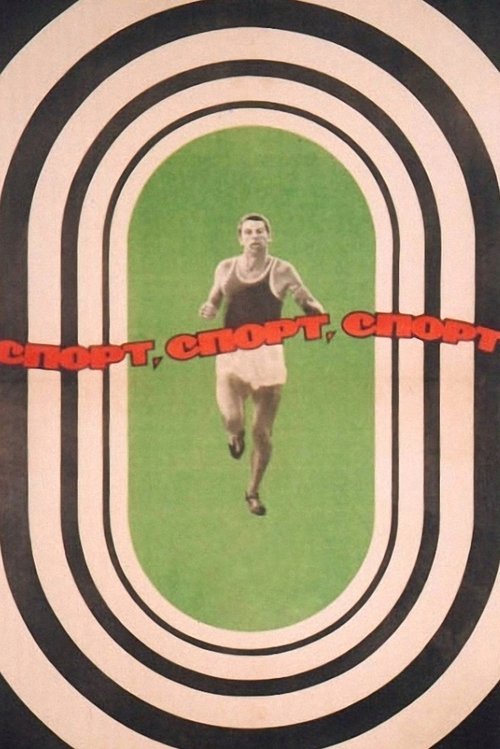
Sport, Sport, Sport
5.9

Combining staged scenes, newsreel footage, and documentary episodes, the history of the development of sports is presented, showing the stadiums of Moscow, Philadelphia, Stockholm and Mexico City in the past and future.

Sport, Sport, Sport

1970
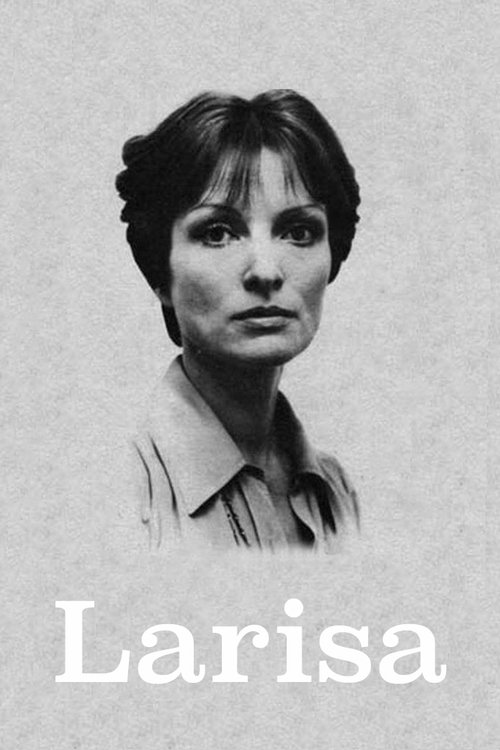
Larisa
6.3

Elem Klimov's tribute to his late wife, director Larisa Shepitko, killed in a car accident a year earlier. Features excerpts from all of her films, and archival audio of her discussing life and art.

Larisa

1980
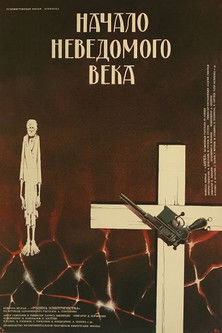
Beginning of an Unknown Era
5.8

Two young directors adapted the short stories of two Russian authors whose works had been banned for decades, and so their film ended up in the censor’s vault as well – for twenty years. Both tales look back to the post-revolutionary era: 'Angel' (Olesha) speaks tragically of the brutality and destruction of the time, and 'The Homeland of Electricity' (Platonov) captures its haunting grotesquery.

Beginning of an Unknown Era

1967
Poem of the Sea
5.2

A Soviet dam project means that many old Ukrainian villages will end up under water. There are conflicts between the dam engineers and villagers who don't want to move.

Poem of the Sea

1958
The Homeland of Electricity
N/A

The Homeland of Electricity, Larisa Shepitko's adaptation of an Andrei Platonov story, was one of three short films collected in an omnibus work (Beginning of an Unknown Era) commissioned to honor the 50th Anniversary of the October Revolution. Censors eventually shelved the film and it would not see the light of day until well after Shepitko's death, during Mikhail Gorbachev's perestroika.

The Homeland of Electricity

1967
Heat
4.9

An idealistic high school graduate goes to work on a state farm on the Kyrgyz steppe, only to clash with its authoritarian leader.

Heat

1963
No image
N/A

A program on the relationship between the filmmaking couple Larisa Sheptiko and Elim Klimov.

More Than Love

2012
No image
N/A

A program made for Kultura on the life and career of Larisa Shepitko.

Islands

2012
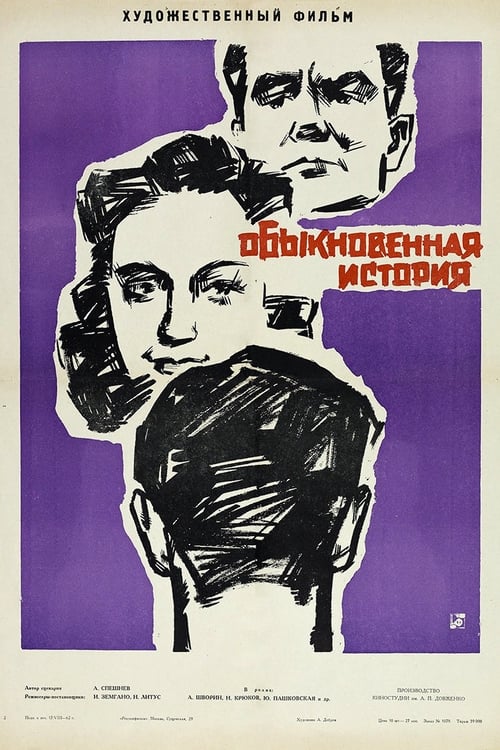
Ordinary Story
7.0

Anya, finding herself in unfamiliar Kyiv, meets casual acquaintances who help her adapt to the new city. One of them, engineer Sasha, accompanies her to the train station and later comes to her city. He persuades Anya to enroll in a Kyiv institute, which she agrees to do.

Ordinary Story

1962
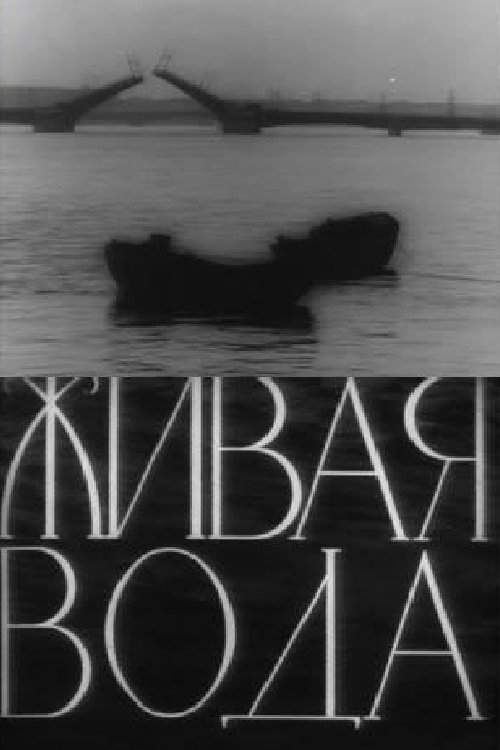
Living Water
4.6

The second graduation work from Larisa Shepitko.

Living Water

1957
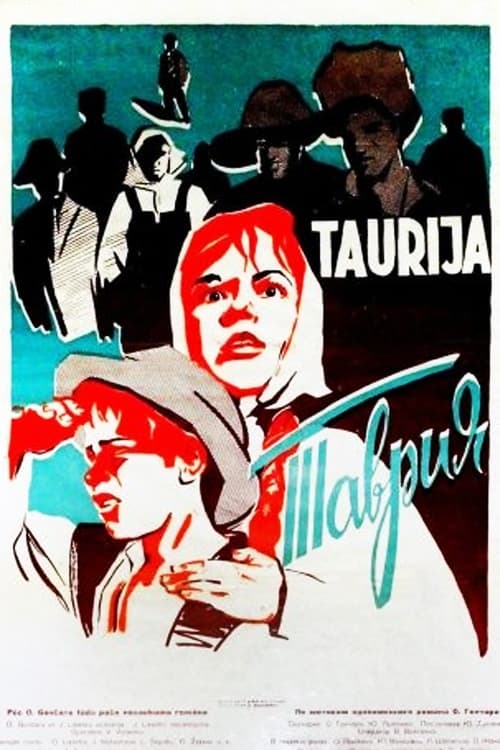
Tavria
2.0

1914, Imperial Russia. A group of Ukrainian peasants searching for a better life in the Taurida steppe end up working at the landholding of the aristocratic Falz-Fein family. Friends Vustya and Hanna are courted by a revolutionary and the landowner's son, both rising their hopes and dreams.

Tavria

1960
A Talk with Larisa
N/A

This 1999 program, broadcast on the Russian television channel Kultura, features an introduction by filmmaker Elem Klimov and film critic Irina Rubanova to an interview with director Larisa Shepitko that was recorded just after the 1978 Berlin International Film Festival.

A Talk with Larisa

1999