
Mai Masri
Directing
Biography
Mai Masri is a Palestinian filmmaker who was born in Amman. She founded Nour Productions with her late husband, Jean Chamoun, and directed and produced over 18 films, which were screened worldwide and won over 90 awards. Masri is a member of the Academy of Motion Picture Arts and Sciences. She is internationally known for her documentary work. Her solo directorial journey began with the film “Children of Fire” (1990) and continued to include films like “Hanan Ashrawi: Woman for Her Time” (1995), “Children of Shatila” (1998), “Frontiers of Dreams and Fears” (2001), “Beirut Diaries” (2006), “33 Days” (2007). Her latest film was released in 2021 “Beirut: Eye of the Storm”. Her debut feature film “3000 Nights” premiered at Toronto International Film Festival and represented Jordan at the Academy Awards for Foreign Language Film (2015). Masri co-directed with her late husband filmmaker, Jean Chamoun : “Under the Rubble” (1983), “Wild Flowers” (1986), “War Generation – Beirut” (1988), “Suspended Dreams” (1992), and produced: “In the Shadows of the City” (2000), “Hostage of Time” (1994), “Women Beyond Borders” (2004), “Yearning of the Laurel” (2007), and “Lanterns of Memory” (2009).
Known For

Iman, a young newly wed Palestinian bride, is arrested and incarcerated in a top-security Israeli prison where she gives birth to a baby boy. As she struggles to survive and raise her child behind bars, she is torn between her instinct as a mother and the difficult decisions she must make, finding through her relationship with the other prisoners - both Palestinian and Israeli – the time and space to reflect, develop and mature as a young woman.
3000 Nights
In this award-winning documentary, directors Masri and Chamoun focus on the women who played a crucial role in fighting the Israeli invasion of southern Lebanon. Preserving their stories on camera, Wild Flowers: Women of South Lebanon is a poignant documentary about courage, resistance, and hope.
Wild Flowers: Women of South Lebanon
Many people first became aware of the Shatila refugee camp in Lebanon after the shocking and horrific Sabra-Shatila massacre that took place there in 1982. Located in Beirut's "belt of misery," the camp is home to 15,000 Palestinians and Lebanese who share a common experience of displacement, unemployment and poverty. Fifty years after the exile of their grandparents from Palestine, the children of Shatila attempt to come to terms with the reality of being refugees in a camp that has survived massacre, siege and starvation. Director Mai Masri focuses on two Palestinian children in the camp: Farah, age 11 and Issa, age 12. When these children are given video cameras, the story of the camp evolves from their personal narratives as they articulate the feelings and hopes of their generation.
Children of Shatila
Acclaimed director Jean Chamoun looks at the lives and works of some of the women who have joined in the fight for their Palestinian homeland. We learn of young resistance fighter Kifah Afifi’s experience as a survivor of the 1982 Shatila massacre in Lebanon when she was just twelve years old. She tells about fighting the Israeli occupation of South Lebanon in the 1990s and of her imprisonment in the Khiam detention facility, which was run by Israel’s auxiliary militia, the South Lebanon Army.
Women Beyond Borders
This heartfelt documentary from award-winning filmmaker Mai Masri explores the enduring friendship that evolves between two Palestinian girls—Mona, who was born and raised in the economically marginalized Shatila refugee camp in Beirut, and Manar, who lives in the Dheisha refugee camp under Israeli control. The two girls begin their friendship as penpals, sharing the similarities and differences of life in the two refugee camps. Mona and Manar are finally able to meet face-to-face at the Lebanese-Israeli border during Israel's withdrawal from South Lebanon. But when the second intifada suddenly erupts around them shortly thereafter, both girls must face heart-breaking changes in their lives.
Frontiers of Dreams and Fears
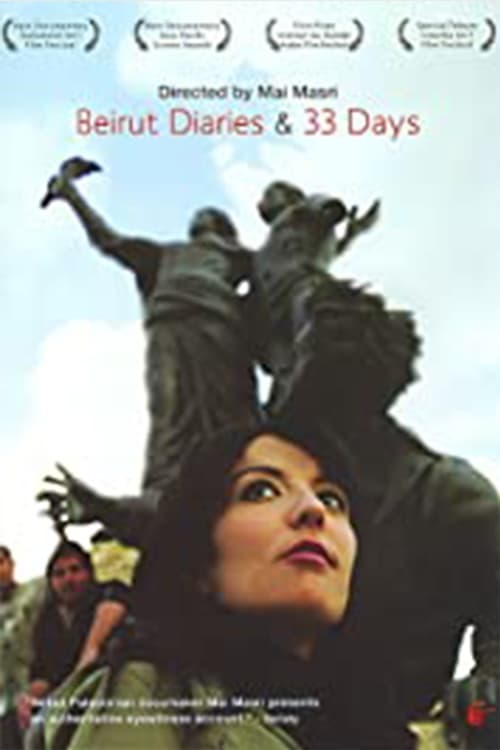
By focusing on the experiences of 25-year-old Nadine Zaidan, who was one of the thousands of activists who gathered in Beirut’s Martyrs’ Square in the chaotic days immediately following the assassination of Prime Minister Rafiq Hariri in February of 2005, Beirut Diaries explores critical transformations and crucial questions facing contemporary Lebanon. With this insightful video diary, director Mai Masri chronicles the political ferment embodied in the March 11th Movement, also known as The Cedar Revolution, as people of all factions, ages and religious affiliations passionately debate such issues as Syria’s influence in Lebanese politics, the establishment of an international commission to investigate Hariri’s assassination and the organization of free parliamentary elections.
Beirut Diaries: Truth, Lies and Videos
A DOCUMENT OF LEBANON'S BATTLES AGAINST ZIONISM AND IMPERIALISM
Longing of the Laurel
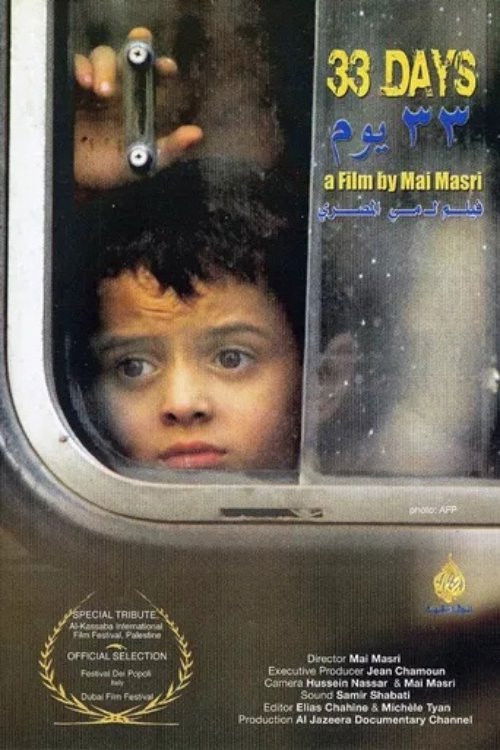
33 Days chronicles the efforts of theatre director Sharif Abdunnur, graphic designer Sharif Bibi, journalist Fadia Baszzi and Mariam Al-Bassam, director of the news desk at New TV, as they try to provide emergency aid, report current news of the conflict and help Lebanese children process the violence and destruction they see around them on a daily basis. Masri's film is full of compassion and humanity even as it records the horrible devastation of war.
33 Days
In the aftermath of the peace accord signed by Israel and the PLO in September of 1995, Palestinian spokeswoman Hanan Ashrawi emerged as a formidable negotiator and a persuasive voice on the international stage. But beyond the polished rhetoric and the public poise, what drives this mother of two whose high profile and personal integrity have made her enemies as well as friends? Palestinian filmmaker Mai Masri profiles Ashrawi in this intimate portrait, exploring how she juggles her responsibilities as political activist, writer, and mother—all against the backdrop of challenges facing the Palestinians in their struggle to build a viable state.
Hanan Ashrawi: A Woman of Her Time
Jean Chamoun and Mai Masri link the stories of four people who are attempting to reconstruct their lives after Lebanon's long and devastating civil war. The film features two ex-militia fighters from Beirut; a woman searching for her missing husband; a playwright from southern Lebanon. Each share their lives and hardships amidst the rubble of their war-torn homeland.
Suspended Dreams
Under the Rubble is the filmmakers’ harrowing attempt to tell the real story behind the 1982 Israeli invasion of Lebanon as it took place in Beirut—a traumatizing experience for the city and its people. This moving and informative documentary won the Special Jury Award at the Valencia Film Festival.
Under the Rubble
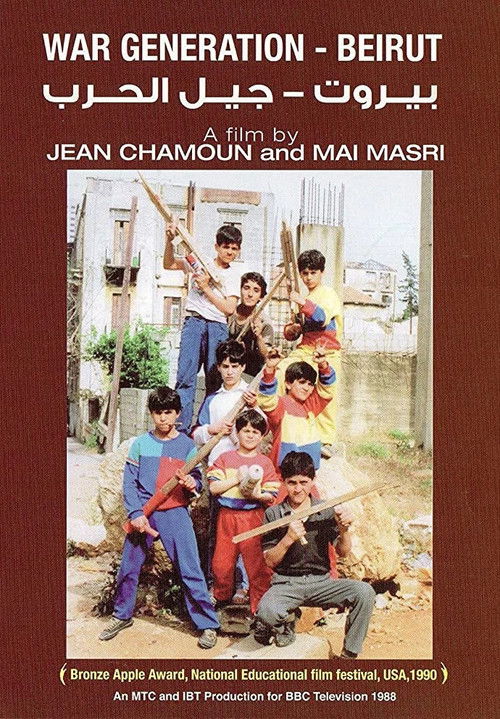
War Generation - Beirut explores the lives, dreams and fears of three generations of young people living in the heart of the civil war in Lebanon. This seminal work from Jean Chamoun and Mai Masri remains one of the most powerful anti-war documents of the period.
War Generation - Beirut
After her husband was kidnapped in 1982 during the civil war in Lebanon, Wada Hilwani gathered together the families of the kidnap victims and formed the Committee for the Families of the Kidnapped and Missing. Decades after the end of the war, these families continue their painful search for the truth about their loved ones, and for justice against war crimes.
Lanterns of Memory
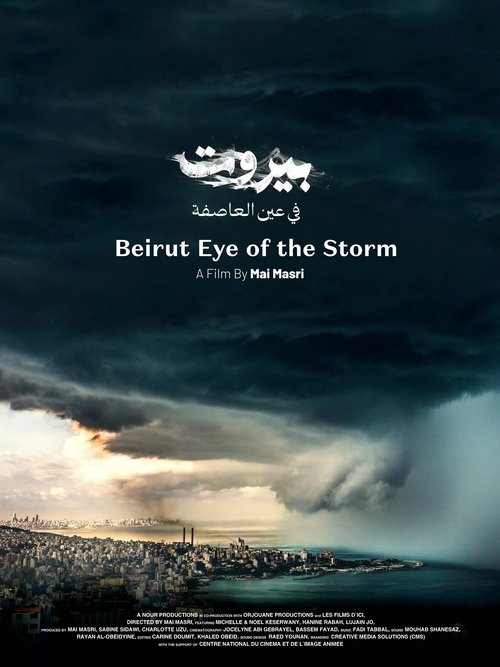
It’s October 2019, and four progressive women are documenting the uprising in Beirut. They are journalist Hanine, Iraqi camerawoman Lujain, and Noel and Michelle, two artist sisters whose often-ironic songs have made them a voice for their generation. The prevailing mood is one of hope and change. But a few months later, Covid-19 has locked down the city, and all optimism seems to have evaporated.
Beirut: Eye of the Storm
A short in which the director travels through the Occupied Territories asking questions about the future of Palestinian citizen in Israel.
The Arab Dream
When Leila, a young doctor, returns to her village in south Lebanon, she finds it badly damaged after the 1993 Israeli attack. Israeli bombing during this episode razed 50 villages and left half a million civilians homeless, causing a flood of refugees into Beirut. Many of those who fled south Lebanon have not returned, choosing instead to live a scavenging existence in bombed-out buildings in the capital, where they’re out of range of the Israeli-occupied “security zone” in the south. Through Leila’s relationship with her family and the women and children of the surrounding villages, we get to know the hopes and dreams of the people who have remained in south Lebanon as they work to rebuild their homes and their lives.
Hostage of Time

When filmmaker Mai Masri returned to her hometown of Nablus after a fourteen year absence, she discovered a new generation of Palestinian fighters: the children of the Intifada. Winner of the Award of Public at the Freminin Pluriel Festival, Children of Fire captures their courageous story on film and paints a daring portrait of the Palestinian uprising.