FEEL IT.STREAM
?

Jozef Medveď

Directing

Biography

Jozef Medved was born on 5 March 1927 in Brezno, Czechoslovakia. He was a director and writer, known for Jergus Lapin (1960), Racha, chemi sikvaruli (1977) and Cierna minúta (1970). He died on 30 August 1984 in Bratislava, Czechoslovakia (now Slovakia).
Known For

No image
N/A

No description available.

V službách zákona

1983
No image
7.0

A comedy film taking an ironic view of the bourgeois period prior to the First World War.

Štvorylka

1956
No image
7.0

No description available.

Maroško

1969
No image
N/A

No description available.

Nech žije deduško

1978
No image
N/A

No description available.

Brána k domovu

1975
No image
10.0

Zypa Cupak - with this strangely distorted name, the arduous journey of father Ďur to his nephew's wedding in Belgrade begins. After all, not understanding a foreign language can mean great difficulties and many misunderstandings. And although father Ďur is helped everywhere to reach his destination, he cannot avoid problematic situations.

Zypa Cupak

1976
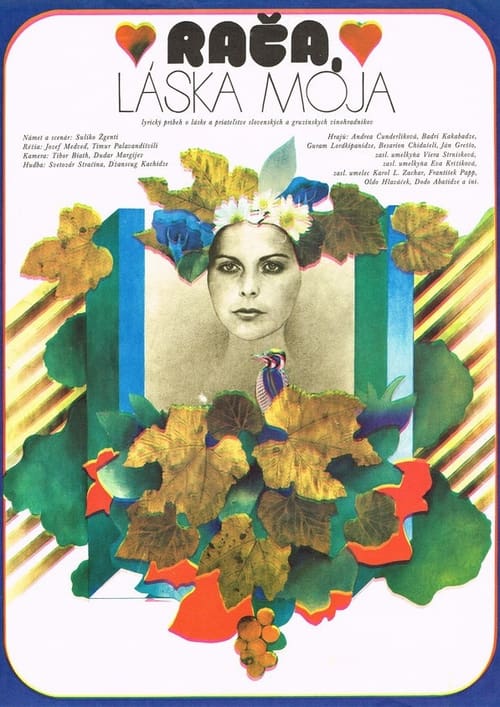
Racha, My Love
4.2

Visiting Slovakian Racha to get antiquated with Slovakian wine-making techniques, Rachvelian from Georgia, Zauri, falls in love with Slovak Darina. Consequentially, when Darina visits Georgia, Zauri does his best to make her also love him.

Racha, My Love

1977
No image
N/A

No description available.

Tvář a maska

1949
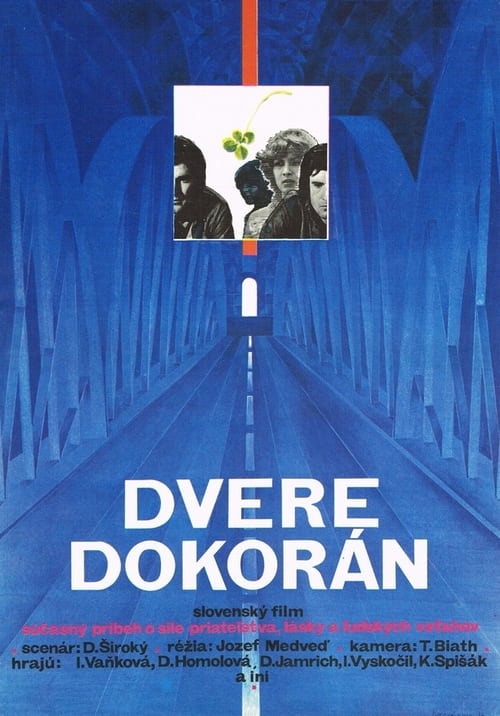
Dvere dokorán
N/A

The story of a young college student who loses his parents and well-off family background in a car accident. He gradually finds inner balance with the help of a group of young workers whose friendship helps him overcome difficult life problems.

Dvere dokorán

1978
No image
9.0

A dramatic love story in the front line.

Na druhom brehu sloboda

1984
No image
N/A

No description available.

Maroško študuje

1970
No image
8.0

Ivan Hálek, son of the famous poet Vítězslav Hálek, studied medicine and devoted his life to the Slovak countryside. In the poor Kysuce region, he not only treats the local villagers, but also makes an extraordinary contribution to education. At the same time, he struggles with lingering superstitions and mistrust. However, the hero and his young wife also become acquainted with folk customs, songs, and the colorful culture of the poorest. And he proclaims that only those who rid them of terrible mass poverty can provide these poor people with true living water.

Živá voda

1981
No image
N/A

No description available.

Ľudoví umelci

1952
No image
N/A

No description available.

Estráda

1953
No image
7.0

No description available.

Krčmársky kráľ

1971
No image
N/A

No description available.

Mária Justinová

1952
No image
N/A

No description available.

Previerka lásky

1956
No image
N/A

No description available.

Tri razy svitá ráno

1962
No image
N/A

No description available.

Výšiny

1968
V hodine dvanástej
7.0

Nazi soldiers committed atrocities even when sober – and if they got drunk, they did even worse. The inhabitants of a Slovak village during the national uprising learn this when they have to accept an arrogant Hitlerite guard. When two soldiers go missing, the unit commander threatens to have five hostages executed for each of them as a warning. And he refuses to change his order, even when it turns out that drunkenness is to blame for the unfortunate incident. But the villagers get justifiably angry and take up arms.

V hodine dvanástej

1959