Acting
The first Slovakian colour film. A celebration of traditional Slovakian folklore and creativity expressed through a story of young love .
The film adaptation of the novel of the same name by Peter Jilemnický is a drama about the life of poor Kysuce miners, which takes place in the thirties during the economic crisis. During the peak wave of emigration, the dream of a better life drives thousands of people to America for work. Others, in order to support their families, leave for the surrounding towns. Produced by the Bratislava Art Film Studio, studios and laboratories Bratislava - Koliba.
No description available.
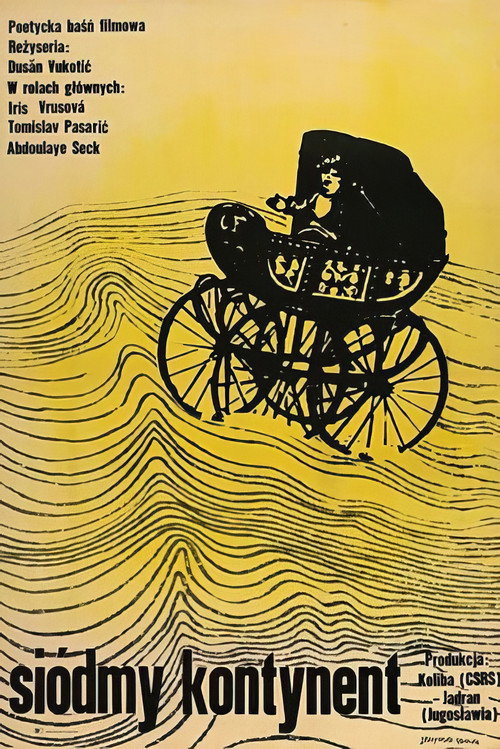
A group of children discover the new continent of the world, uninhabited by adults. Soon, many other children are joining them in that new paradise, leaving their parents and other adults baffled on all remaining continents.
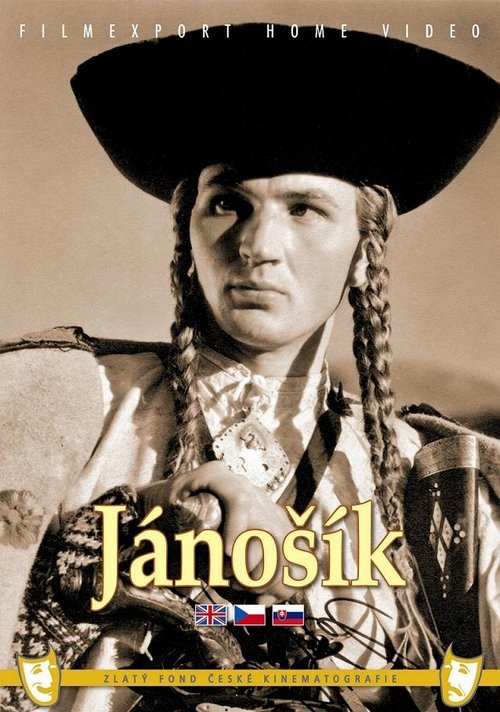
Jánošík has been topic of many Slovak and Polish legends, books and films. According to the legend, he robbed nobles and gave the loot to the poor. The legend were also known in neighboring Silesia, the Margraviate of Moravia and later spread to the Kingdom of Bohemia. The actual robber had little to do with the modern legend, whose content partly reflects the ubiquitous folk myths of a hero taking from the rich and giving to the poor. However, the legend was also shaped in important ways by the activists and writers in the 19th century when Jánošík became the key highwayman character in stories that spread in the north counties of the Kingdom of Hungary (present Slovakia) and among the local Gorals and Polish tourists in the Podhale region north of the Tatras.
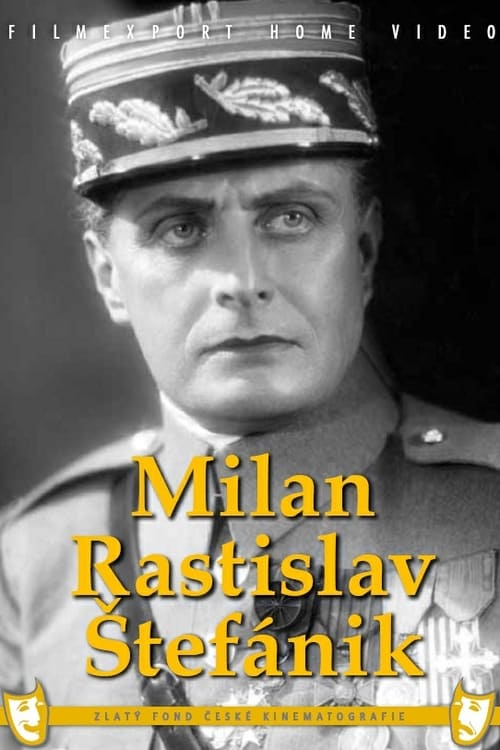
The life story of a prominent Slovak scientist, soldier, diplomat and politician who contributed to the creation of conditions for the formation of an independent Czechoslovakia. He died in a plane crash on May 4, 1919.
Young couple separated by World War 2, dream of being reunited years later.
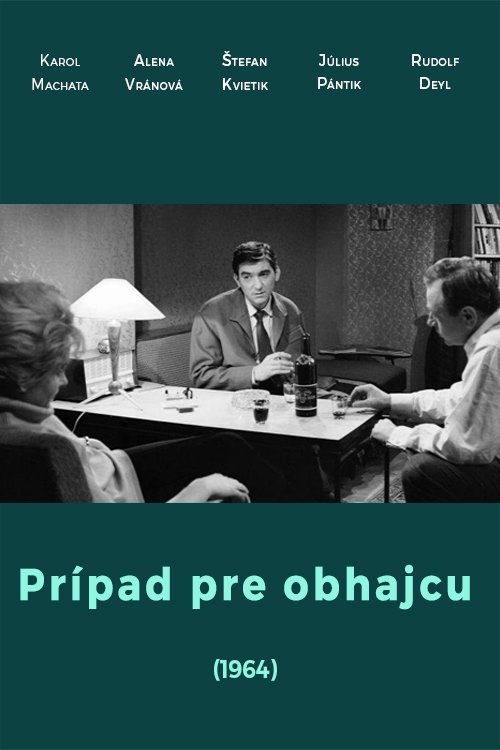
A psychological drama from the judiciary. Lawyer Kolár handles the case of the rape and murder of a fourteen-year-old girl and tries to remove the fifteen-year-old boy from suspicion and subsequent conviction based on discrepancies in the case file.
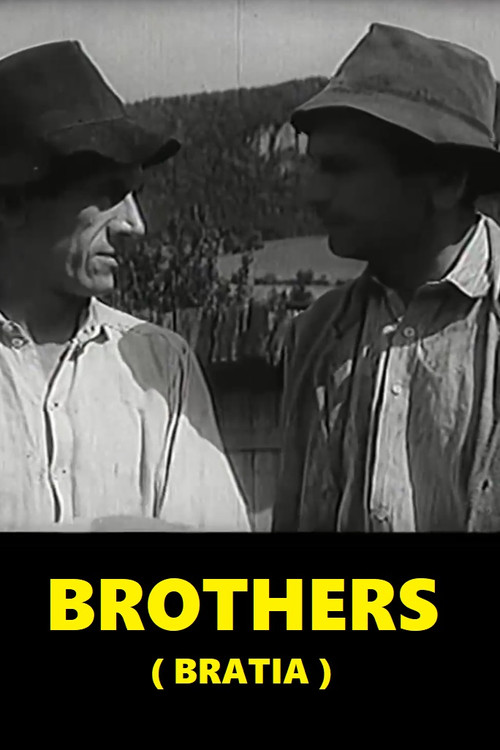
A bricklayer, Jozef Haviar, decides to live with his family on the small farm of his father through the difficult years of the economic crisis. But on his return to his father's house he gets into a conflict with his brother. The life-and-death conflict between the two brothers documents the difficult situation of Slovak country life in the 1930s, the time of economic depression.
The years 1851-1856: events from the life of the writer Božena Němcová, who, because of her free-thinking views and strong patriotic feelings, comes into conflict with the society, the church and the Austrian authorities... A cold, too readable version of the writer's biography. The playwright František Pavlíček dealt with the theme of "Němcová" also later - in the times of his dissidence.
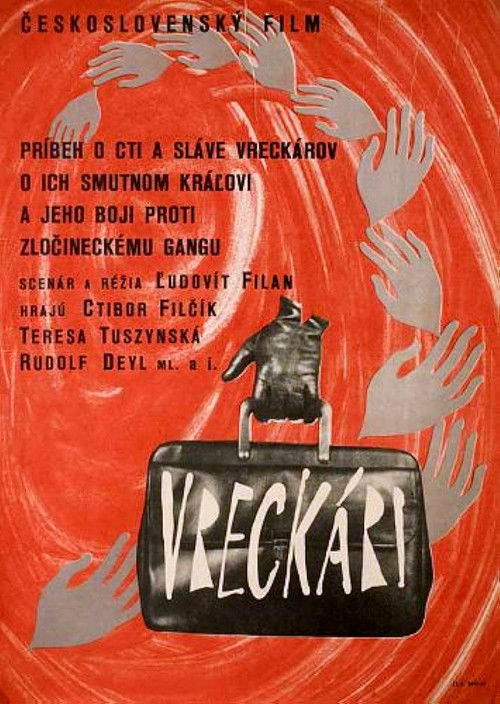
As unbelievable as it sounds, a stint in prison can really fix things. The old seasoned pickpocket will serve many years before he is released, but he comes out a changed man. He even dares to refuse the lures and threats of an all-powerful criminal gang to cooperate with him.
The film captures the new events in the lives of the main characters of the film "The Copper Tower". After two years spent in prison because of smuggling they return to the Stratená dolina valley and plan a revenge on police lieutenant Pardek.
Historical satire from the first half of the 19th century, which captures the decay and decline of the landed estate. The impoverished peasants still seem to adhere to the old principles of peasant honor and glory, but the elections will show how easy it is to buy knightly qualities.
At the beginning of normalization, stories emphasizing civic awareness once again prevailed. The hero here is a teacher from a small village in the foothills, whose inhabitants help the partisans in their fight against fascism. The hero, the only intellectual among them, agrees with them and educates not only his students in this spirit, but is also prepared to lay down his life for his ideals. When German soldiers occupy the village and force the teacher to cooperate, the model situation escalates.
Nazi soldiers committed atrocities even when sober – and if they got drunk, they did even worse. The inhabitants of a Slovak village during the national uprising learn this when they have to accept an arrogant Hitlerite guard. When two soldiers go missing, the unit commander threatens to have five hostages executed for each of them as a warning. And he refuses to change his order, even when it turns out that drunkenness is to blame for the unfortunate incident. But the villagers get justifiably angry and take up arms.