Directing
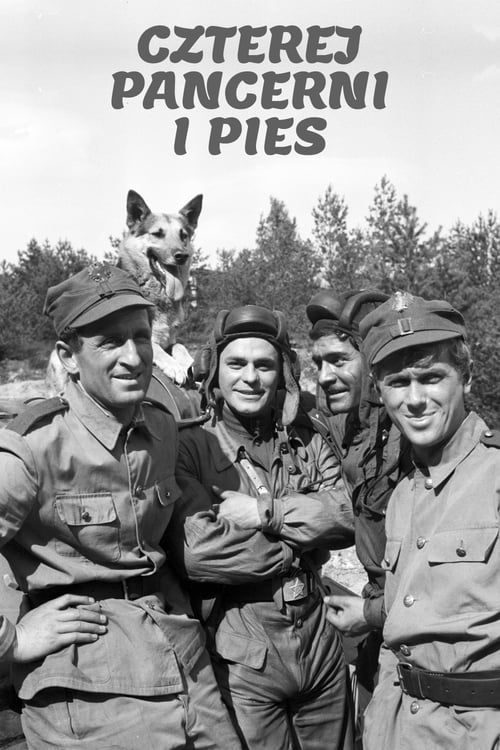
Czterej pancerni i pies was a Polish black and white TV series based on the book by Janusz Przymanowski. Made between 1966 and 1970, the series is composed of 21 episodes of 55 minutes each, divided into three seasons. It is set in 1944 and 1945, during World War II, and follows the adventures of a tank crew and their T-34 tank in the 1st Polish Army. Although both the book and the TV series contain elements of pro-Soviet propaganda, they have achieved and retain a cult series status in Poland, Soviet Union and other Eastern Bloc countries. The T-34 tank Rudy with the identifying number "102", a German Shepherd dog from Siberia Szarik and to a lesser extent the crew Jan Kos, Gustaw Jeleń, Grigorij Saakaszwili, Tomasz Czereśniak, and their commander and mentor Olgierd Jarosz, as well as other heroes of the series, have become icons in Polish popular culture.
No description available.
Jakub, who is dominated by his mother, invites a healer to his home.
Set in the 16th century in the Grand Inqusition period. Ruprecht stops overnight at an inn, and falls in love with the lovely Renata. She however, has fallen under the spell of Count Henryk, whom she believes to be an "angel of fire". The girl eventually brings him before the Inquisition.
Witek runs after a train. Three variations follow on how such a seemingly banal incident could influence the rest of Witek's life.
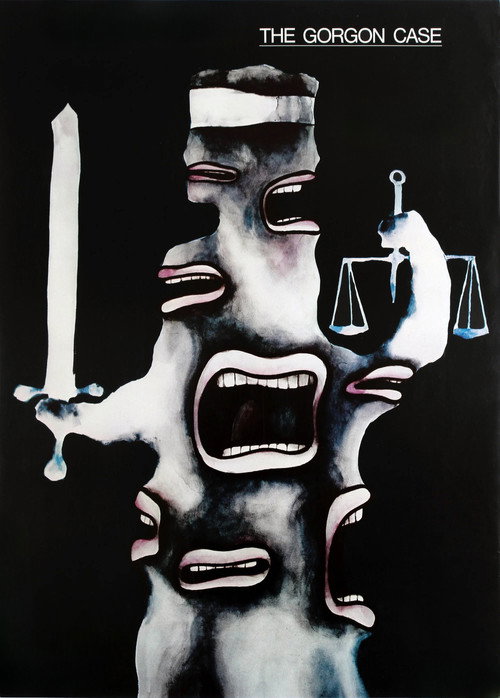
In 1931, just before the New Year, in a house of architect Henryk Zaremba scream rips the night. The daughter of Zaremba is found killed in her bedroom, obviously killed with a pickaxe. The police arrives and starts the investigation. Rita Gorgonova, the governess of the girl and also lover of Zaremba becomes the main suspect.
A man is tried in court for failing to help his brother to avoid suicide.
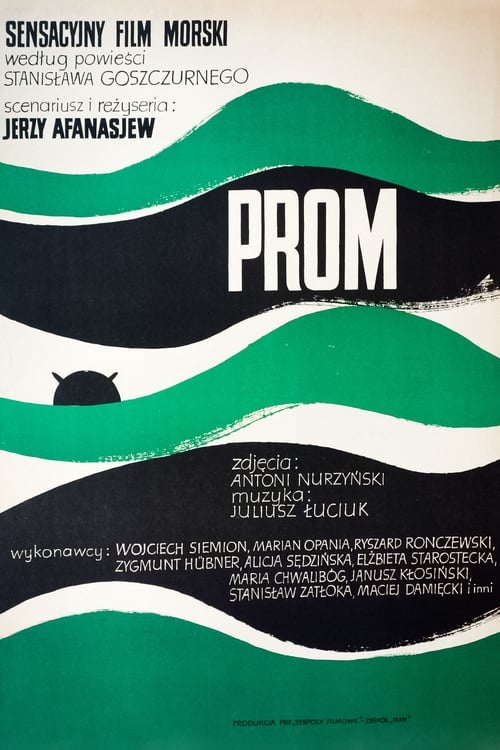
1945. A packed ferry drifts down the Vistula after its tow rope snaps. Only a single militiaman sees notices the ferry and organizes a rescue before the it drifts into the Gdańsk Bay, which is still full of mines.
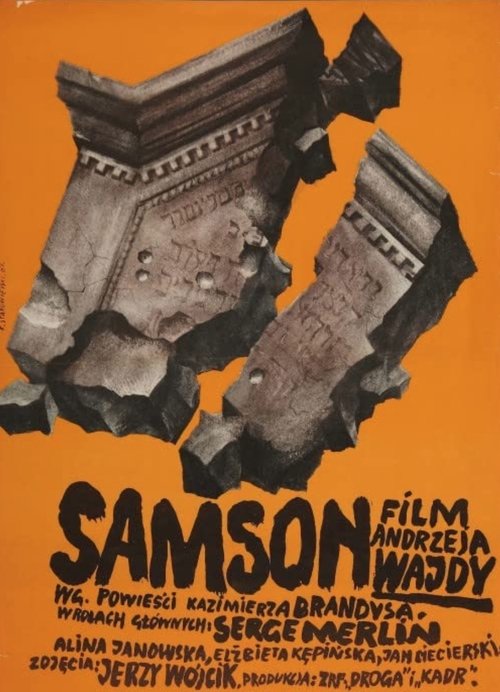
A young Jewish man from Warsaw is imprisoned after an antisemitic incident at his university. He is released when the Second World War breaks out and manages to escape from the ghetto. However, he chooses to leave his hiding place and fight, determined to share the fate of those threatened by the Holocaust. The protagonist is compared to the biblical Samson, who sacrificed his own life.
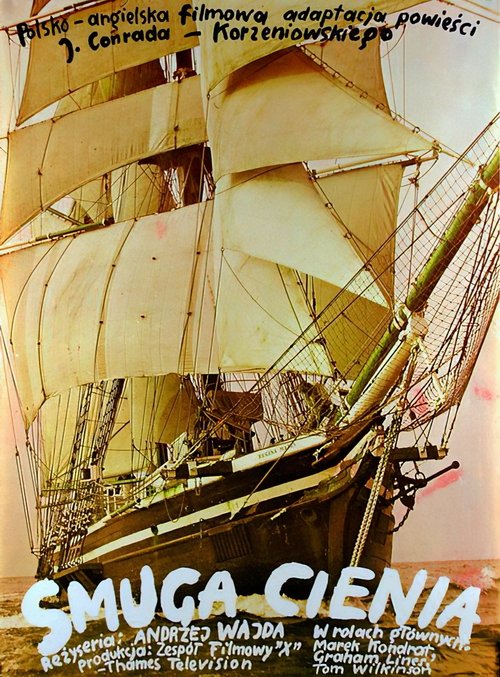
Andrzej Wajda's English-language film of a novella by Józef Teodor Konrad Korzeniowski, aka Joseph Conrad, about a young man in his first command as a sea captain. A series of crises prove incredibly difficult for his new authority, for the sea is curiously becalmed and the crew is weakened by feverish malaria. When the first mate's fear convinces many that the ship is haunted and cursed by the malevolent spirit of the previous captain, the young man must cope with their superstition as well as the conspicuous absence of much-needed medicine.
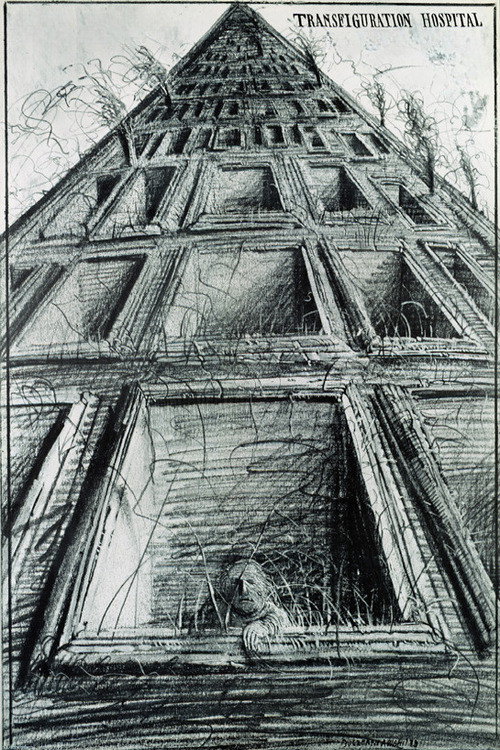
The beginning of the occupation. A closed mental world for the sick. Dr. Kauters values only methods of resolution, Dr. Rygier is a believer in strong authority, Dr. Marglewski considers psychic property a form of haunting, Dr. Nosilewska left Austria after the Nazi occupation. The writer Sekułowski seeks shelter. The young, newly arrived doctor, Stefan, refuses to remain passive in the face of the situation and events...
Based on a true story of Polish submarine "Orzel" (The Eagle): September 1939, "Orzel" is coming to Estonian neutral harbor in Tallin. Under pressure from Germany Estonians have intern the ship. Commander Grabinski decides to escape to England through the Baltic Sea, without any maps that has been confiscated and with only small amount of fuel on board.
Jaruga, the chief of the local branch of Security Office leads a fight against a Home Army unit led by a man known as Boruta and begins to suspect that one of his men was planted by the insurgents. Another Security Office agent arrives to uncover the conspiracy and deal the final blow to Boruta.
Westerplatte is a small peninsula at the entry to the Gdańsk Harbour. Before World War II, it functioned as a Polish ammunition depot in the Free City of Danzig. Its crew consisted of one infantry company and a group of civilians, 182 people in total. It was the only Polish guard-post at the mouth of the Vistula River, with as little as five sentries, one field cannon, two anti-armour guns and four mortars. The first shots of World War II were fired there. This film tells the story of Westerplatte's courageous defenders.
A psychology student believes that the knowledge and experience she has gained at university give her the right to act independently. She begins psychotherapy sessions with a group of students. Unfortunately, they end in failure.
The five participants in the meeting for the construction of a luxury hotel meet years later at its opening.
The deputy director of a machine plant is injured in a car accident and loses important documents. An uncompromising controller is sent to the plant to investigate the matter.
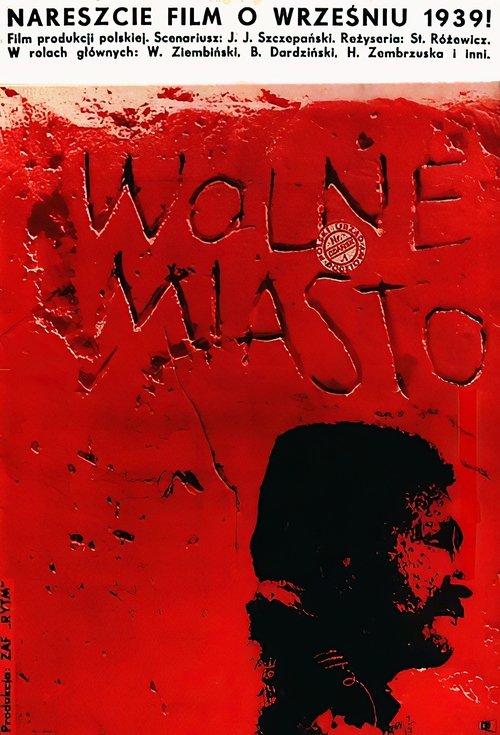
The heroic struggle of Polish post office workers in Gdańsk on the first day of World War II.