Acting
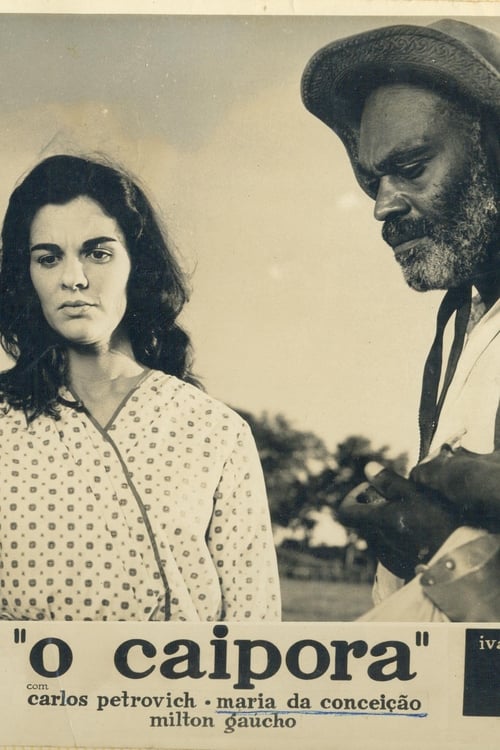
In the backlands, the drover Ricardo marks the destiny of young Maria. Years later, in Xique-Xique, a mistake between two identical women rekindles passions, separations, and an impossible love.
No description available.
The miniseries addresses the struggle of Pedro Arcanjo, guided by Magé Bassã, his holy mother, to protect African culture and integrate it into Brazilian society, creating a new culture. The plot takes place in the Bahian setting filled with the stories of the characters who intersect in Arcanjo's struggle: the friendship with Mestre Lídio, shaken when Rosa de Oxalá, his wife, falls in love with Archanjo; loves prohibited by the incompatibility of saints; the fight against the intolerance and racial prejudice of those in power.
After the death of her handsome but good-for-nothing husband Vadinho, Flor, a widow, marries Dr. Teodoro, a respectable gentleman. Hilarity ensues when Vadinho's spirit returns into her life.
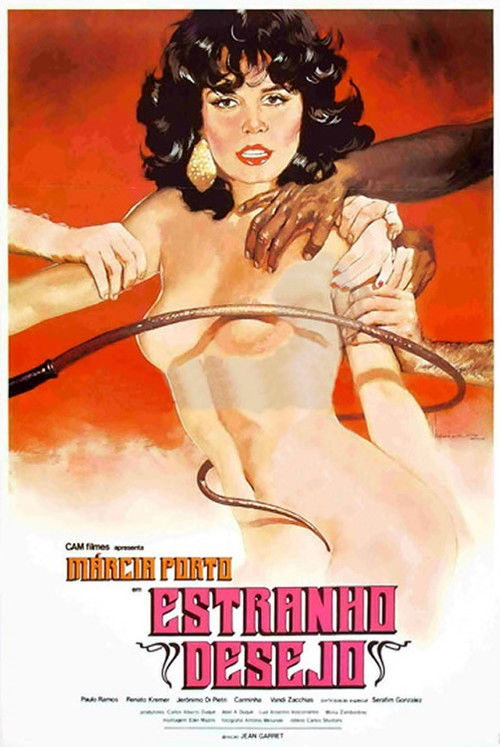
An affluent but bored housewife and mother pays for her kinky sex fantasies to come true. |
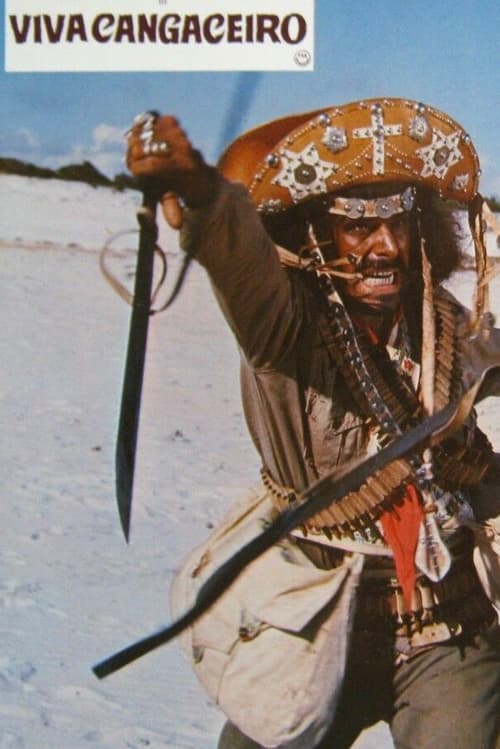
A new incarnation of Cangaceiro bandits, led by Coirana, has risen in the badlands. A blind landowner hires Antônio to wipe out his old nemesis. Yet after besting Coirana and accompanying the dying man to his mountain hideout, Antônio is moved by the plight of the Cangaceiro’s followers. The troubled hitman turns revolutionary, his gun and machete aimed towards his former masters.
In a large house in Salvador lives a family: Hercules, Julia, two of the couple's nephews, Hercules' father-in-law, and two maids. Hercules is a farmer who is in a professional and marital crisis. The mystical figure of Calunga mysteriously appears in the big house. He causes deep transformations in the family. Calunga relates to the women of the house and shakes the established patriarchal structure.
After being exiled for 26 years, Tieta returns to her native village in Bahia, bringing chaos and upheaving the local order.
Brazil, the 1920s. The sadistic colonel Minas massacres the hometown of a famous cangaceiro (a kind of revolutionary bandit). The only survivor is a young farmer called Espedito; he is nursed back to health by a hermit who thinks he has been sent by God and therefore baptizes him the Redeemer. Espedito/The Redeemer forms his own gang of cangaceiros but doesn’t really understand what he’s doing until he befriends the proverbial European intellectual, a Dutch Oil prospector, who introduces him to important people. Espedito is hired by the Dutchman and a corrupt local governor, but then the Dutchman changes sides …
The 28-year history of the Olodum Theater Band, Latin America's longest-running black theater company. Created in Salvador in 1990, in partnership with the Olodum Cultural Group, the company was responsible for launching names such as Lázaro Ramos and Érico Brás. Gathering archive images and interviews with Bando members, collaborators and other guests, the group's trajectory is built.
Drawing inspiration from a poem penned by Castro Alves, this film vividly captures the political, cultural, and intellectual climate of Brazil during the late 1970s. At its core, the story revolves around four distinctive embodiments of Christ's image: a black man, a soldier, an Indian, and a guerrilla fighter. These courageous individuals, hailed as the harbingers of doom in the tupiniquim lands, valiantly combat the insatiable avarice and oppressive "civilizing" brutality propagated by the formidable John Brahms—a foreign exploiter devoid of morals.
Jubiabá is a French-Brazilian film based on the homonymous novel by Jorge Amado. The film tells the story of the interracial love between the daughter of a rich Commander and Antonio Balduíno, a rascal, fighter and famous lover from Salvador.
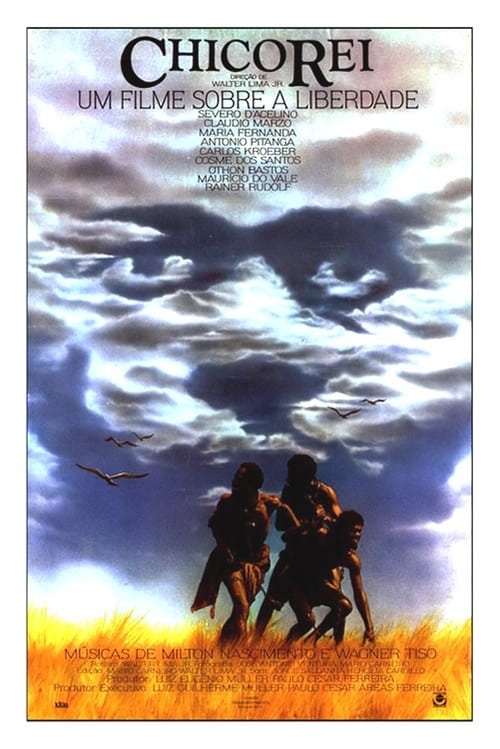
Galanga, king of Congo brought to Brazil as a slave, finds gold in Vila Rica, in the State of Minas Gerais, and buys his enfranchisement, the properties of his former owner, and his companions' freedom, becoming Chico Rei, the first black man to own lands in Brazil.