
Conceição Senna
Acting
Known For

A new incarnation of Cangaceiro bandits, led by Coirana, has risen in the badlands. A blind landowner hires Antônio to wipe out his old nemesis. Yet after besting Coirana and accompanying the dying man to his mountain hideout, Antônio is moved by the plight of the Cangaceiro’s followers. The troubled hitman turns revolutionary, his gun and machete aimed towards his former masters.
Antonio das Mortes
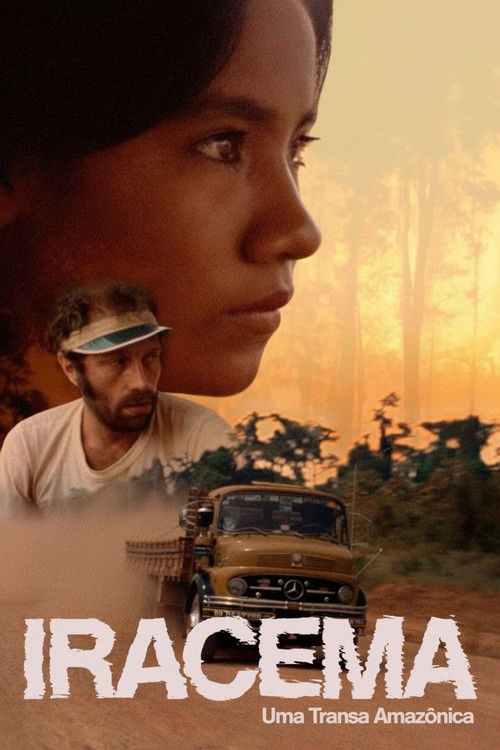
A girl from the countryside goes to the city of Belém to take part in the Círio de Nazaré celebrations. Led to prostitution, she wishes to move to the wealthiest Southeast region of Brazil. In a dance club, she meets a truck driver that transports wood. Dreaming with the big city, she asks for a ride, and the two begin a journey through the Trans-Amazon road. In tension with the Brazilian military authorities of the time, the film registers several aspects of the Amazon social tragedy – forest fires, slave work and child prostitution. Awarded in several international festivals, the film was forbidden by the Brazilian censorship. It was only released years later, winning the Brasília Film Festival in 1981.
Iracema
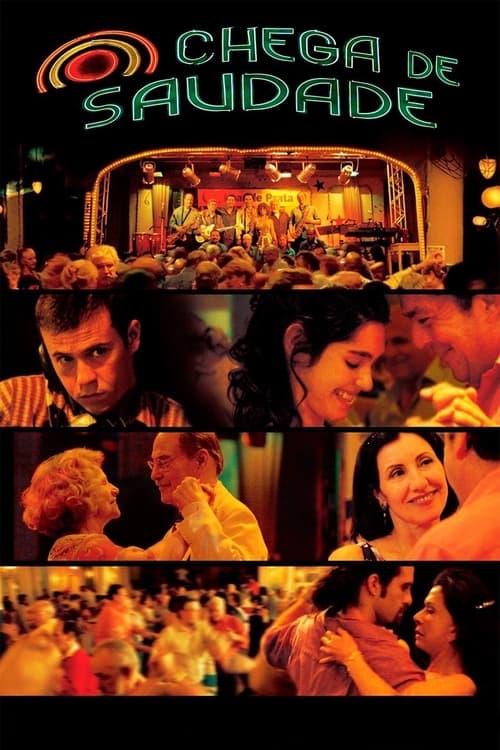
An evening in an old time dance hall in Sao Paulo introduces us to local characters who reminisce about the past, wonder about the future, have fun, flirt, fight and, of course, dance. Its earthy humour and eternal themes of ageing, loneliness and desire is an antidote to grumpy old men and women everywhere.
The Ballroom

Kim is a hitman who commits a serious mistake and is about to be executed by the criminal organization he works for. His only chance to escape punishment is to assassinate the peasant leader Bel. She is his sister and the only person in the world that he truly loves.
Far From Paradise
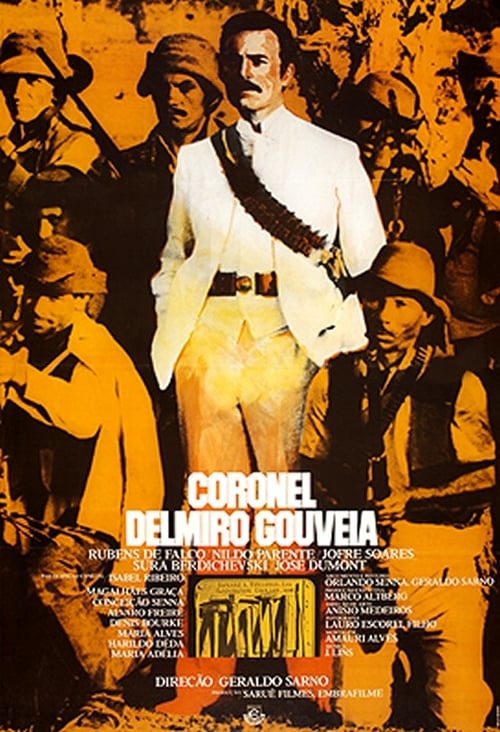
In the beginning of the 20th Century, in the Northeast of Brazil, one of the first Brazilian industrialists is persecuted because he refuses to sell his business to a British company.
Colonel Delmiro Gouveia

Documentary on "Antonio das Mortes", Glauber Rocha's 1969 film.
Milagrez

In Rio de Janeiro's bohemian district called Lapa, during the '40s, a stylish and popular scoundrel exploits a cabaret singer, and earns his living by means of petty swindles. But then he meets Ludmila, the cabaret owner's daughter, who wants to get rich smuggling goods in times of war.
Malandro

Our planet was contaminated by many nuclear explosions that left the soil and the air filled with radiation, and now the few survivors of those catastrophic events live under the ground on a shelter controlled by scientists. After an incident inside the shelter, a group of rebellious scientists defy their leadership when they find a good possibility of returning to the surface.
Nuclear Shelter
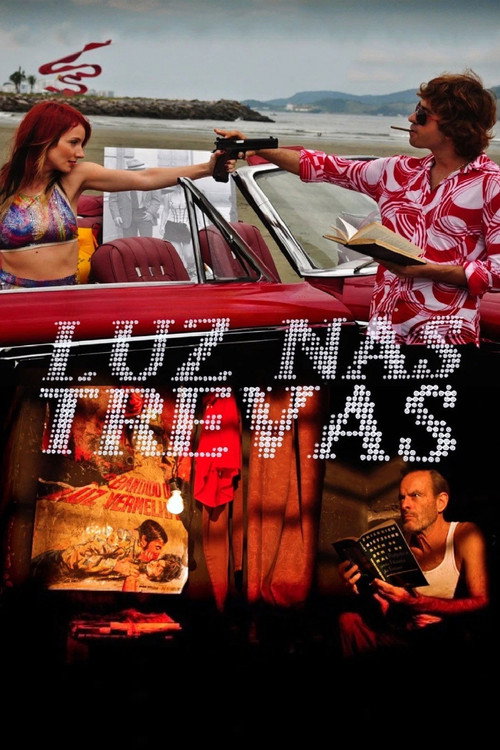
Jorge, bastard child of the infamous Red Light Bandit, decides himself to pursuit a life of crime after meeting with his father, who has been incarcerated for the last 30 years.
Light in Darkness: The Return of Red Light Bandit

The young Beto ventures to the Brazilian countryside in search of a collection of rare drawings. There he meets Samir, the collector, and his family ruined by the demise of the cocoa plantations. The journey and the encounter will irrevocably change the young man’s soul.
The Invisible Collection

The film opens with Audry Gutiérrez Alea, Titón's daughter, using a banana as a dildo. The short is part of a double experiment of which only half was filmed. Marzel wrote two scripts: an original and its parody, but only wanted to make the latter. Therefore, we are witnessing a reference without a reference, which involves the most absurd series of dialogues and monologues of which the national cinema has memory.
Chao Sarah

No description available.
Iremos a Beirute

O AMOR DENTRO DA CÂMERA is an essay documentary that tells the story of Conceição and Orlando Senna, pioneers of Audiovisual, who live a romance of almost 60 years, crossed by the History of cinema and Latin America. Intimate and metalinguistic, portrayed in the warmth of the home and through archival materials, when telling a love story, it takes us through the cinematographic and political networks that have woven across the continent.
O Amor Dentro da Câmera

A countercultural movement that took place at Ipanema Pier marked the history of all participants. Painters, musicians, actors, surfers and others came together to change the system through peaceful demonstrations, including drugs, sex and new experiences. After decades of events, the main participants recall the events.
Anjos de Ipanema
No description available.
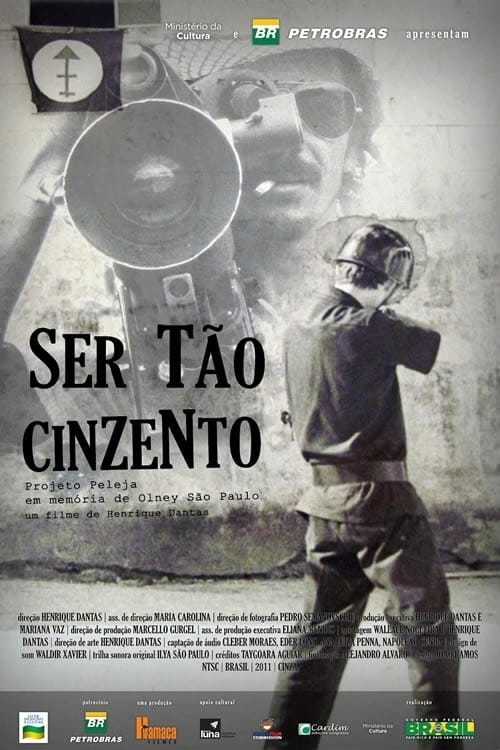
Ser Tão Cinzento
No description available.
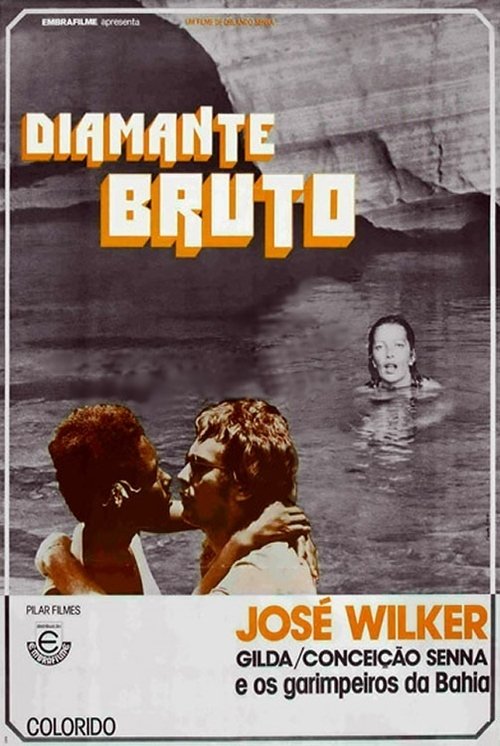
Diamante Bruto

The adventures of a gang of thieves and murderers led by violent Caveirinha. A radical disruption proposal from the postulates of the Cinema Novo, a film with a loose narrative structure. Through the actions of a group of outlaws, the director sews in scenes that propose iconoclasm and elation as forms of opposition to the military dictatorship oppression.
Caveira My Friend
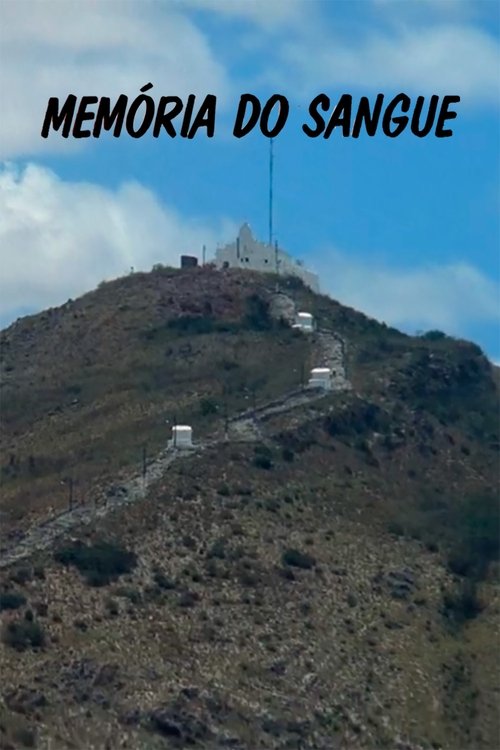
Ninety years after the War of Canudos, descendants from the region reaffirm the fight for land on the banks of the Cocorobó reservoir.
Memória do Sangue

No description available.
Brascuba

In a town plagued by the murders of the "Killer of the Seven Leathers", a prostitute helps a religious young man when he's attacked by hoodlums. He takes her to his ragged shack filled with Catholic objects, where she tries to seduce him.