Sidney Meyers
Editing
Biography
Sidney Meyers (March 9, 1906 – December 4, 1969), also known by the pen name Robert Stebbins was an American film director and editor. He is best known for two documentary films: The Quiet One, which he wrote and directed, and for which he was nominated for an Oscar for Best Original Screenplay; and British Academy of Film and Television Arts winner The Savage Eye, which he co-directed, co-produced and co-scripted with Joseph Strick and Ben Maddow.
Known For

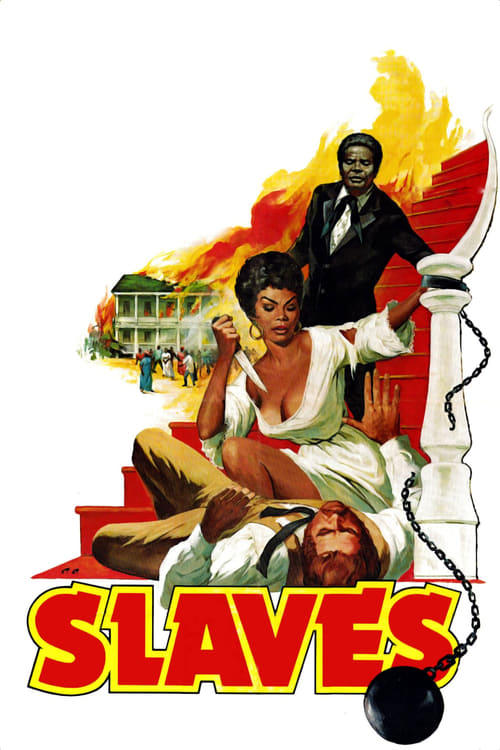
A Kentucky slave (Davis) fights for his freedom from a cruel overseer whose mistress eventually joins him and the other slaves in their revolt.
Slaves

A male army deserter and a black male dock worker join forces against a corrupt manager, in a corrupt environment, and as their connection blossoms they must face the oppressive and morally decaying city they live in.
Edge of the City

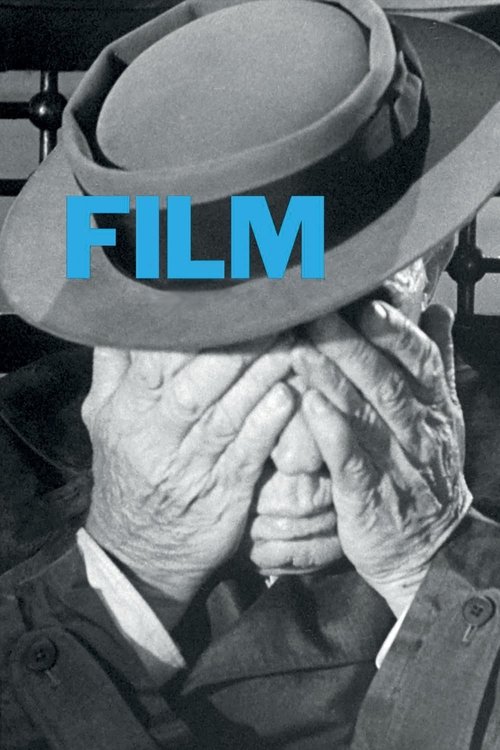
A man attempts to evade observation by an all-seeing eye.
Film

Expat American writer Henry Miller hustles his way through Paris in a series of amorous encounters while trying to find his literary voice.
Tropic of Cancer

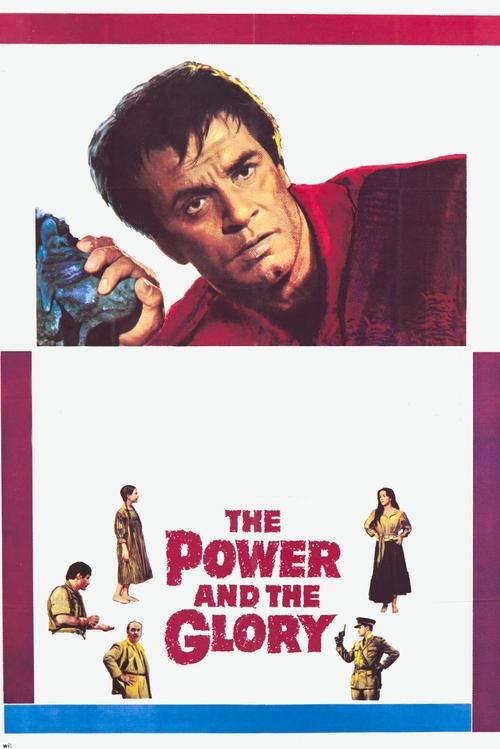
Based on Graham Greene's novel about a flawed but devoted priest in 1930s Mexico who attempts to perform his duties while eluding a police lieutenant determined to capture him.
The Power and the Glory

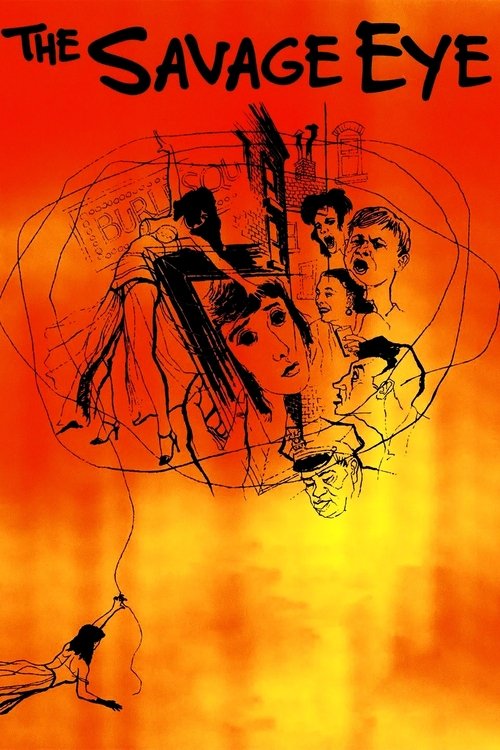
Resentful after an ugly divorce from her unfaithful husband, Judith McGuire moves to Los Angeles. Adrift and detached, she spends her days and nights wandering through her new city, cynically remarking on the hypocrisy, vanity and brutality of the modern world and humanity's alienation from themselves and each other.
The Savage Eye

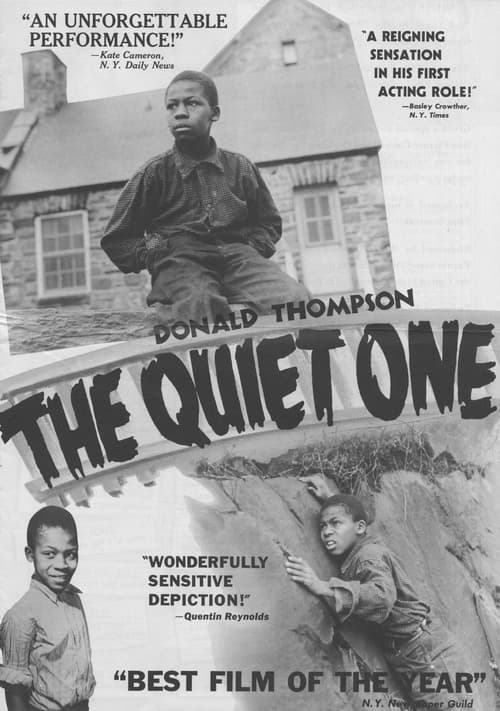
A documentary account of the rehabilitation at the Wiltwyck School of an emotionally disturbed black boy who is unwanted, misunderstood, and inwardly tortured.
The Quiet One

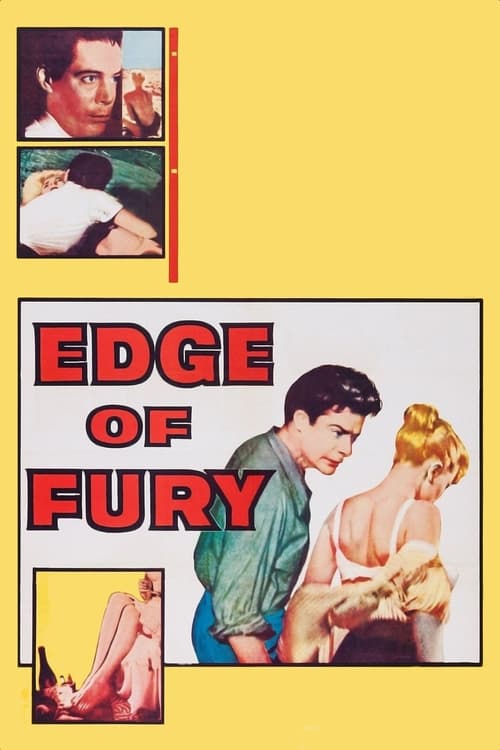
A psychopathic young beachcomber pretends to befriend a mother and two daughters living at their summer home.
Edge of Fury

The film takes place in rural Tennessee, where communities have experienced economic and environmental devastation created by the coal mining industry. The introduction of the Highlander Folk School in 1931 by educator Myles Horton and the movement to bring labor union representation to the region are shown as means of empowering the population. Efforts are made to stop the union activities with the murder of a local organizer, but eventually the union movement is able to take root with the local workforce.
People of the Cumberland

Describes the challenges of aging as seen through the eyes of a woman, Mrs. Potter, whose husband becomes listless and unhappy following his forced retirement at age 65. She worries about him and knows that his lack of engagement is not emotionally healthy. When he dies after a few years of retirement, she gives up her home and goes to live with her daughter's family, which also presents challenges. The woman reflects on how to manage these life changes, and how to continue to live a rewarding, engaged life. She seeks a job but is turned away, apparently because the dress shop that is hiring prefers someone younger. She has some disagreements with her daughter about child-rearing. Ultimately, she and her daughter both conclude that they must show more respect and appreciation for one another.
The Steps of Age

Produced by the U.S. Office of War Information, this short dramatizes the uneasy but ultimately hopeful integration of European war refugees into the small town of Cummington, Massachusetts. Narrated over silent images with a score by Aaron Copland, it blends documentary style and propaganda, underscoring both cultural tension and community acceptance.
The Cummington Story

Surveys the role of chemistry in American life and the central role of the people, products, and plants of Monsanto.