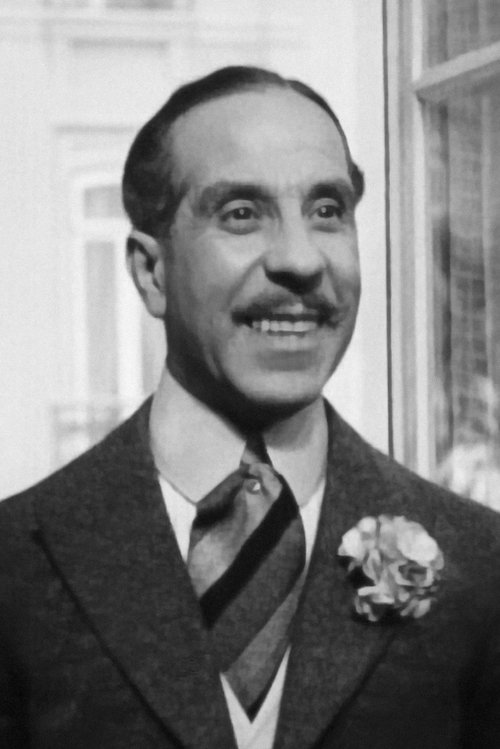
António Silva
Acting
Biography
António Maria da Silva (15 August 1886 – 3 March 1971) was a Portuguese actor. He appeared in more than 40 productions over his more than 50 years in acting.

Known For

The adventurous life of Portugal's epic poet, Luis de Camões.
Camões

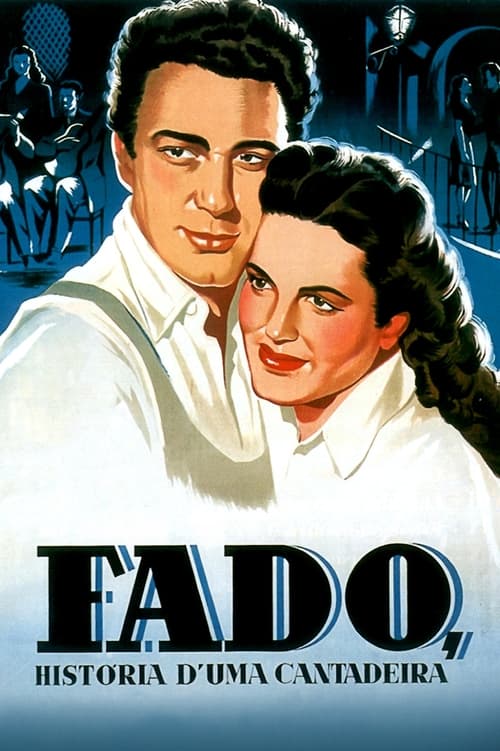
Ana Maria loves a modest guitar player, Júlio; when she herself in a 'retiro' (typical fado tavern), public and critics rend major applause. Fame brings about new friends, namely bohemian young who play and sing the fado with her, and not so young men but who rich and powerful enough to patronize her, promote her, and wish to become intimate with her. Júlio the guitarist feel betrayed, and he sets his mind to depart to the African colonies, to leave her forever. Knowing that he's going to embark, Ana Maria's heart between her first love, and the appeal of the rich and famous.
Fado, a Singer's Story

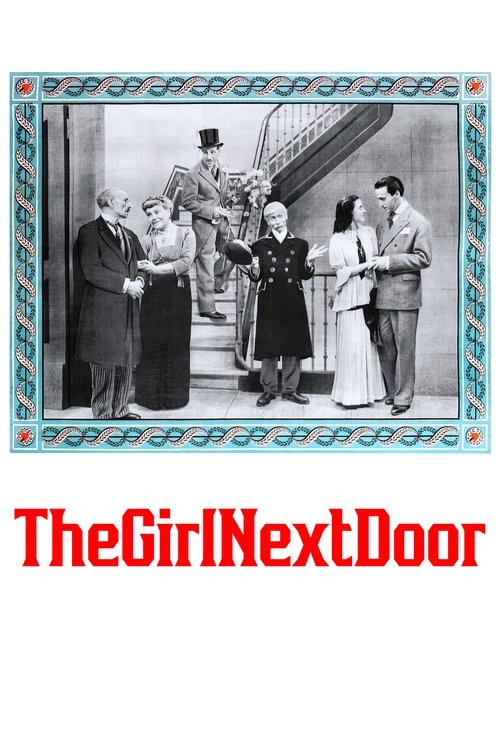
The story of how the conflicting relationship of Eduardo and vaudeville actress Isabel is affected by the passion he feels for their neighbor, Mariana, a young overprotected, and the unexpected visit of his uncle Plácido, a moral teacher.
The Girl Next Door

A portrait of the relations between neighbours in a Lisbon courtyard. A story made of small episodes of humour, friendship, rivalry, love.
The Courtyard of the Ballads

Professor Hermes conducts a research on fear, for which he passes contract with a patient to live a supposedly empty mansion. He's counting on his assistant Chico Mota to play a phantom, but soon comes about that there are phantoms (plural) in there.
House of Ghosts

Adaptation of the homonymous novel by Júlio Dantas. Trying to highlight the romantic tone, the ruralism of the picturesque situations and environments, the spirit and characters of 1863 are revived: the characteristic loves of Margarida and Clara, the distinguished morals of Pedro and Daniel, the bonhomie of João Semana, finally the disagreements , common sense, tenderness, rituals and landscape involvement of Minho.
As Pupilas do Senhor Reitor

Anastácio lives in Lisbon and is fanatic for Sporting CP, one of the city's football teams. When the team travels to face Porto, he follows it with the family, staying in house of his friend, Mr. Barata, pretending to be rich.
The Lion from Estrela

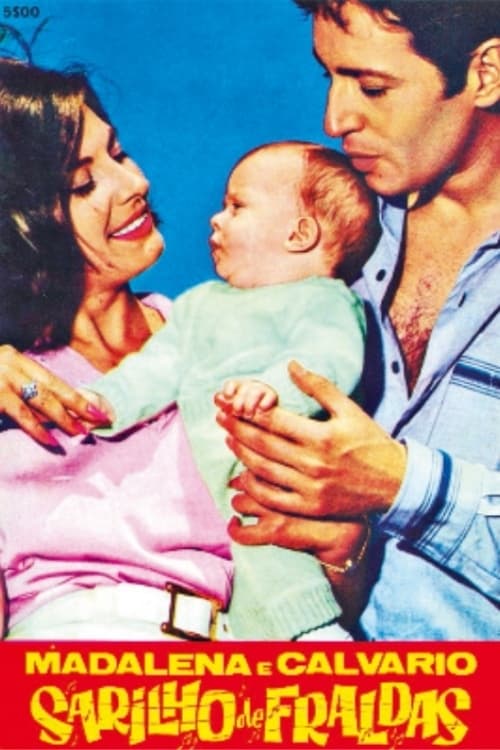
During a tour of the province, someone mistakenly leaves a baby in a singer's car without him noticing. António decides to take the child in, with Madalena, a fellow artist. But the presumed mother, claiming it was a mistake, enlists the help of her brother, a police officer, which leads to a chase to Porto.
Sarilho de Fraldas

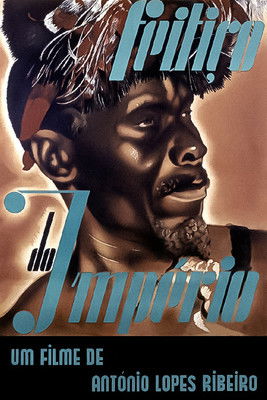
Luís immigrated to the USA and intends to become an American. But after his father invites him on a journey to the Portuguese territories in Africa, he will find true love, and also learn to value his country and its colonial grandeur.
The Spell of the Empire

Popular in the riverside area of Porto, Micas raised her daughter, Madalena, at the cost of sacrifice, as her father emigrated to Brazil. With a happy voice, Madalena works on unloading the coal, seeing her loves thwarted by her humble condition. Barata, another typical figure who makes a living from expedients, helps Madalena's father - meanwhile returned, to "register" her - in a kidnapping plan capable of facilitating her reconciliation with Micas, who is reluctant... Things get complicated, but happiness ends up triumphing.
The Little Bird of Ribeira

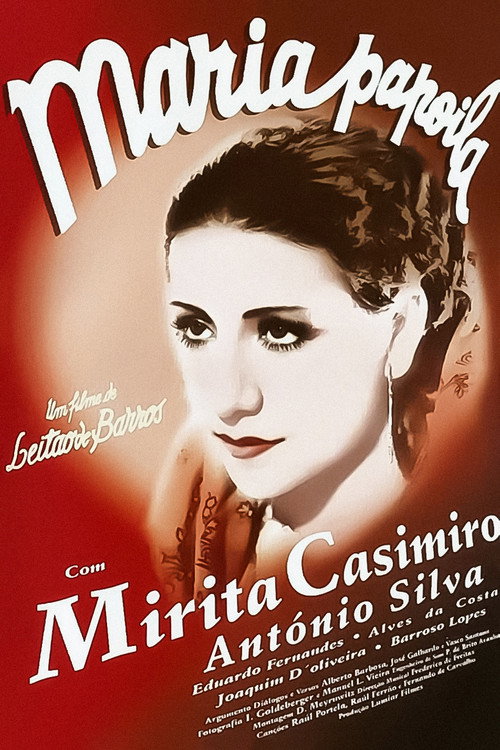
Maria Papoila, a shepherdess from Beira working in Lisbon, one day meets a rich young man, Eduardo, whom she assumes to be of her own social standing due to his uniform as a private soldier. Some time later, arrested as a suspect in a major robbery, Eduardo is abandoned by his selfish fiancée, Margarida, and it is the "soup girl" who, although despised in her dream and sacrificing her honor, appears in court as Eduardo's lover, and he is acquitted. Without asking for anything in return, Maria Papoila returns to her village.
Maria Papoila

Vasco is a medical student in Lisbon, supported by his rich aunts, whom he had falsely told he had already graduated. In fact, he devotes himself to a bohemian life, preferring the popular fairs and pretty women, especially Alice, a seamstress from the Castelinhos quarter, which rather upsets her ambitious father, tailor Caetano, who is familiar with Vasco's debts. After failing yet another final exam, he is surprised by his aunts' announcement that they will visit him in Lisbon to see his practice.
A Song of Lisbon

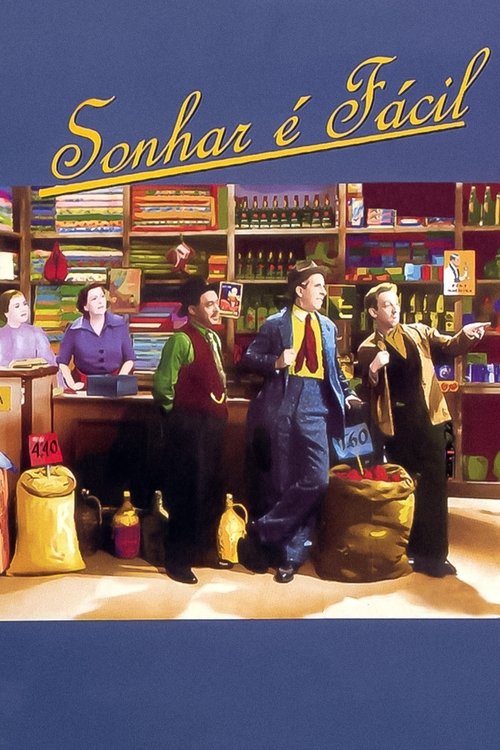
Mr. Silva has a dream: to live in the countryside and become a farmer. And one day it happens. He inherits a farm from an old aunt. But not everything will be roses, as Mr. Silva soon finds out...
Sonhar é Fácil

Geninha and Óscar are a couple who loves music. He's a good songwriter, she sings well. Despite this, their parents hate each other and do not seem willing to allow their marriage, nor the creation of a local radio for them.
The Radio Star

When Mr. Elias discovers that his aunt, who lives in Brazil, comes to visit him, he decides to temporarily occupy the house of a wealthy neighbor who's away so that she doesn't discover that he's not as rich as he told her.
O Grande Elias

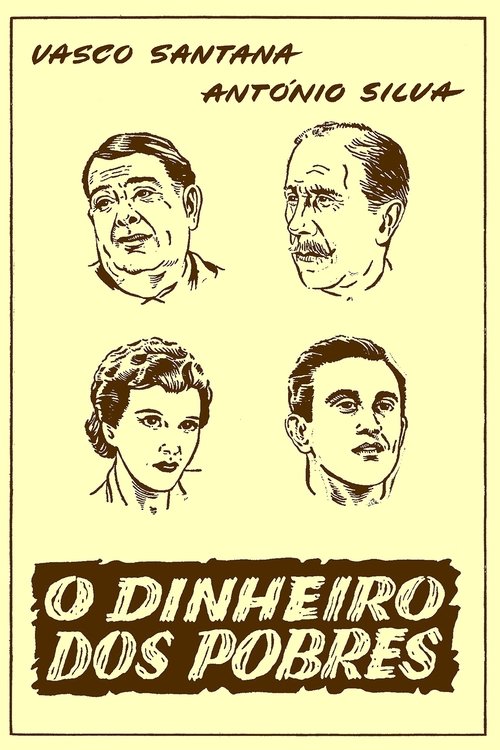
Manuel and Pedro have different approaches to love. Manuel suffers a disgust that makes him sullen, and enters the priesthood. Pedro keeps on in his carefree ways, and commits a robbery. Manuel knows the robber is Pedro, but he learned it in Catholic confession. To keep his vows as a priest, he is prepared to be arrested.
O Dinheiro dos Pobres

A typesetter is an amateur stage director, and his niece and an employee are stage actors. When they have an opportunity to go professional, differences arise between the two men. Things get worse when the employee starts seeing the girl even when there is no need for rehearsals - and the uncle opposes their relationship.
The Three Happy-Go-Lucky

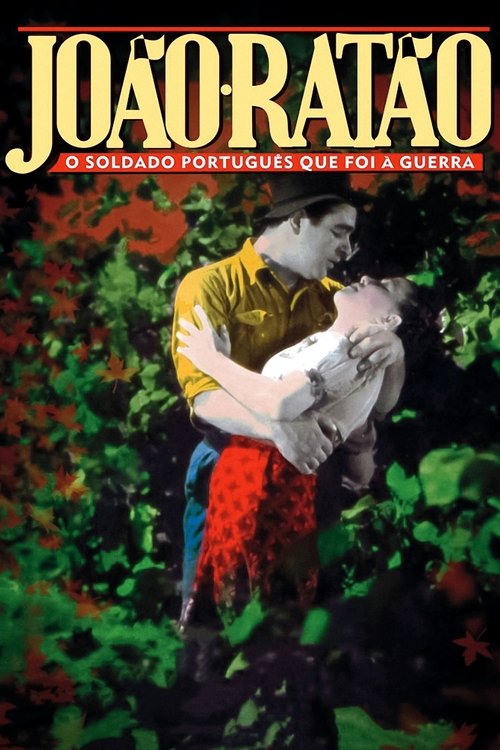
João Ratão is one of many young Portuguese soldiers fighting in Flandres, France, during World War I. Back home, he now needs to fight for the love Vitória, to whom he sent love letters from France... written by a fellow soldier. João Ratão is illiterate.
João Ratão

Bocage was a former naval officer, a cultured gentleman, a passionate man, and a poet. He lived in the second half of the 18th century and had a series of relationships, writing love poems to his Three Graces: his colleague Márcia, a wild girl, and her two sisters.
As très graças

No description available.