Directing
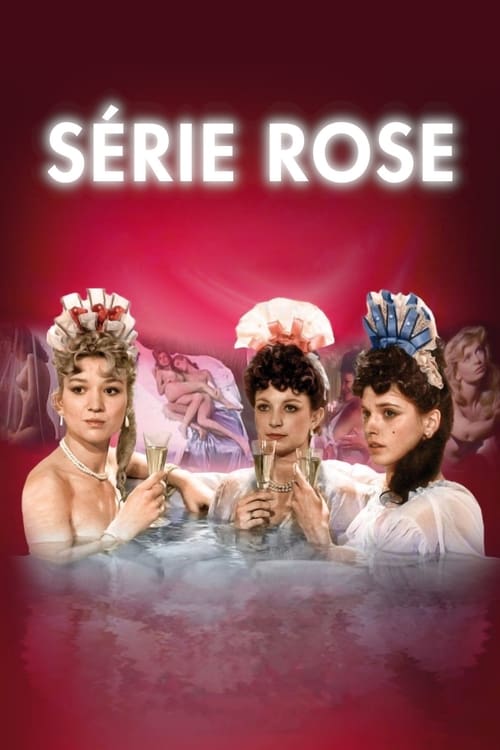
An anthology of erotic stories by famous writers like Guy de Maupassant, Nicolas Edme Restif de La Bretonne, Marquis de Sade, Giovanni Boccaccio, Marquis de Foudras, Daniel Defoe, Anton Tchekov, Jin Ping Mei, and Aristophanes.
No description available.
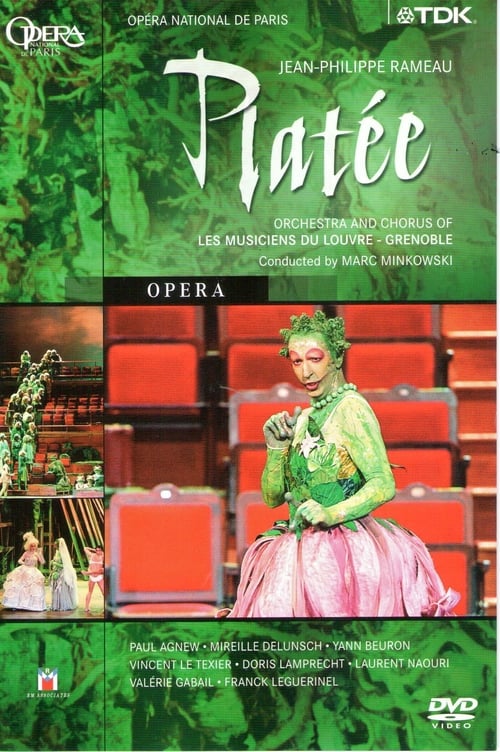
The prologue sets the stage for the action: Thespis, Momus and Thalie announce the subject of the play. It is a comedy mocking the folly of man...and the story of a trap set by Jupiter to cure Juno of her jealousy. The trap? It consists in convincing the water nymph Platée that Jupiter is in love with her. Mercury officially declares Jupiter’s love to Platée. When the god appears before her – first as a donkey, then an owl - the nymph calls on the birds of the marshes, but they scare Jupiter away. Luckily he quickly returns and declares his love for Platée. He even wants to marry her. La Folie comes to sing for the fiancée during an absolutely chaotic scene. However, as the couple prepares for the wedding, Juno arrives. Furious, she puts an end to the farce and ascends to the heavens with Jupiter. Humiliated, Platée understands she has been duped. She swims off into the marshes, as the chorus sings an ironic song in her honour.
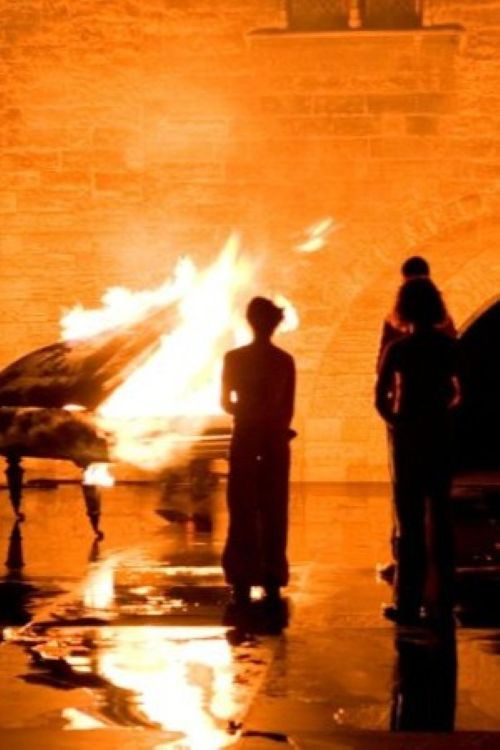
Dante's 'La Divina Commedia' is a poem in three parts about a journey to hell, purgatory and finally, paradise. Romeo Castellucci created his own free adaptation on the gigantic stage of the Cour d'Honneur in Avignon, in the palace where the first French pope, Clement V, resided. The pope allows Dante to descend into the inferno. We are confronted with man's confusion, the fragmentation of the community and the darkness of art.
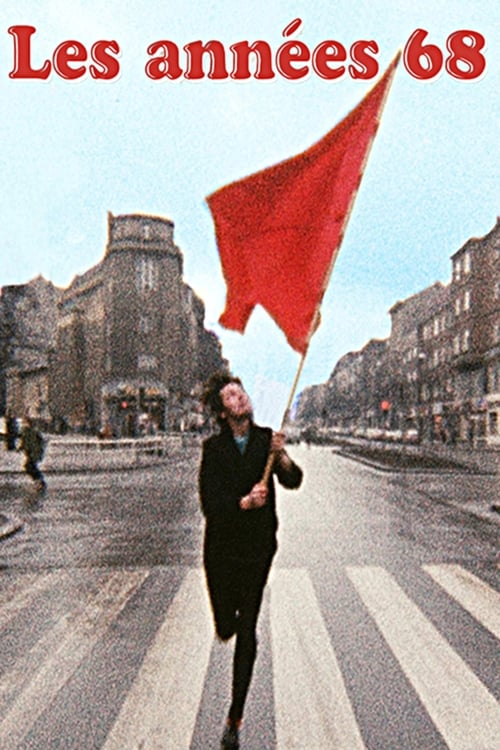
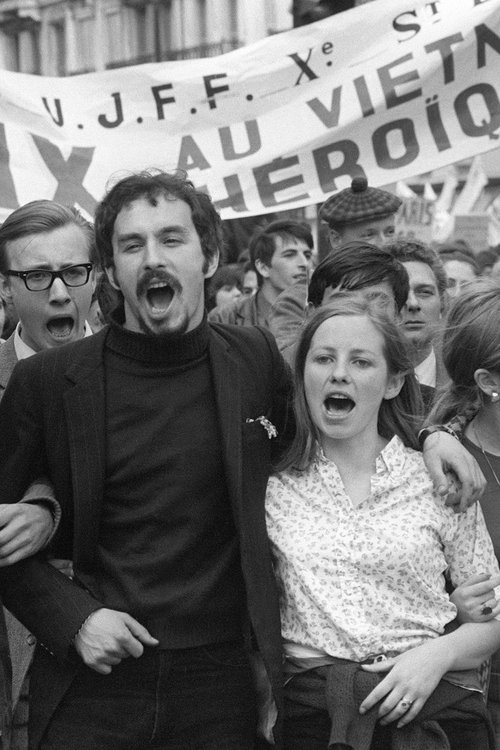
In 1968, young people from Berkeley to Paris and from Prague to Tokyo rose up against the world they were being offered. In this sprawling but riveting two-part documentary, veteran filmmaker Don Kent tracks the development, decline and legacy of this global movement against the fiery backdrop of the Vietnam War, civil rights struggles, dueling ideologies, and international coup d’états. A time capsule full of evocative sights and sounds, narrated by leading historians and political activists, Les années 68 effortlessly connects apparently discrete events to form a blazingly timely analysis of a decade that shaped the way we live now.
The man who goes through purgatory – the “song of the earth” – is a curious being, constantly stopped by the concrete nature of the things and objects that surround him, in a depiction of his own life. This material occupies him, blocks his way, attaches him and often torments him. It bears witness to what exactly purgatory is to Romeo Castellucci: human life in its daily repetition, familiarity with everyday tasks, the trap of routine, the experience of the ordinary body, encounters with the finished world, known nature, the substances of life.
Tri sestry (Three Sisters) is a 1998 opera by Péter Eötvös to a Russian libretto by Eötvös and Claus H. Henneberg based on Anton Chekhov's play Three Sisters. It was the composer's first large-scale opera.
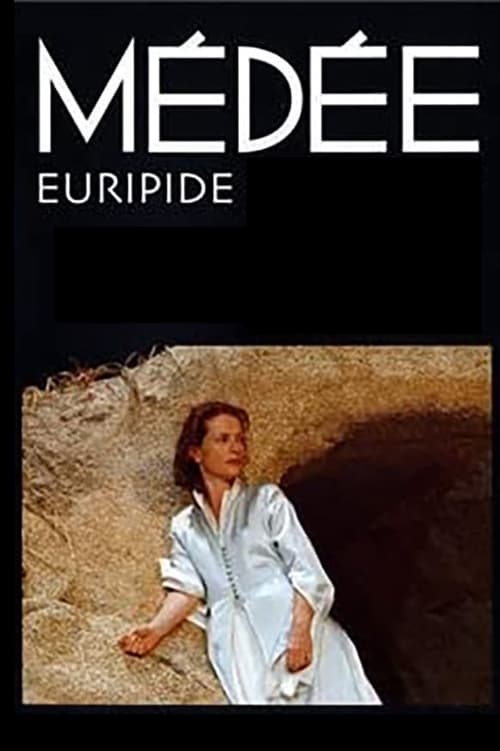
Repudiated by her husband Jason, Medea takes cruel revenge on her children.
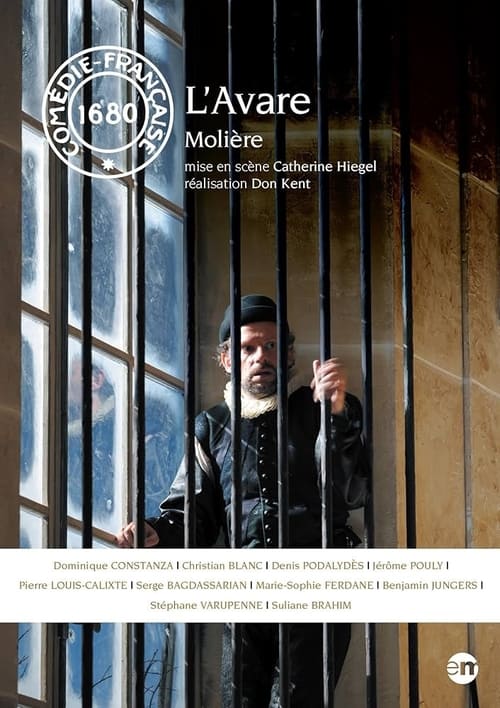
A staging of Molière's play "The Miser" by Catherine Hiegel.
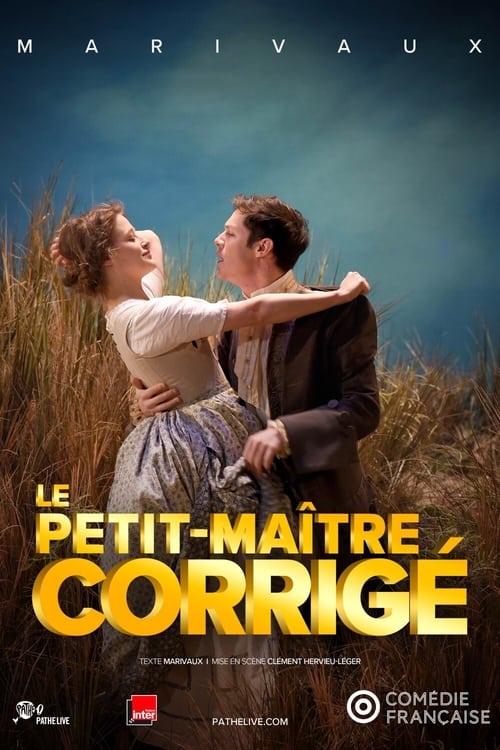
Le Petit-Maître corrigé is a three-act romantic comedy by French playwright Marivaux. It was first performed on November 6, 1734, by the Comédie-Française in Paris. In this production Clément Hervieu-Léger makes the eighteenth century resonate with our era, all the more so given that the language is “simpler than in other Marivaux plays, while still as refined, precise and full of humour”. The story is that of a young Parisian whose parents have found a good match for him, a count’s daughter. But when he goes to visit her in her country home, the handsome boy – whose Parisian manners are far removed from the rules of decorum that reign in the provinces – cannot open his heart to his lovely intended. Stung, the latter decides to punish his arrogance while a former lover arrives to prevent the marriage. Between the alliance of master and manservant, and the complicity of mistress and maid, a romantic intrigue ensues full of light-hearted conspiracies and feverish emotions.
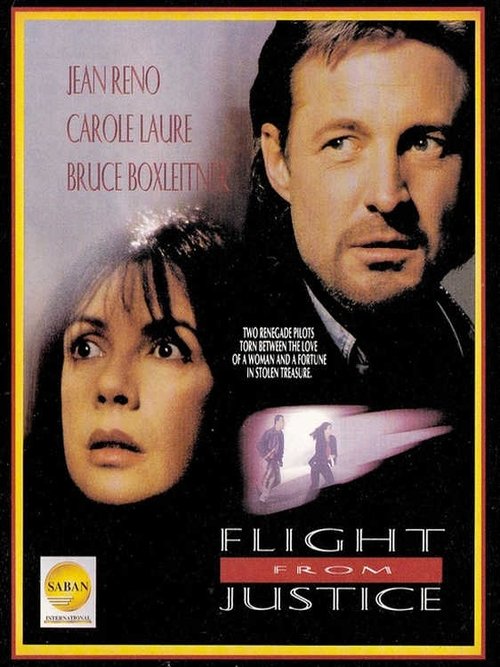
An ex-fighter pilot encounters turbulence when he finds the company he works for is actually a front for art smuggling.
Everything is focused on the canto of divine glory, to such a degree that the spectators' bodies seem to dissolve in the light, the sounds and the reflections as though they were losing their substance in a clarity so intense that it absorbs everything, that it was now impossible for anyone to distinguish the place's perspectives, the proportions of things, the consistency of the objects. Any psychology and any subjectivity seem to be challenged. It is there, in this path taken through the église des Célestins that each spectator is proposed a question: what is his political, social place, faced with the malfunctioning of existence?
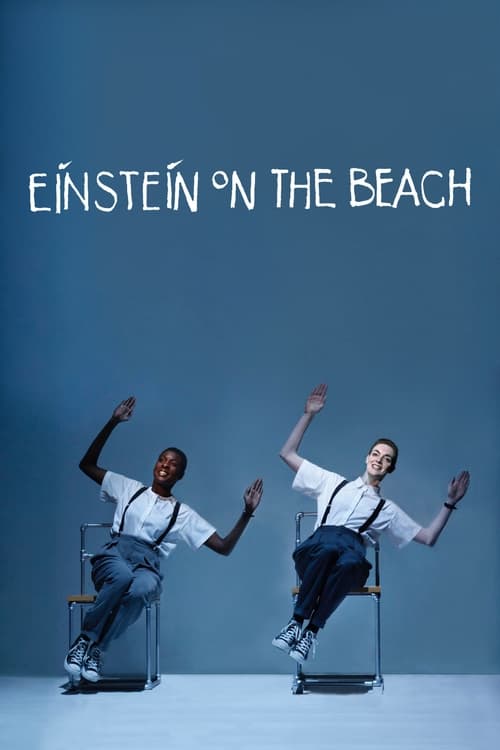
This seminal work of avant-garde opera from composer Philip Glass and director Robert Wilson arrives full-circle, coming to France, the site of its 1976 Avignon Festival world premiere, at the tail end of this 2014 revival tour for a landmark Theâtre du Châtelet production and a first ever filming by award-winning arts filmmaker Don Kent. Eschewing conventional narrative, the opera revolves loosely around pacifist Einstein’s relationship to the creation of the atomic bomb.
If there has been an "edit" somewhere on the music theatre scene since the dawn of the new millennium, which has been noted by the chroniclers as a tangible scandal - then the Salzburg festival production of the operetta "The Bat" by Johann Strauß, staged by Hans Neuenfels. Neuenfels, born in Krefeld in 1941 and long known as the "enfant terrible" of the theatre scene, was not the first within the reception history of the "bat" who dared to scratch their paint. This time there was not only an unconventional direction, but also serious interventions in the libretto. Neuenfels has written new dialogues, incorporating texts from other authors: Karl Kraus, Gottfried Benn, Hugo Ball. Conductor is Marc Minkowski.
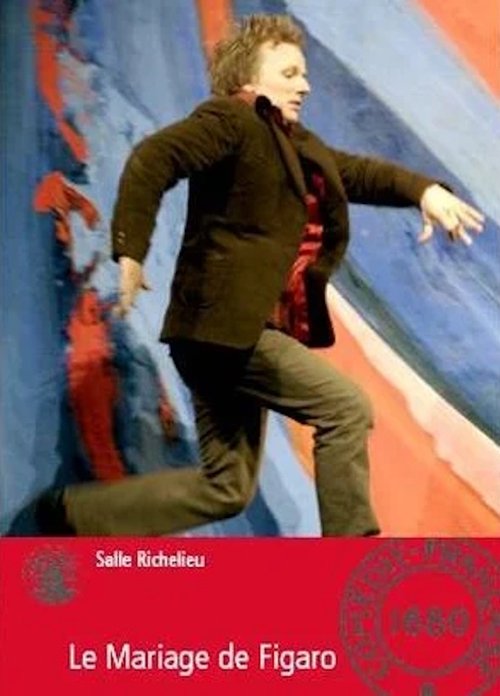
A staging of Beaumarchais's play "The Marriage of Figaro" by Christophe Rauck.