David Muñoz
Directing
Biography
David Muñoz is a Spanish writer, director and producer of documentary and fiction films.
Known For
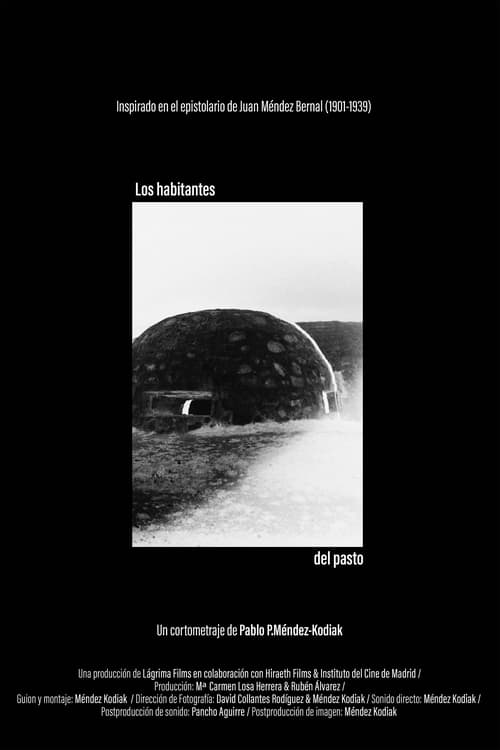
Juan Méndez Bernal leaves his house on the 9th of april of 1936 to fight in the imminent Spanish Civil War. 83 years later, his body is still one of the Grass Dwellers. The only thing that he leaves from those years on the front is a collection of 28 letters in his own writing.
The Grass Dwellers
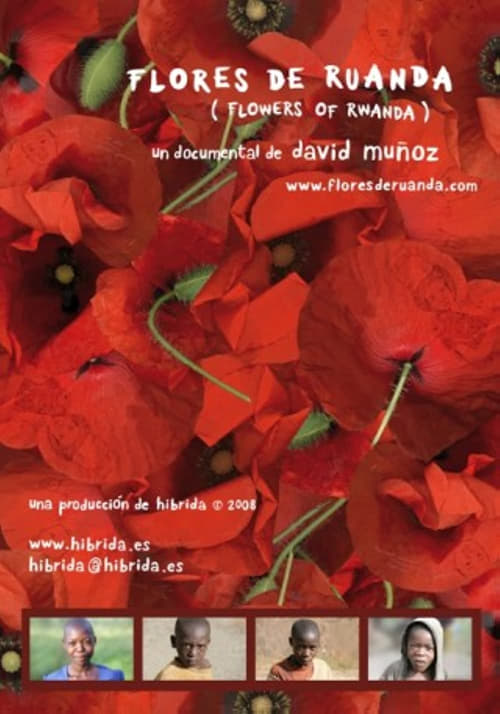
Rwanda. 14 years after the genocide that took the lives of more than 800,000 people. What situation is the country in now? What feelings reign in the hearts of the victims? Can victims and executioners coexist? What value does education have in a society that has experienced genocide? Can it happen again? Who should act when a genocide is taking place? Do we have any responsibility as individuals?
Flowers of Rwanda
No description available.
El Juego del Escondite

Veso Golden, a transgender woman from Ghana who lives distanced due to the social rejection she faces and dreams of wearing the crown in the international beauty pageant.
Un trono para Miss Ghana
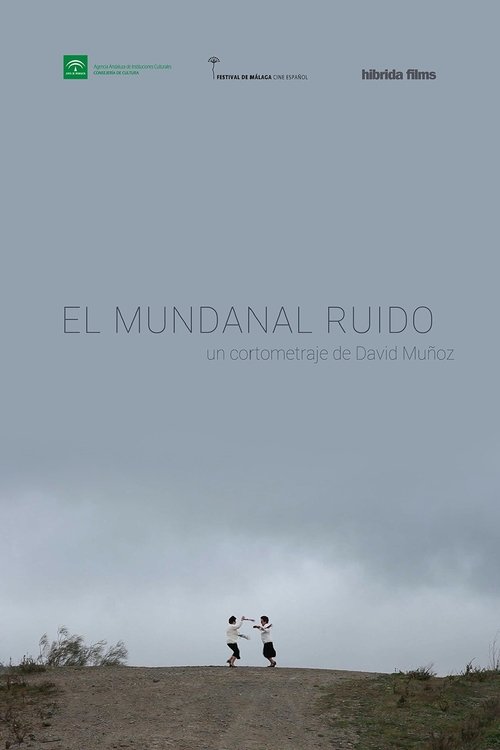
An old man searches for an ancient music on the mountains with his videocamera. A filmmaker is making a film about it. Some film critics will watch a film. The audience will attend to the screening.
A Farewell to All That
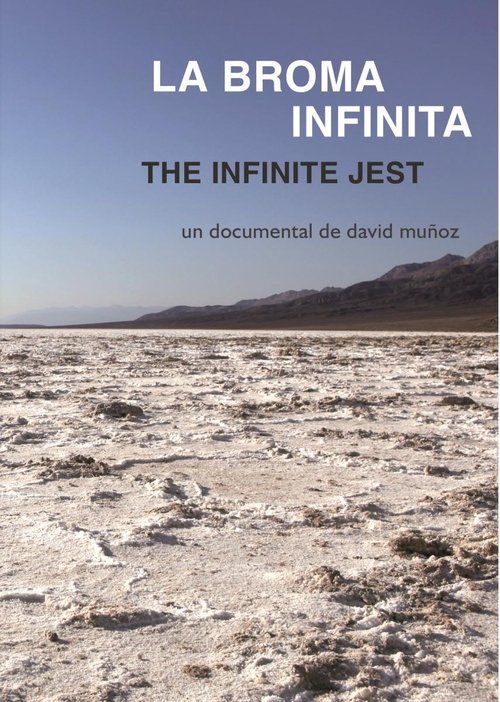
The economy conditions our lives. Scarcity is a restriction imposed by nature itself. It is not a human invention. It is an unresolved dilemma. An endless fight for survival.
The Infinite Jest

Ndugu receives a letter from his adoptive father in America, Mr. Schmidt, who has just become a widower. Ndugu will try to find him a new wife.
About Ndugu
Cairo traffic can justifiably be called an experimental chaos. Streetlights seem to be regarded on principle as mere lighting consoles, erected to adorn the city but otherwise negligible. Taxis, however, are looked upon as halfway trustworthy ferries navigating this erratic stream of road users, all the more so when the whole city has been set in motion even more than usual. Produced between March and September 2011 during the blossoming of the Arab Revolution and recorded with the smallest available equipment, permanently installed in several taxis, “Otra noche en la tierra” is an exciting picture of Egyptian society during those months. Dozens of passengers share their concerns (frequently) or euphoria (sometimes), their expectations and fears in view of an uncertain future with us.